Mom's Best Recipes
Recipe

Milk Bread

Soft, feathery milk bread with a subtle tang and gentle sweetness, finished with a glossy top and a cloud-like crumb that makes any slice feel bakery-level.

Author By Matt Campbell
4.8
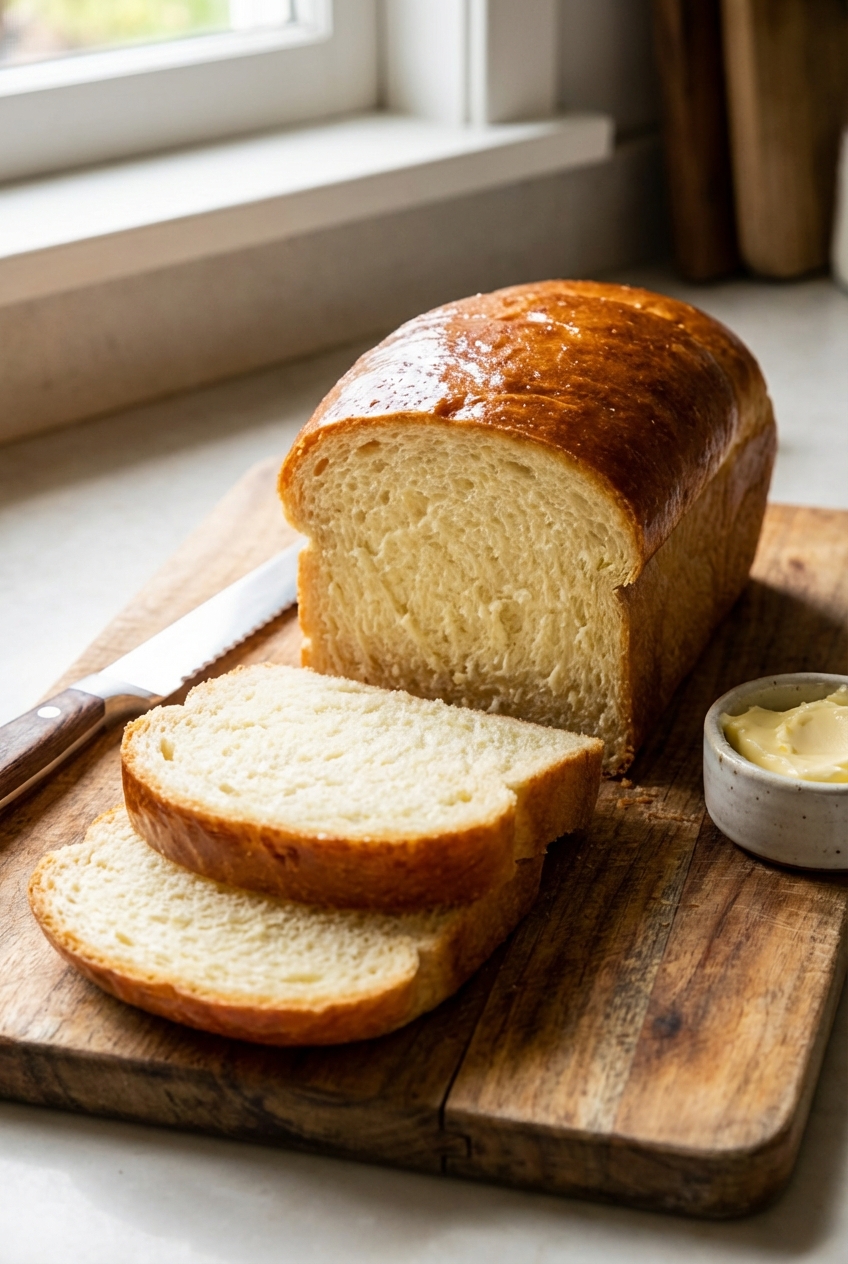
A golden, glossy loaf of milk bread sliced on a wooden cutting board with a soft, fluffy crumb visible

Milk bread is already the kind of loaf that makes you linger by the cutting board and “accidentally” eat the end slice. This version just dresses it up a little: a soft, buttery crumb, a whisper of sweetness, and a gentle tang that keeps it from tasting flat. It is the bread equivalent of putting on a crisp shirt and still wearing comfy socks.

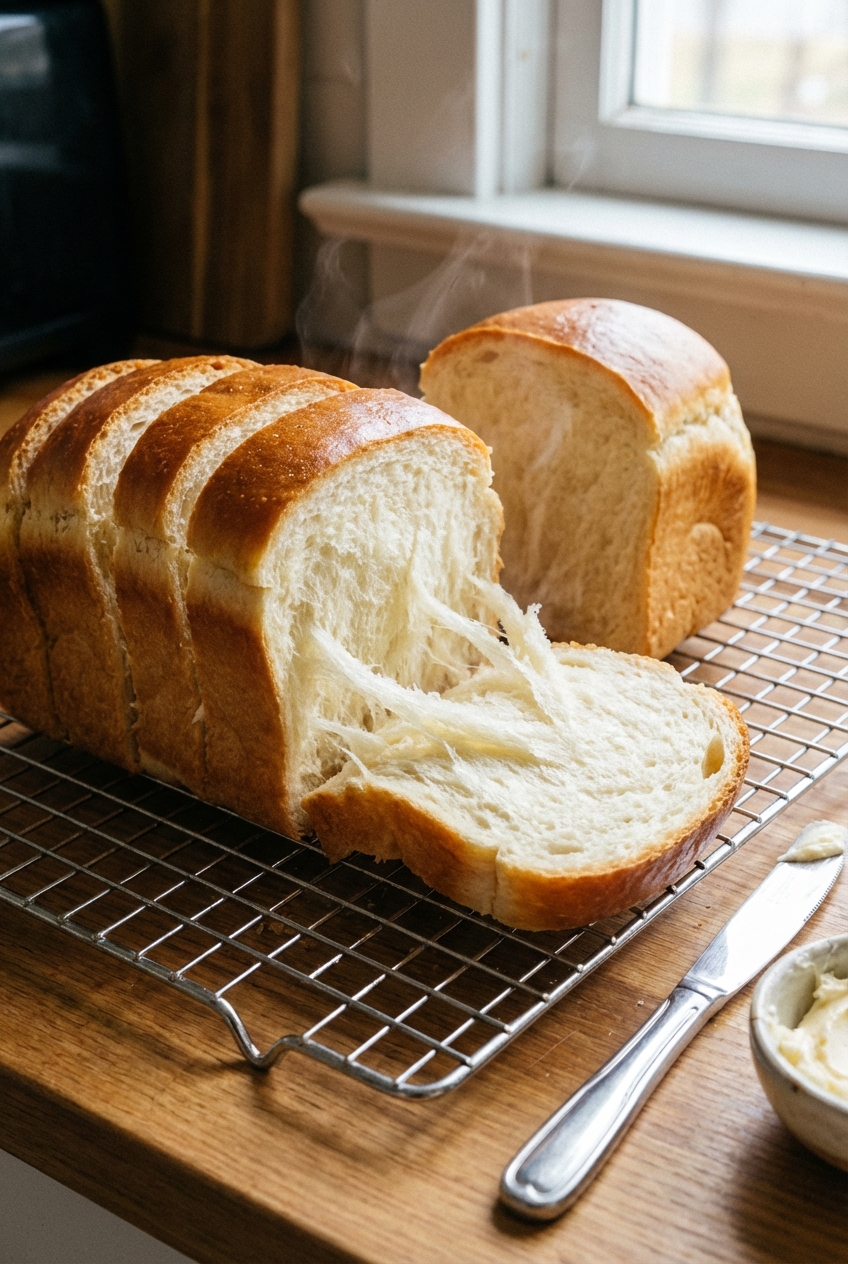
The tang comes from a small amount of yogurt and a tiny splash of vinegar. Nothing loud or sour. It just adds dimension, the way a squeeze of lemon wakes up a sauce. The sweetness stays restrained, so you can take this loaf in either direction: jam and salted butter, or a fried egg and sharp cheddar. Either way, you are in for that signature milk bread pull apart moment.
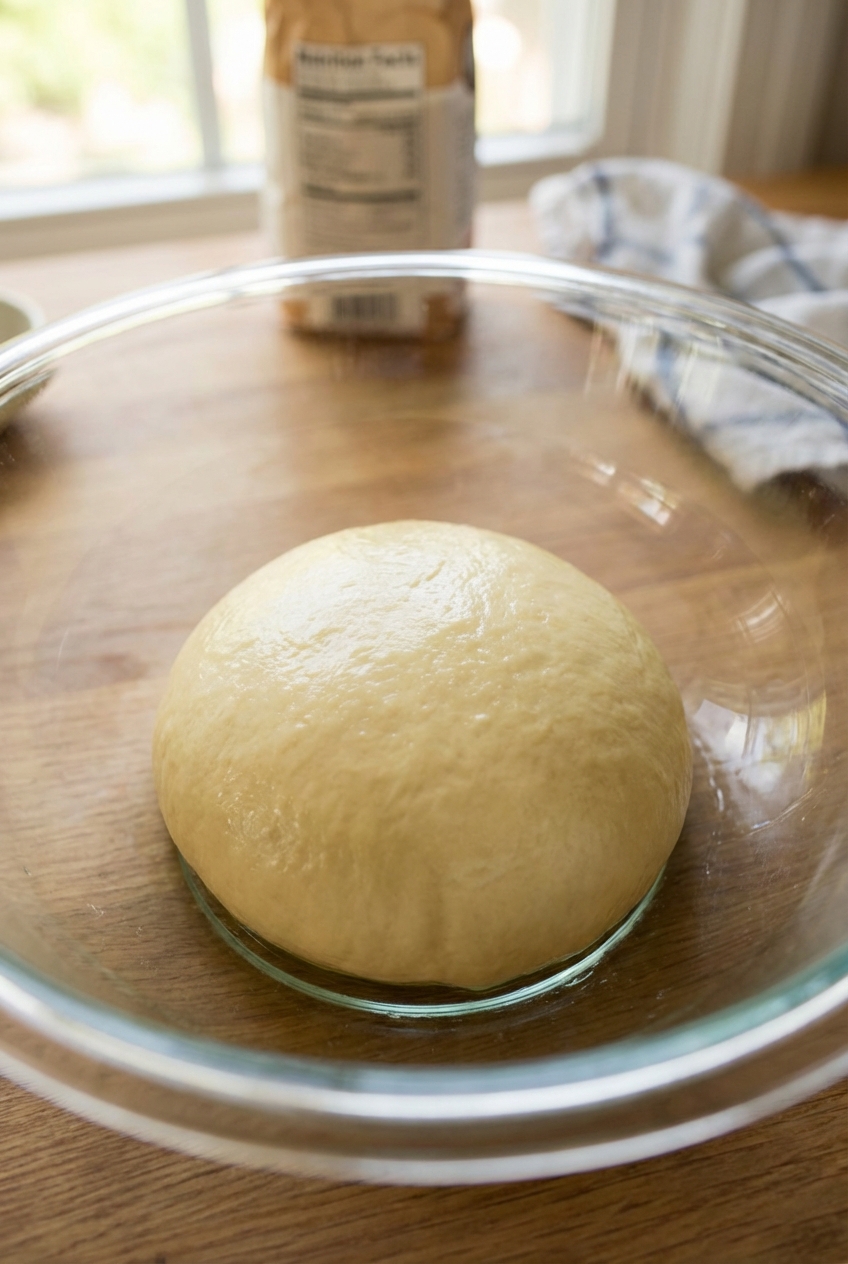
A smooth, elastic ball of milk bread dough resting in a lightly oiled bowl

Why It Works

  • Cloud-soft texture: A quick tangzhong paste helps the loaf hold extra moisture, giving you that plush, shreddable crumb.
  • Tangy but not sour: Yogurt plus a small splash of vinegar brings brightness without turning the bread into a science project.
  • Sweet, balanced flavor: Enough sugar to feel special, not so much that you cannot use it for sandwiches.
  • Elegant finish: A milk-egg wash makes the top glossy and deeply golden.

My biggest tip: Milk bread dough should feel soft and a little tacky, but it still needs to be shapeable. If it is acting like batter, it needs a bit more flour. If it feels oddly stiff, add warm water by the teaspoon. This recipe is written to land in that sweet spot.

Pairs Well With

Storage Tips

Milk bread is at its best the day it is baked, but it keeps surprisingly well if you treat it kindly.

  • Room temp (best for 1 to 2 days): Cool completely, then store in a bread bag or zip-top bag. Keep it out of direct sun and away from the stove.
  • Reheat to revive: Toast slices, or warm a whole chunk in a 300°F oven for 8 to 12 minutes. If it feels a little dry, brush the cut side with a tiny bit of butter first.
  • Freeze (up to 2 months): Slice the loaf, freeze slices on a sheet pan until firm, then bag. Toast from frozen or thaw at room temp for 20 to 30 minutes.

Leftover move: If you have day two slices, make French toast. This bread was basically born for it.

Common Questions

Can I make this without a stand mixer?

Yes. It is a workout, but doable. Mix with a sturdy spoon until shaggy, then knead by hand 12 to 15 minutes. If the dough is sticking like crazy, rest it 5 minutes and go again. Resting makes kneading easier.

What does the tangy flavor come from?

Plain yogurt adds gentle acidity and tenderness. A small amount of vinegar boosts the “bright” note without making the bread taste sour. You can skip the vinegar if you want a sweeter, more classic milk bread profile.

My dough feels sticky. Should I add more flour?

A little tacky is normal for milk bread. It should still be kneadable and able to hold its shape. Give it a full knead before you adjust anything. If it is still truly wet and unmanageable, add flour 1 tablespoon at a time until it turns soft and elastic.

Can I use active dry yeast instead of instant?

Absolutely. Bloom it first: stir the yeast into 2 tablespoons warm water (about 105°F to 110°F) with a pinch of sugar. Wait 5 to 10 minutes until foamy, then add it with the yogurt and egg. The dough can handle this small extra splash.

Does yogurt type matter?

Yes, a little. Use plain, unsweetened whole-milk yogurt if you can. If you only have Greek yogurt, the dough may feel stiffer. Thin it with 1 to 2 teaspoons water before adding, or use the “add water by the teaspoon” option in the instructions.

How do I know it is baked through?

The top should be deep golden brown and the loaf should sound hollow when tapped. For extra confidence, aim for an internal temperature of about 190°F to 195°F (up to 200°F is also fine if you like a slightly firmer set).

I started making milk bread because I wanted that bakery-soft texture at home without needing a specialty flour stash or a full weekend. The first time I nailed it, I tore off a warm piece, dipped it in coffee like it was a cookie, and immediately understood why people get dramatic about bread.

This tangy-sweet version happened after one of those “I wonder if…” moments with leftover yogurt in the fridge. It took the loaf from simply soft to quietly interesting. Like, you take another bite and realize the flavor has a little sparkle to it. That is my favorite kind of cooking win.