Mom's Best Recipes
Recipe

Tender Boiled Pork Recipe

A simple, flavor-forward method for boiled pork that turns out juicy and genuinely sliceable, with a ginger scallion dipping sauce that makes it feel like you tried harder than you did.

Author By Matt Campbell
4.8
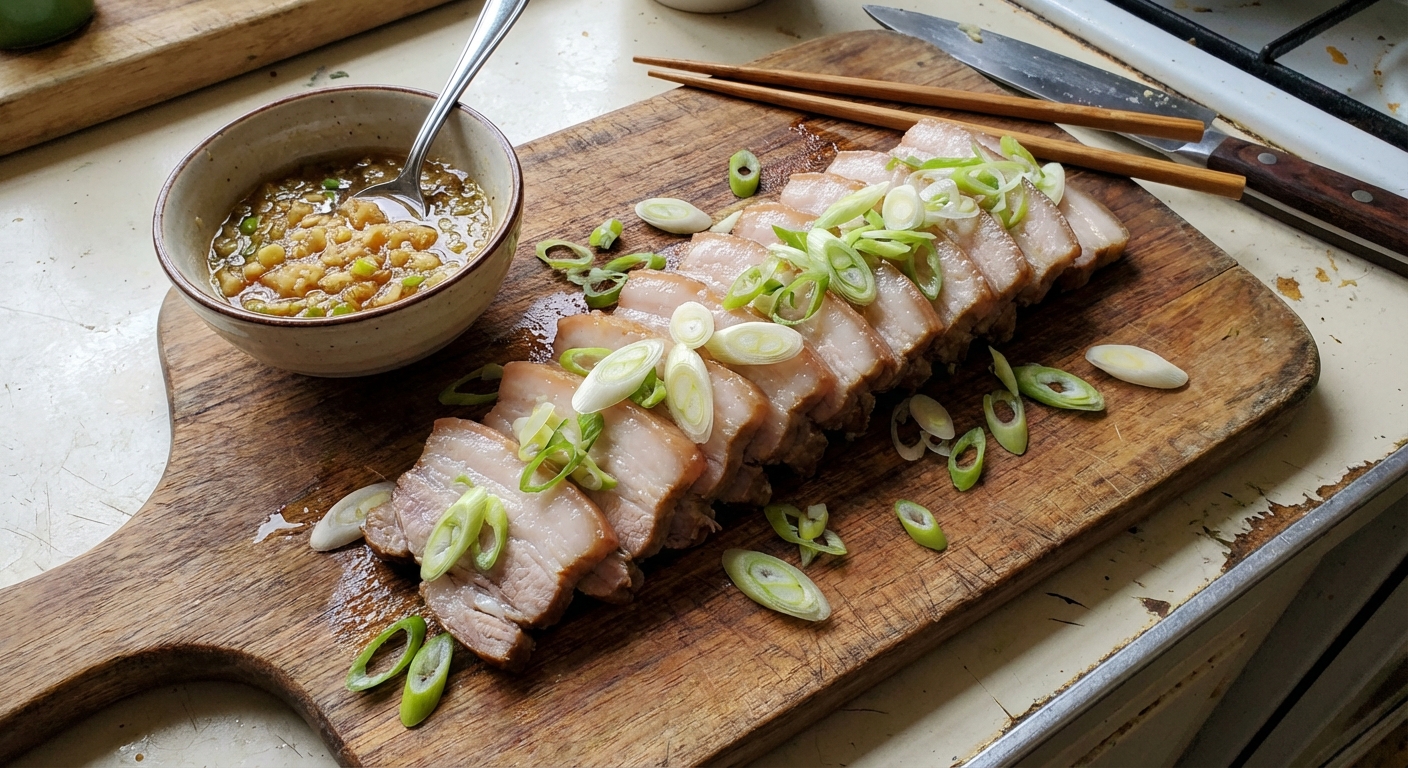
Sliced tender boiled pork on a cutting board with a small bowl of ginger scallion sauce and scattered sliced scallions

Boiled pork has a reputation problem. People hear boiled and imagine pale, tired meat that tastes like regret. But done right, boiled pork is one of the most reliable ways to get meat that is tender, juicy, and clean-tasting, ready for noodles, rice bowls, lettuce wraps, or midnight fridge improvisation.

This recipe uses a gentle simmer, a quick aromatic broth, and one very important move: resting the pork in the hot liquid so it stays succulent instead of drying out the second it hits the cutting board. Then we finish with a bright, punchy ginger scallion sauce because pork deserves a hype person.
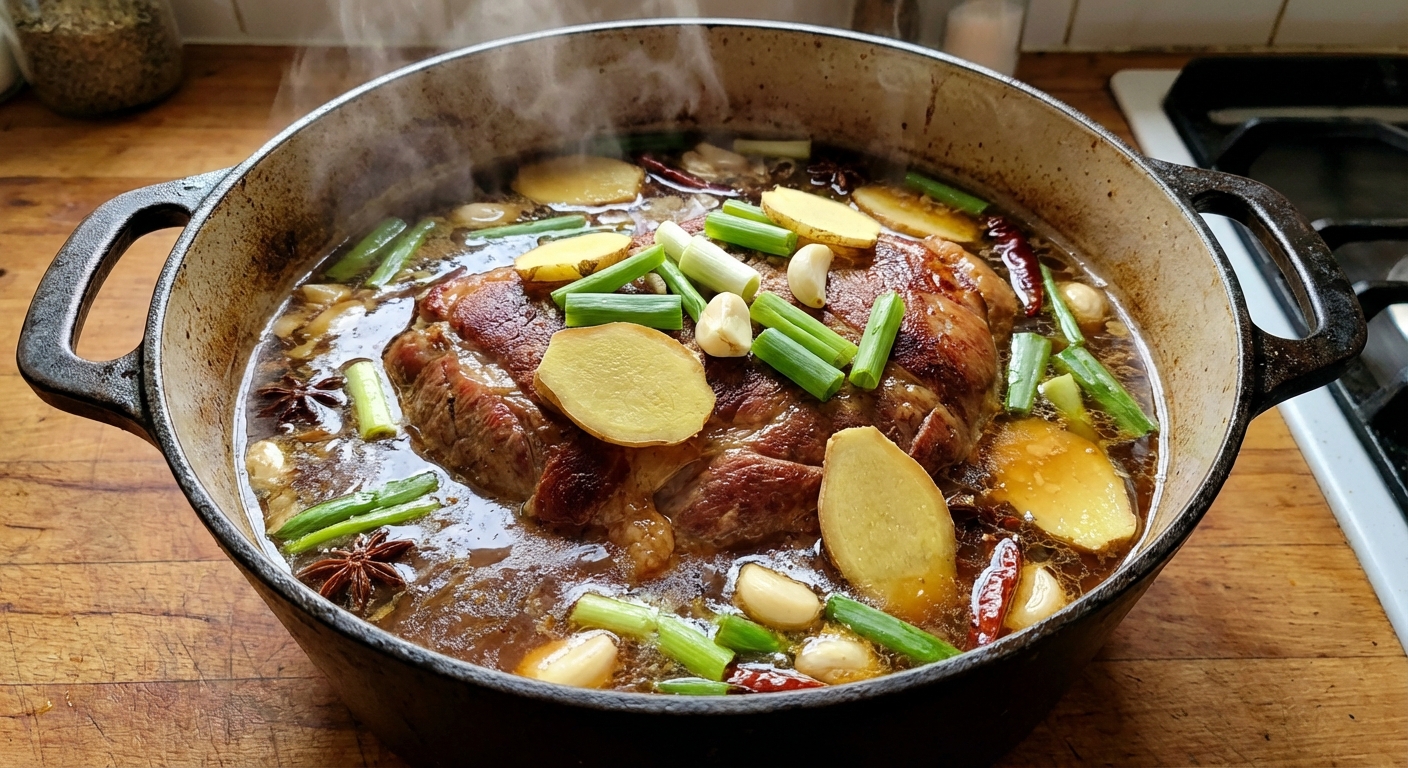
Pork shoulder simmering in a pot with ginger slices, scallions, and garlic floating at the surface

Why It Works

  • Low, steady heat keeps the pork tender. A hard boil tightens protein and pushes out moisture.
  • Aromatic water (ginger, scallion, garlic) lightly seasons the meat from the outside in without turning it salty like a full brine.
  • Resting in the broth is the secret: the pork finishes gently and reabsorbs some juices.
  • Pulling at 180 to 185 F keeps it sliceable after the rest, instead of crumbling into shreds.
  • Thin slicing across the grain makes even a humble cut feel restaurant-level tender.

Result: pork that is juicy enough for bowls and sandwiches, and mild enough to pair with bold sauces, crunchy toppings, and whatever vegetables are threatening to wilt in your crisper.

Storage Tips

How to Store Leftovers

Refrigerate: Cool pork quickly, then store in an airtight container for up to 4 days. If you can, ladle a little cooled broth over the slices to keep them extra moist.

Freeze: Freeze sliced pork in a single layer on a sheet pan, then transfer to a freezer bag. Keeps well for 2 to 3 months. Freeze a cup of broth in a separate container for reheating insurance.

Reheat without drying out: Warm slices in a pan with a splash of broth or water, covered, over low heat. Or dunk slices for 20 to 30 seconds in simmering broth, then sauce and serve.

Leftover glow-up ideas:

  • Stir into ramen or rice noodle soup with greens.
  • Make crispy pork by pan-searing slices, then drizzle sauce.
  • Stuff into tortillas with quick pickled onions and cilantro.

Common Questions

Common Questions

What cut of pork is best for boiling?

Pork shoulder (butt) is the most forgiving and stays juicy. Pork belly is richer and super tender but obviously more indulgent. Pork loin can work but dries out easily, so be extra gentle and do not overcook it.

Do I need to salt the water?

Yes, lightly. Think of it like pasta water, but less aggressive. It seasons the exterior and the broth. If you are watching sodium, you can keep it minimal and rely on the dipping sauce.

How do I know when the pork is done?

For sliceable pork shoulder, aim for 180 to 185 F in the thickest part, then rest it in the hot broth. That rest gently finishes the meat without pushing it into shredded territory. If you want it to fall apart on purpose, you can take it higher, but do not expect neat slices.

Why can my pork turn tough even after a long time?

If it is boiling hard, the outer layers can tighten and dry while the inside takes forever. Keep it at a gentle simmer, and let it rest in the hot broth at the end. Also, make sure you bring the pot back up to a simmer after adding the pork, since the temperature drops a lot.

Can I make this in an Instant Pot?

Yes. Pressure cook pork shoulder chunks with the aromatics for 35 minutes (natural release 10 minutes), then slice. You lose a little of the gentle-poach texture, but it is still delicious.

The first time I made boiled pork on purpose, it was a weeknight and I had the energy of a damp paper towel. I wanted something comforting but not heavy, and also something that would turn into tomorrow’s lunch without me having to negotiate with myself.

So I simmered a chunk of pork with ginger and scallions, made a fast sauce, and told myself it was “simple.” Then I tasted it and immediately started slicing it like I was running a tiny deli out of my kitchen. I have been chasing that exact vibe ever since: minimal effort, maximum “wait, why is this so good?”