Mom's Best Recipes
Recipe

Tender Short Ribs

Fall-apart beef short ribs braised in red wine with onions, garlic, and herbs, then finished with a glossy, restaurant-style pan sauce.

Author By Matt Campbell
4.8
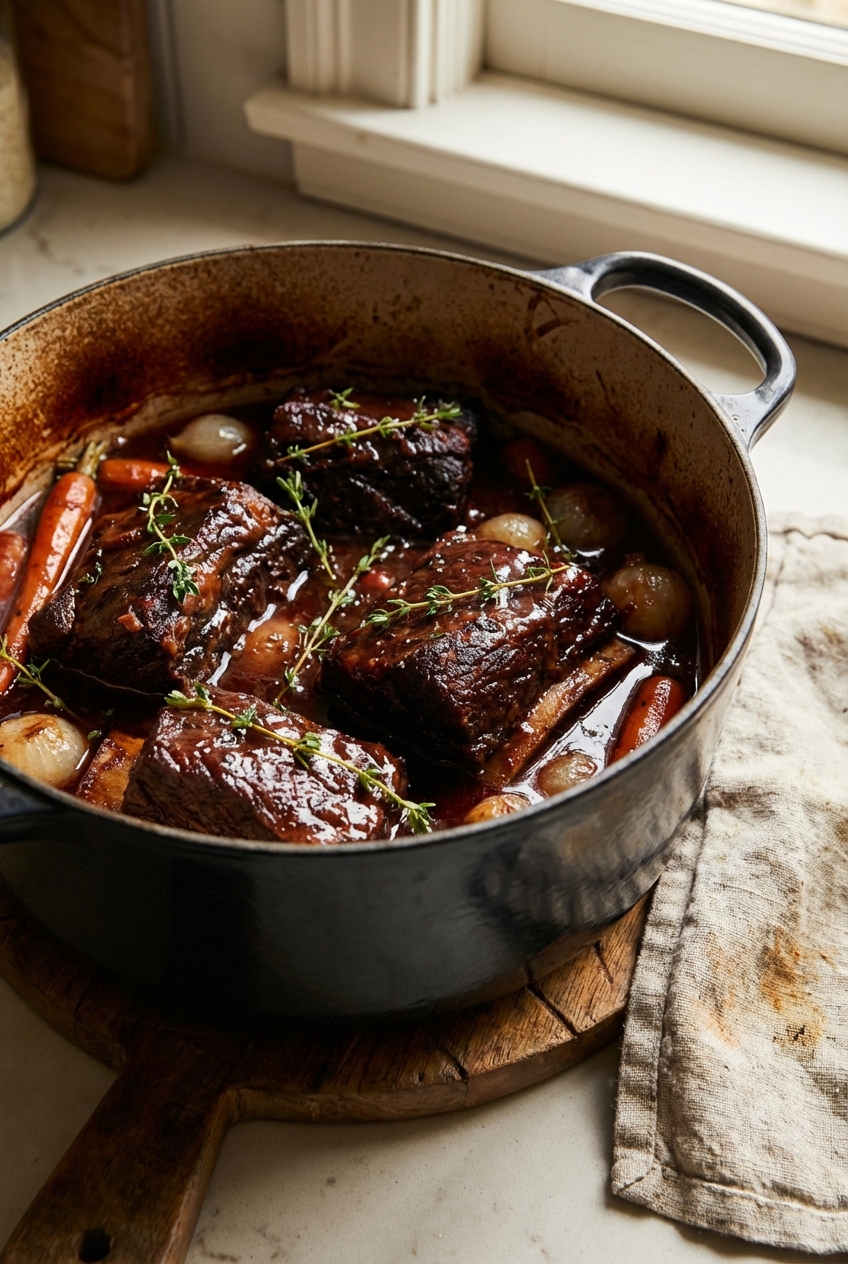
Bone-in beef short ribs in a Dutch oven with glossy dark gravy and herbs, served with mashed potatoes on a wooden table

If you have ever ordered short ribs at a restaurant and thought, “How is this so tender and still packed with flavor,” this is that energy, but in sweatpants. We are going low and slow with a simple braise that does the heavy lifting while you do literally anything else.

This version keeps the ingredients approachable and the instructions clear. The big moves are: season aggressively, sear for color, and braise until the meat gives up. The payoff is fork-tender short ribs and a sauce that tastes like you babysat it all day, even though the oven did most of the work.

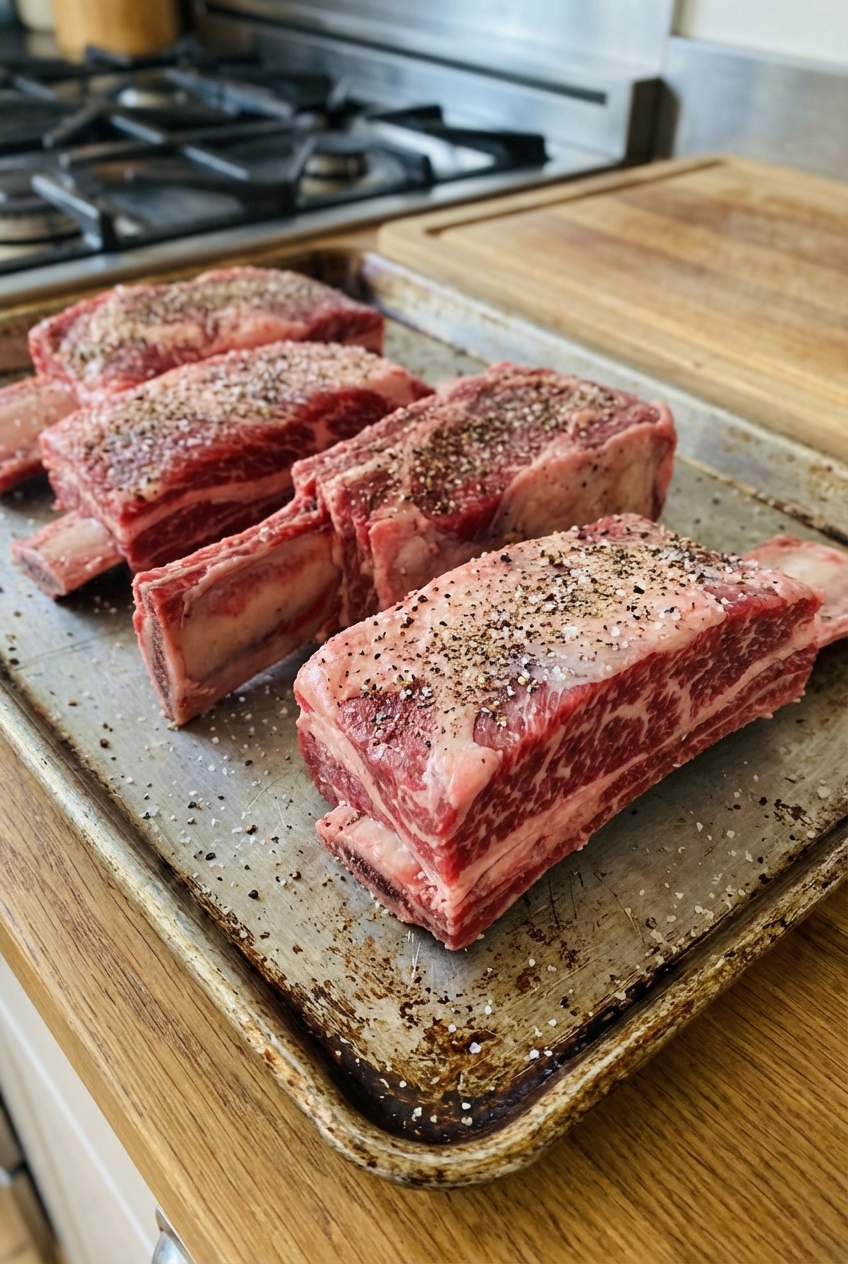
Raw bone-in beef short ribs seasoned with salt and pepper on a sheet pan

Why It Works

  • True fall-apart texture: Collagen-rich short ribs turn silky when braised long enough, making the meat tender without drying out.
  • Deep, savory sauce: Searing builds browned bits, then wine and broth dissolve them into a glossy, spoon-coating gravy.
  • No fancy techniques: One pot, a handful of pantry staples, and the oven does the slow work.
  • Make-ahead friendly: Short ribs actually taste better the next day after the sauce settles and the flavors get cozy.

Pairs Well With

Storage Tips

Refrigerate: Cool ribs in the sauce, then store in an airtight container for up to 4 days. Keeping the meat submerged helps it stay juicy.

Freeze: Freeze ribs with sauce in freezer-safe containers for up to 3 months. Thaw overnight in the fridge.

Reheat (best method): Warm gently in a covered pot or Dutch oven over low heat, adding a splash of broth if the sauce is thick. You want a slow simmer, not a rolling boil.

Bonus trick: If you chill the dish overnight, you can lift off the solidified fat cap in the morning for a cleaner sauce without losing flavor.

Common Questions

How do I make sure short ribs are tender?

Tender short ribs are about time and temperature, not force. Keep the oven around 300°F and braise until the meat yields easily when poked with a fork, usually 2 1/2 to 3 1/2 hours, but it can take 4+ hours if the ribs are especially thick or your oven runs cool. A great doneness cue: a fork should twist in the meat with almost no resistance, and the meat should pull back from the bone.

If they are tough, they usually just need more time. If they are dry and shreddy, the heat may have been too high or they may have cooked past the sweet spot. Keep it at a gentle simmer in the pot and a steady 300°F in the oven.

Do I have to use red wine?

No. You can swap the wine for more beef broth plus 1 tablespoon balsamic vinegar or red wine vinegar for acidity. The flavor will be slightly different, but still delicious.

What cut of short ribs should I buy?

Look for English-cut short ribs (thick, individual bone-in pieces). They are ideal for braising. Flanken-cut ribs (thin strips cut across the bones) cook faster and are better for grilling or quick braises, so timing will be very different.

Bone-in or boneless short ribs?

Either works. Bone-in usually brings a little more flavor and stays juicy, but boneless is easier to serve. If boneless, start checking tenderness a bit earlier.

Why is my sauce greasy?

Short ribs render a lot of fat. Skim the surface with a spoon, or chill overnight and remove the hardened fat. Also, do not skip the step where you drain off excess fat after searing.

Can I do this in a slow cooker or Instant Pot?

Yes, with a small tradeoff in sauce depth unless you still sear first. For slow cooker: sear, build the braise, then cook 8 hours on low. For Instant Pot: sear on sauté, pressure cook 35 to 55 minutes depending on rib size, then natural release 15 minutes. Check tenderness and add a few more minutes if needed. Reduce the sauce on sauté afterward to thicken.

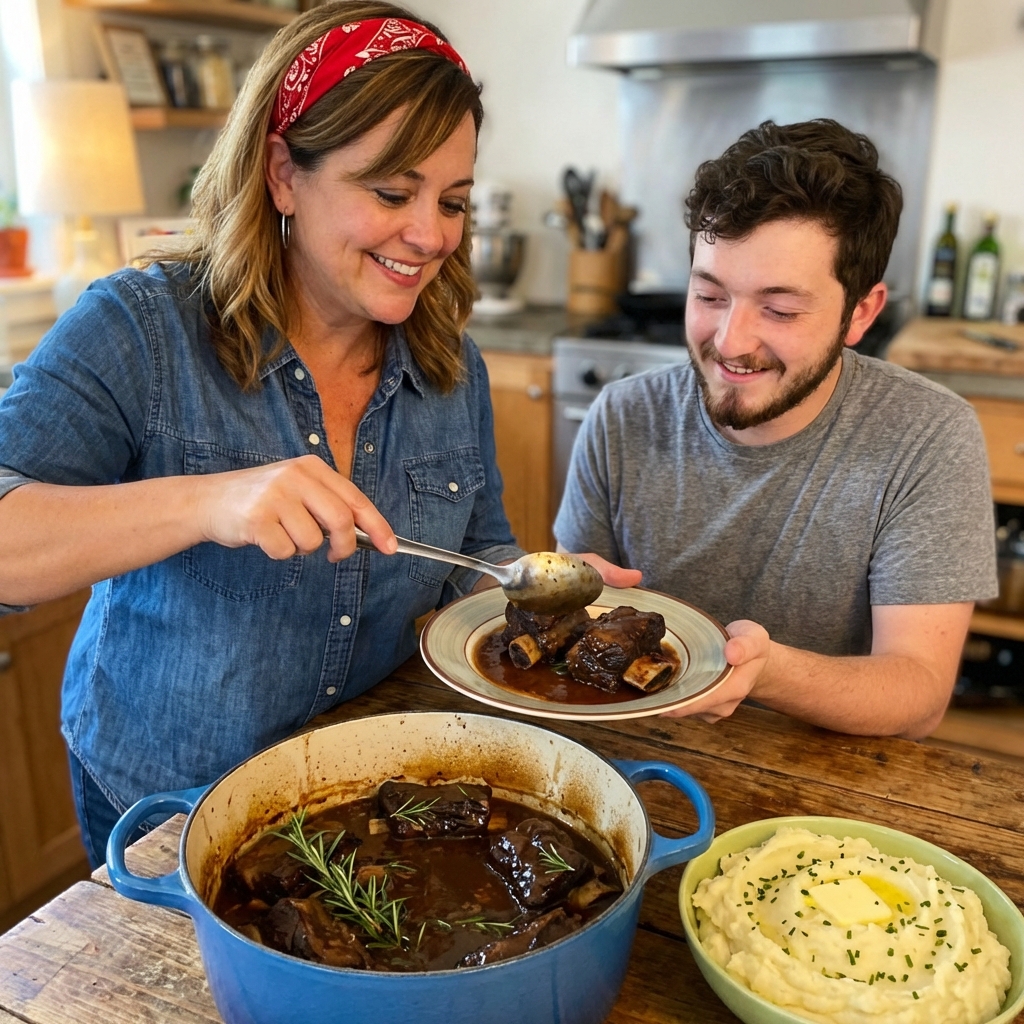
The first time I tried to make short ribs, I treated them like a steak. I cooked them “until done,” sliced in, and got meat that fought back like it had something to prove. That was the day I learned the most important short rib truth: tough usually means keep going. Now I lean into the braise, let the kitchen smell like onions and wine for a few hours, and end up with the kind of dinner that makes everyone hover near the stove “just to check on it.”