Mom's Best Recipes
Recipe

Tender Oven-Baked Asparagus

A simple, foolproof method for asparagus that comes out tender with lightly crisp tips, plus a lemony finish that makes it taste like you tried harder than you did.

Author By Matt Campbell
4.9/5 (246)
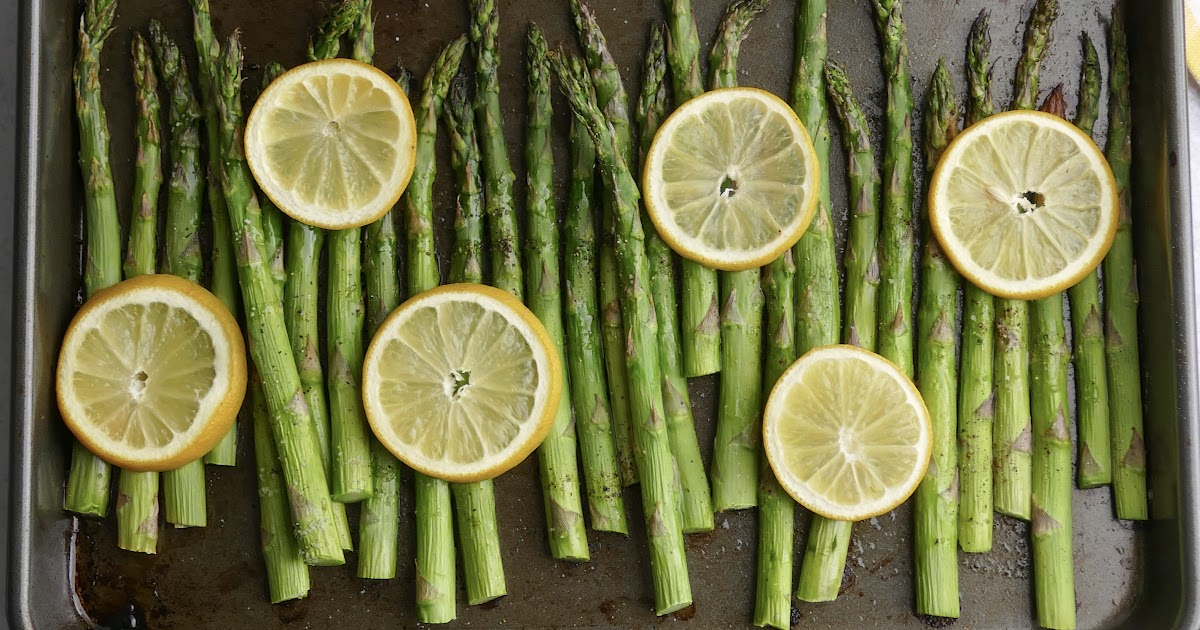
A baking sheet of roasted asparagus spears with browned tips and lemon wedges on the side

Asparagus has two moods: perfectly tender or mysteriously squeaky. This oven-baked method is the one I trust on real weeknights when I want a vegetable that acts like it has its life together.

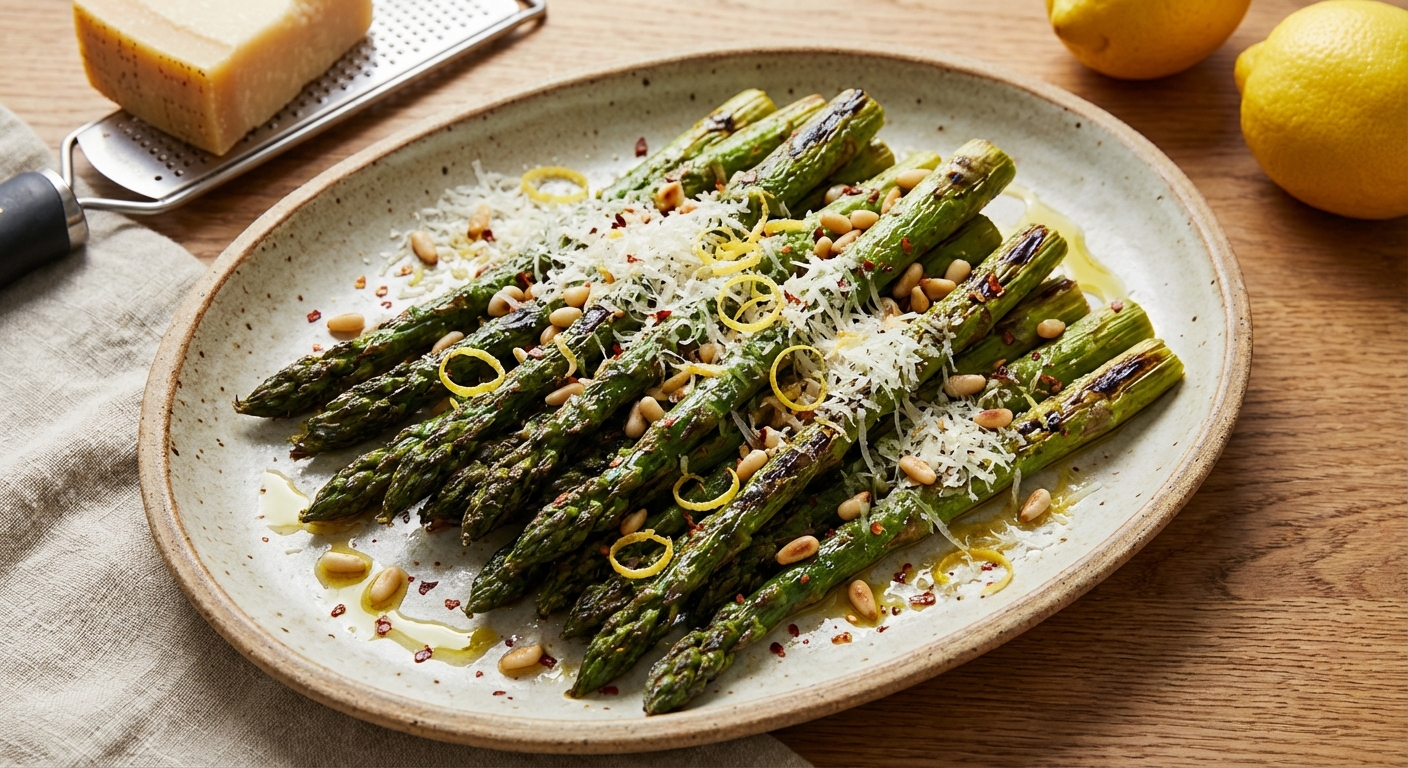
We keep it simple: hot oven, a little olive oil, salt, and a quick finish of lemon and Parmesan (optional, but honestly, why deny yourself). The goal is asparagus that is tender through the stalk with tips that get just crisp enough to feel fancy.
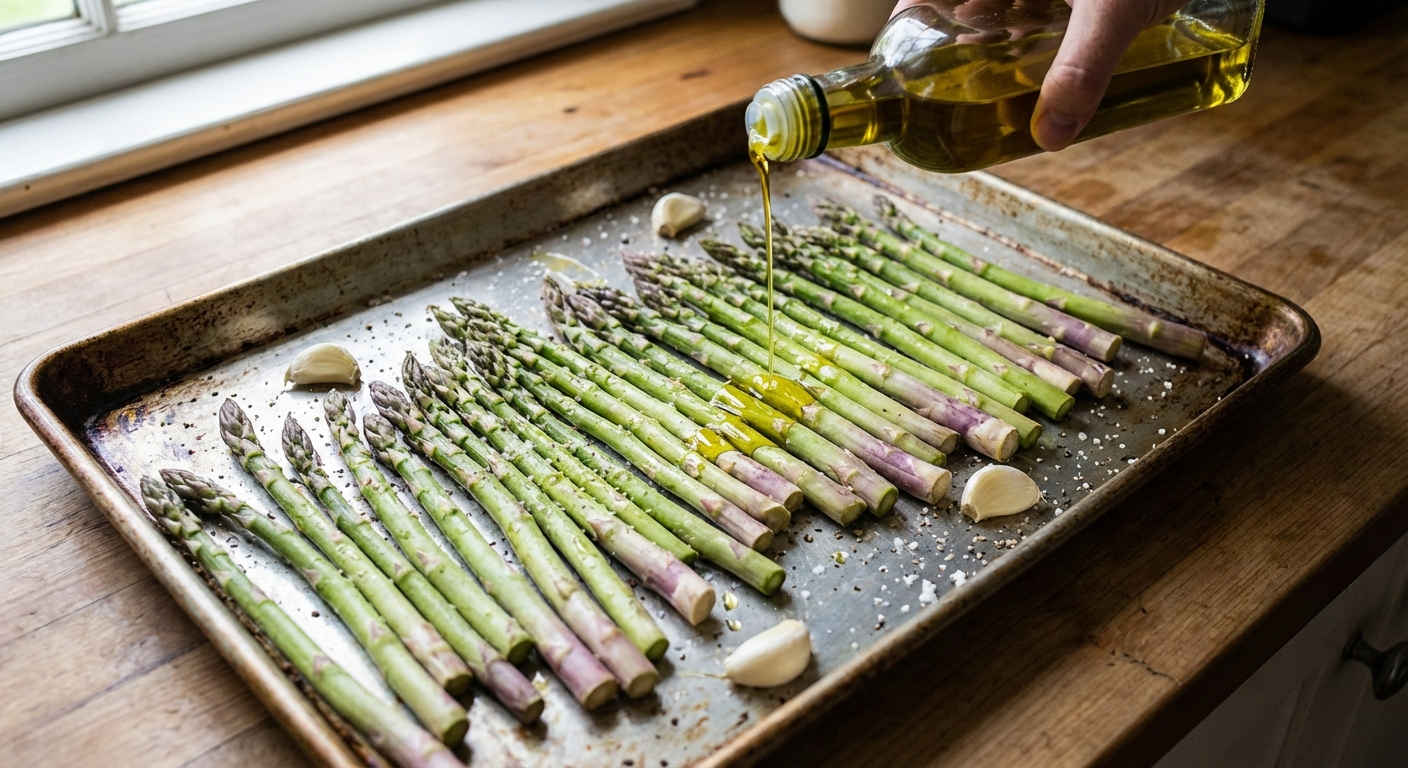
Fresh asparagus spears spread on a sheet pan being drizzled with olive oil

Why It Works

  • Tender, not mushy: A hotter oven cooks fast so the inside turns silky without collapsing into sadness.
  • Crisp-tipped drama: Spreading the spears out lets the tips toast instead of steam.
  • Big flavor, small effort: Lemon zest or juice at the end wakes everything up. Garlic and Parmesan are optional upgrades, not requirements.
  • Works with thick or thin spears: You just adjust the time by a few minutes, no complicated math.

Storage Tips

Leftover asparagus is not a tragedy. It is an opportunity to become the person who puts vegetables in their breakfast like a responsible adult.

Refrigerate

  • Cool completely, then store in an airtight container for 3 to 4 days.
  • If you want to keep the tips from getting too soft, lay a paper towel in the container to absorb moisture.

Reheat

  • Oven or toaster oven: 400°F for 4 to 6 minutes on a sheet pan until warmed and the tips perk back up.
  • Skillet: Medium heat with a tiny splash of oil, 2 to 4 minutes, rolling the spears occasionally.
  • Microwave: Works, but keep it short, 20 to 40 seconds, or it can go limp fast.

Use leftovers

  • Chop into omelets, frittatas, or scrambled eggs.
  • Toss into pasta with lemon, garlic, and a knob of butter.
  • Layer onto toast with ricotta and black pepper.

Freezing?

You can freeze roasted asparagus, but it softens a lot when thawed. If you do it, freeze on a tray first, then bag it. Best used later in soups, casseroles, or pasta.

Common Questions

Do I need to peel asparagus?

Usually no. If the spears are very thick and the lower stalk feels tough, you can peel the bottom 2 to 3 inches with a vegetable peeler. For most grocery store bunches, trimming is enough.

How do I trim asparagus without overthinking it?

Grab one spear and bend it near the bottom. It will naturally snap where the tough part ends. Use that as your guide and cut the rest of the bunch to match. No need for an asparagus support group.

What oven temperature is best?

425°F is the sweet spot for tender centers and lightly crisp tips. If your oven runs hot, 400°F works too, just add a minute or two.

Why is my asparagus soggy?

  • Too crowded on the pan, so it steamed.
  • Oven not fully preheated.
  • Cooked too long, especially thin spears.

Fix: spread out, preheat well, and start checking early.

Can I add garlic without burning it?

Yes. For the safest route, add minced garlic in the last 3 to 4 minutes of roasting, or use garlic powder from the start. Burned garlic is bitter and will not be taking questions.

How do I know it is done?

The thickest part should be easily pierced with a fork, and the tips should look slightly crisp. If you taste a piece and it squeaks, give it another 1 to 2 minutes.

I started making asparagus this way after one too many “healthy side dishes” that tasted like obligation. Now it is my default: toss, roast, finish with lemon, and suddenly dinner feels like it has a plan. It is also the vegetable I make when people come over because it looks impressive on a platter, even though it took me less time than choosing a streaming show.