Skip store-bought and make Homemade Teriyaki Sauce with pantry staples. Sweet, savory, and perfectly glossy—ideal for marinades, stir-fries, and easy weekn...
Teriyaki salmon is one of those meals that feels like you tried, even when you did not. You get crisp edges, buttery flakes, and a sticky, sweet-salty glaze that clings to the fish like it has a crush on it.
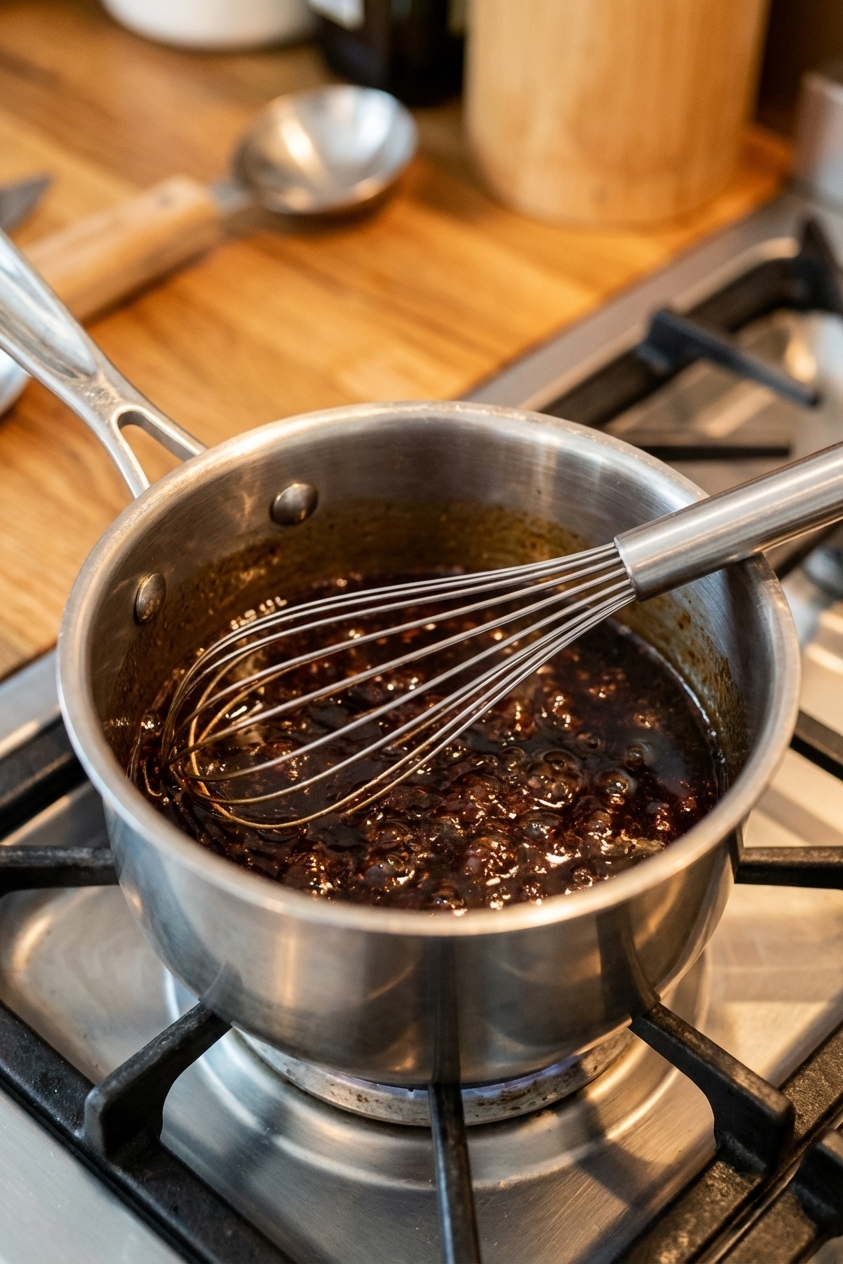
This version starts with a classic-style teriyaki base (soy sauce, mirin, sake, sugar), then adds fresh ginger and garlic for cozy, restaurant-style depth. Not traditional in the strictest sense, but extremely good. No bottled sauce needed. Also, no weird ingredients you will use once and then forget behind the cinnamon.
We are going to sear the salmon first (because texture matters), then reduce the sauce until it turns glossy and spoonable. The whole thing is fast, forgiving, and extremely good over rice. If you want a little tang, finish with a squeeze of lemon.