Why did my cheese sauce turn grainy?
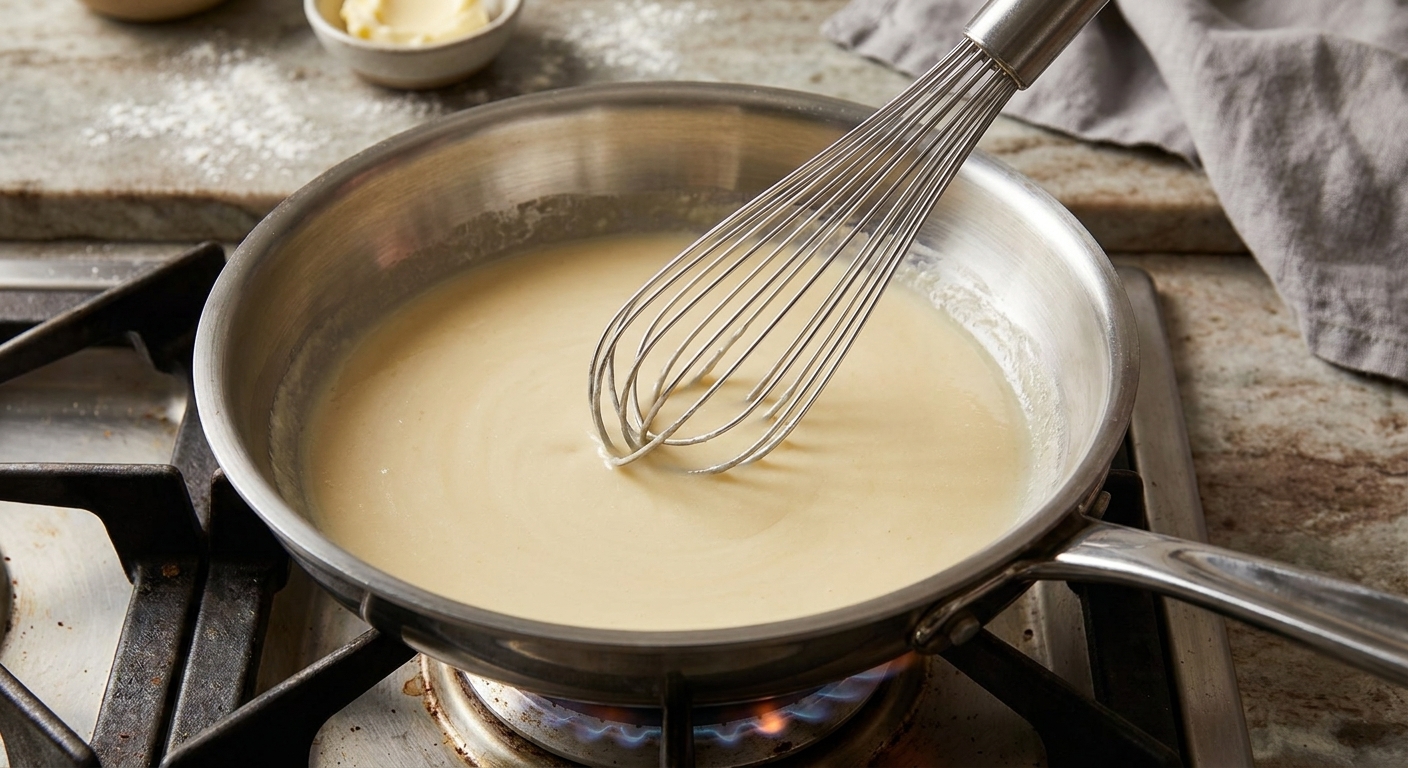
Most of the time it is heat. If the sauce is boiling when the cheese goes in, the proteins tighten and you get that gritty texture. Pull the pot off the heat, let the bubbling calm down, then add cheese gradually while stirring.
Other common culprits: using very aged cheeses (they can break more easily), reducing the base too much before adding cheese, or dumping all the cheese in at once. Also, avoid pre-shredded cheese if you can because anti-caking agents can mess with smooth melting.
What cheeses work best for this style of mac and cheese?
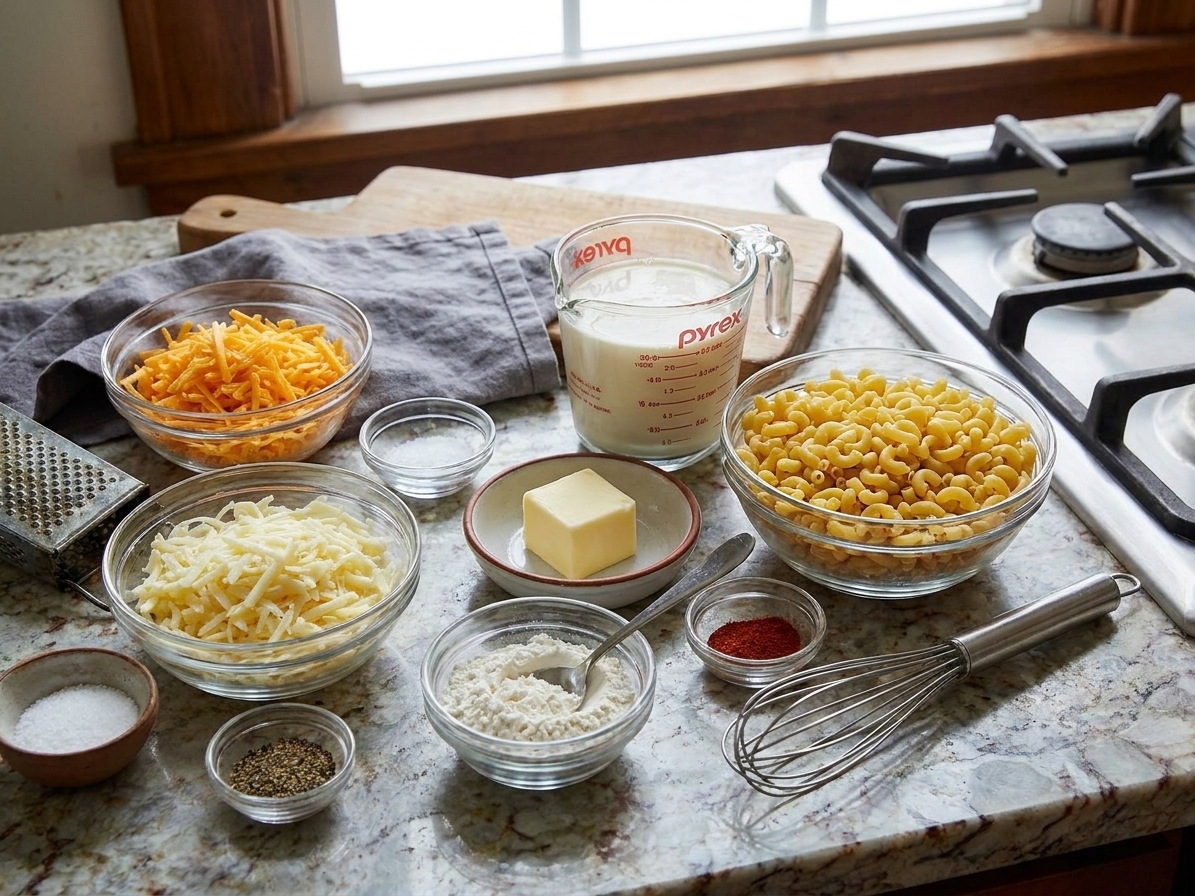
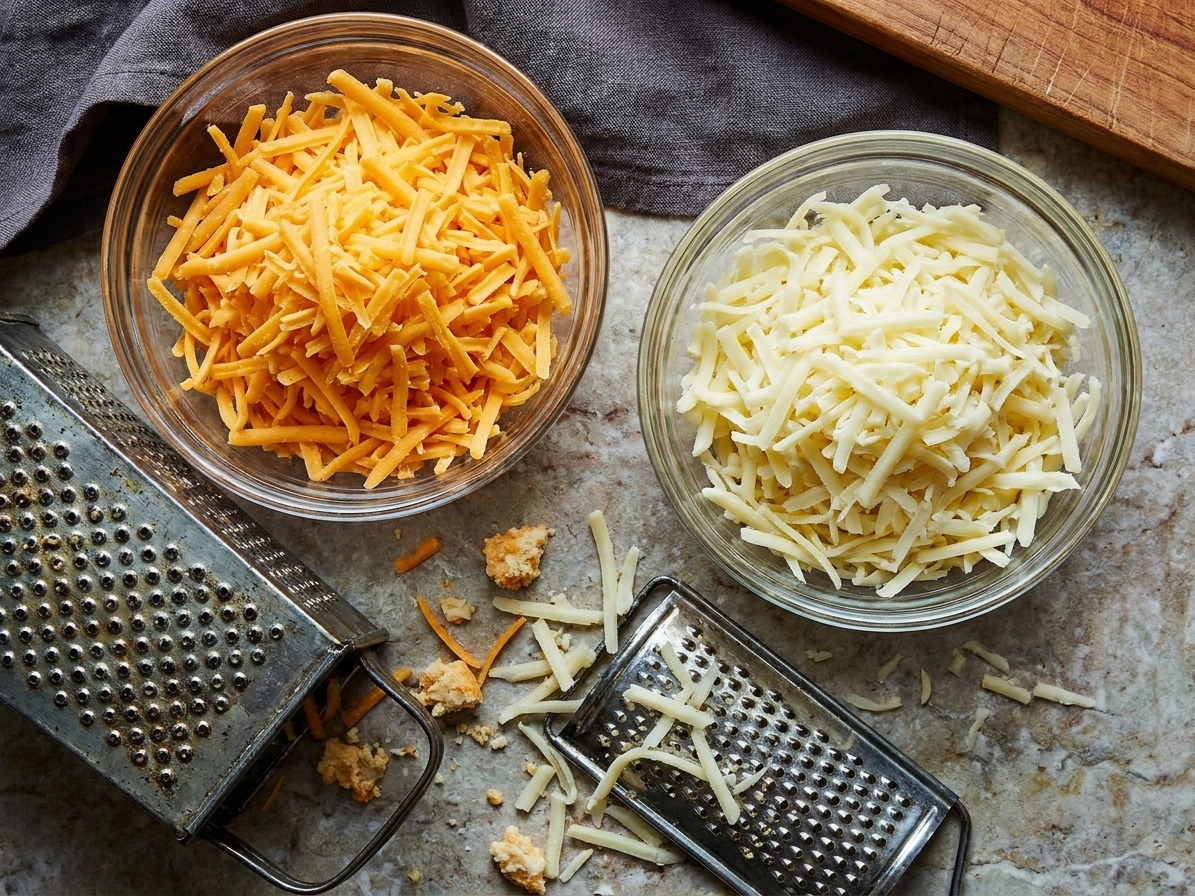
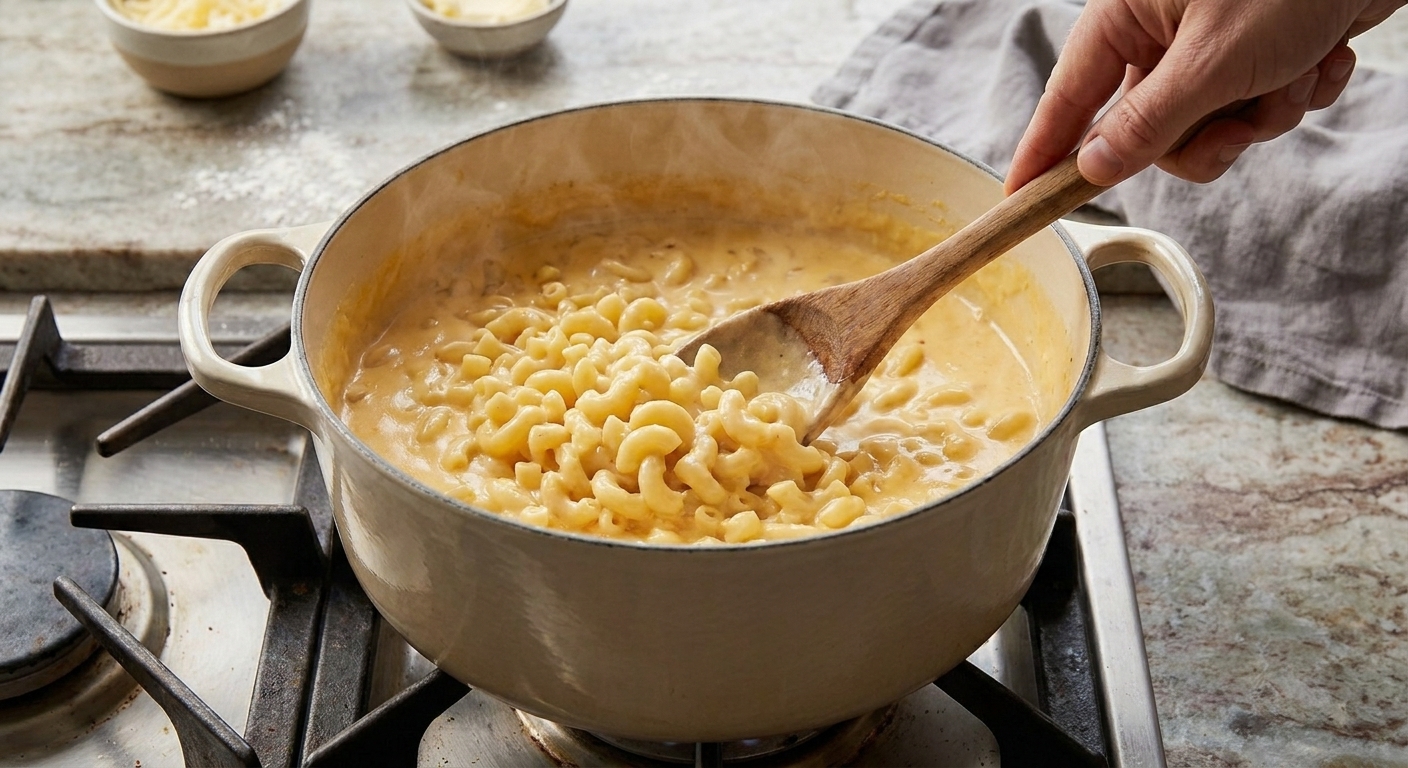
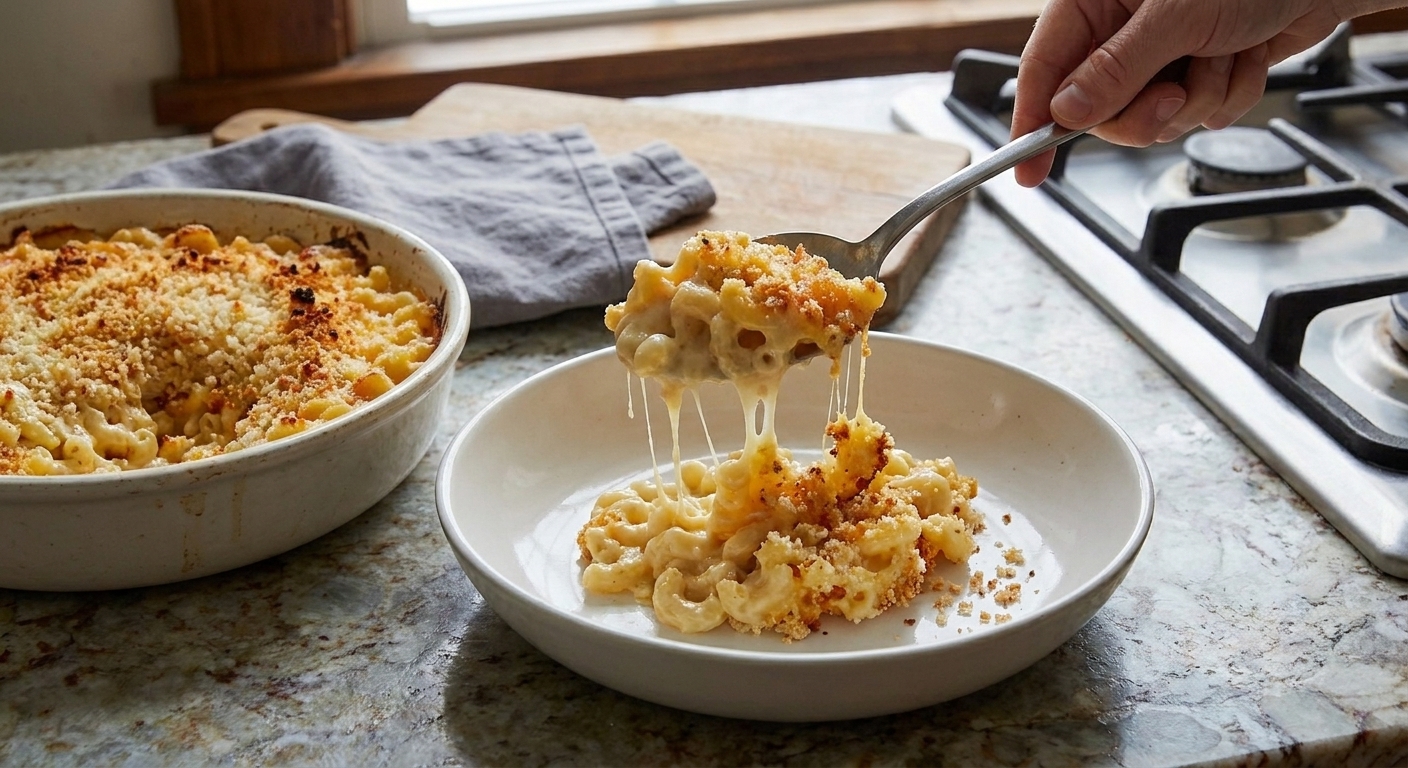
I like sharp cheddar for flavor, plus a great melter like Monterey Jack (my go-to) or mozzarella for extra cheese pull. A little cream cheese helps keep everything smooth. If you want extra depth, swap some cheddar for smoked cheddar or add a small handful of parmesan.
Can I bake it?
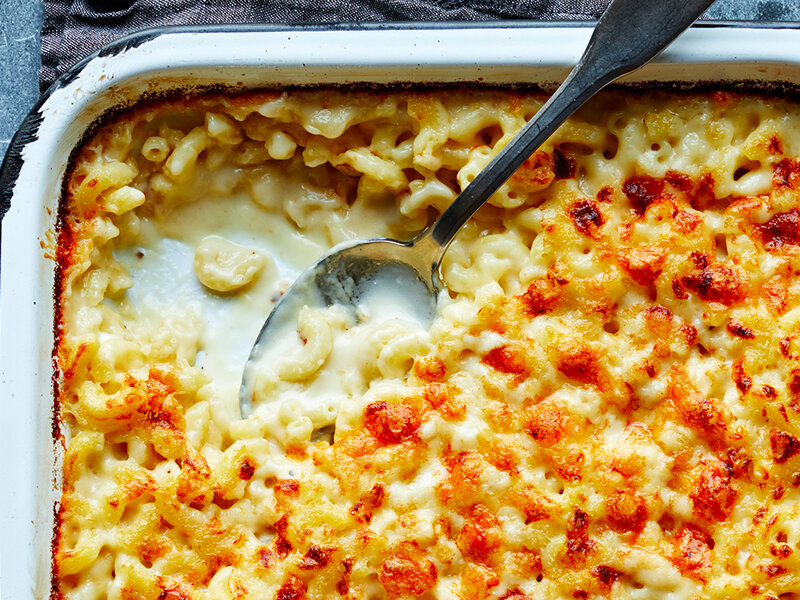
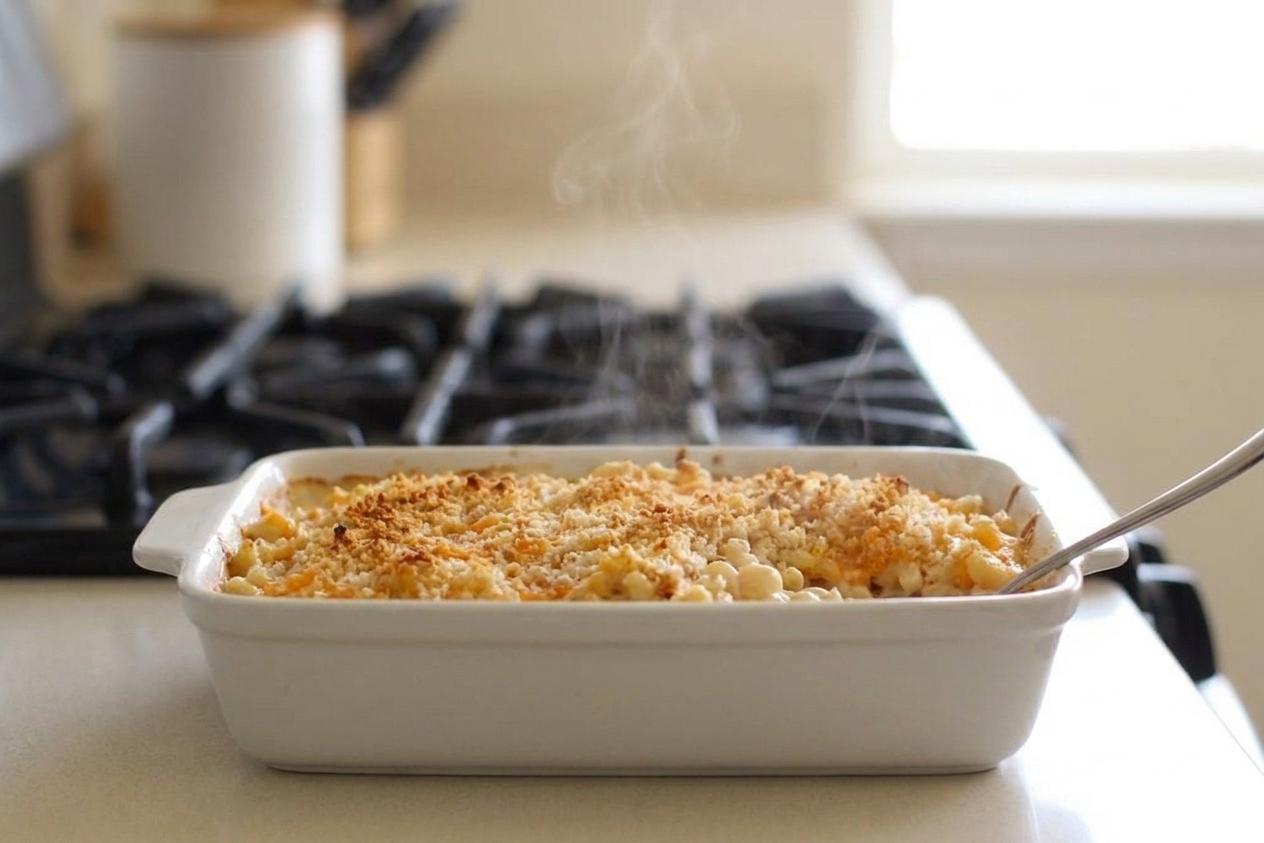
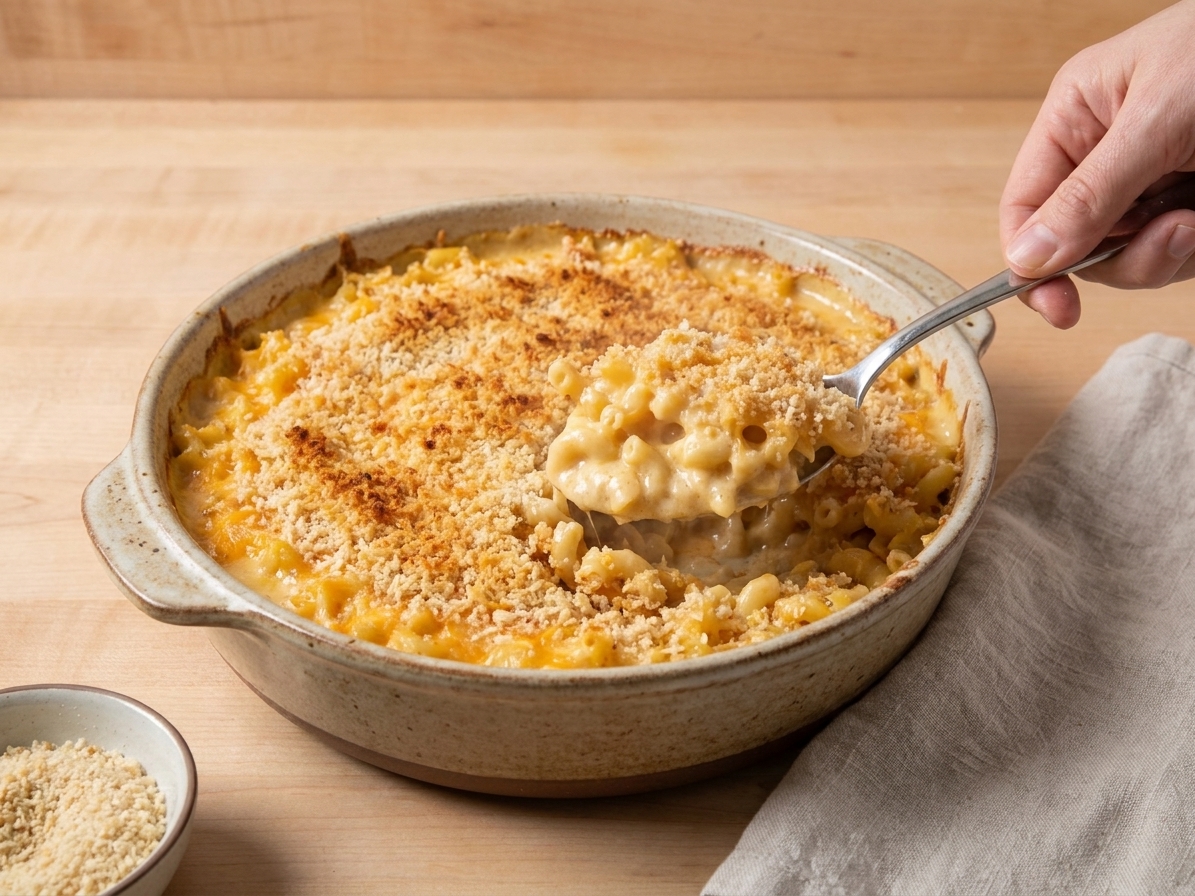
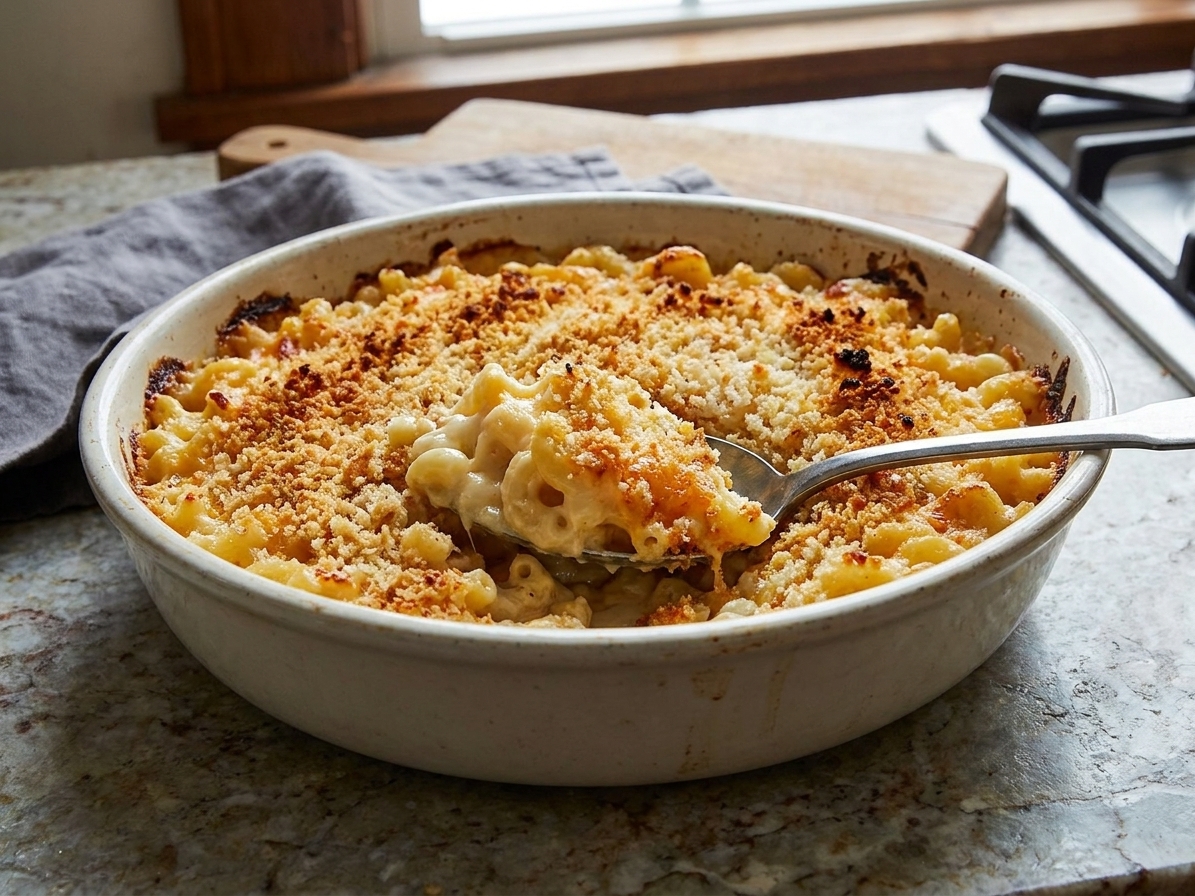
Yes. If you love a crisp top, bake at 375°F for 15 to 20 minutes, then broil for 1 to 2 minutes if you want more color. Keep an eye on it so the top does not go from golden to tragic.
How do I keep it creamy for a party?
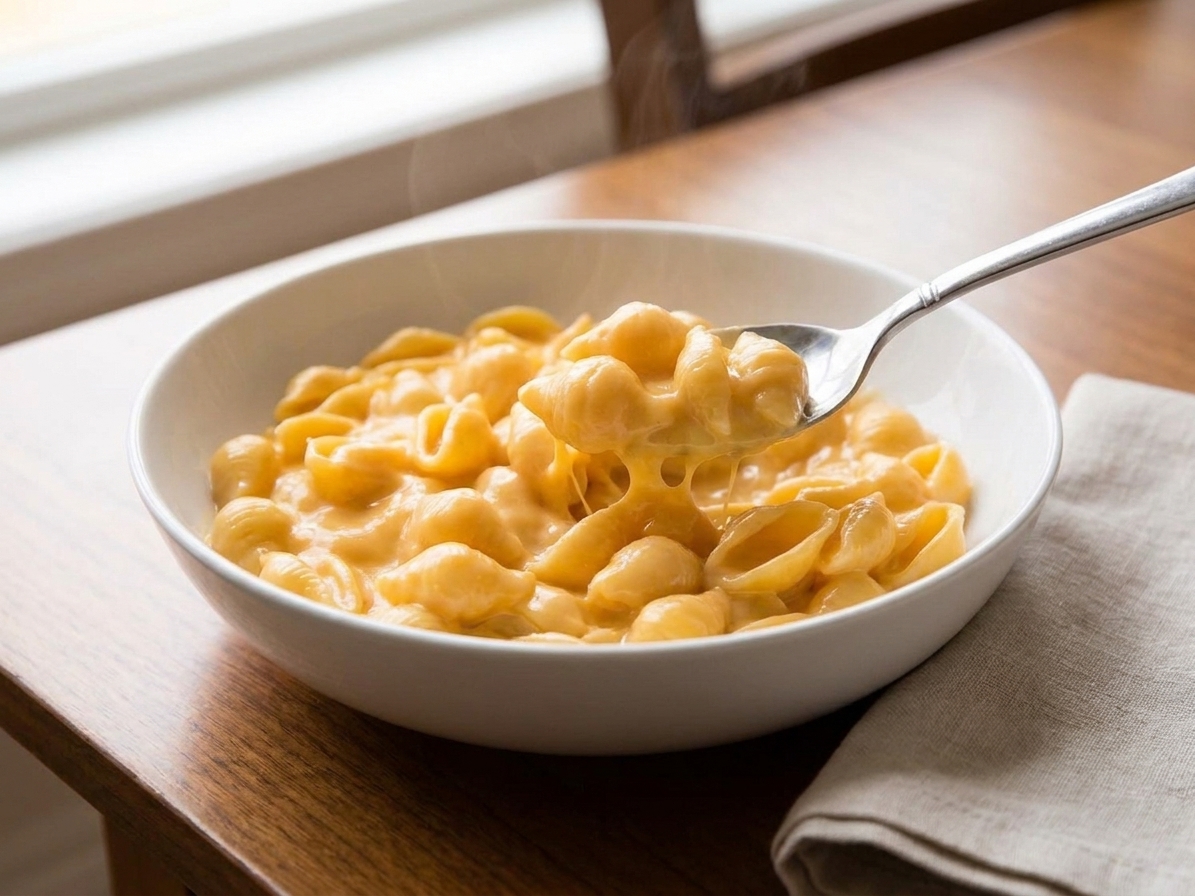
Undercook the pasta by 1 minute, keep the heat gentle, and add a little warm milk if it tightens up. If using a slow cooker, keep it on warm and stir occasionally with an extra splash of milk as needed.
Can I make it ahead?
Yes. You can fully cook it, cool, and refrigerate. Reheat with milk on the stove or covered in the oven at 350°F until hot.
If you want the baked version later, assemble it in the baking dish, cover, and refrigerate up to 24 hours. Bake covered at 375°F for about 20 minutes, then uncover and bake 10 to 15 minutes more until bubbly. Add the topping near the end so it stays crisp. The milk is the secret handshake for bringing the sauce back.
Should I rinse the pasta?
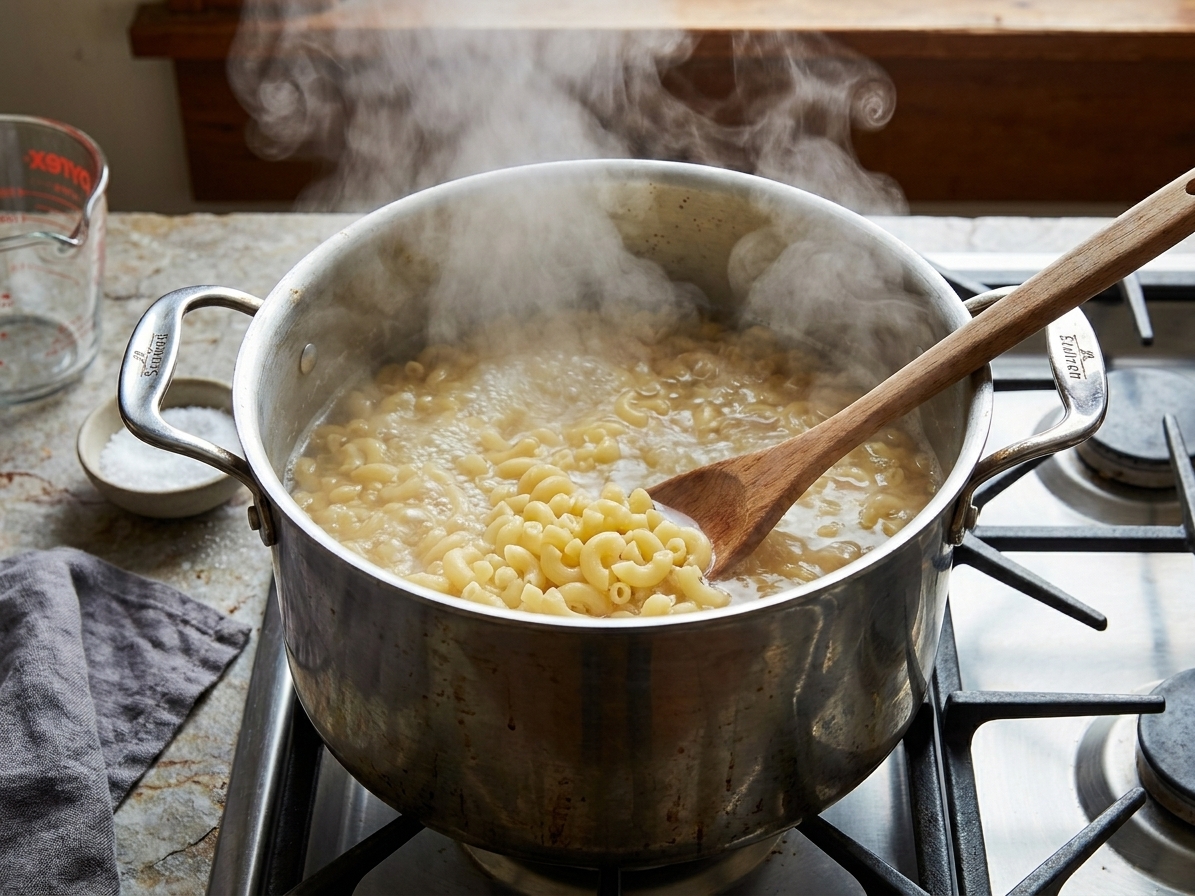
No. That little bit of starch helps the sauce cling to the noodles like it has a job to do.