Do I have to use raw eggs?
Traditional tiramisu often uses raw eggs. For a safer option, use pasteurized eggs if you can find them. If you are pregnant, serving young kids, older adults, or anyone who is immunocompromised, pasteurized eggs are the smart call (or choose an egg-free version).
Egg-free note: You can make an egg-free, tiramisu-inspired icebox dessert by skipping the eggs and folding extra whipped cream into the mascarpone. It will be lighter and a bit less structured than classic tiramisu unless you add a stabilizer (like a small amount of gelatin). Still delicious, just different.
Can I make tiramisu without alcohol?
Absolutely. Just leave it out. The coffee flavor still shines.
What if I do not have an espresso machine?
No problem. Use very strong brewed coffee, or mix instant espresso powder with hot water. The key is concentrated coffee so the dessert does not taste watered down.
Why is my tiramisu runny?
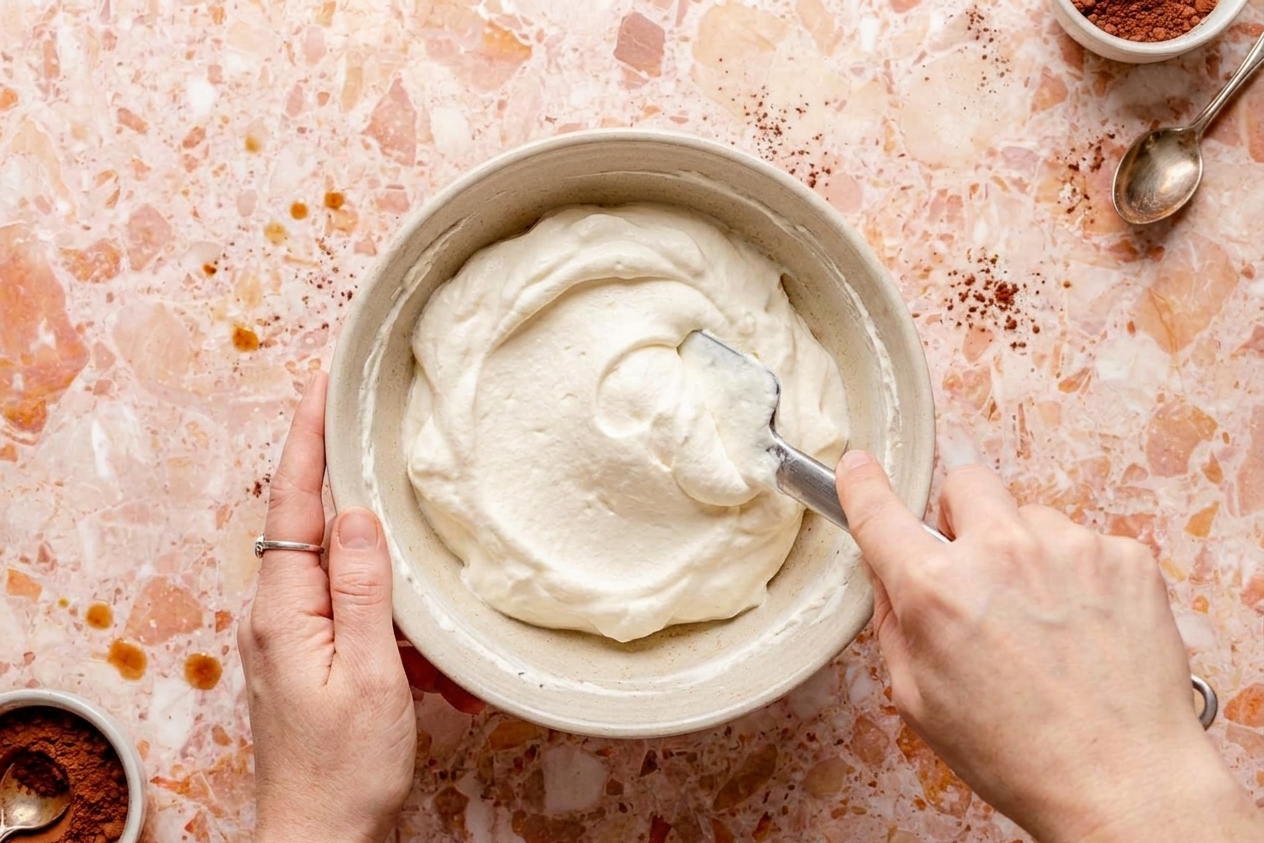
Usually it is one of these: the ladyfingers were soaked too long, the coffee was still warm, the cream was overmixed, or it did not chill long enough. Quick fix: chill longer. Next time, let the coffee cool completely, do quick dips, and stop mixing as soon as the cream is smooth and fluffy.
Can I make it the same day?
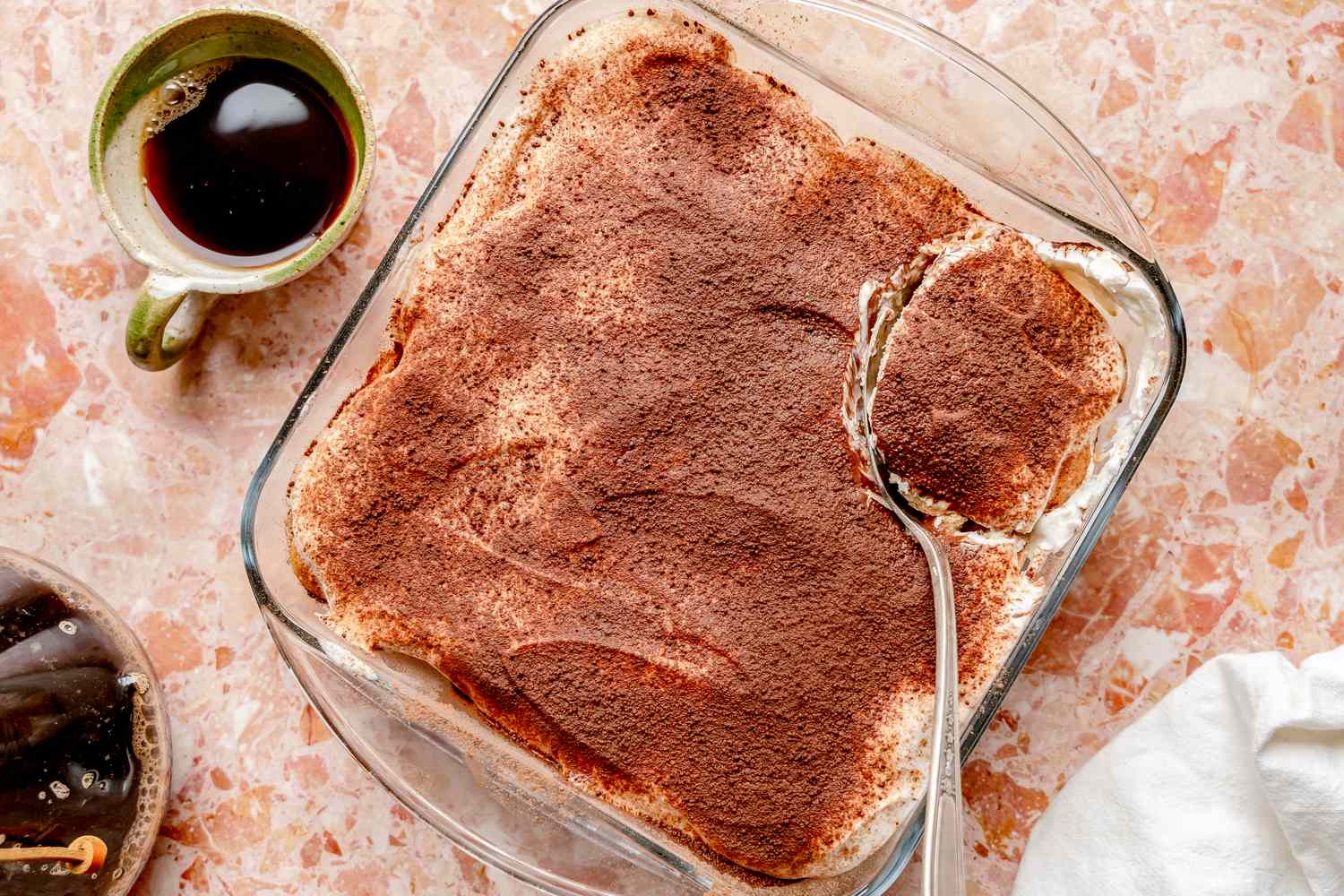
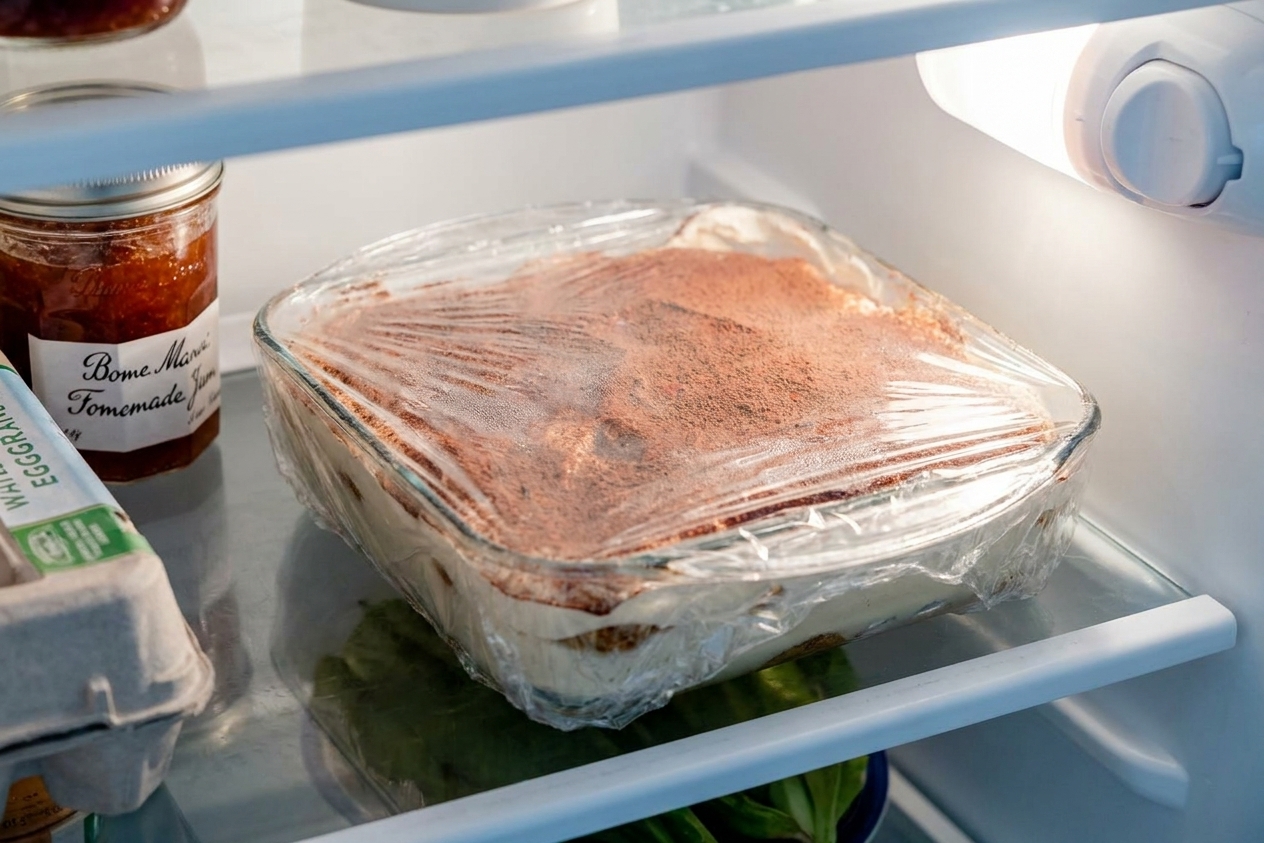
You can, but it is at its best after 8 to 12 hours in the fridge. If you are in a hurry, give it at least 4 hours so the layers set.
Savoiardi vs soft ladyfingers: does it matter?
Yes. Crisp savoiardi can handle a quick dip and soften beautifully as they chill. Softer, cake-style ladyfingers soak fast, so literally do a tap-dip and keep the coffee extra cool, or they can turn mushy.