
Mom's Best Recipes
Recipe

Traditional Mochi (Spiced)

Soft, chewy mochi with warm spices and a lightly sweet finish, made the approachable way with sweet rice flour and a short, two-stage steam.

Author By Matt Campbell
4.8
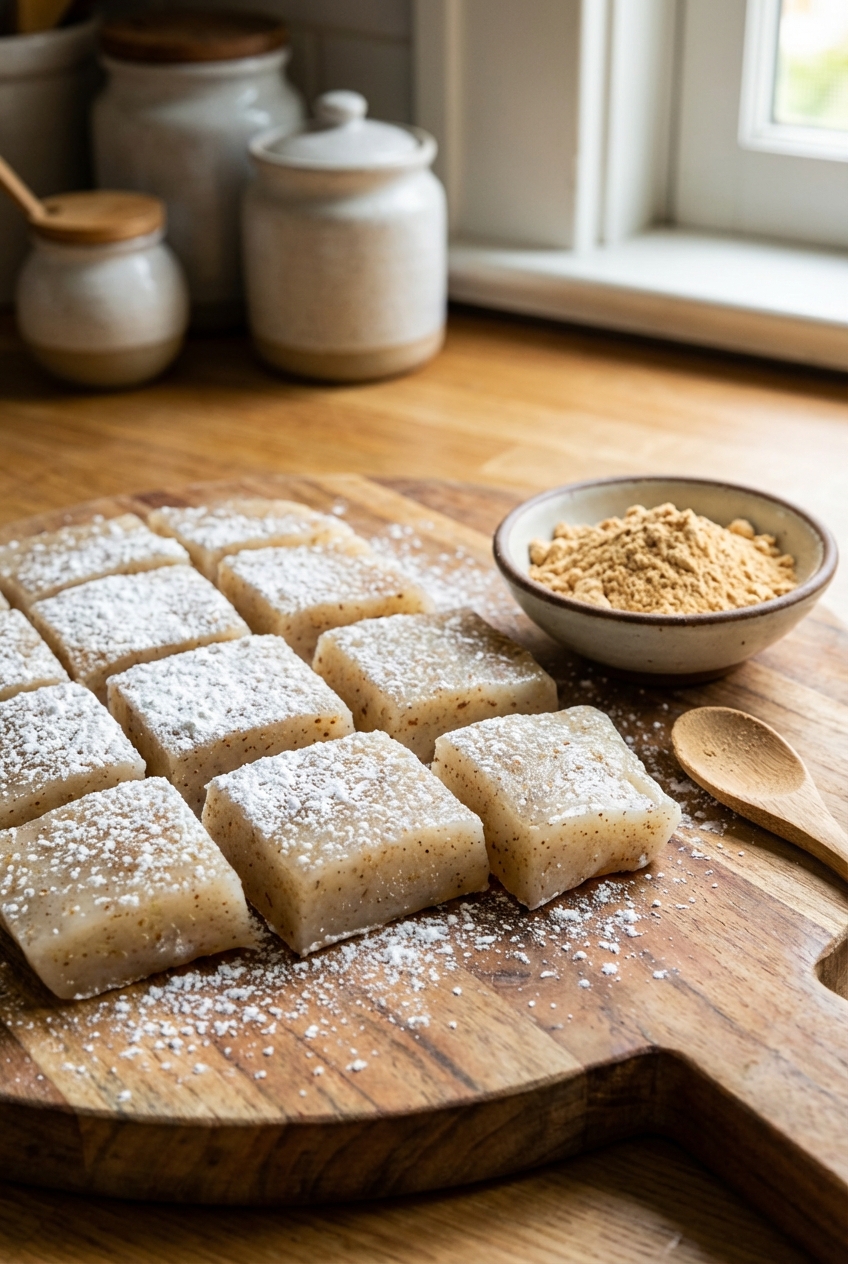
Freshly cut squares of spiced mochi dusted with starch on a wooden board with a small bowl of kinako nearby

Mochi is one of those foods that looks like it should be fussy, but the truth is: once you learn what the dough is supposed to feel like, you are basically unstoppable. This version keeps the chewy, bouncy texture you want from traditional mochi, then nudges it into cozy territory with a gentle blend of warming spices. Think cinnamon-meets-ginger vibes, but still clearly mochi, not a cookie.

A quick note for purists and curious cooks: classic mochi is made by pounding cooked sweet rice. Here, we are taking the flour-based shortcut with shiratamako or mochiko, which gets you that stretchy chew without the full mochi-pounding workout.

We are using shiratamako if you can find it (the classic for a smooth, elastic chew), but you can absolutely make this with mochiko or other sweet rice flour. The method is simple: whisk, steam, stir, steam again, then beat the dough until it turns glossy and stretchy.

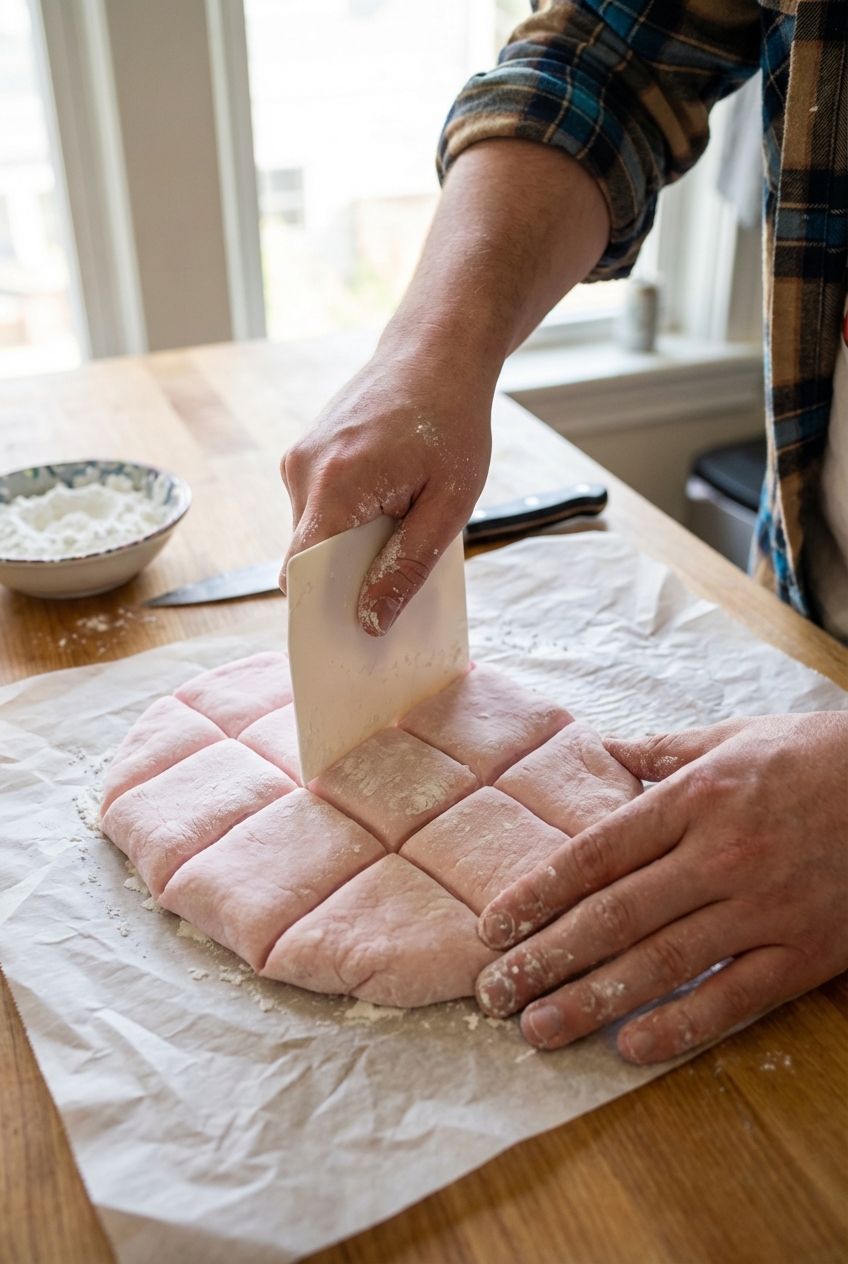
One note before we start: mochi is sticky and it does not apologize. Dust your hands, dust your board, and keep a little bowl of starch nearby like it is your kitchen sidekick.
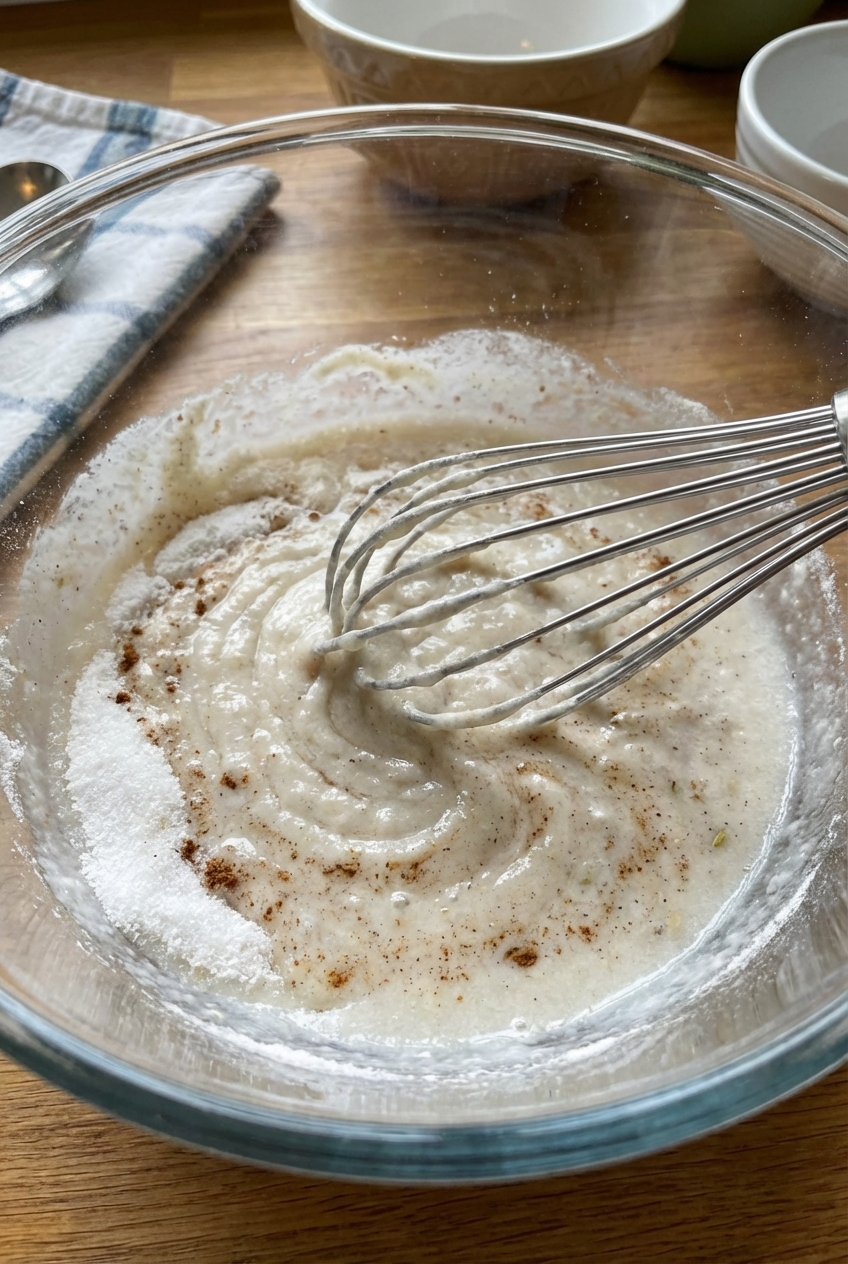

A close-up of a whisk mixing sweet rice flour, sugar, spices, and water in a glass bowl

Why It Works

  • Chewy, springy texture: Steaming in two rounds and beating the dough creates that signature elastic bite.
  • Warm, aromatic flavor: A small amount of spice goes a long way in mochi. You get fragrance without losing the clean rice sweetness.
  • No special equipment required: A steamer setup and a sturdy spoon are enough. A silicone spatula makes life easier, though.
  • Flexible serving options: Cut into squares, roll into balls, or wrap around a filling like red bean paste.

Pairs Well With

  • Hot green tea: Sencha or jasmine balances the sweetness and makes the spices pop.

  • Fresh fruit: Strawberries, sliced mango, or citrus segments keep things bright.

  • Toasted kinako dust: Nutty soybean flour is a classic mochi companion and tastes amazing with warm spices.

  • Black sesame drizzle: Stir black sesame paste with a little honey and warm water, then spoon over.

A small plate with two pieces of mochi beside a cup of green tea on a linen napkin

Storage Tips

Keep It Chewy

Mochi is best the day it is made, when it is soft, glossy, and has that perfect pull. After that, it firms up. Still tasty, just less plush.

Room temperature (best for same day)

  • Store in an airtight container for up to 1 day.
  • Dust pieces lightly with starch so they do not fuse into one mega-mochi.

Refrigerator (not ideal, but doable)

  • Refrigeration makes mochi firm faster. If you must, keep it airtight for up to 2 days.
  • To soften: microwave a piece for 8 to 15 seconds until just pliable.

Freezer (best for longer storage)

  • Freeze pieces on a parchment-lined tray until firm, then transfer to a freezer bag.
  • Freeze up to 1 month.
  • Thaw at room temp 20 to 30 minutes, or microwave in short bursts until soft.

Food safety tip: If you filled your mochi with fresh fruit or other high-moisture fillings, keep it refrigerated and plan to eat it the same day. Fruit can weep, soften the dough, and generally make things messier faster.

Common Questions

Common Questions

Is mochi the same as sweet rice?

Traditional mochi is made from glutinous rice (also called sweet rice) that is cooked and pounded until stretchy. This recipe uses sweet rice flour (shiratamako or mochiko) and steaming to get a very similar chewy, bouncy texture at home.

Gluten-free note: Sweet rice is naturally gluten-free, but if you need strict gluten-free, check labels for wheat cross-contact warnings. Some flours and starches are processed in shared facilities.

What is the best flour for mochi?

Shiratamako makes a smoother, more elastic mochi, and it dissolves into a very silky batter once the granules are fully broken up. Mochiko (sweet rice flour) also works and is easier to find. Mochiko benefits from sifting and a short rest to hydrate.

Why do I have lumps in my mochi?

Usually it is under-whisking or dry pockets of flour. For mochiko, sift first. For shiratamako, whisk it into the water until the granules dissolve before adding anything else. If lumps happen during cooking, keep stirring and pressing them against the bowl with a spatula. They often smooth out as the starch fully gelatinizes.

Why is my mochi rubbery, tough, or dry?

Most often it is one of these: too little water, drying out from over-steaming or uncovered steaming, or staling from chilling and time (mochi firms up as it sits). Keep the bowl well covered, steam just until translucent with no opaque white streaks, and if the batter seems thick before steaming, add a splash more water.

Can I make this in the microwave instead of steaming?

Yes. Microwave it in a large, microwave-safe bowl (it will expand). Whisk the mixture first, then microwave 1 minute, stir well, microwave 1 minute, stir, then microwave in 30 second bursts until glossy and mostly translucent (usually 3 to 4 minutes total depending on wattage). Beat for 1 to 2 minutes after it is cooked, same as the steaming method.

What spices work best?

Cinnamon and ginger are the crowd-pleasers. Cardamom reads a little more floral. Five-spice is bold and fun, but use it lightly so it does not dominate the rice flavor.

Any safety notes?

Mochi is delicious, but it can be a choking hazard, especially for small children and older adults. Serve in small pieces and encourage slow, careful bites.

The first time I made mochi at home, I thought, “How sticky can it be?” Then I spent five minutes wearing half the batch like a glove. Lesson learned. Now I keep a little bowl of starch next to me like it is salt and pepper, and I lean into the chaos. This spiced version is the one I make when I want mochi to feel a little more seasonal and cozy, the kind of treat you cut into squares, share with whoever is nearby, and keep sneaking back to the kitchen for “one more piece.”