Mom's Best Recipes
Recipe

Turkey Rub Seasoning

A balanced dry rub for turkey that builds flavor fast and helps you get crisp, golden skin with juicy meat.

Author By Matt Campbell
4.8
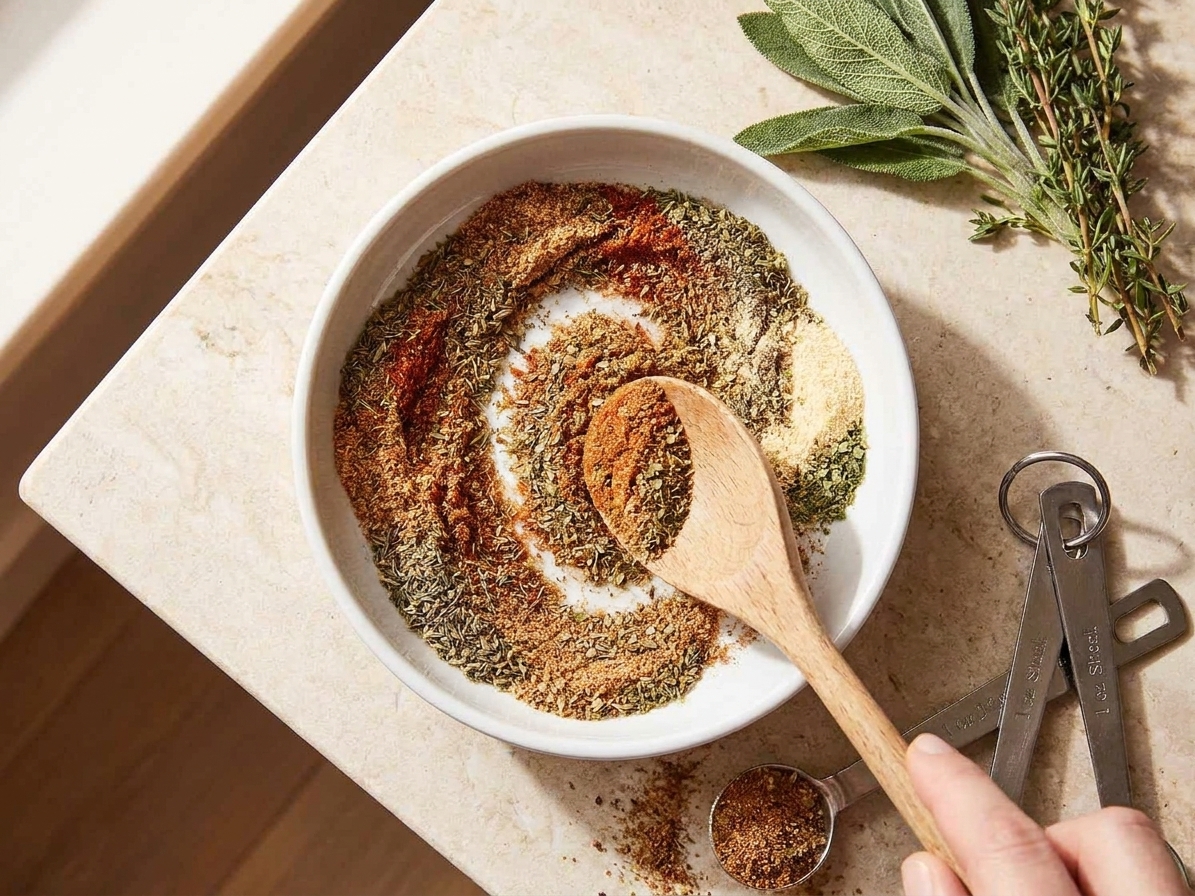
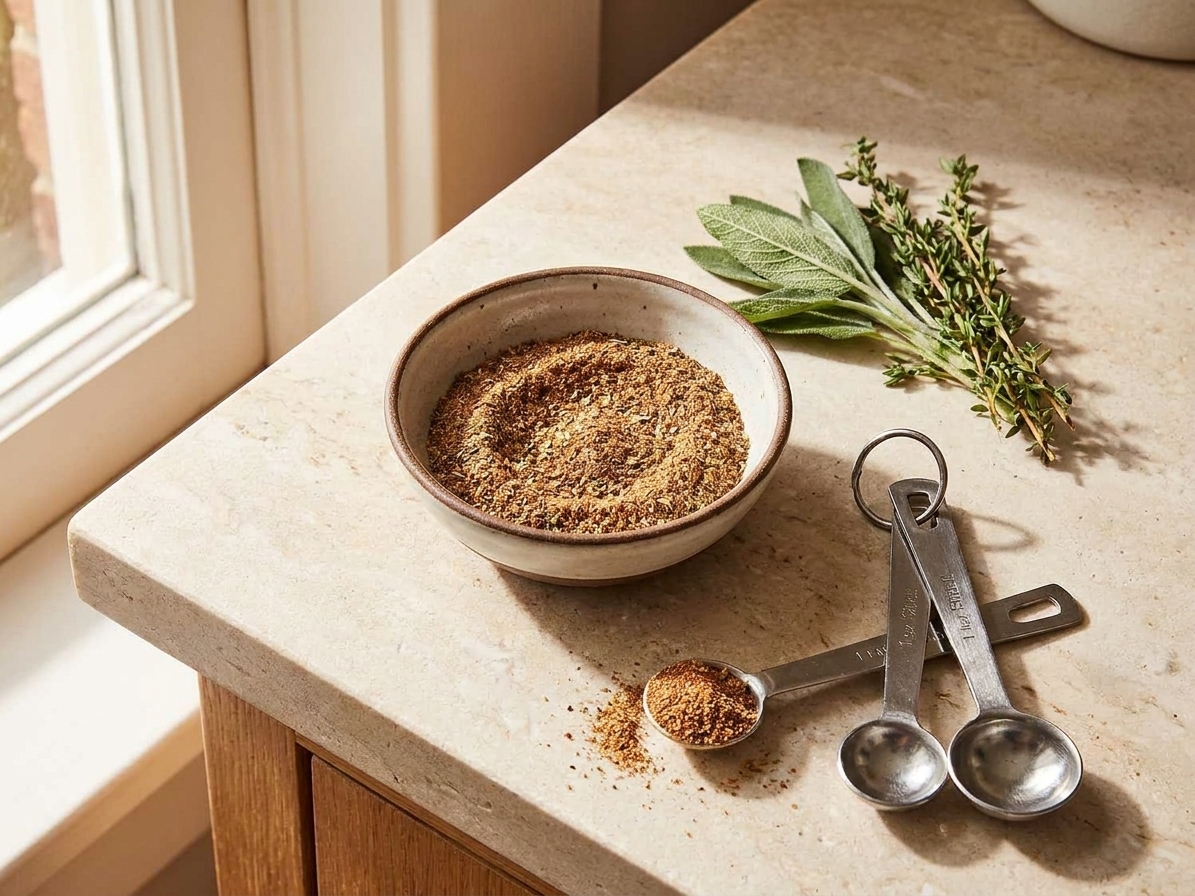
A small ceramic bowl filled with homemade turkey rub seasoning on a light stone kitchen counter, with measuring spoons and fresh herbs nearby, warm natural window light

Turkey has a reputation for being either legendary or mildly tragic, and the difference is usually flavor plus timing. This turkey rub seasoning is my weeknight-brain, holiday-heart solution, fast enough for Tuesday, special enough for Thanksgiving: pantry spices, clear ratios, and a result that tastes like you meant to do all of this on purpose.

It is savory, a little herby, and just sweet enough to support browning without turning your bird into a candle. Use it on a whole turkey, a turkey breast, drumsticks, or even wings. The biggest win is that it does not require a complicated marinade. Rub, rest, roast, and take credit.
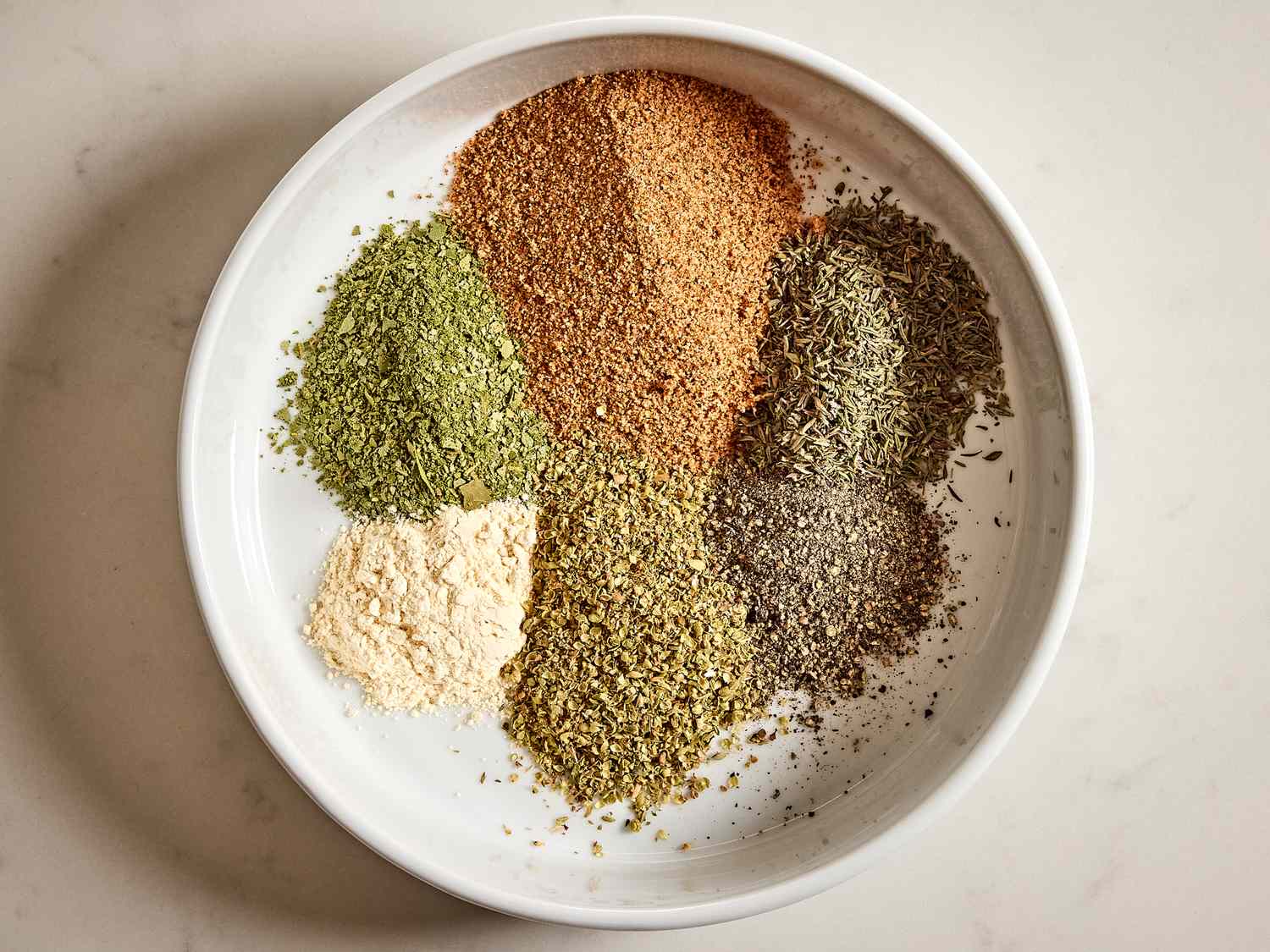
Individual piles of spices for turkey rub on a stone counter, including paprika, brown sugar, salt, pepper, garlic powder, onion powder, and dried herbs in small prep bowls

Why It Works

  • Big flavor with minimal effort: Salt carries seasoning into the meat while paprika, garlic, and herbs handle the cozy roast-turkey vibes.
  • Crispier skin: A dry rub plus a little resting time helps dry the surface, which is how you get that shattery bite.
  • Flexible for any turkey cut: Works on whole birds, breasts, legs, and even turkey tenderloins.
  • Make-ahead friendly: Mix once, keep it in a jar, and you are ready for random Tuesday turkey cravings.

Pairs Well With

Storage Tips

Extra rub: Store in an airtight jar in a cool, dark cabinet for up to 6 months for best punchy flavor. If your dried herbs are older, use it sooner.

Rubbed turkey (uncooked): Once seasoned, keep turkey covered and refrigerated for up to 24 hours. For best skin, leave it uncovered on a rack for the last few hours if you have fridge space.

Cooked turkey: Cool within 2 hours, then refrigerate in airtight containers for 3 to 4 days. Freeze for up to 2 to 3 months. Slice before freezing for easier, low-drama thawing.

Common Questions

How much rub do I use per pound of turkey?

A good starting point is 1 tablespoon of rub per 2 pounds of turkey (a little less if you are mostly seasoning the outside). For a 10 to 12 pound whole turkey, plan on 5 to 6 tablespoons total, which is right in the range of what this recipe makes. If you are seasoning generously under the skin plus the outside, consider making a 1.5x batch.

Should I put the rub under the skin?

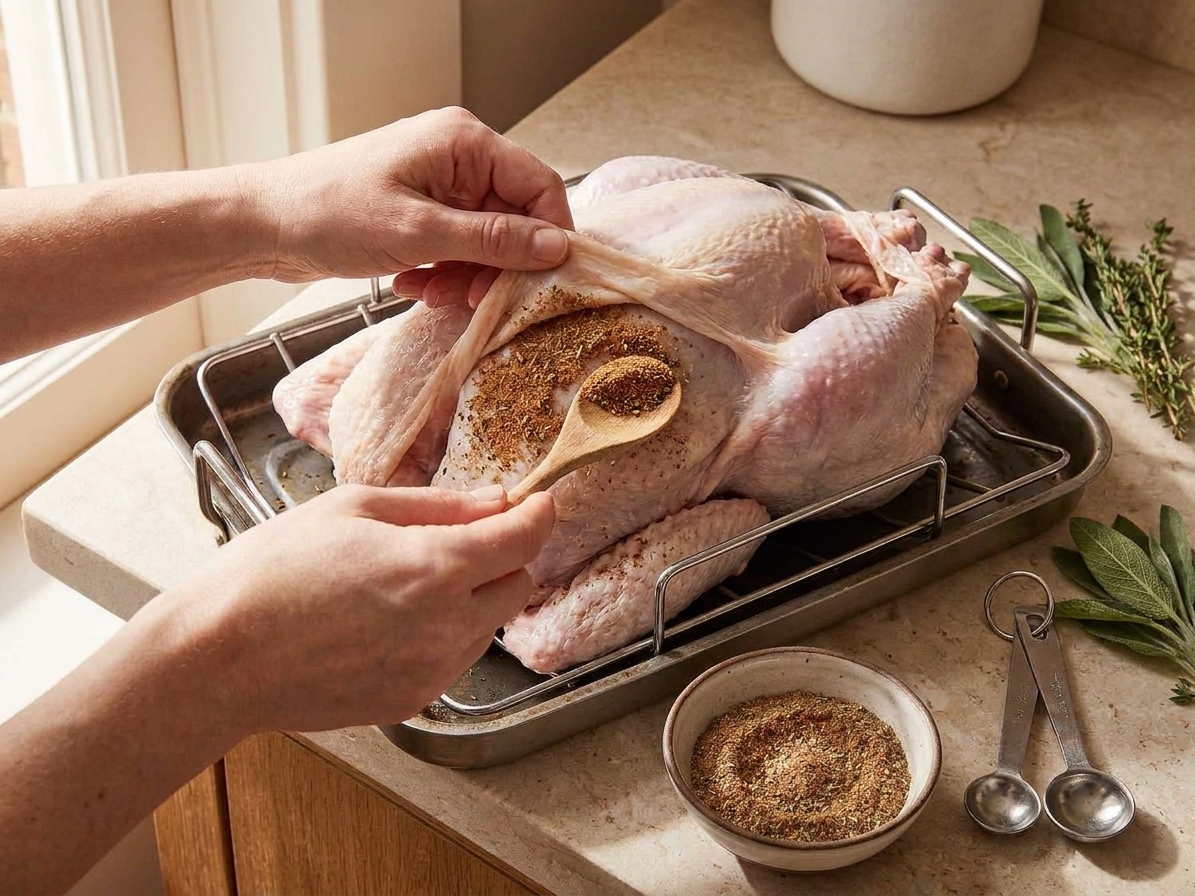
If you want the most flavor, yes. Gently loosen the skin over the breast and thighs and rub a few tablespoons directly on the meat. Then season the outside. This gives you flavor where it counts without needing a wet brine.

Can I use this rub on a brined turkey?

You can, but reduce the salt in the rub (use 1 teaspoon kosher salt instead of 1 tablespoon) since brined birds are already seasoned. If you are using a pre-brined or "enhanced" turkey, also cut the salt back.

Will the sugar burn?

At typical turkey roasting temps (325 to 375°F), a small amount of brown sugar is fine and helps browning. If you are cooking hot and fast (400°F+), reduce the sugar to 1 teaspoon or skip it.

Is this spicy?

Not really. It is warm and savory. Want heat? Add 1/4 to 1/2 teaspoon cayenne or chipotle powder.

Can I turn this into a wet rub?

Absolutely. Mix the rub with melted butter or olive oil to make a paste. Great for turkey breast. For the crispiest skin, keep the outside mostly dry and use fat sparingly.

I love the big holiday birds, but I am also deeply loyal to the idea that turkey should taste good even when it is not Thanksgiving. This rub started as my attempt to make a random turkey breast feel like it belonged on a nice platter with gravy and candles. Now it is the little jar I reach for when I want crisp edges, savory skin, and that moment where you take a bite and immediately decide you are doing turkey again next week.