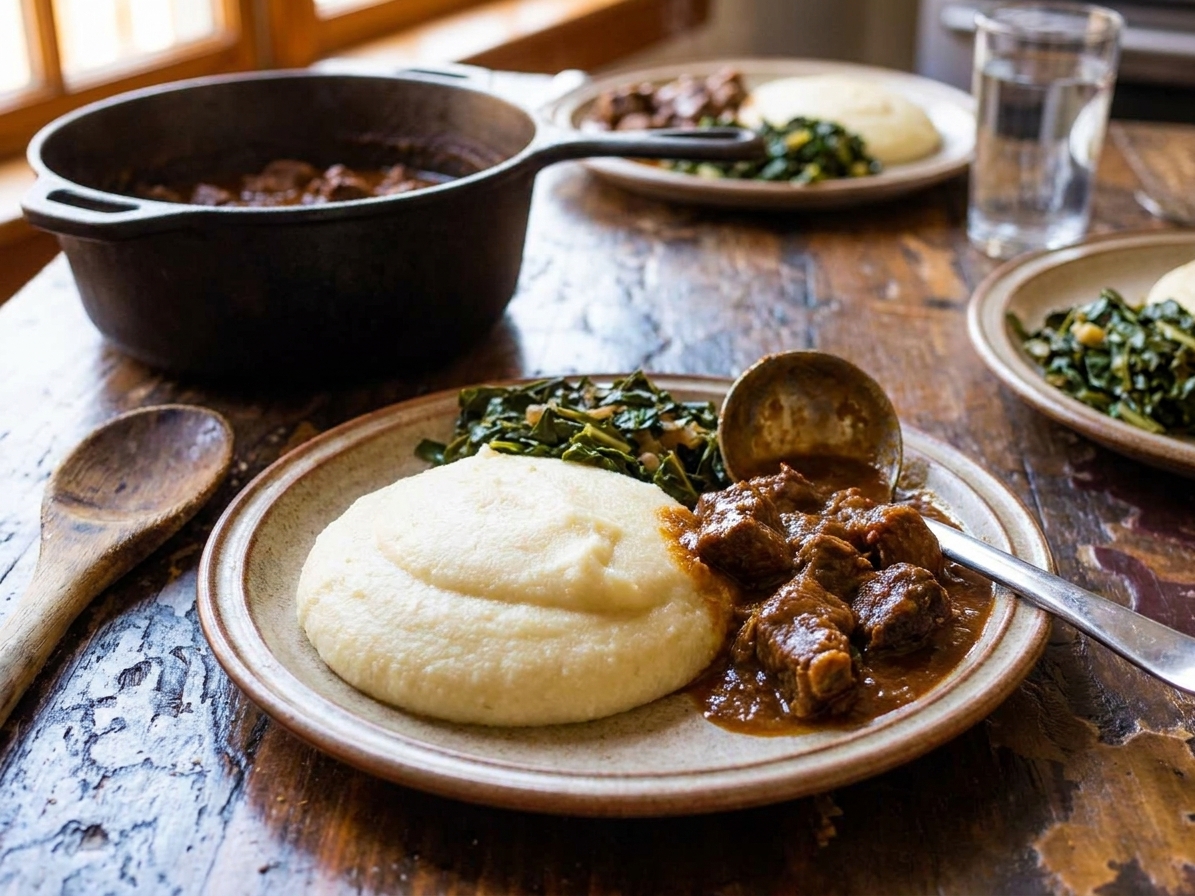
What is ugali made of?
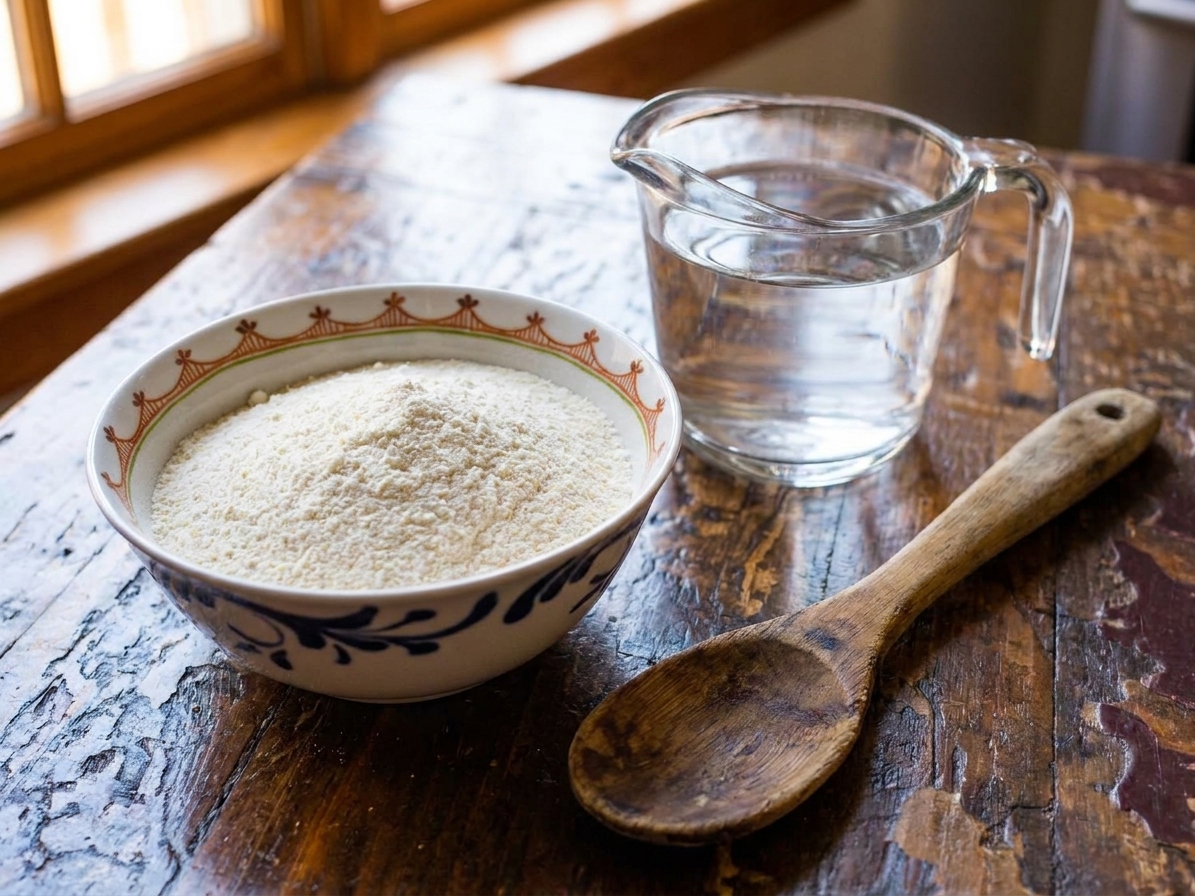
Classic Kenyan and Tanzanian-style ugali is made from maize flour (often finely milled, sometimes labeled as corn flour in East African markets) and water. Depending on the region and household, you may also find ugali made with sorghum, millet, cassava, or blends.
Quick label note for US shoppers: “Corn flour” can mean different things. For ugali, you want finely milled cornmeal/maize flour, not cornstarch.
Is ugali the same as polenta or grits?
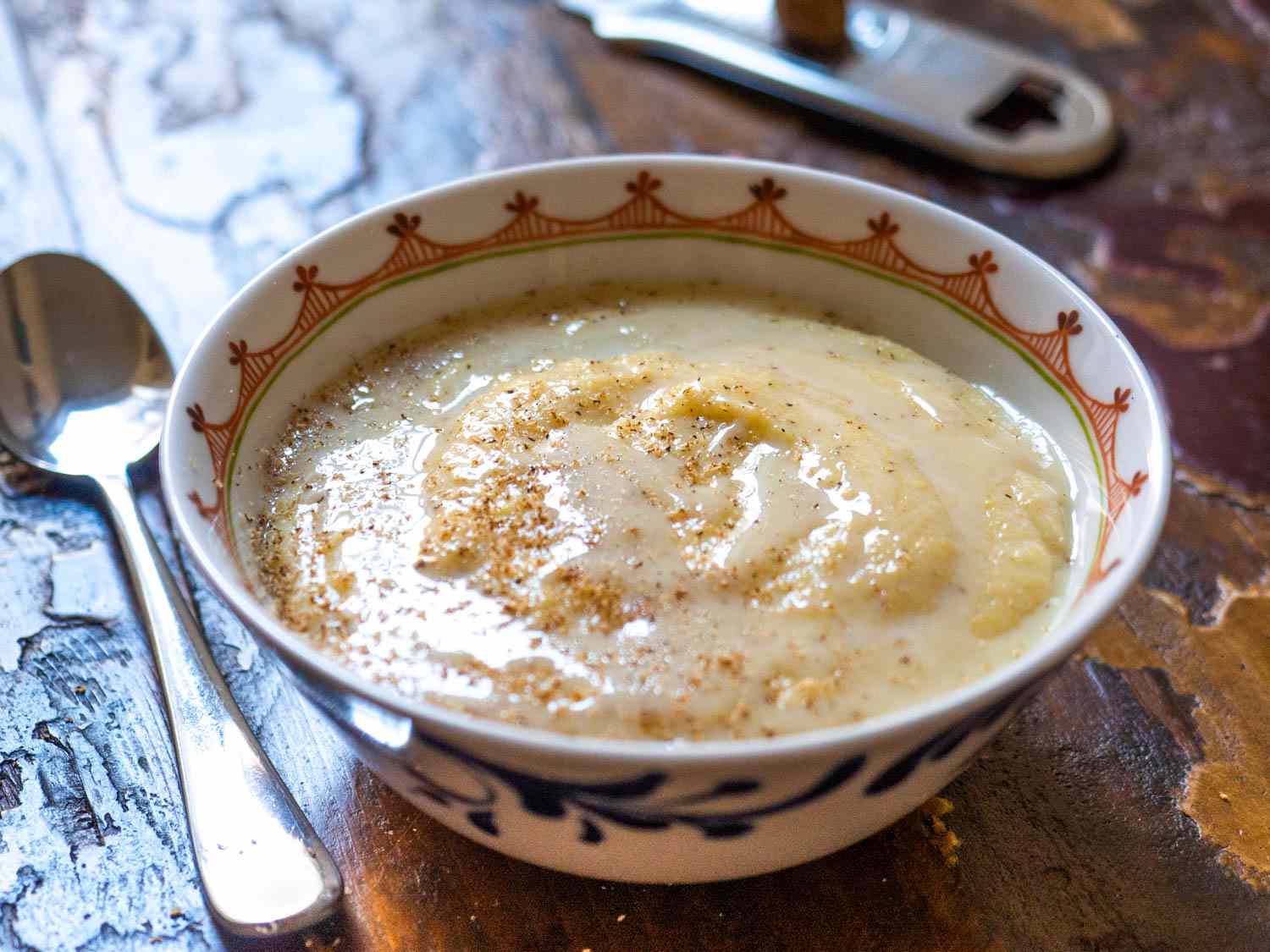
They are cousins, not twins. Polenta and grits are usually cooked to a spoonable porridge, often with butter or cheese. Ugali is cooked much thicker until it becomes a firm dough you can shape and slice.
Why did my ugali turn out lumpy?
Usually it is from adding too much flour too quickly or not whisking hard at the beginning. Start by sprinkling flour into simmering water while whisking, then switch to a sturdy spoon once it thickens.
How do I know when ugali is done?
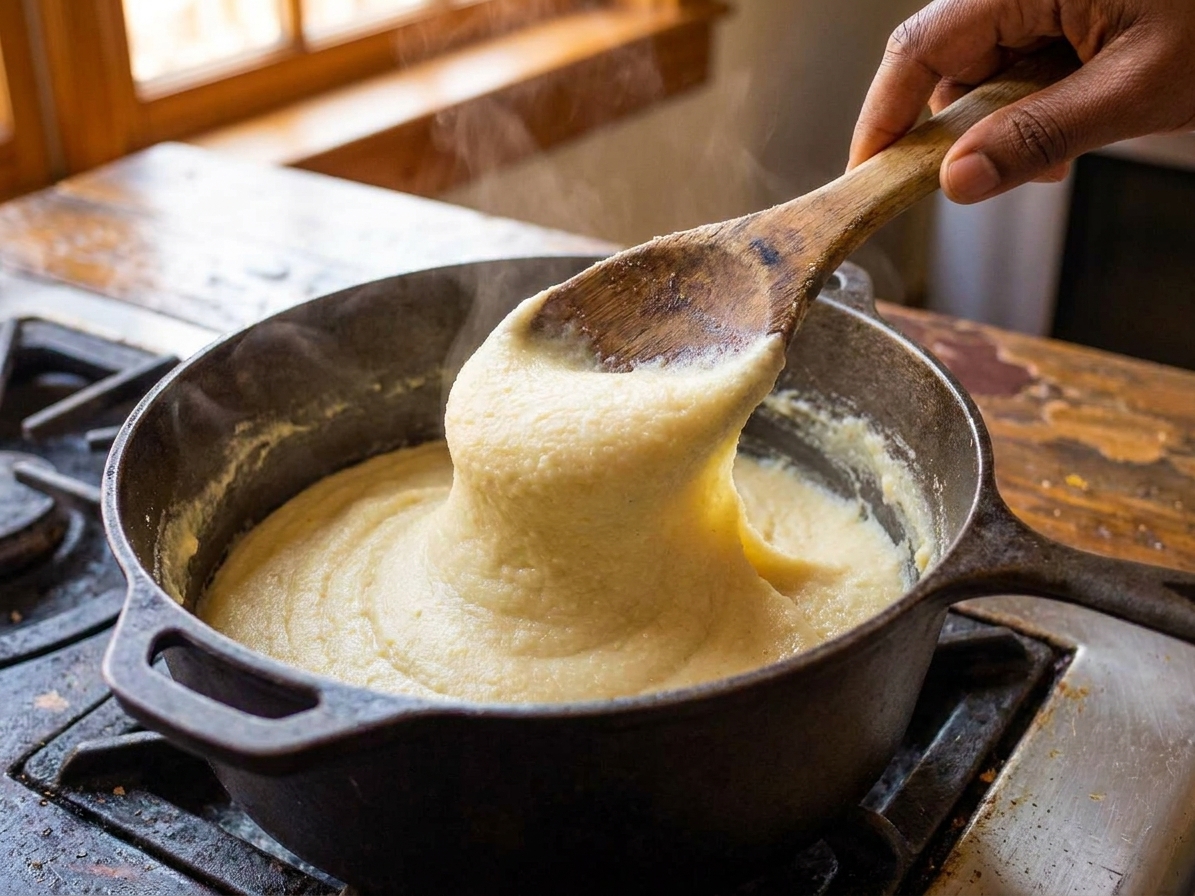
It should pull away from the sides of the pot, feel very thick, and hold its shape when you press it with the spoon. If you scoop a little and it stands up instead of slumping, you are in the right zone.
What do you eat with ugali?
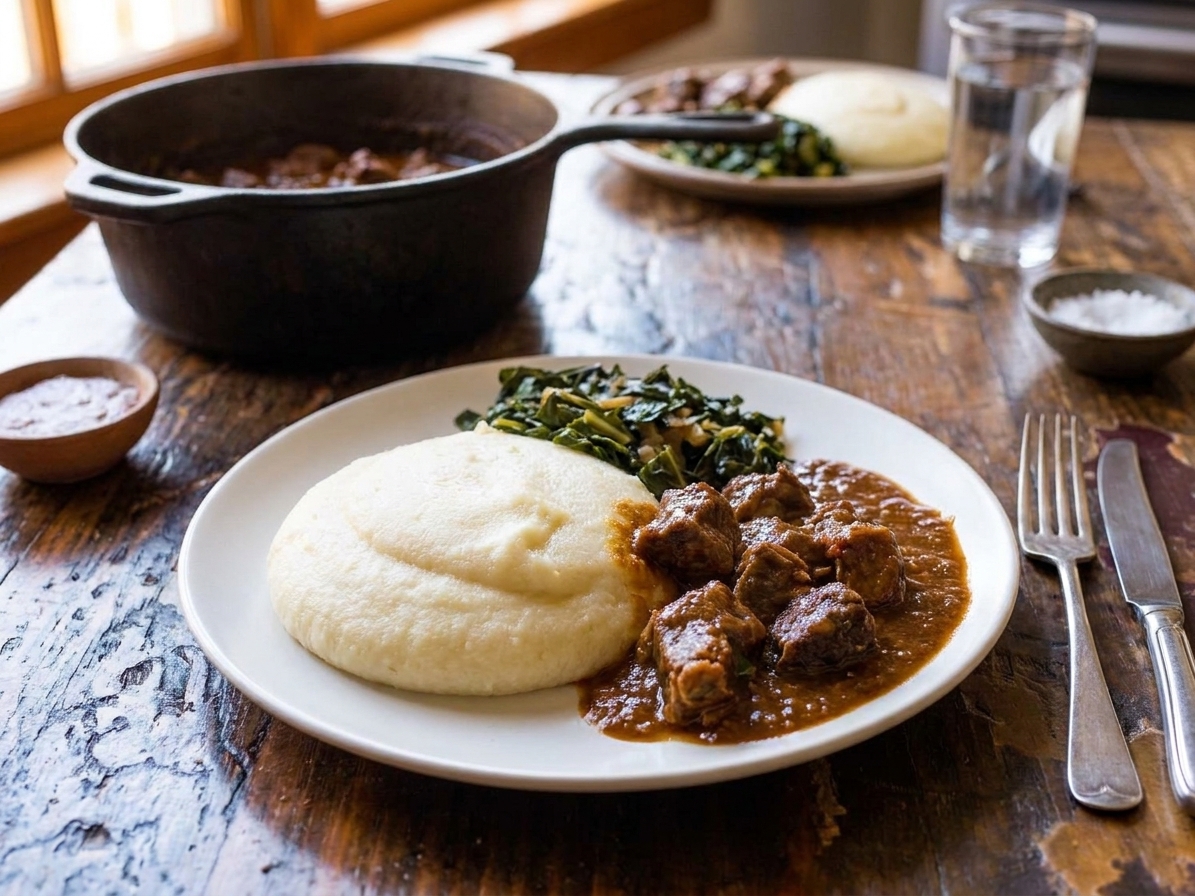
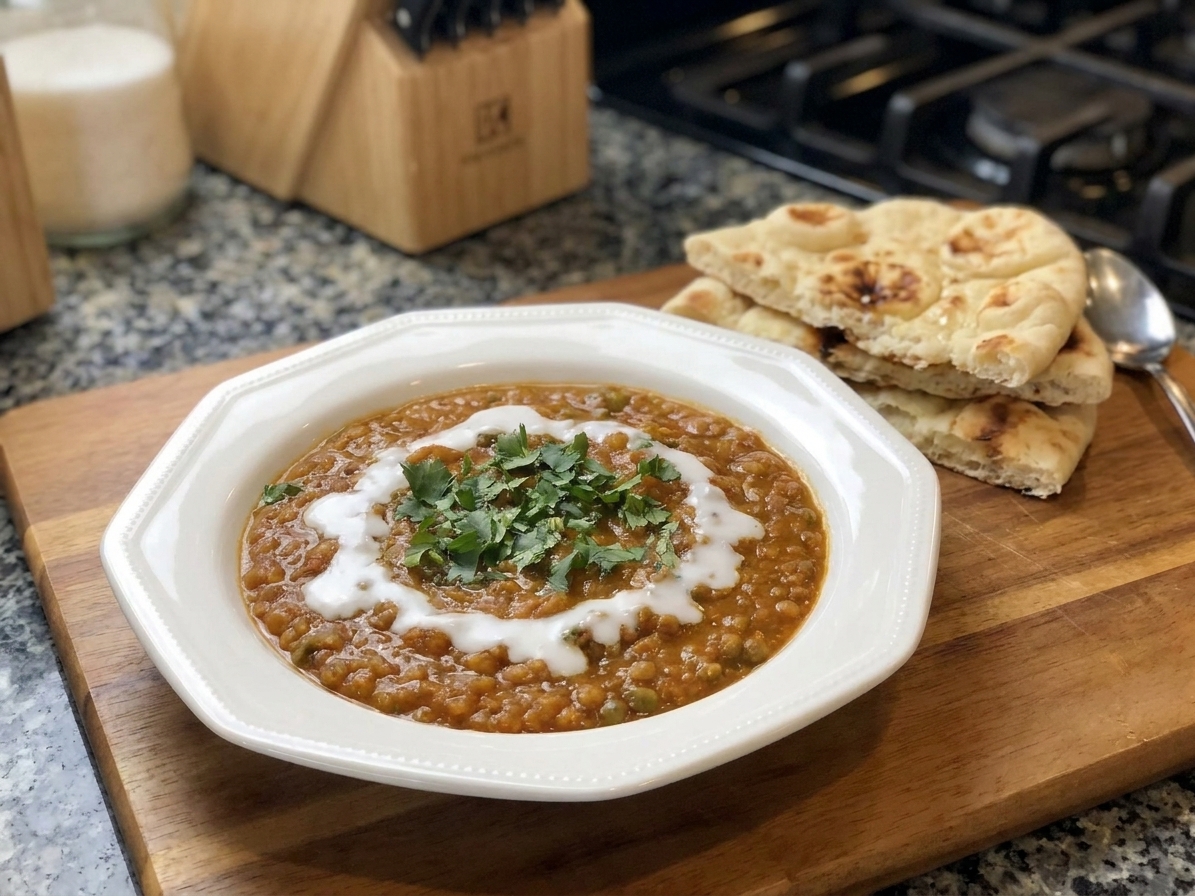
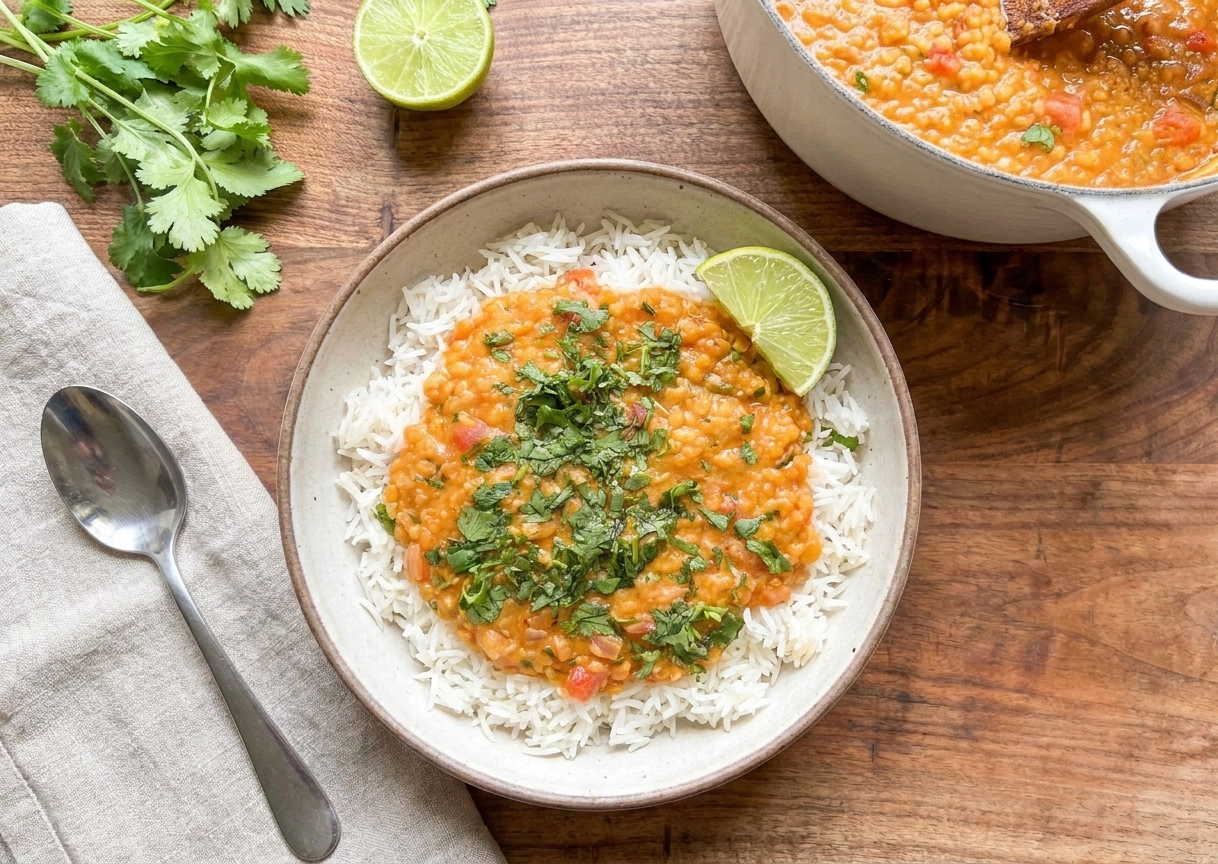
Anything saucy: beef or goat stew, chicken curry-style dishes, beans, lentils, sautéed greens like sukuma wiki, okra, or tomato onion sauces. Ugali is your scoop and your starch.
Can I make ugali with regular American cornmeal?
Yes. Use fine or medium grind cornmeal for the smoothest texture. If your cornmeal is coarse, it can still work, but it may feel more grainy and can benefit from a slightly longer cook.
How do I fix ugali that is too soft or too stiff?
Too soft: Stir in a little more flour (a few tablespoons at a time) and cook for another 2 to 3 minutes, stirring hard until it tightens up.
Too stiff: Add a small splash of hot water, cover for 30 to 60 seconds to steam, then beat it smooth again.