Mom's Best Recipes
Recipe

Ultimate Buttermilk Pie Recipe

A rich, custardy Southern pie with a crackly sugar top, a subtle tang, and a cozy vanilla bite. Simple pantry ingredients, big payoff.

Author By Matt Campbell
4.8
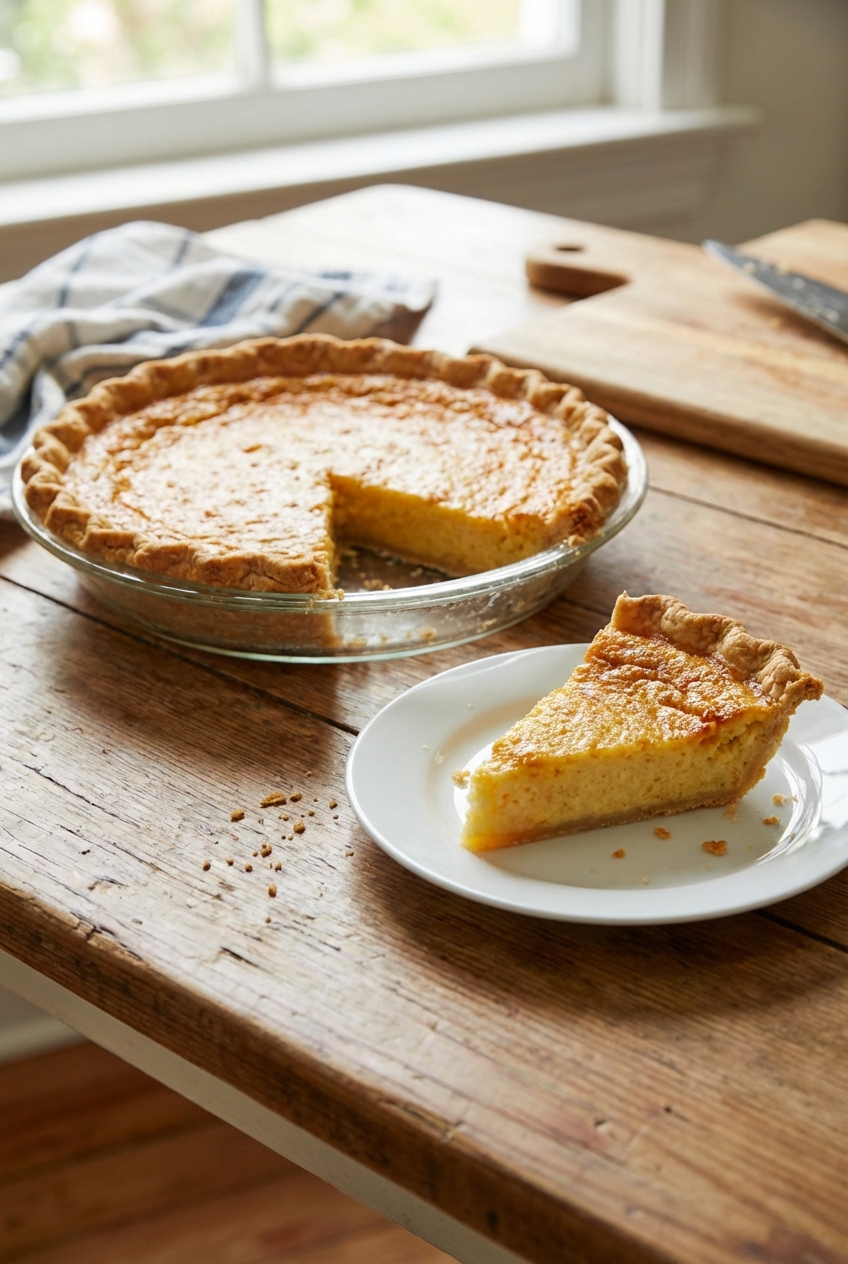
A golden buttermilk pie in a glass pie dish on a wooden kitchen table with a slice removed

Buttermilk pie is one of those old-school miracles that feels like you cheated. You whisk a handful of basic ingredients, pour it into a crust, and somehow it bakes into this glossy, custardy center with a lightly crackled top that tastes like vanilla, brown sugar, and a gentle tang all at once.

This is my ultimate version: rich and silky, not too sweet, and deeply cozy. I also lean into a savory edge with a small hit of salt and a touch of nutmeg so the pie tastes grown-up, not cloying. It is the kind of dessert you can bring to a potluck and quietly watch people go back for a second “tiny” slice.
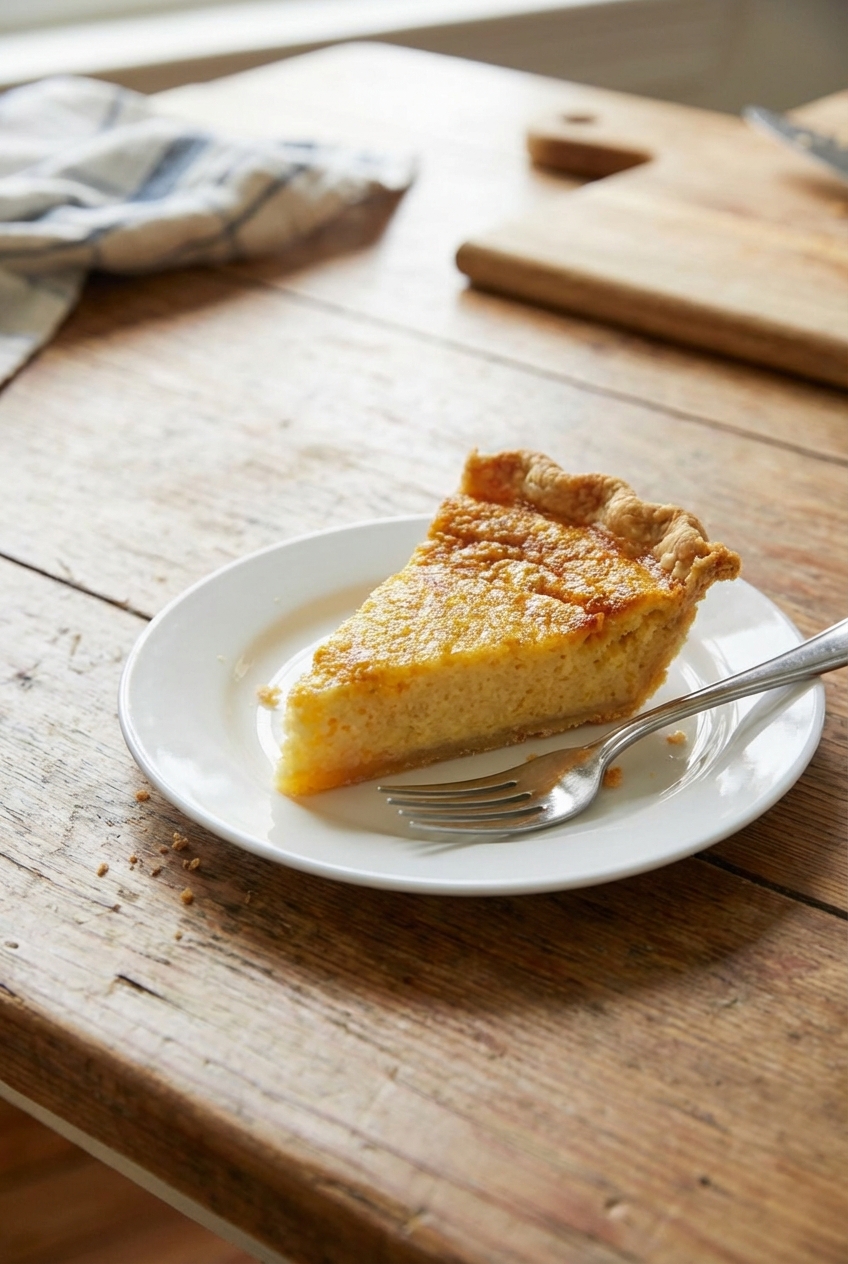
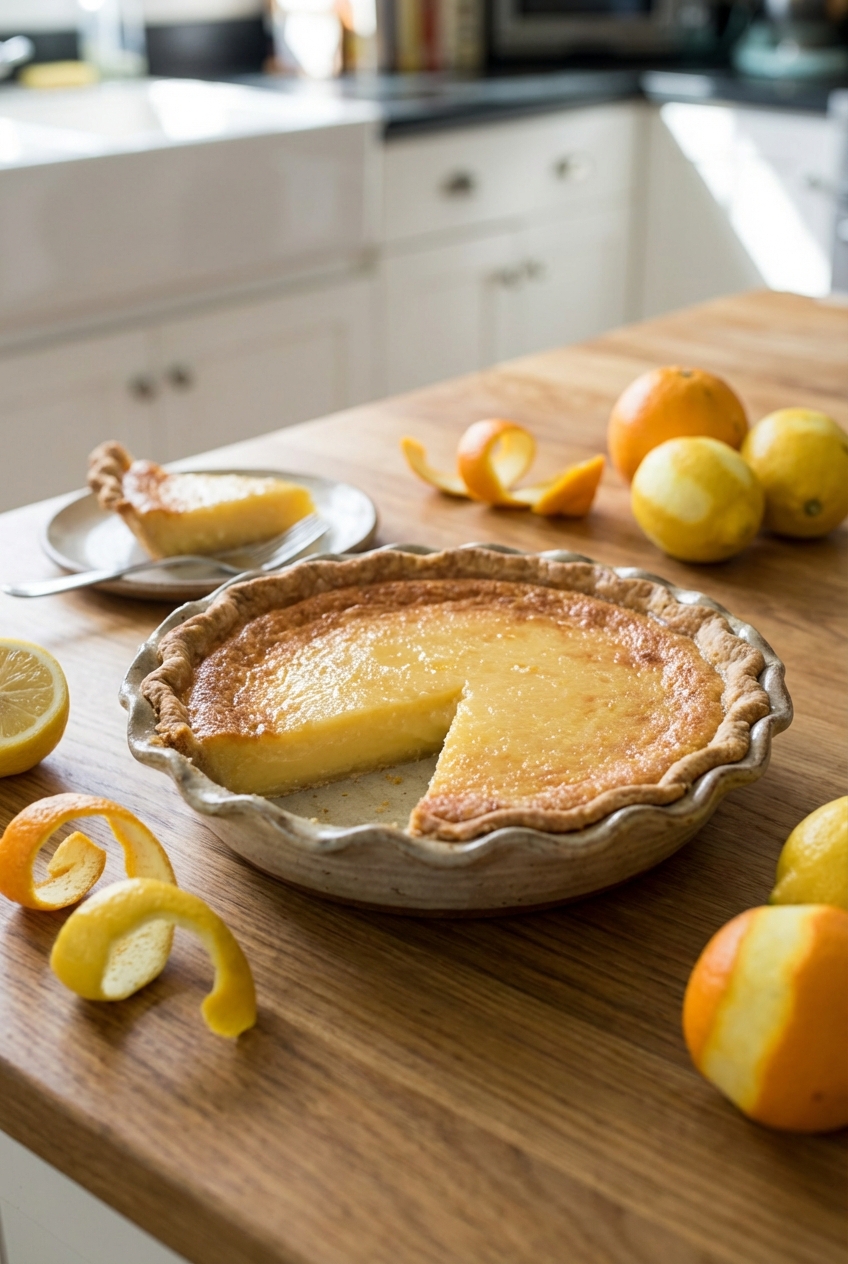
A close-up photograph of a slice of buttermilk pie on a plate with a fork beside it

Why It Works

  • Custard that sets without being rubbery: A balanced combo of eggs, buttermilk, and a little flour gives you a sliceable center that still melts when it hits your tongue.
  • Crackly top, creamy middle: Baking at a steady temperature helps the surface caramelize slightly while the inside stays smooth.
  • Flavor with dimension: Vanilla and butter bring the comfort, buttermilk adds tang, and a pinch of nutmeg plus enough salt keeps it from tasting flat.
  • Low drama: No tempering, no water bath, no fancy equipment. Just whisk, pour, bake, cool.

Pairs Well With

  • A scoop of vanilla bean ice cream melting slightly in a small bowl

    Vanilla bean ice cream

  • Fresh raspberries in a white bowl on a kitchen counter

    Fresh raspberries

  • A mug of hot black coffee on a saucer

    Strong coffee

  • A spoonful of lightly sweetened whipped cream in a small ramekin

    Soft whipped cream

Storage Tips

Refrigerate: Cover the pie (or transfer slices to an airtight container) and refrigerate for up to 4 days. Custard pies are happiest cold.

Serve again: I love it chilled, but you can take the edge off the cold by letting a slice sit at room temp for 15 to 20 minutes.

Freeze: Wrap individual slices tightly in plastic wrap, then foil. Freeze up to 2 months. Thaw overnight in the fridge.

Tip for the crust: If the bottom crust softens, warm slices in a 300°F oven for 8 to 10 minutes on a sheet pan. Crisp edges return.

Common Questions

Is buttermilk pie supposed to be tangy?

Yes, but gently. Think “sweet custard with a subtle twang,” not sour. If it tastes sharply sour, your buttermilk may be past its prime.

Why did my pie crack or puff up?

A little puffing is normal and it settles as it cools. Big cracks usually mean the pie baked a bit too long or the oven runs hot. Pull it when the center still has a soft wobble, like set Jell-O.

Can I use low-fat buttermilk?

You can, but whole buttermilk gives a richer, more classic texture. If using low-fat, keep the butter and do not reduce it.

Do I have to pre-bake the crust?

I strongly recommend it. Buttermilk pie is a wet filling, and blind baking prevents the dreaded soggy bottom. If you are using a very sturdy store-bought crust, you can skip it, but the texture will be less crisp.

What is the difference between buttermilk pie and chess pie?

They are cousins. Chess pie often uses cornmeal and sometimes vinegar for tang. Buttermilk pie gets its signature flavor from buttermilk, and the texture leans more custardy.

The first time I made buttermilk pie, I did it because I had half a carton of buttermilk left over from “I swear I’m going to start making pancakes every weekend.” You know how that goes. I was expecting something plain. What came out was this glossy, golden pie that tasted like a hug with better boundaries. Sweet, yes, but not loud about it. Since then, it has become my go-to when I want a dessert that feels special without turning my kitchen into a crime scene.