Mom's Best Recipes
Recipe

Ultimate Chilean Sea Bass Recipe

Buttery, flaky sea bass with crisp edges and a rich lemon caper pan sauce. Restaurant vibes, weeknight effort.

Author By Matt Campbell
4.9
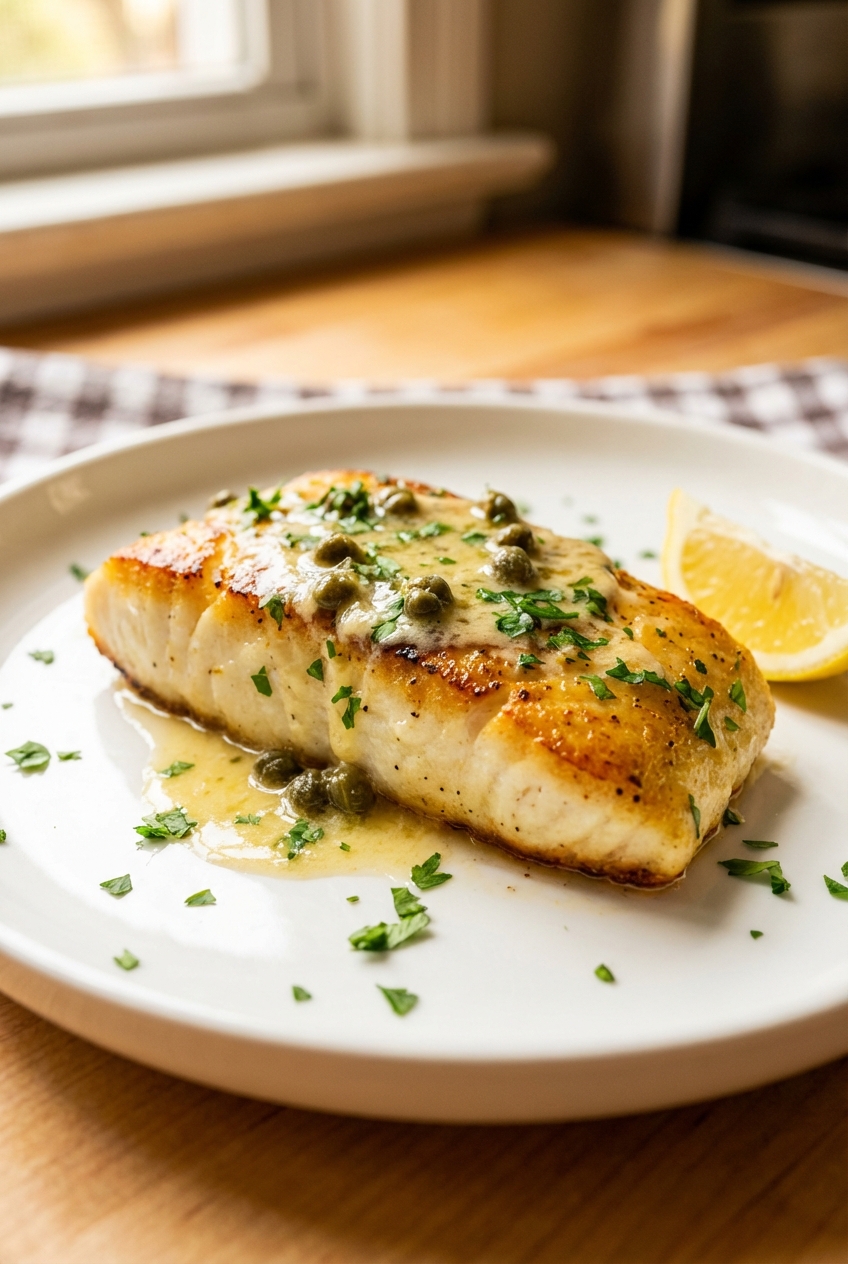
A golden-seared Chilean sea bass fillet on a white plate with lemon caper butter sauce, parsley, and a lemon wedge

Chilean sea bass is the kind of fish that makes people think you did something complicated. You did not. What you did do is sear it hard, baste it in butter, then finish with a quick pan sauce that tastes like it came from a place with cloth napkins and a waitlist.

This recipe is rich and savory in the best way: crisp top, juicy flakes, and a lemony, briny caper finish that cuts through all that buttery goodness. If you can heat a skillet and resist poking the fish every 12 seconds, you can absolutely nail this.
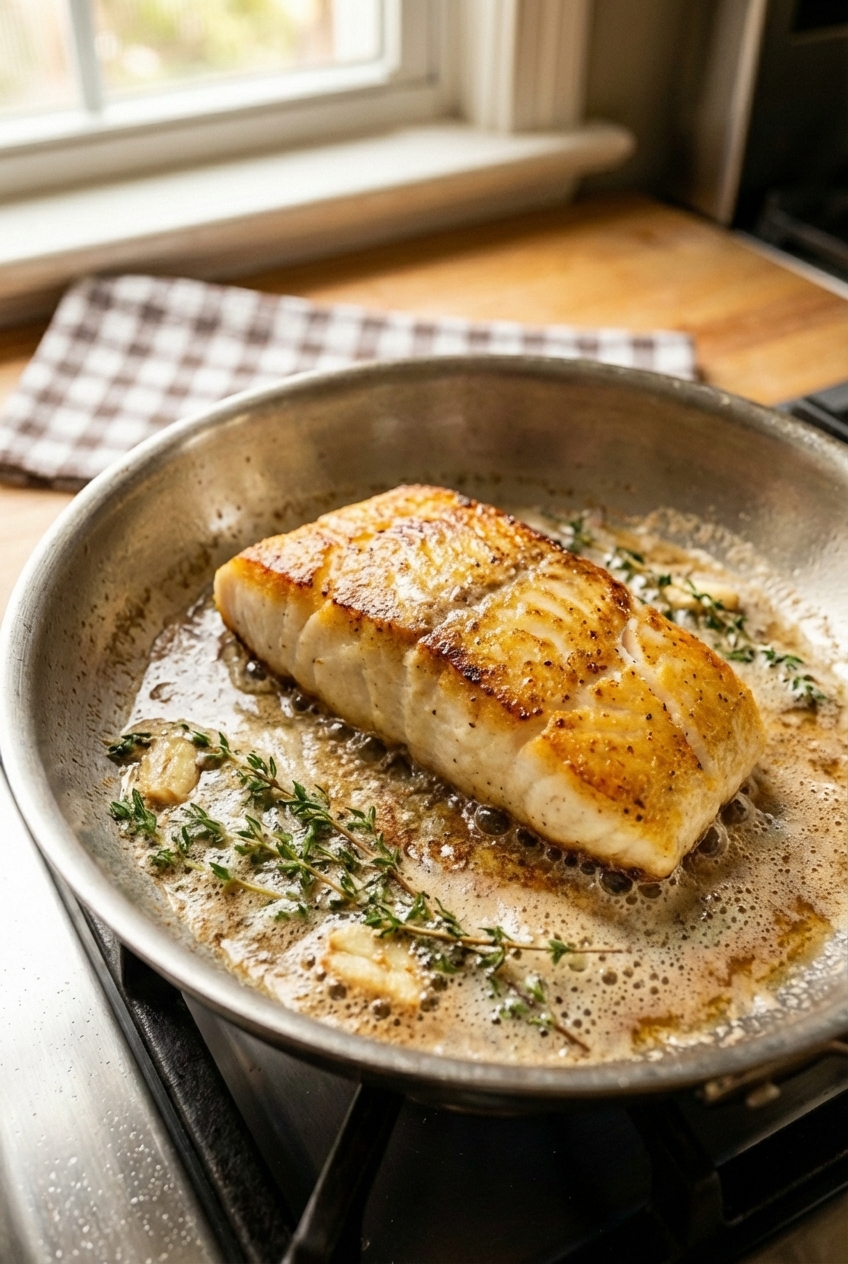
A close-up of a sea bass fillet sizzling in a stainless steel skillet with foaming butter and thyme

Why It Works

  • Crisp edges, tender center: We start in a hot pan to build a golden crust, then finish gently so the fish stays buttery and flaky.
  • A sauce that fixes everything: Lemon, capers, and a splash of broth or wine deglaze the pan and pull all the browned bits into a glossy, spoonable sauce.
  • No mystery ingredients: Everything is easy to find, and the method works with other thick white fish if you need a backup plan.
  • Low-drama timing: The sauce comes together while the fish rests, so dinner hits the table hot and confident.

Pairs Well With

Storage Tips

Sea bass is best right away, but leftovers can still be really good if you treat them gently.

How to store

  • Fridge: Cool leftovers quickly, then store in an airtight container for up to 2 days. Keep extra sauce in a separate container if you can.
  • Freezer: Not my favorite for this fish because the texture can turn a little spongy, but you can freeze it for up to 1 month for best quality. Thaw overnight in the fridge.

How to reheat without drying it out

  • Skillet method (best): Add a small splash of water or broth to a nonstick skillet, add fish, cover, and warm on low until just heated through.
  • Oven method: Wrap loosely in foil with a spoonful of sauce or a pat of butter. Heat at 275°F until warm, about 10 to 15 minutes depending on thickness.
  • Microwave method: Use 50% power in short bursts. This is last resort, but it works.

Leftover move: Flake the fish into warm rice with a squeeze of lemon and any extra sauce. Add a handful of arugula and call it a fancy bowl.

Common Questions

Is Chilean sea bass actually bass?

Not exactly. Chilean sea bass is a market name used primarily for Patagonian toothfish (Dissostichus eleginoides) and sometimes Antarctic toothfish (Dissostichus mawsoni), depending on origin. Either way, it is prized for its high fat content, which makes it naturally rich and forgiving to cook.

How do I know when sea bass is done?

Look for opaque flesh that flakes easily with a fork. If you use a thermometer, you have two good targets depending on the finish you want: 125°F to 130°F for a juicy, restaurant-style result (the center may still look just slightly translucent), or 145°F for FDA guideline doneness. The temperature will climb a bit as it rests.

Can I bake it instead of pan-searing?

Yes. You will miss some crust, but it is still delicious. Bake at 425°F until it flakes, usually 10 to 15 minutes depending on thickness. You can still make the sauce in a small saucepan.

What if I cannot find Chilean sea bass?

Use another thick, mild white fish: black cod (sablefish) is the closest in richness, then halibut or cod. For leaner fish, reduce cook time and baste well.

Do I need to remove the skin?

Most sea bass is sold skinless, but if yours has skin you can cook it either way. For the best texture, start skin-side down and press gently for the first 30 seconds so it does not curl.

The first time I cooked Chilean sea bass at home, I treated it like a fragile little treasure. Low heat, lots of hovering, and zero crust. It tasted fine, but it was not that restaurant thing I was chasing. The next time I did what I should have done from the start: I got the pan hot, dried the fish like I meant it, and let it sit long enough to actually brown. Then I made a quick lemon caper butter sauce in the same pan and suddenly it was that mid-bite pause moment. Like, okay, wow. Now this is my go-to “I want to impress but I also want to sit down and eat” dinner.