Why is it called chocolate gravy?
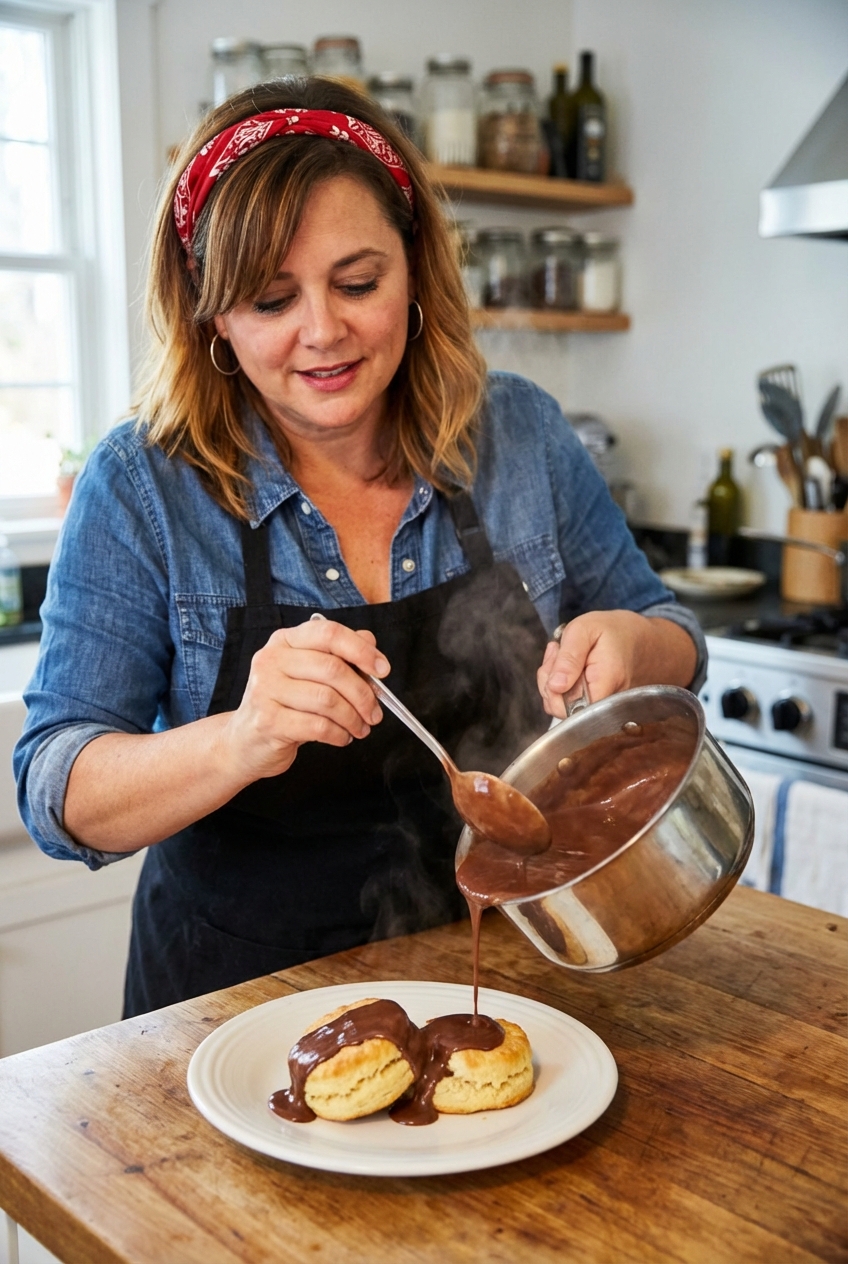
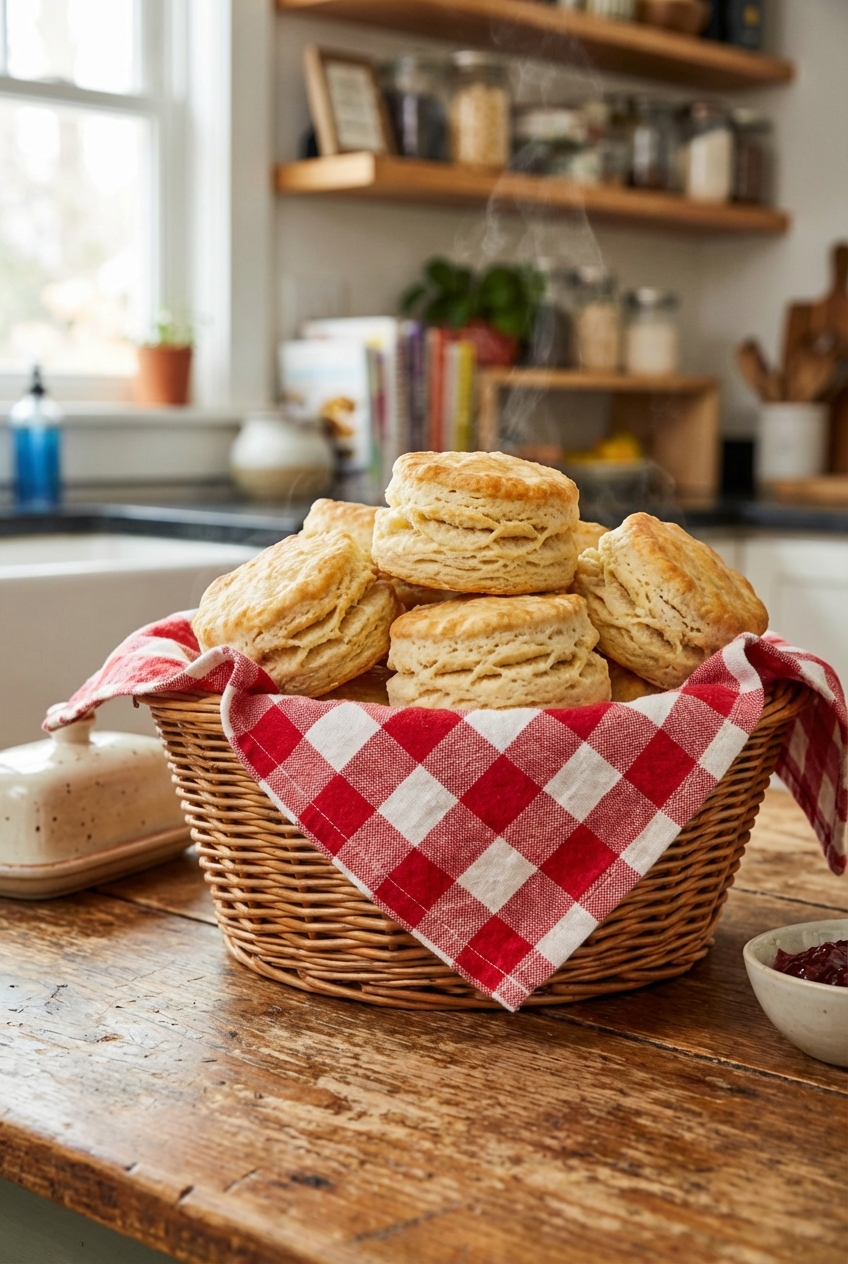
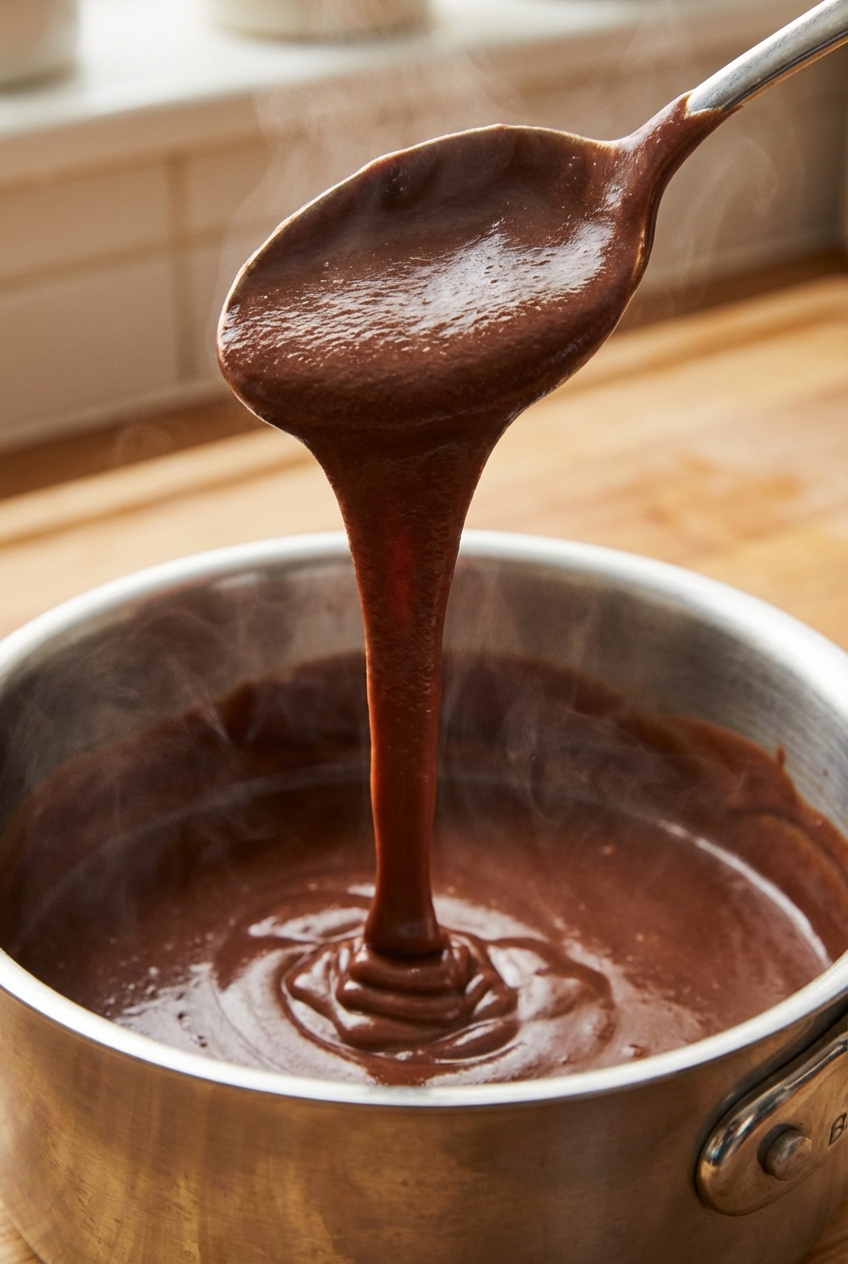
Because it is served like gravy over biscuits, especially in parts of the South and Appalachia. The texture is pourable, not frosting-thick, and it is meant to be spooned generously.
What makes this recipe “tangy”?
This recipe includes an optional small “brightener” at the end. A few drops of apple cider vinegar can make cocoa taste more vivid, the same way salt makes cookies taste more like themselves. If vinegar is not your thing, a little strong brewed coffee adds roast depth and a gentle bitterness that balances the sweetness. Coffee is not the same kind of acidity as vinegar, but it achieves a similar “not too sweet” effect.
Is vinegar traditional in chocolate gravy?
Not usually. Think of it as a modern little tweak for people who like their chocolate a bit sharper and less one-note. You can skip it and the gravy will still be classic, cozy, and very good.
Can I use Dutch-process cocoa?
Yes. Dutch-process gives a darker color and a smoother, mellow chocolate vibe. Natural cocoa tastes a bit sharper. Both work. If you use Dutch-process, you might like the vinegar option for extra lift.
My chocolate gravy turned lumpy. Can I fix it?
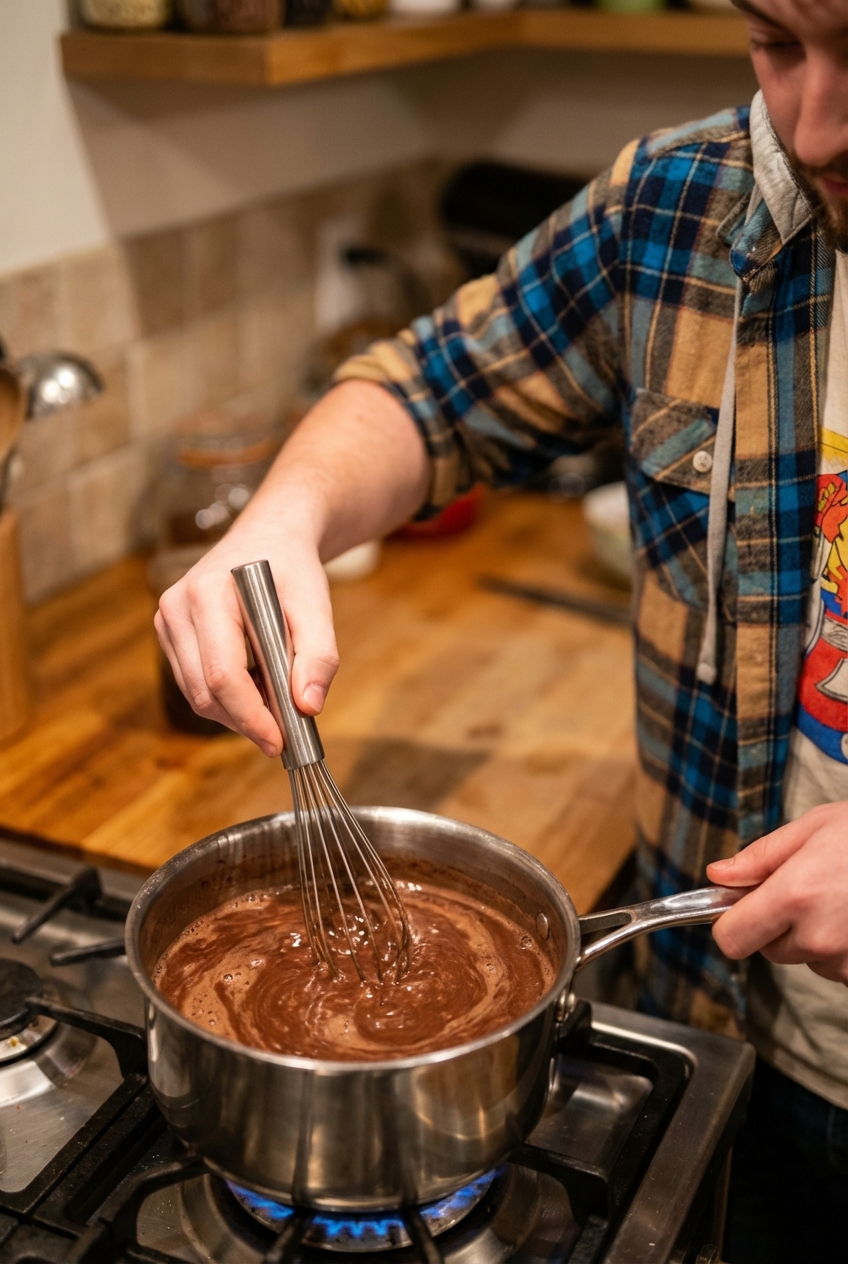
Absolutely. Keep it warm and whisk hard for a minute. If lumps are stubborn, blend with an immersion blender or pour it through a fine-mesh strainer. Next time, whisk the dry ingredients together first and add the milk gradually.
How thick should it be?
It should coat the back of a spoon and pour in a smooth ribbon. Look for slow, glossy bubbles at a gentle simmer. If it gets too thick, whisk in more milk. If it is too thin, simmer 1 to 2 minutes longer while whisking.
Is chocolate gravy served hot or cold?
Hot is the classic move, especially over biscuits. Cold leftovers are also sneaky-good spooned over yogurt or fruit.