Mom's Best Recipes
Recipe

Ultimate Easy Beef Stew

Bold, cozy, and weeknight-friendly with tender beef, buttery potatoes, and a rich gravy that tastes like you babysat it all day.

Author By Matt Campbell
4.8
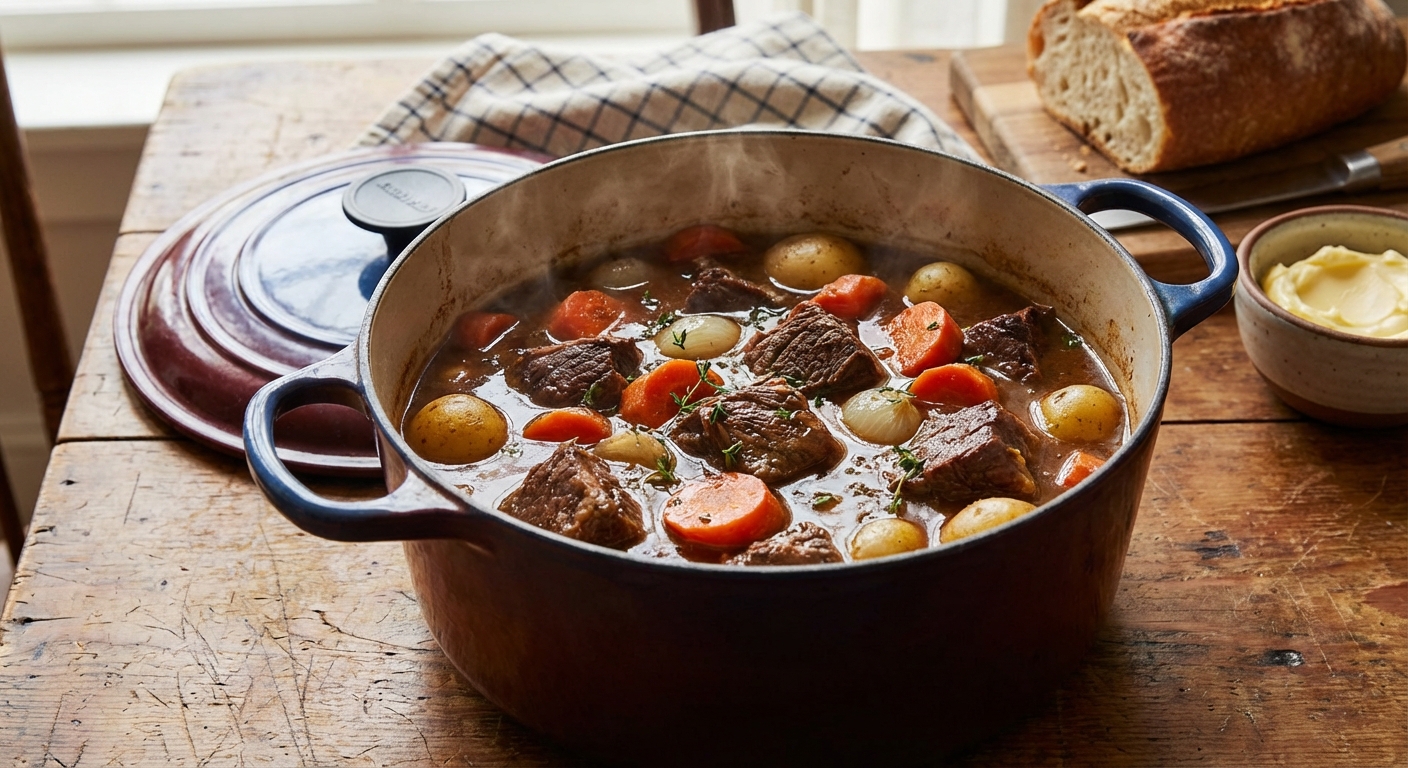
A Dutch oven filled with beef stew with tender beef chunks, carrots, potatoes, and thyme in a rich brown broth on a wooden table

Beef stew is one of those meals that makes your whole kitchen smell like you have your life together. Even if you are making it in sweatpants while answering emails. This version is my go-to when I want bold flavor without complicated steps: we brown the beef hard for those crisp edges, build a quick flavor base with tomato paste and aromatics, then let it simmer into rich, cozy greatness.

It is cozy, yes. But it is not bland. We are talking a stew with a deep, savory gravy, bright little pops of acidity, and vegetables that are tender without turning into mush. If you have ever made stew that tasted like hot water with regrets, this is your reset.
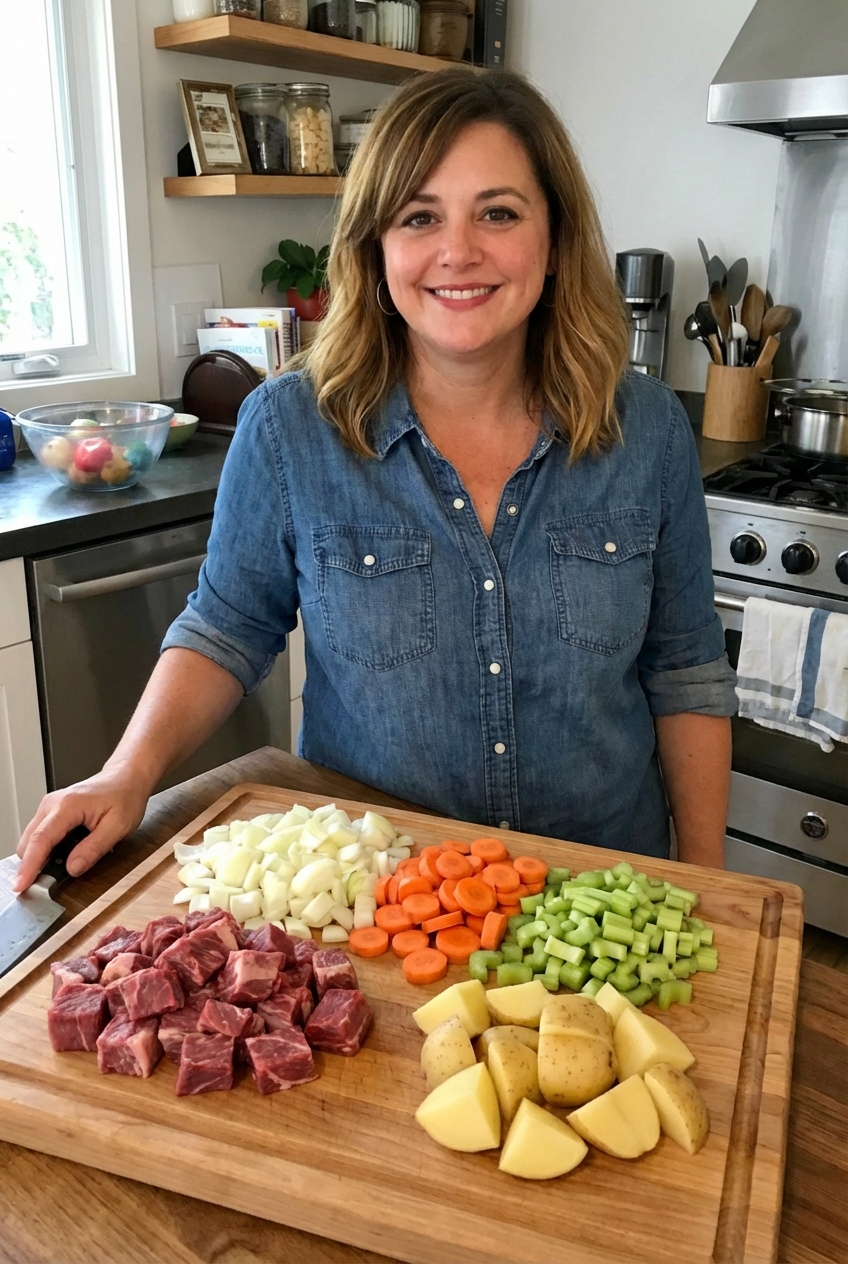
A cutting board with cubed beef chuck, chopped onions, carrots, celery, and potatoes ready for stew prep

Why It Works

  • Big beefy flavor fast: Browning the beef in batches builds a dark fond, which is basically free flavor stuck to the pot.
  • Rich gravy, not watery soup: A flour dusting plus tomato paste and a gentle simmer gives you a broth that turns glossy and savory. Prefer it thicker? Simmer uncovered at the end.
  • Vegetables that hold up: Potatoes and carrots go in after the first simmer so they turn tender, not tired.
  • Balanced seasoning: Worcestershire for depth, a splash of vinegar at the end for lift, and enough black pepper to keep things interesting.

Pairs Well With

Storage Tips

Refrigerate: Let the stew cool slightly, then refrigerate within 2 hours in airtight containers for up to 4 days. The flavor gets even better on day two, which feels like cheating.

Freeze: Freeze in freezer-safe containers for up to 3 months. Leave a little headspace because stew expands as it freezes.

Reheat: Warm gently on the stove over medium-low, stirring occasionally. If it thickens a lot in the fridge, loosen with a splash of beef broth or water. Taste and re-salt at the end.

Pro tip: Potatoes can get a little softer after freezing. Still delicious, just more “cozy thick” and less “perfect cube.”

Common Questions

What cut of beef is best for stew?

Chuck roast is the MVP. It has enough fat and connective tissue to become tender and flavorful after a simmer. Look for well-marbled pieces and cut them into 1 1/2-inch chunks.

Can I make this in a slow cooker?

Yes. Brown the beef and sauté the aromatics first for best flavor, then transfer everything to a slow cooker. Cook on low 7 to 8 hours or high 4 to 5 hours. Root vegetables can go in at the start, but for firmer potatoes and carrots, add them during the last 2 to 3 hours on low (or last 1 1/2 to 2 hours on high).

How do I thicken beef stew if it is too thin?

Option 1: Simmer uncovered for 10 to 15 minutes. Option 2: Mix 1 tablespoon cornstarch with 1 tablespoon cold water, stir it in, and simmer 2 to 3 minutes. Option 3: Mash a few potato chunks against the side of the pot and stir them in.

Why is my beef still tough?

It usually just needs more time. Stew meat goes through a stubborn phase, then turns tender once the collagen breaks down. Keep it at a gentle simmer (just a few lazy bubbles) and give it another 20 to 40 minutes.

Can I add wine?

Absolutely. Replace 1 cup of the broth with dry red wine. Let it bubble for a minute after you scrape up the browned bits, then continue the recipe.

I started making beef stew when I realized I could get “restaurant cozy” out of a single pot and a little patience. The first time I nailed it, I had that moment where you take a bite, stare at the bowl, and think, okay, wow. The trick was not some secret ingredient. It was browning the beef like I meant it and finishing with a tiny splash of vinegar to wake everything up. Now it is my cold-weather safety blanket meal, and the leftovers are basically a reward for showing up.