Mom's Best Recipes
Recipe

Ultimate Feta Pasta Recipe

Rich, savory, and ridiculously easy: roasted feta melts into a glossy sauce with burst tomatoes, garlic, and pasta water for that creamy, clingy finish.

Author By Matt Campbell
4.8

Let’s be honest, feta pasta went viral for a reason. It is the rare internet recipe that actually delivers. You toss a block of feta in a baking dish, bury it in tomatoes, let the oven do the heavy lifting, then stir the whole thing into a sauce that tastes like you planned dinner days in advance.

This is my Ultimate Feta Pasta version: richer, a little more savory, and built for real life. We’re adding a few smart upgrades like tomato paste for depth, a pinch of smoked paprika for warmth (optional but highly recommended), and the one thing that makes or breaks the texture: pasta water. That starchy liquid helps the sauce smooth out and come together so you get glossy, creamy vibes instead of a crumbly feta situation.
Why It Works

  • Big flavor with minimal effort: roasting concentrates the tomatoes and softens the feta into a sauce base.
  • Actually creamy without cream: feta plus hot pasta water helps the sauce turn smooth, glossy, and clingy.
  • Balanced richness: lemon zest and fresh herbs cut through the salty, savory feta.
  • Flexible: add spinach, chickpeas, shrimp, or leftover chicken without wrecking the vibe.

Pairs Well With

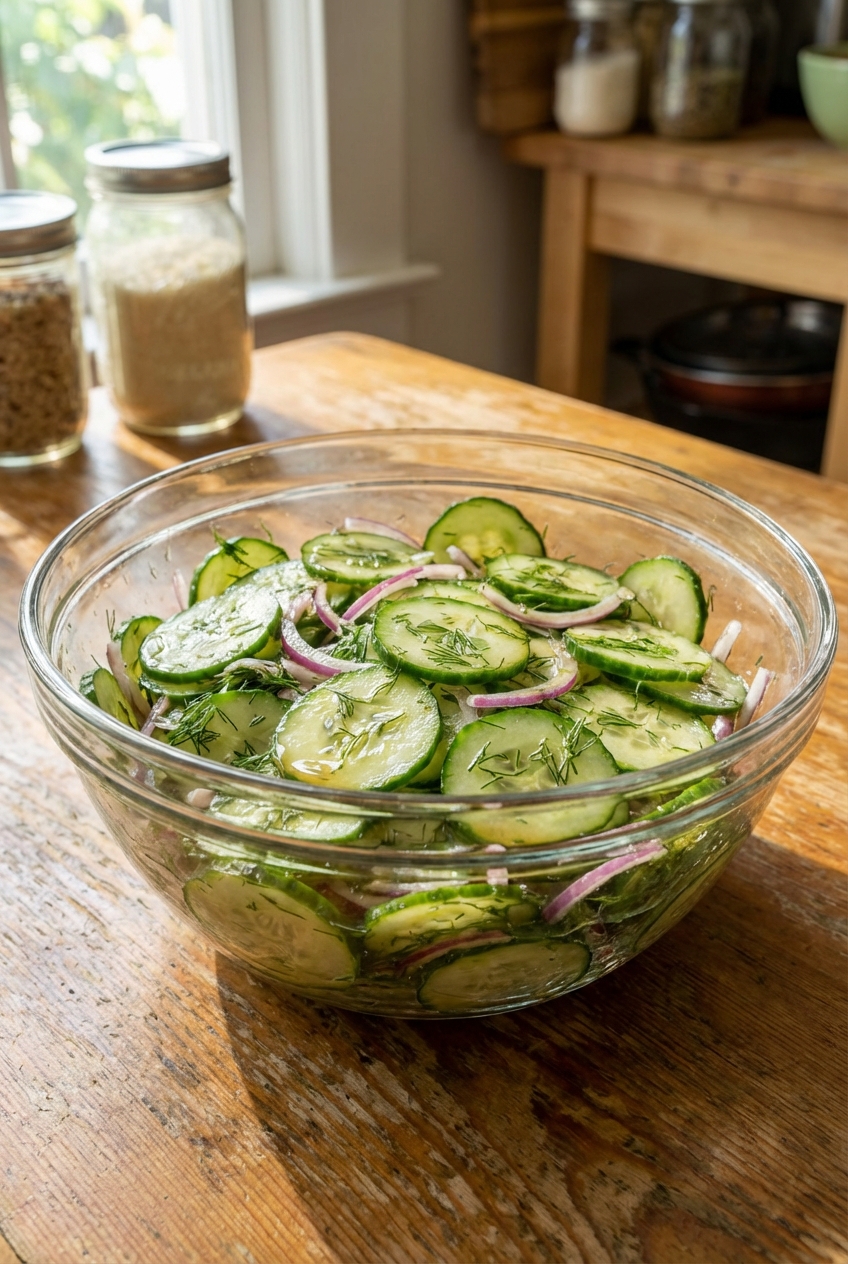
  • Arugula Salad with Lemon Vinaigrette

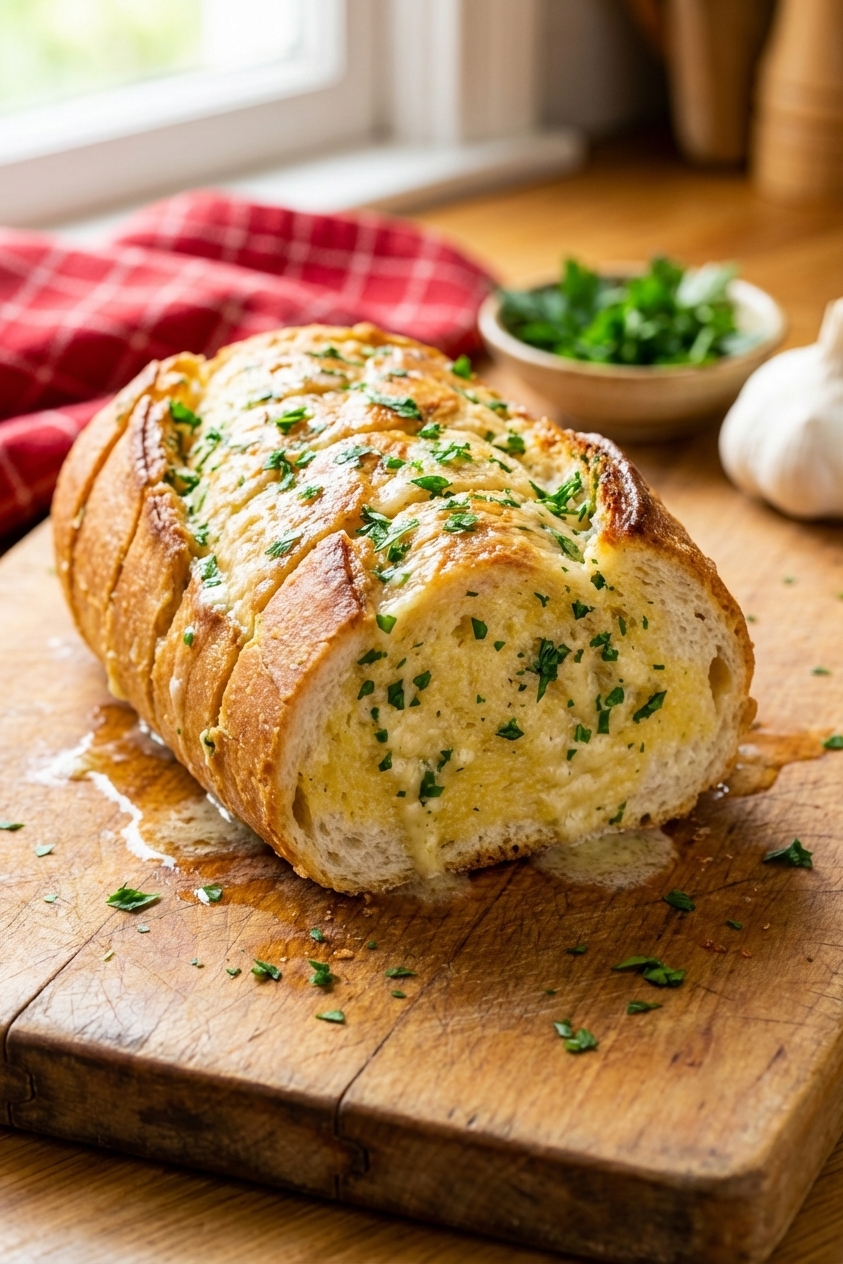
  • Oven Garlic Bread (Crisp Edges)

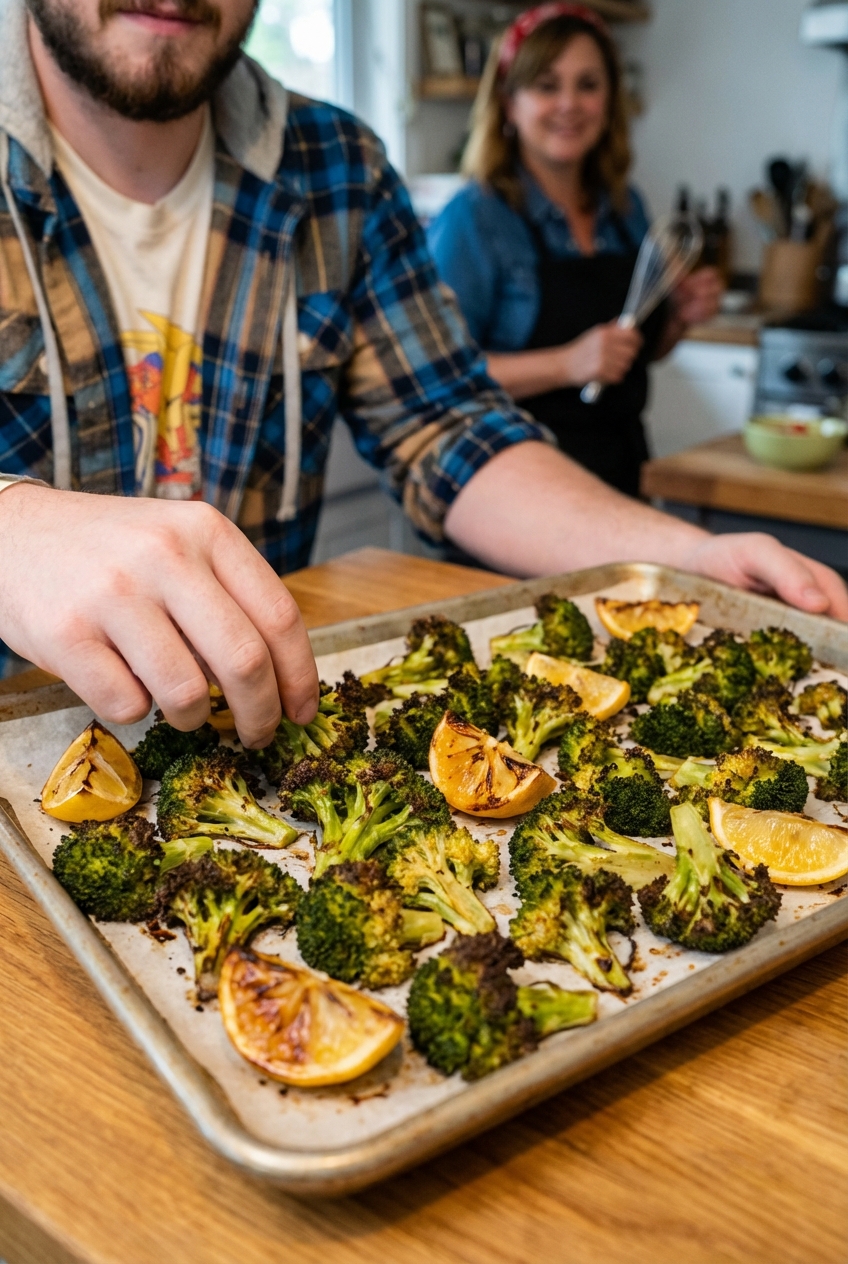
  • Crispy Roasted Broccoli

  • Sparkling Lemon Water or White Wine Spritzer

Storage Tips

Refrigerate: Store leftovers in an airtight container for up to 3 to 4 days.

Reheat (best method): Warm in a skillet over medium-low with a splash of water or broth, stirring until the sauce loosens back up. The pasta will drink sauce in the fridge, so do not be shy with that splash.

Microwave: Add a tablespoon or two of water, cover loosely, and heat in 30-second bursts, stirring between rounds.

Freeze: You can, but the texture is slightly more crumbly once thawed. If you freeze it, thaw overnight in the fridge and reheat slowly with extra liquid and a little olive oil.

Common Questions

Can I use crumbled feta instead of a block?

You can, but a block melts more evenly and gives you that creamy, cohesive sauce. If using crumbles, pack them into a mound in the center and keep an eye on browning.

Why is my sauce grainy or dry?

Usually one of two things: not enough pasta water, or the feta was on the drier side (or low-fat). Fix it by stirring in more hot pasta water a little at a time. A drizzle of olive oil helps bring it together too.

What kind of feta should I buy?

Go for feta in brine if you can. It tends to be creamier and less chalky. Cow’s milk, sheep’s milk, or a blend all work. If possible, avoid low-fat feta for this recipe.

Can I add protein?

Absolutely. Stir in shredded rotisserie chicken, sautéed shrimp, crispy chickpeas, or white beans. Add them after the sauce is formed so nothing overcooks.

Is it super salty?

It can be. Feta brings salt, and salted pasta water can add more. The move is to under-salt the pasta water slightly, then taste at the end and adjust. Lemon juice also helps balance saltiness.

Do I really need 2 pints of tomatoes?

For a 9x13-inch dish and 12 oz of pasta, yes, it helps. More tomatoes means more juices and a saucier finish (and the feta actually gets “buried” like the intro promises). If you only have 1 pint, use a smaller baking dish like 8x8 or 8x11 so everything stays snug and saucy.

The first time I made feta pasta, I expected it to be a “fun internet dinner” and nothing more. Then I pulled the baking dish out and the tomatoes were slumped and jammy, the feta was soft like it had given up on being a cheese block, and my kitchen smelled like garlic bread’s best friend. I stirred, added pasta water, tasted, and immediately did that mid-bite pause. You know the one. Now it is my go-to when I want something cozy and low-drama, but still worthy of a second bowl.