Mom's Best Recipes
Recipe

Ultimate Paper Mache Paste: Smooth and Strong

A strong, smooth paper mache paste that dries hard, grips paper fast, and stays lump free. Perfect for masks, piñatas, and school projects.

Author By Matt Campbell
4.8

Let’s get one thing straight. This is not the kind of recipe you eat. But it is the kind you will absolutely want to make again once you see how well it works.

This is my go-to paper mache paste when I want a finish that dries hard, spreads smoothly, and does not turn into a lumpy glue swamp halfway through the project. It is flour-based, budget friendly, and made with pantry staples. No mystery ingredients, no weird smell, and no heartbreak when it dries.

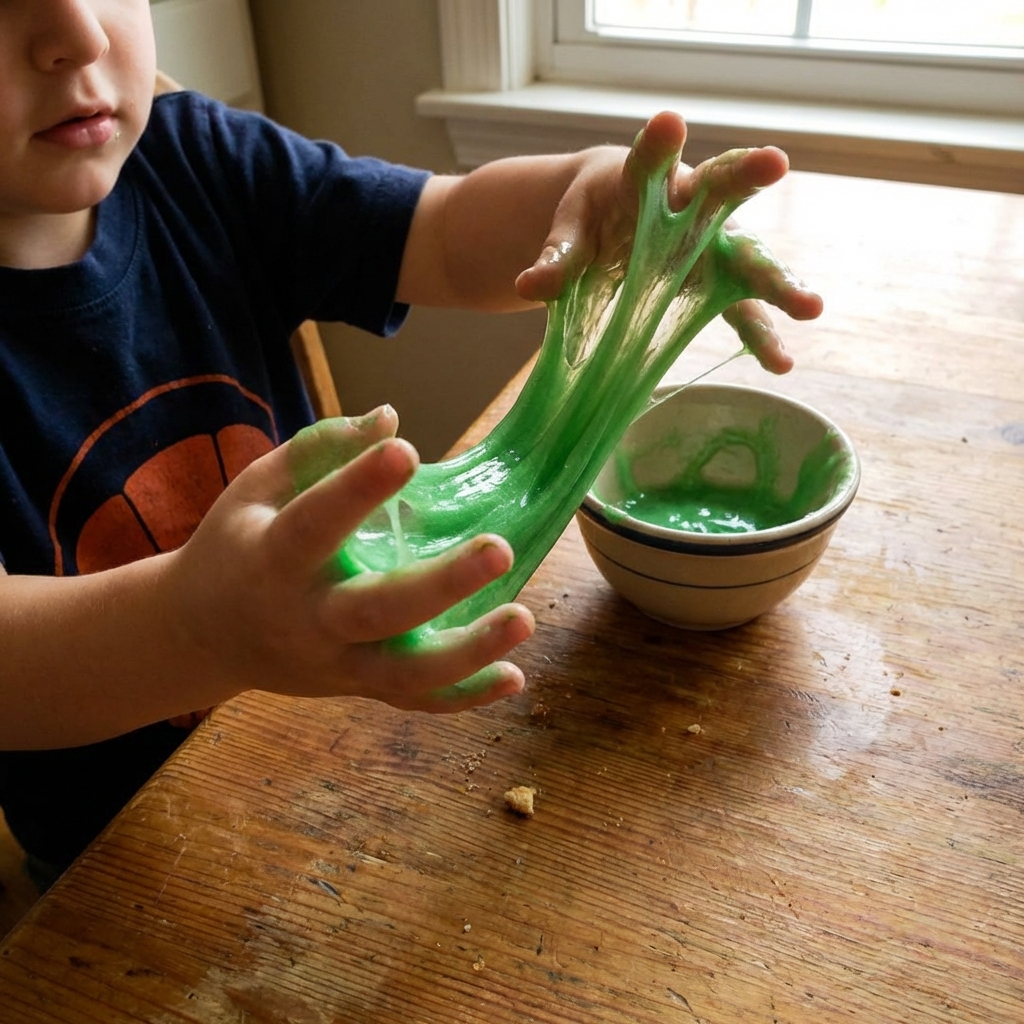
Also, yes, I treat it like a sauce. Thick, glossy, satisfying paste that clings like it means it. Just, you know, for crafts.

Why It Works

  • Strong hold: A quick simmer cooks the flour so the paste grabs paper fast and dries firm.
  • Smooth texture: Whisking into cold water first prevents lumps so you get an easy, paint-like spread.
  • Fewer surprises: Optional oil and glue can help flexibility and durability, but results vary by paper type and thickness.
  • Kid and classroom friendly: Low odor, easy cleanup, and ingredients you likely already have.

Pairs Well With

Storage Tips

Short version: Treat it like a homemade sauce. Keep it covered, keep it cold, and use it soon.

  • Refrigerator: Store paste in an airtight container for up to 3 to 4 days. A jar or lidded deli container works great. If you added sugar, aim for the shorter end since it can spoil faster.
  • Prevent a skin: Press plastic wrap directly on the surface before sealing the lid.
  • Keep it cleaner while you work: Cover the bowl between dips, and pour a small amount into a “working bowl” so you are not introducing bits of paper, paint, or mystery crumbs into the main batch.
  • To re-use: Whisk well. If it thickened, add 1 to 2 teaspoons warm water at a time until smooth.
  • Do not freeze: It can separate and get grainy when thawed.
  • When to toss: If it smells sour or fermented, develops bubbles, grows mold, or turns stringy in a bad way, it is done.

Common Questions

Can I make this without cooking it?

You can, but the cooked version is stronger and smoother. If you need a no-cook option, whisk flour and water into a thin batter and use immediately, but expect a slightly softer dry finish.

How do I avoid lumps?

Whisk the flour into cold water first until smooth, then heat. If lumps still happen, strain through a fine mesh sieve or hit it with an immersion blender.

Is this safe for kids?

Yes with normal craft supervision. These are typical pantry ingredients plus optional school glue, but it is not food. Do not let kids taste it, and wash hands after crafting. Note: this recipe contains wheat flour (allergen).

Why add salt?

Salt can help a little with short-term freshness, but it is not a true preservative at this amount. Refrigeration and using it within a few days matter most.

Can I add glue?

Yes. A small amount of white school glue (PVA) boosts strength and durability and can make the finished project a bit more water-resistant, but it will still not be waterproof. It is optional, but great for masks, props, and anything you want to keep.

How long does paper mache take to dry?

Typically 12 to 24 hours per layer depending on thickness, humidity, and airflow. A fan helps a lot. A hair dryer can work for small areas, but slower drying usually leads to fewer cracks.

How many layers do I need?

It depends on the project and paper type, but here is a solid starting point: 3 to 4 layers for balloons and lightweight shapes, 5 to 6+ for masks and piñatas. Stop when it feels rigid and no longer flexes when you gently press it.

I learned pretty quickly that paper mache paste is like a weeknight sauce. If you rush it, you get lumps. If you do the small boring step first, whisking flour into cold water, everything magically behaves. The first time I made a proper cooked batch, I had that same feeling I get when a pan sauce finally turns glossy and smooth. It just clicks. Now it is my default for school projects, last-minute Halloween props, and any “we can totally make that” idea that shows up five minutes before bedtime.