Mom's Best Recipes
Recipe

Ultimate Pie Dough Recipe

Buttery, flaky, and forgiving pie dough with cozy, crisp edges. One recipe for sweet or savory pies, made with simple ingredients and zero drama.

Author By Matt Campbell
4.9
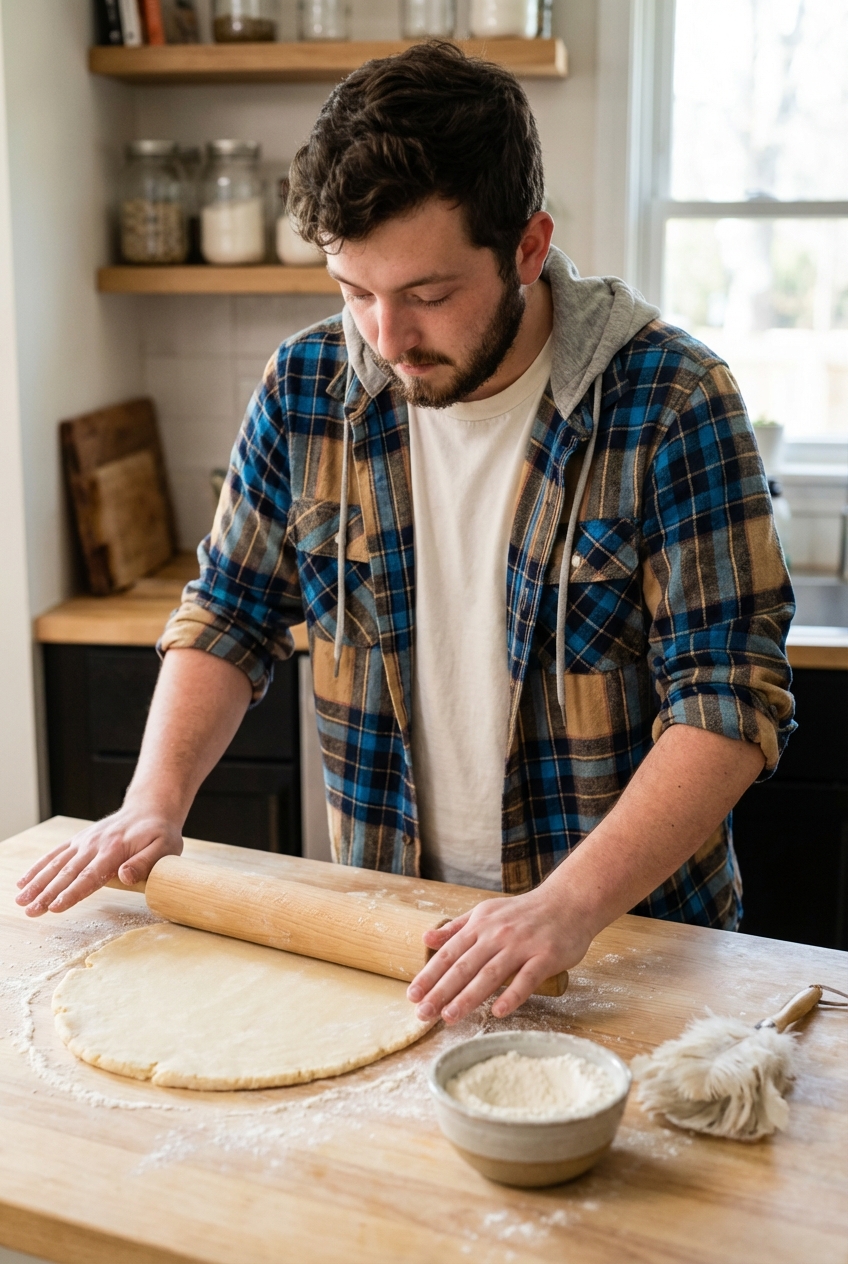
A round of pie dough being rolled out on a lightly floured wooden countertop with a rolling pin and a small bowl of flour nearby

Pie dough has a reputation for being fussy, like it can sense fear. I get it. But here’s the truth: great pie crust is less about perfection and more about a few smart habits. Keep things cold, don’t overwork it, and give the dough a little time to rest so it can relax and behave.

This is my warm and cozy everyday pie dough, meaning it rolls without cracking, bakes up flaky, and tastes like actual butter because it is. It’s friendly enough for weeknights, but strong enough for your big holiday pies. And if you end up patching a tear or two, welcome to the club. The oven will never tell.
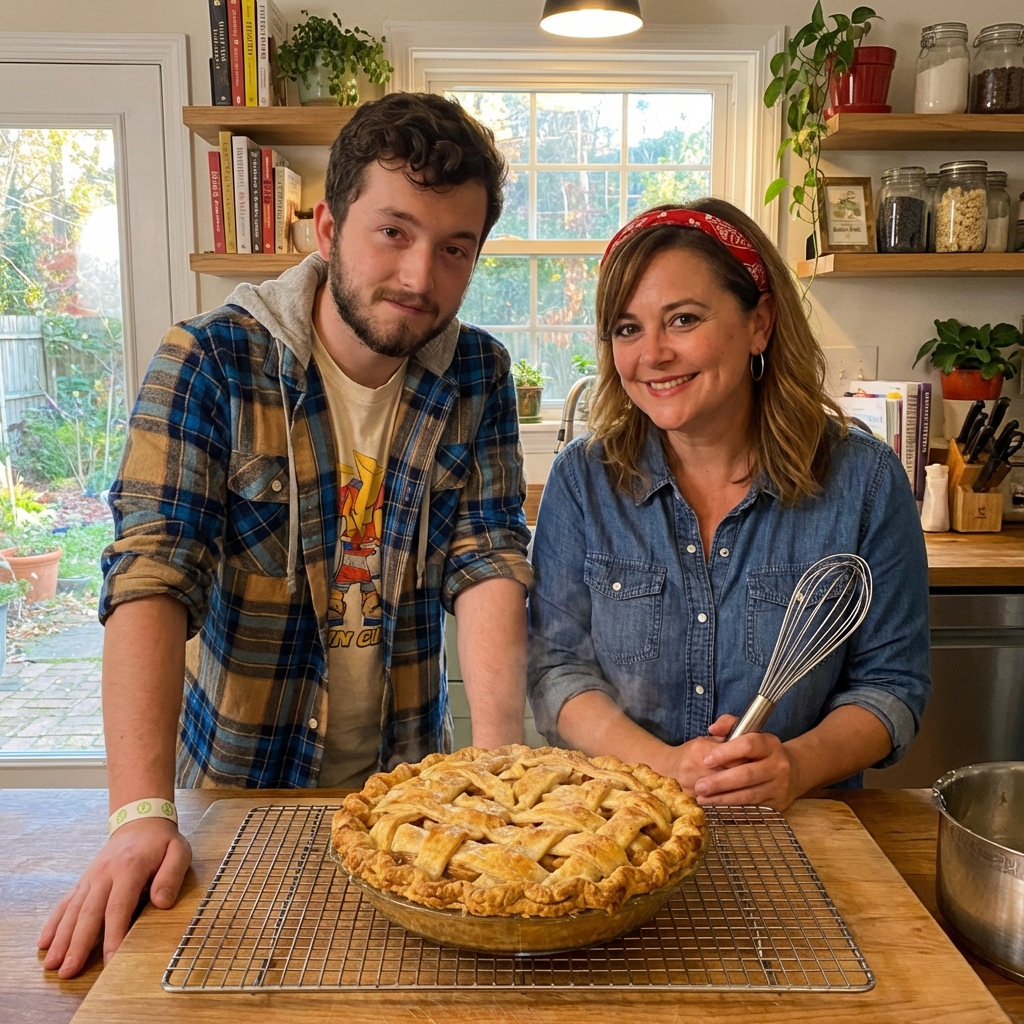
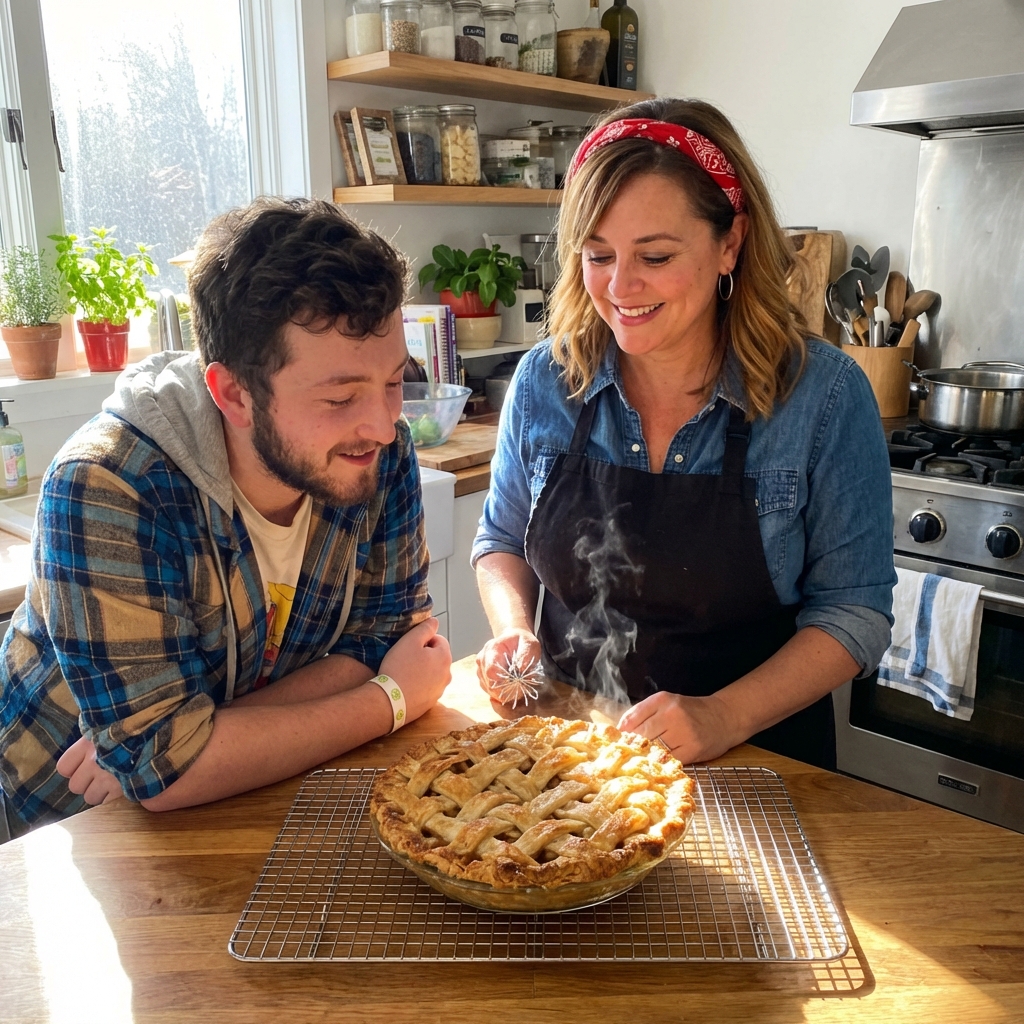
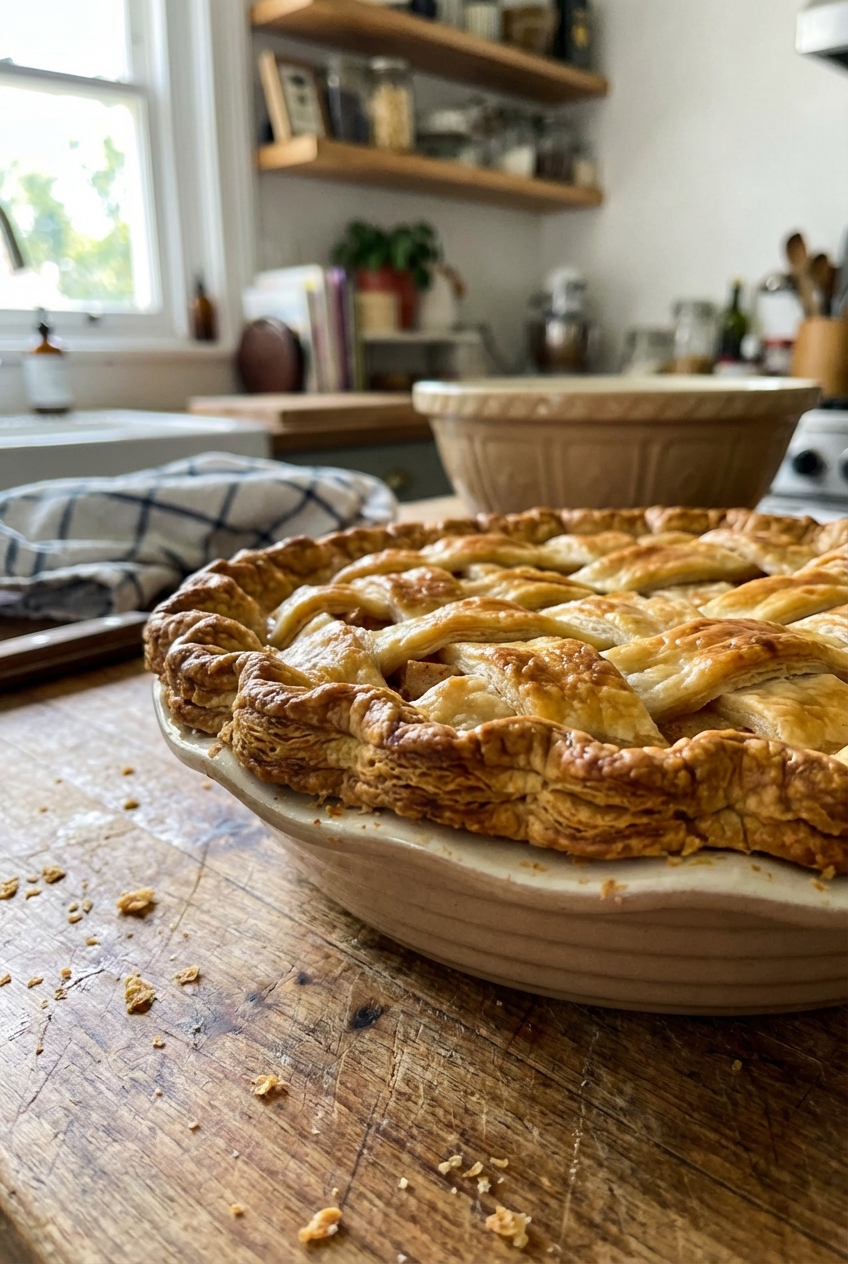
A baked pie with a golden, flaky crust cooling on a wire rack in a cozy kitchen

Why It Works

  • Flaky layers, not a tough crust: Cold butter cut into the flour creates steam pockets as it bakes.
  • Easy to roll: A touch of vinegar helps the dough stay tender and cooperative, so it’s less likely to fight you on the countertop.
  • Reliable browning: A small amount of sugar helps the crust turn beautifully golden. For very savory pies, feel free to reduce it or skip it.
  • Forgiving texture: The dough hydrates as it rests, meaning fewer cracks and less “why is this happening” energy.

Pairs Well With

  • A slice of classic apple pie with a flaky crust on a plate

    Classic Apple Pie

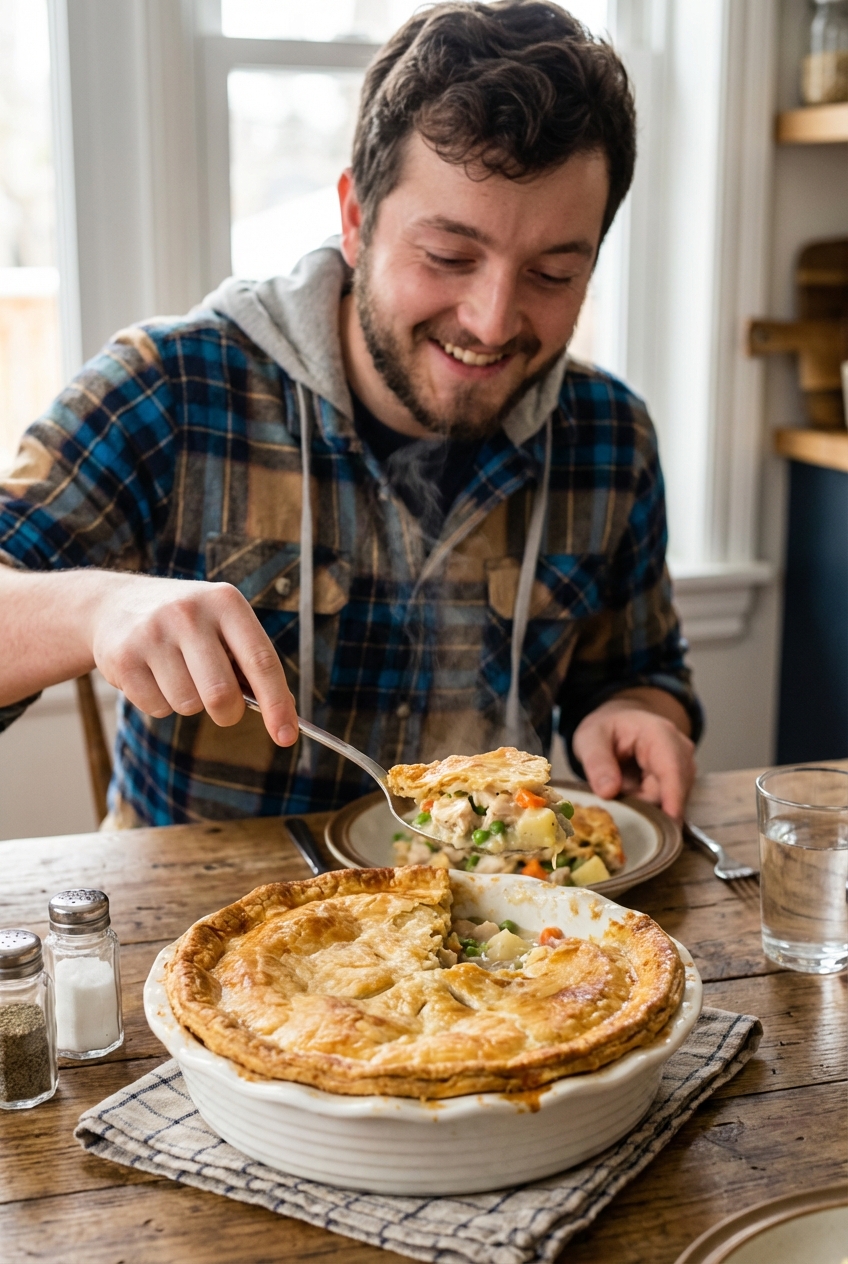
  • A slice of chicken pot pie with a golden top crust and creamy filling

    Cozy Chicken Pot Pie

  • A pumpkin pie with whipped cream on top

    Spiced Pumpkin Pie

  • A rustic tomato galette with browned crust on a baking sheet

    Tomato and Cheddar Galette

Storage Tips

How to Store Pie Dough

  • Refrigerator: Wrap each disk tightly in plastic wrap, then slip into a zip-top bag. Refrigerate up to 3 days.
  • Freezer: Freeze wrapped disks up to 3 months (best quality within about 2 to 3 months). Thaw overnight in the fridge.
  • Rolled-out crust: You can roll the dough, lay it in the pie plate, and chill (covered) up to 24 hours before baking.
  • Pro tip: If the dough feels rock-hard after chilling, let it sit at room temp for 5 to 10 minutes before rolling so it doesn’t crack at the edges.

Common Questions

Common Questions

Butter or shortening, which is better?

Butter wins for flavor and those crisp, golden edges. Shortening can be easier to handle and tends to be more neutral in flavor. This recipe sticks with all-butter and uses a couple tricks (cold temp, a little vinegar, proper rest) so it still rolls nicely.

Why add vinegar?

Vinegar helps the dough stay tender and easier to handle. It can slightly mellow gluten development, but think of it as a small assist, not a magic spell. You won’t taste it.

My dough is cracking when I roll it. What do I do?

Cracking usually means the dough is too cold or a touch under-hydrated. Let it warm up for 5 to 10 minutes, then roll again. If it still crumbles, mist with 1 teaspoon ice water, knead gently just to bring it together, and rest 15 minutes.

My dough is sticky. Did I ruin it?

Nope. Dust the counter and rolling pin with flour and keep rolling. If it’s very soft, chill the dough 10 to 15 minutes before continuing.

Why does my crust shrink or slump?

  • Don’t stretch the dough when you move it into the pan. Lift and settle it.
  • Let it rest after rolling and shaping. A good chill helps it relax and hold its shape.
  • Chill before baking, especially for blind bakes.

Should I blind bake this crust?

Blind bake for custard pies (pumpkin, pecan, chocolate cream) and any filling that’s very wet. For fruit pies that bake a long time, you can often skip full blind baking, but I still like chilling the shaped crust first.

How do I prevent a soggy bottom?

  • Chill the shaped crust before baking.
  • Bake on a preheated sheet pan or baking steel.
  • For very juicy fruit, toss with enough thickener and let it sit 10 minutes so you can see how much liquid you’re working with.

The first time I tried to make pie dough, I treated it like bread dough. I kneaded it, I worked it, I basically gave it a full workout. The result was a crust you could probably roof a shed with. Now I make dough the way I like cooking in general: relaxed, curious, and tasting the process. Cold butter, quick hands, and enough rest time to let the flour hydrate. It’s the kind of dough that makes the kitchen smell like something good is about to happen.