Mom's Best Recipes
Recipe

Ultimate Dressing Recipe

A rich, savory, herby bread dressing with crisp edges, a tender center, and big holiday flavor. Built from accessible ingredients, tested for make ahead ease, and designed to taste like you meant to show off.

Author By Matt Campbell
4.9
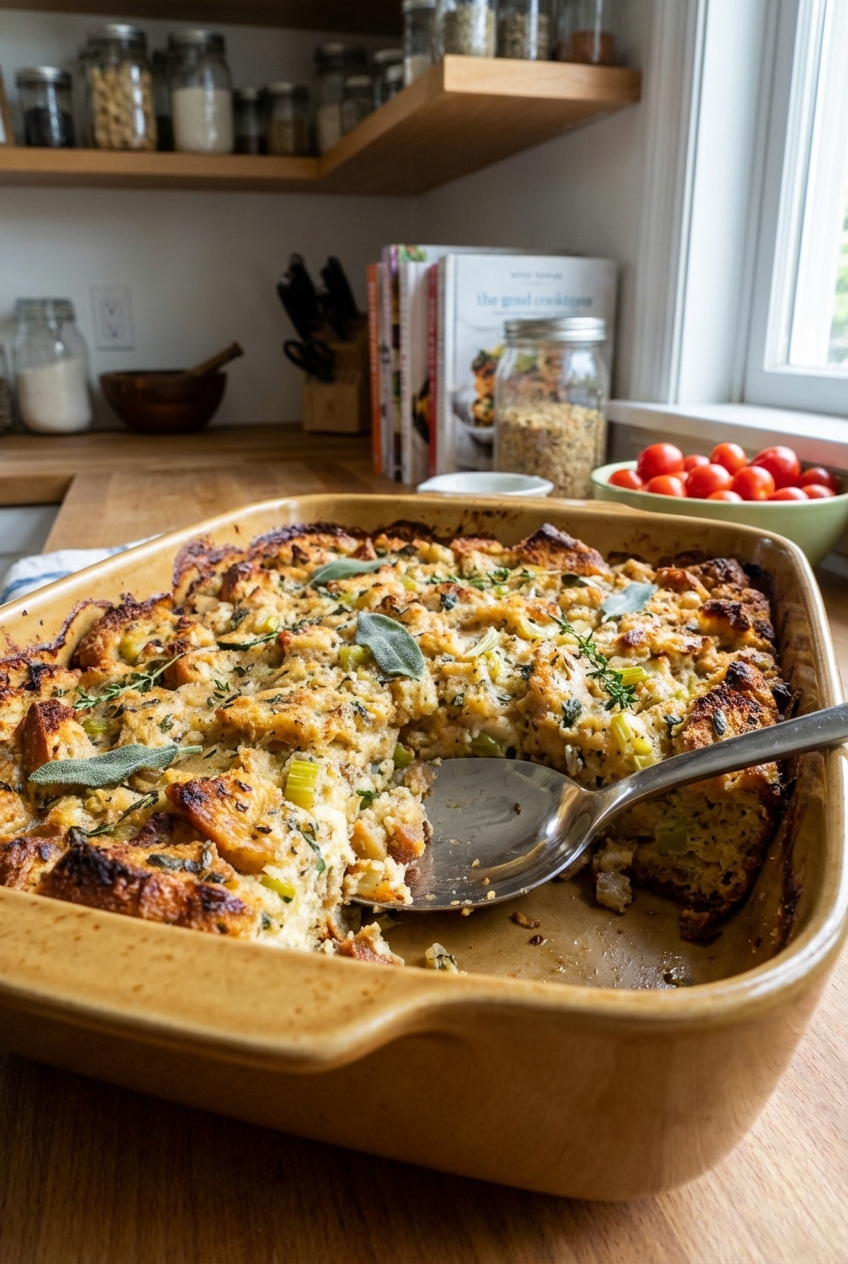
A golden brown pan of rich savory bread dressing with crisp edges, visible herbs, and a serving spoon resting in the dish on a kitchen counter

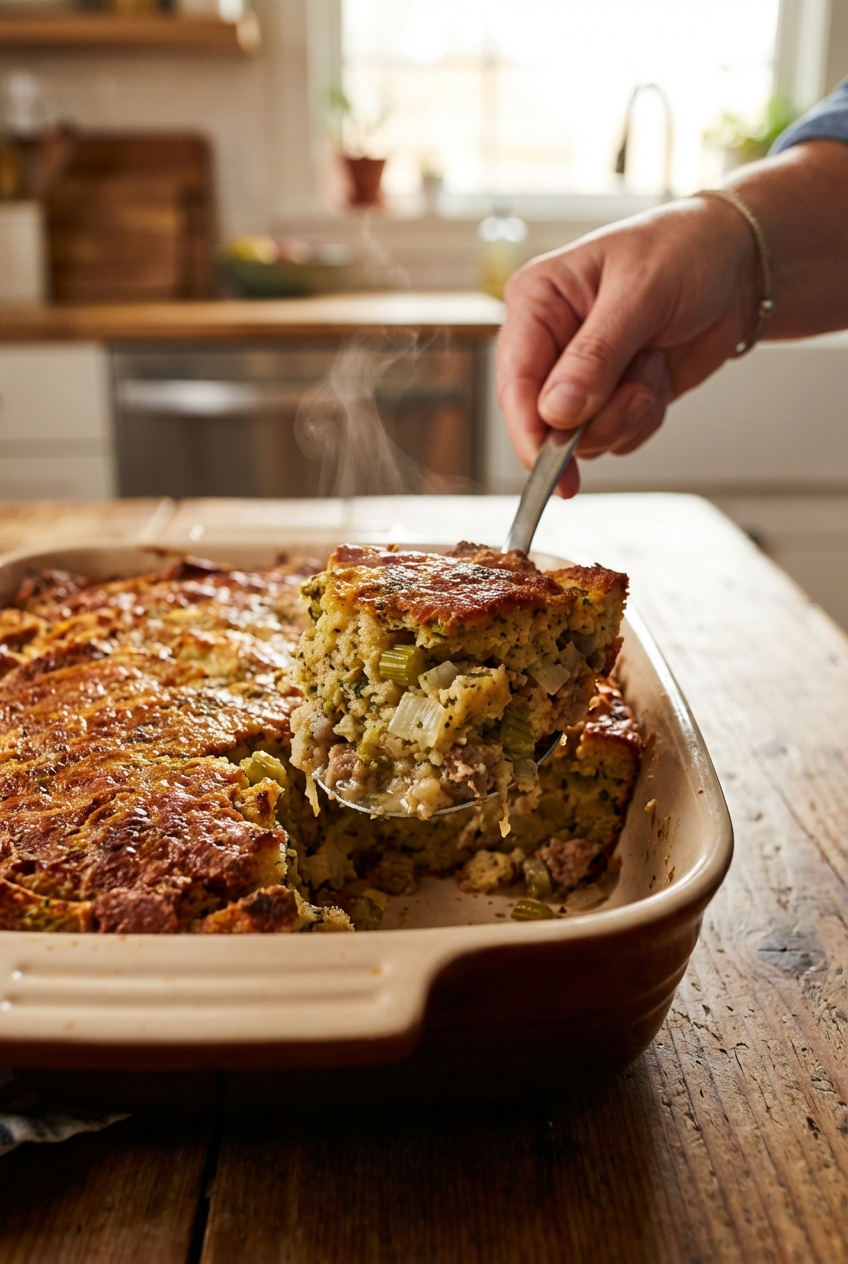
If you have ever watched a perfectly browned pan of dressing come out of the oven and thought, that is the main character, welcome. This is my ultimate rich and savory dressing: deeply seasoned, buttery, and packed with onions, celery, herbs, and just enough broth to keep the middle plush while the top gets those craveable crisp corners.

It is the kind of recipe that feels classic, but it has a few quiet upgrades that make it hit harder: toasted bread for better texture, a quick butter and herb bloom for bigger aroma, and an optional splash of acidity to keep everything tasting lively, not heavy.
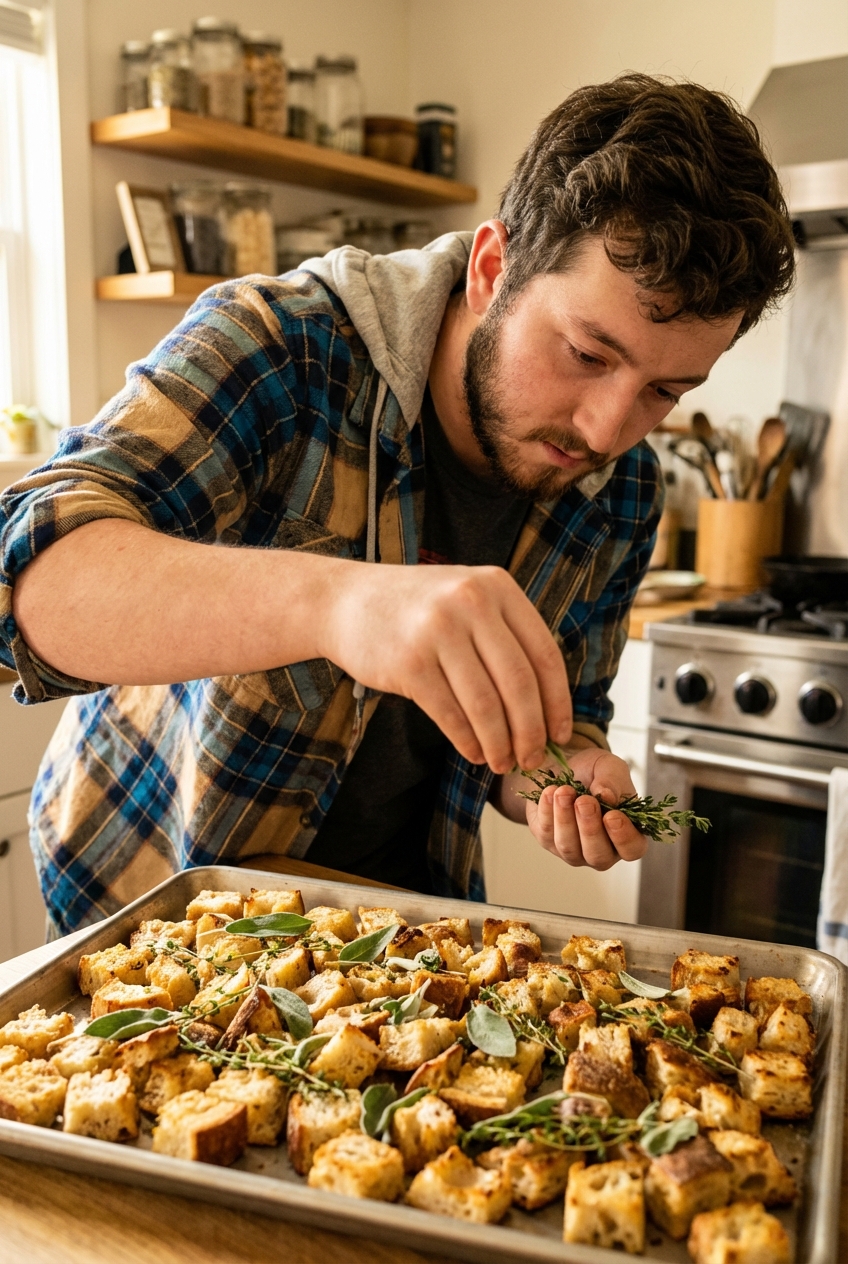
Rustic cubes of toasted bread on a sheet pan with scattered sage and thyme leaves in a warm kitchen

Why It Works

  • Crisp edges, cozy center: Toasted bread and the right broth ratio means no soggy heartbreak.
  • Rich and savory without being greasy: Butter plus sautéed aromatics builds depth, then eggs set it into a tender custardy hold.
  • Make ahead friendly: Prep the components the day before, then bake when you need it.
  • Flexible: Keep it vegetarian, or go full “holiday energy” with sausage, mushrooms, or fully cooked chopped giblets.

Pairs Well With

Storage Tips

Refrigerate: Cool completely, then cover and refrigerate for up to 4 days.

Freeze: Portion into airtight containers and freeze up to 2 months. Thaw overnight in the fridge.

Reheat (best texture): Spread leftovers in a baking dish, splash with a tablespoon or two of broth, cover with foil, and warm at 350°F for 15 to 25 minutes. Uncover for the last 5 minutes to bring back the crisp top.

Microwave tip: Works for speed, but the oven is how you get your edges back.

Common Questions

Is dressing the same as stuffing?

Same vibe, different method. Stuffing goes inside the bird. Dressing is baked in a dish, which means more crisp top, easier food safety, and honestly, better texture control.

What is the best bread to use?

Dry, sturdy bread wins. Think French bread, sourdough, Italian loaf, or a mix. Avoid super soft sandwich bread unless it is well toasted, since it can go mushy fast.

How dry should the bread be?

Very dry. It should feel crisp and light after toasting. Dry bread drinks up broth without collapsing, which is exactly what we want.

Can I make it ahead?

Yes. You can toast the bread and cook the vegetables up to 2 days ahead. Or assemble everything (do not bake), cover, and refrigerate overnight. For best texture and easiest peace of mind, stir in the eggs right before baking. If the mixture looks dry the next day, add a small splash of broth before it goes in the oven.

How do I keep it from being soggy?

Toast the bread, add broth gradually, and aim for “moist but not soupy.” The mixture should hold together when pressed but not pool liquid in the bottom of the bowl.

Can I make it vegetarian?

Absolutely. Use vegetable broth and skip meat. For extra savory depth, add sautéed mushrooms or a teaspoon of miso stirred into the broth.

How do I know it is done?

The center should be hot and set (not wet), and the top should be golden with crisp edges. If you like a number, aim for 165°F in the center.

I used to treat dressing like a side dish you babysit once a year, mostly because everyone has an opinion and nobody can explain it. Then I started chasing the texture I actually wanted: edges with crunch, center that stays tender, and seasoning that tastes like you cooked with confidence. This version is what I make when I want the table to go quiet for a second after the first bite. Also, I always “test” a corner before serving, purely for quality control, obviously.