Mom's Best Recipes
Recipe

Ultimate Sea Bass Recipe

Crispy-skinned sea bass or branzino with a lemon caper brown butter sauce that tastes restaurant-level but cooks fast on a weeknight.

Author By Matt Campbell
4.8
A golden seared sea bass fillet with crispy skin on a white plate, topped with lemon caper brown butter sauce, with a lemon wedge and parsley on the side

Sea bass is one of those “order it out” fish that feels fancy for no reason other than it is buttery, flaky, and basically dares you to overthink it. Do not. We are going to keep it simple, keep it bold, and get that dream scenario: crisp skin, juicy center, and a sauce you will want to spoon over everything.

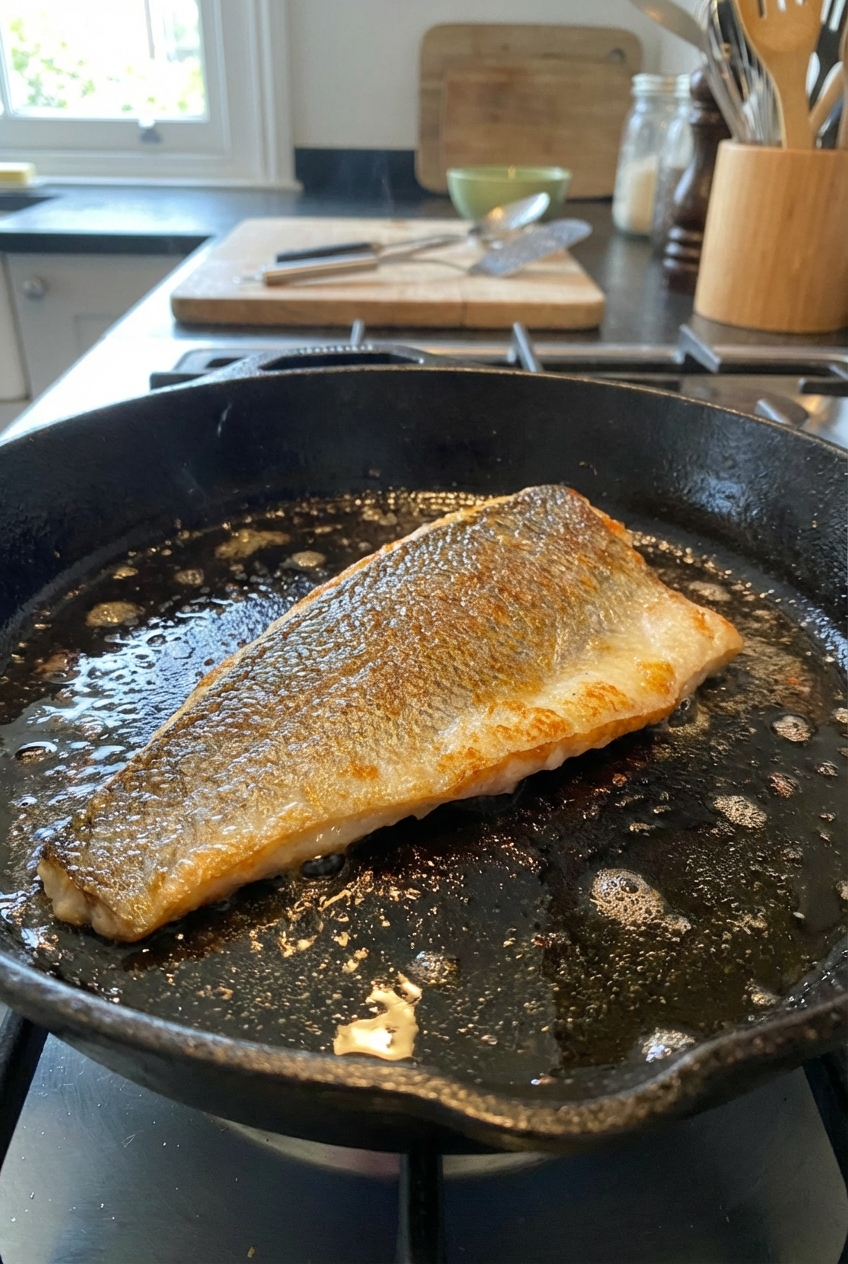
This recipe leans into what sea bass already does well. A quick pan sear gets the edges crackly and the flesh pearly. Then we go full cozy with a lemon caper brown butter that hits rich, briny, and bright all at once. It tastes like you babysat it. You did not.

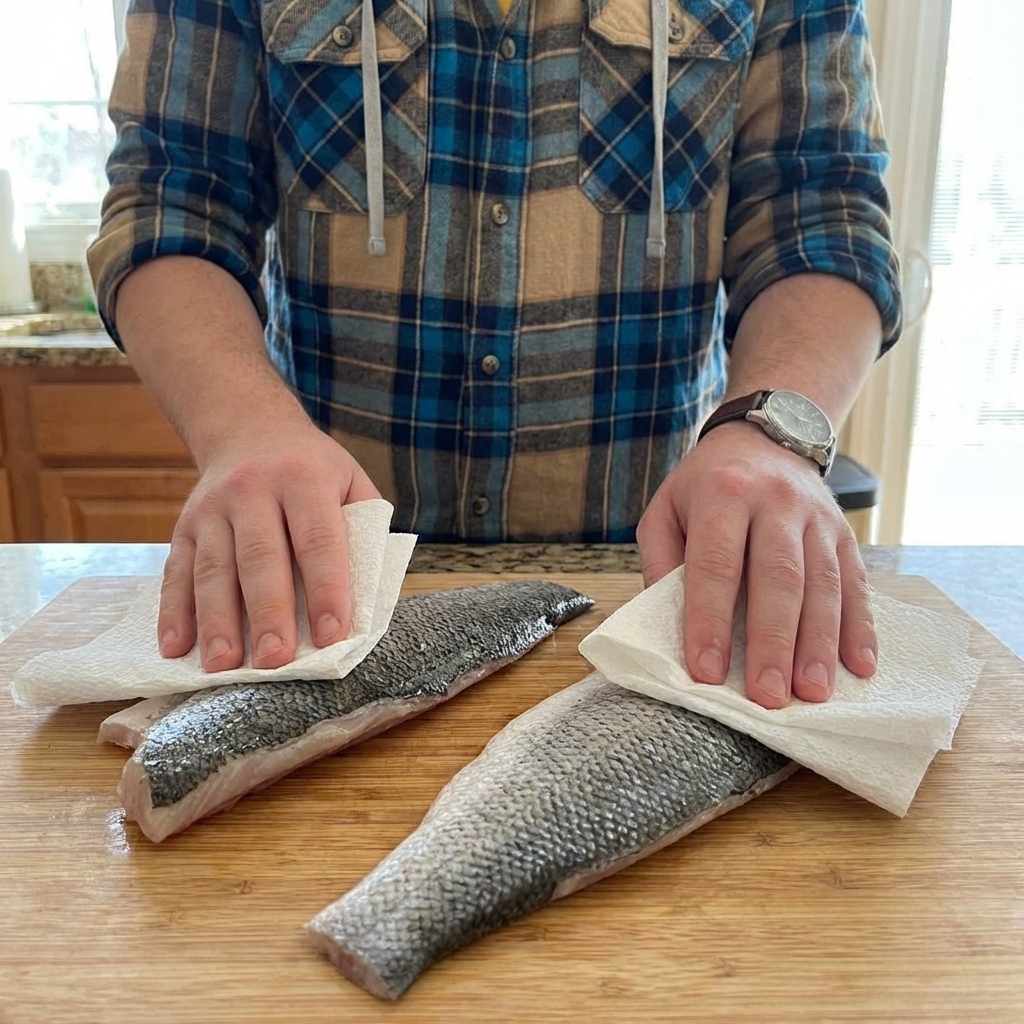
A close-up photo of sea bass fillets skin-side up on a cutting board being patted dry with paper towels

Why It Works

  • Crispy skin without drama: drying the fish and starting skin-side down in a hot pan does most of the work.
  • Juicy, flaky fish: sea bass cooks fast, so we finish gently and pull it at the doneness you like.
  • Restaurant-style sauce in minutes: brown butter brings nuttiness, capers bring pop, and lemon keeps it bright.
  • Accessible ingredients: no rare pantry items, just smart technique and good seasoning.

Pairs Well With

Storage Tips

How to Store Leftovers

Sea bass is best the night you make it, but leftovers can still be really good if you treat them gently.

  • Refrigerate: Store fish and sauce separately if you can. Keep in airtight containers for up to 2 days.
  • Reheat: Warm the fish in a skillet over low heat with a tiny splash of water, then cover for 2 to 4 minutes. For crispier skin, reheat uncovered and accept that it will not be quite like day one.
  • Sauce: Rewarm the brown butter sauce on low, just until melted. If it looks greasy, whisk in a teaspoon of warm water to bring it back together.
  • Do not freeze: Sea bass can get watery and the texture goes soft.

Leftover move: Flake chilled sea bass into warm rice with a squeeze of lemon and a spoon of sauce. Add a soft egg if you want to feel unstoppable.

Common Questions

Common Questions

What kind of “sea bass” is this recipe for?

Sea bass is a name people use for a few different fish. This method is built for skin-on fillets like European sea bass (branzino) or other skin-on “sea bass” style fillets. If you are cooking Chilean sea bass (Patagonian toothfish), it is often thicker and sometimes sold skinless, so cook by temperature and expect a longer cook time. If your fish is skinless, you can still do it, but you will miss the crispy-skin moment. The sauce still carries.

Can I use frozen sea bass?

Yes. Thaw overnight in the fridge, then pat it very dry before seasoning. Moisture is the enemy of crispy skin.

How do I know when sea bass is done?

The fish should turn opaque and flake easily with a fork. If you use a thermometer, aim for 130°F to 135°F in the thickest part for a moist, restaurant-style finish, then rest for a couple minutes. If you prefer well-done or follow USDA-style guidance, cook to 145°F.

What if my fish sticks to the pan?

It usually means the pan was not hot enough or you tried to flip too early. Give it another 30 to 60 seconds. When the skin is properly seared, it releases more easily. Also make sure there is enough oil under the skin and that the skin is truly dry.

Is Chilean sea bass the same thing?

Chilean sea bass is actually Patagonian toothfish. It is rich and delicious, but different from branzino. This method works for both, just adjust cook time based on thickness and whether the fish has skin.

Can I make this without capers?

Absolutely. Swap in chopped green olives, or skip and add a little extra lemon zest plus a pinch of salt for punch.

Do I need to score the skin?

Usually no. If the skin looks very thick or tough, you can make a few shallow slashes in the skin (do not cut into the flesh). It can help prevent curling and encourage even crisping.

Any sourcing tips for Chilean sea bass?

If you are buying Chilean sea bass, look for reputable sourcing such as MSC-certified when possible.

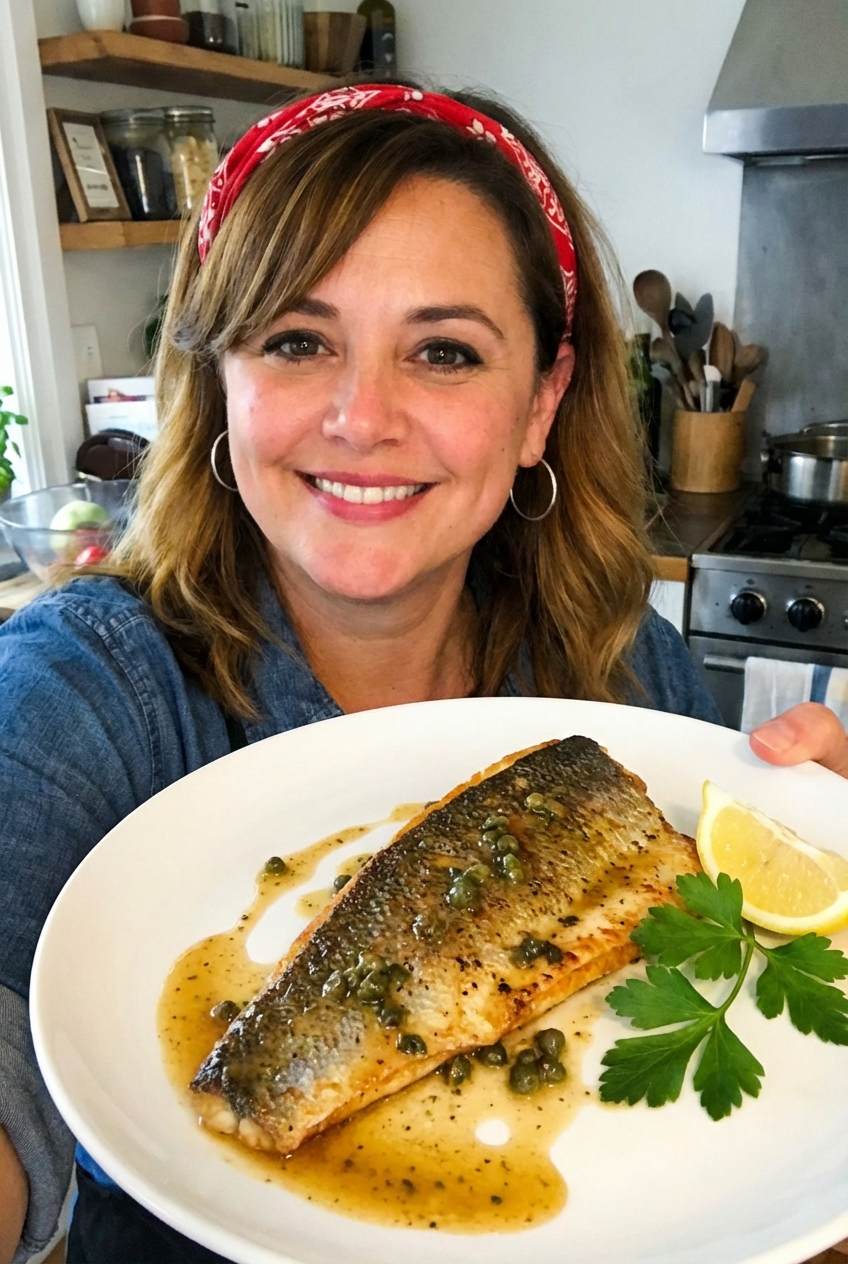
The first time I cooked sea bass at home, I treated it like a fragile museum piece and, surprise, it came out pale and kind of sad. Once I stopped babying it and started patting it dry, salting it right, and letting the pan do its job, it turned into the kind of dinner that makes everyone hover near the stove “just to look.” This is my favorite version: crisp skin, buttery flakes, and a sauce that is loud in the best way.