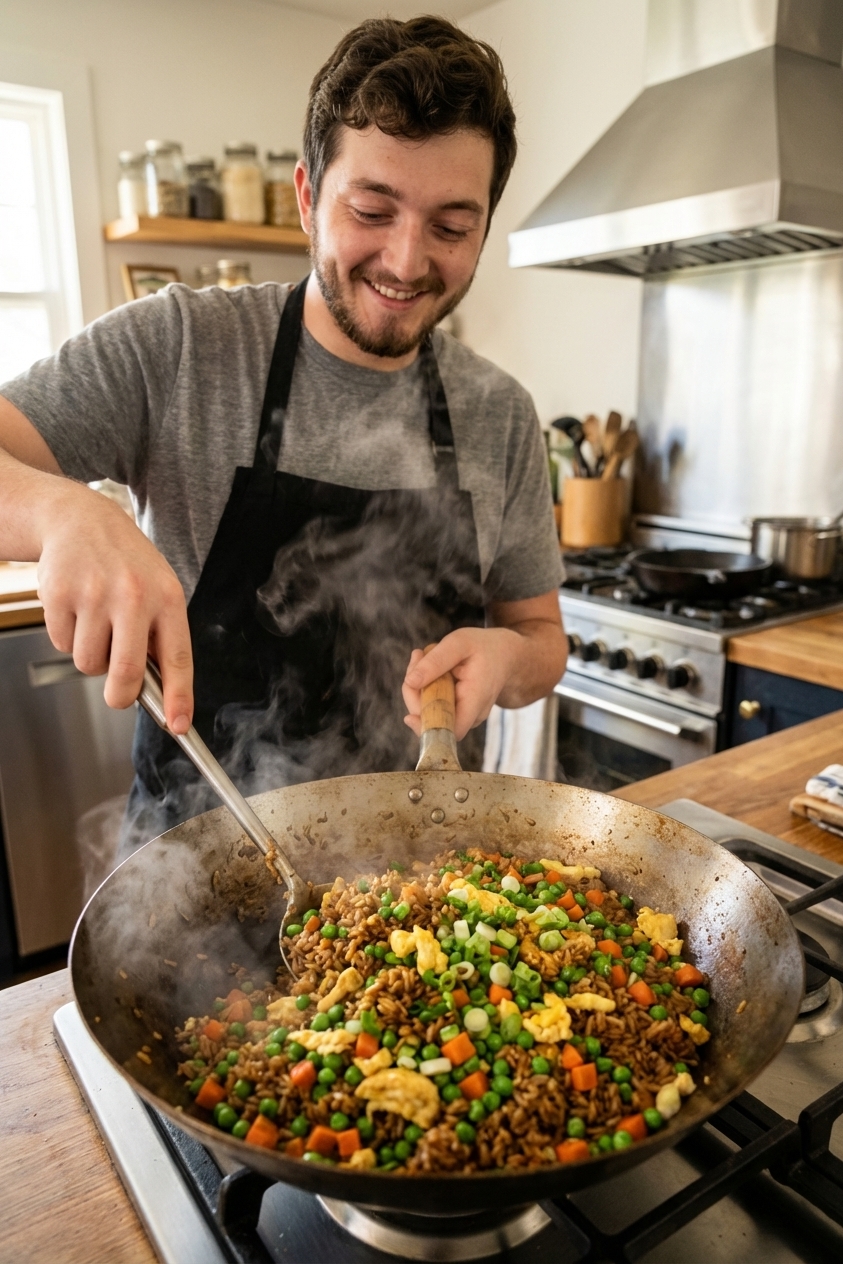
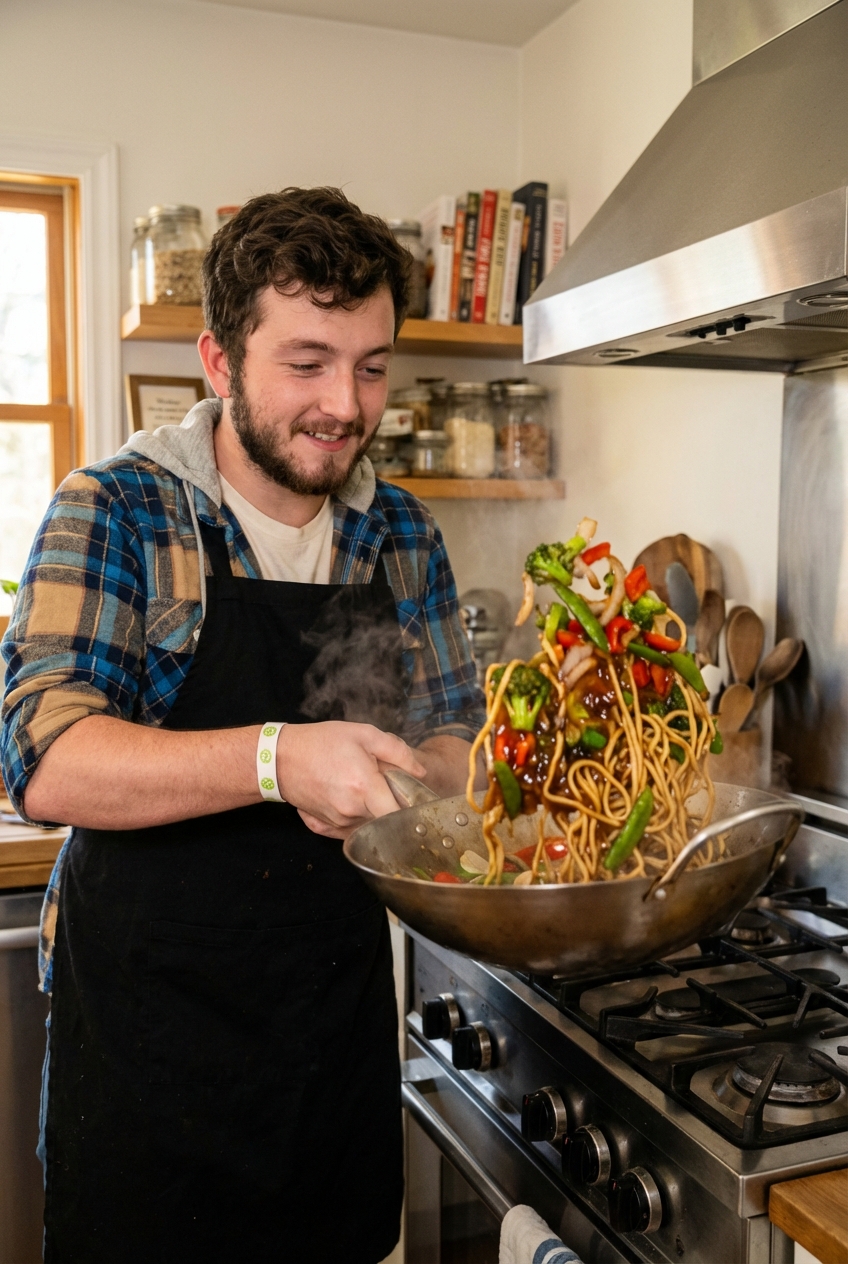
When do I add the sauce to a stir fry?
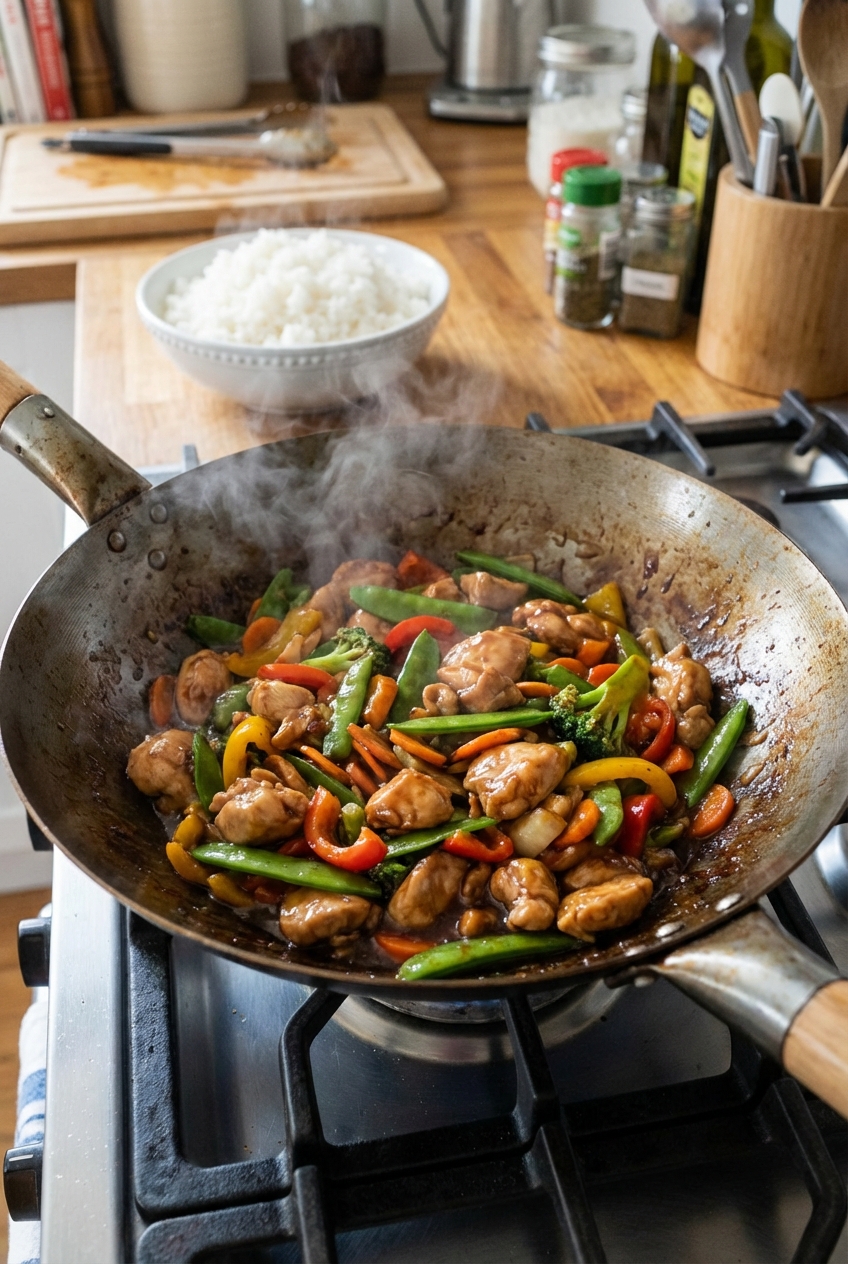
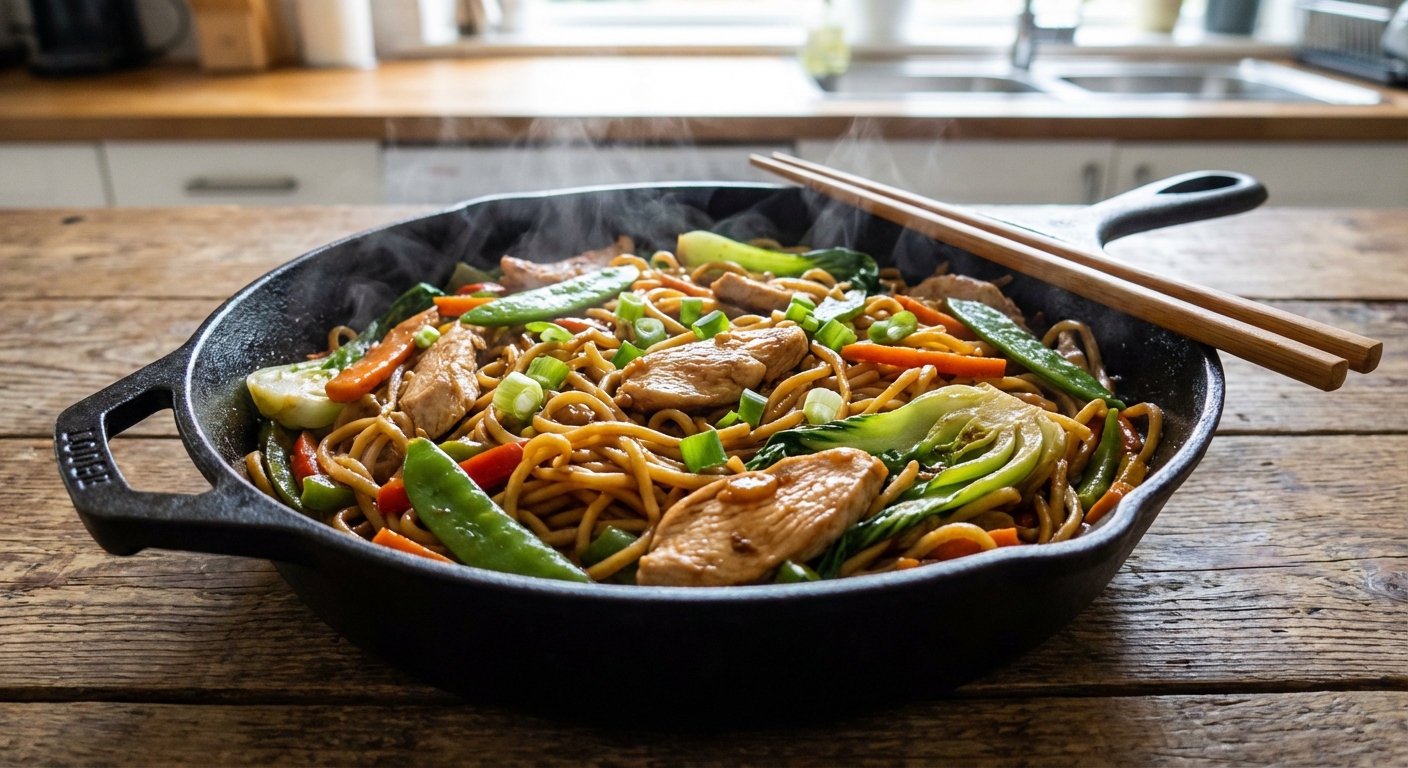
Add it at the end, when your protein is cooked and your vegetables are crisp-tender. Pour it around the sides of the hot pan, toss, and let it bubble for 30 to 90 seconds to thicken and glaze everything. If your pan is crowded (hello, extra noodles), it can take a little longer.
Can I make this without oyster sauce?
Yes. Substitute hoisin sauce (a bit sweeter) or use an extra tablespoon of soy sauce plus 1 teaspoon brown sugar for depth. If you keep it vegetarian, choose a vegetarian “oyster” sauce made from mushrooms.
Is this gluten-free?
It can be. Use gluten-free tamari instead of soy sauce, and make sure your oyster sauce or hoisin is labeled gluten-free (many contain wheat). Cornstarch is naturally gluten-free, but check labels for cross-contamination if you are highly sensitive.
How do I make it spicy?
Add 1 to 2 teaspoons chili garlic sauce, sambal oelek, or sriracha. Or bloom 1/2 teaspoon crushed red pepper flakes in hot oil in your wok before cooking.
Why did my sauce turn lumpy?
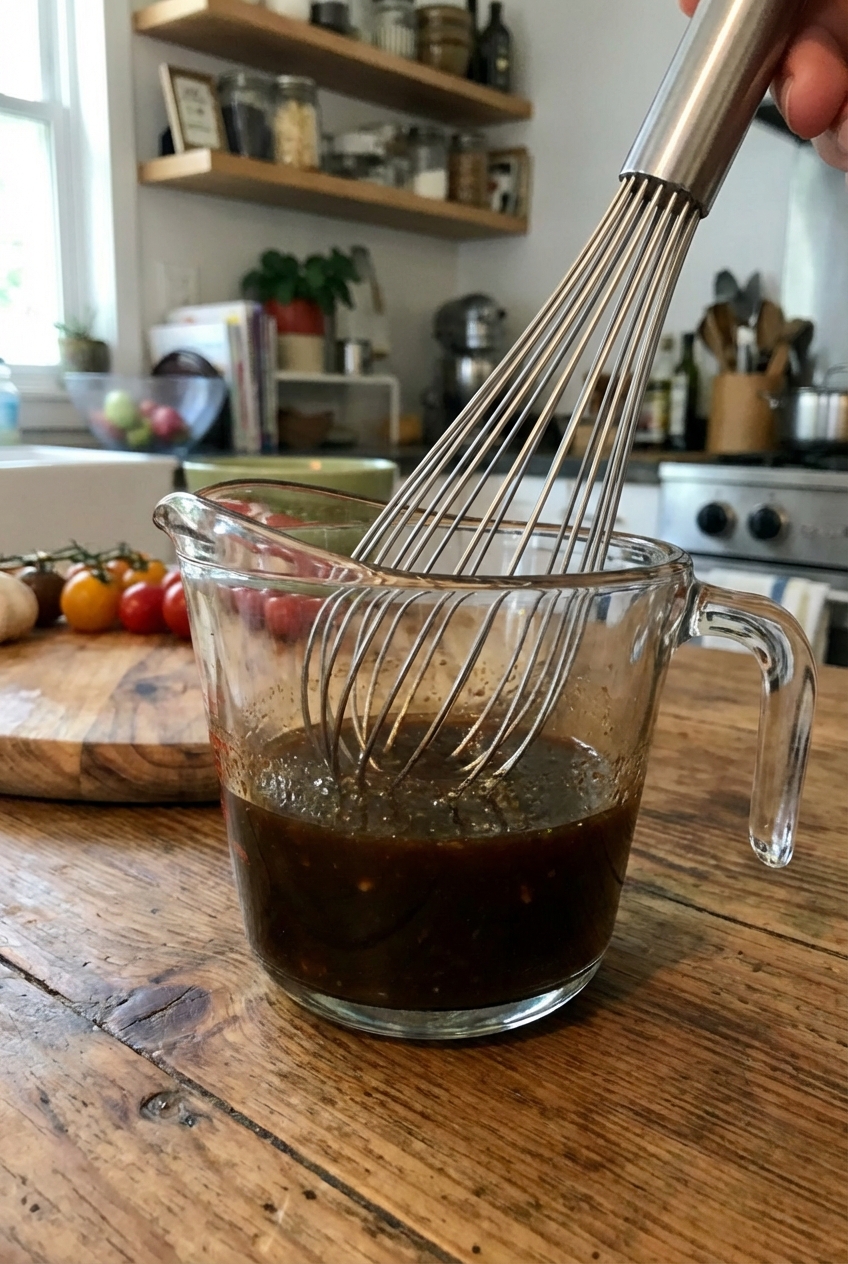
Cornstarch can clump if it hits high heat without being fully dissolved. Whisk the sauce again right before pouring, and pour while tossing. If it still clumps, add a splash of broth and stir until smooth.
Can I use flour instead of cornstarch?
Cornstarch gives the cleanest, glossy finish. In a pinch, use 2 tablespoons all-purpose flour instead of 1 tablespoon cornstarch, whisk very well, and simmer 2 to 3 minutes to cook out the floury taste.
How do I make it less salty?
Start with low-sodium soy sauce if you can. If you only have regular soy sauce, use 1/4 cup soy sauce and an extra 1/4 cup broth or water, then adjust after it thickens. Oyster sauce also adds salt, so taste before adding extra.
Can I double it?
Absolutely. Double everything in equal parts, including the cornstarch. Store it in a jar and shake hard before using since the starch settles.