Why did my mug cake turn out rubbery?
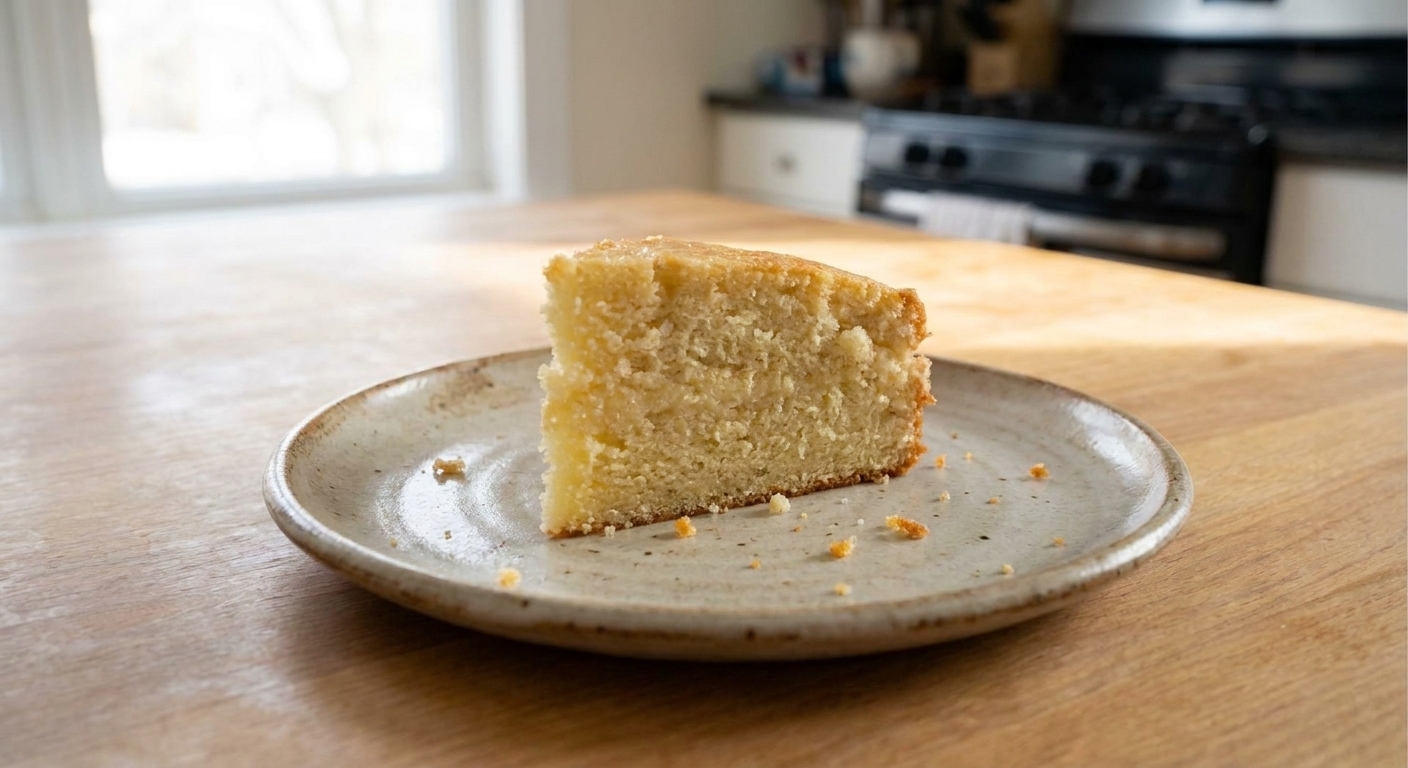
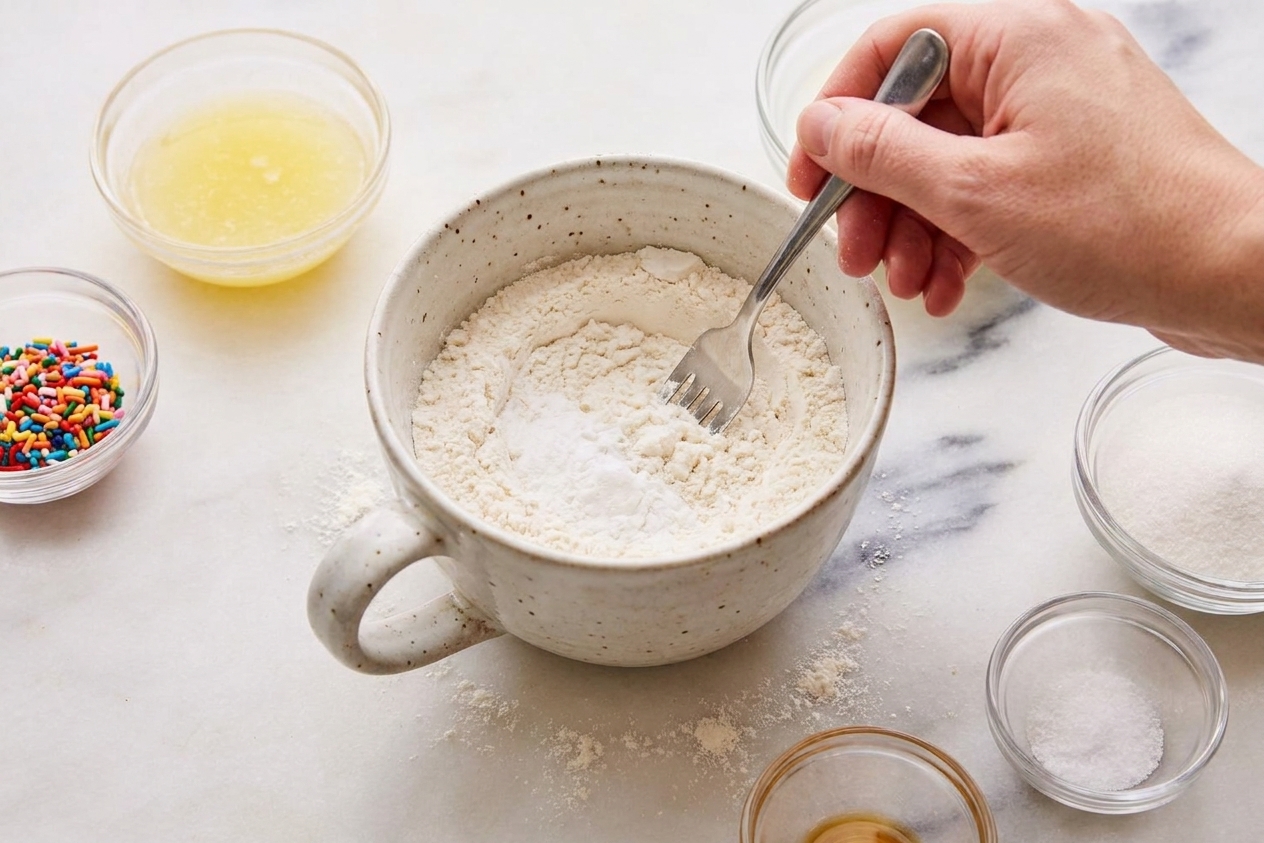
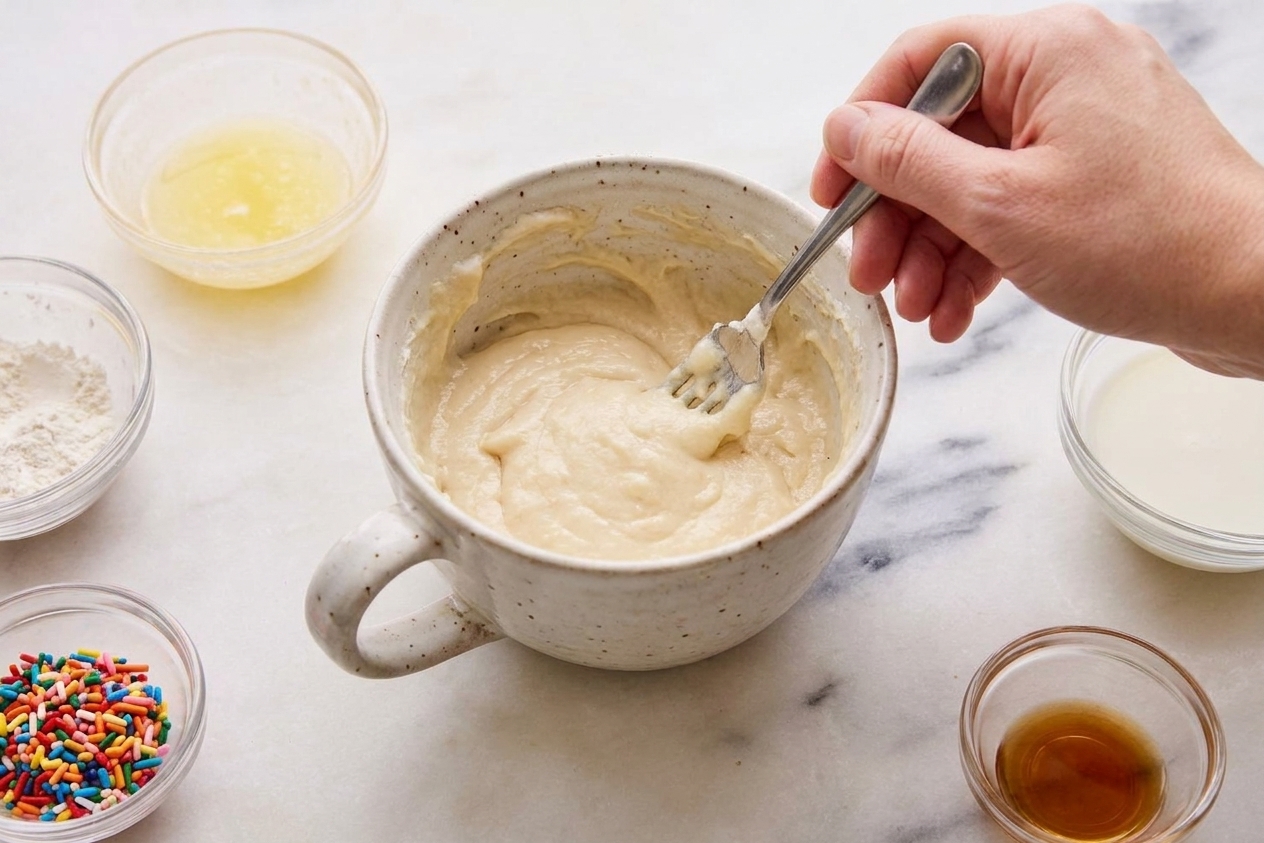
Two usual suspects: over-mixing or over-microwaving. Stir just until you do not see dry flour (think: about 10 to 15 good strokes, not a full arm workout). Then microwave until set but not bone-dry. It will keep cooking for a minute after you stop.
What size mug should I use?
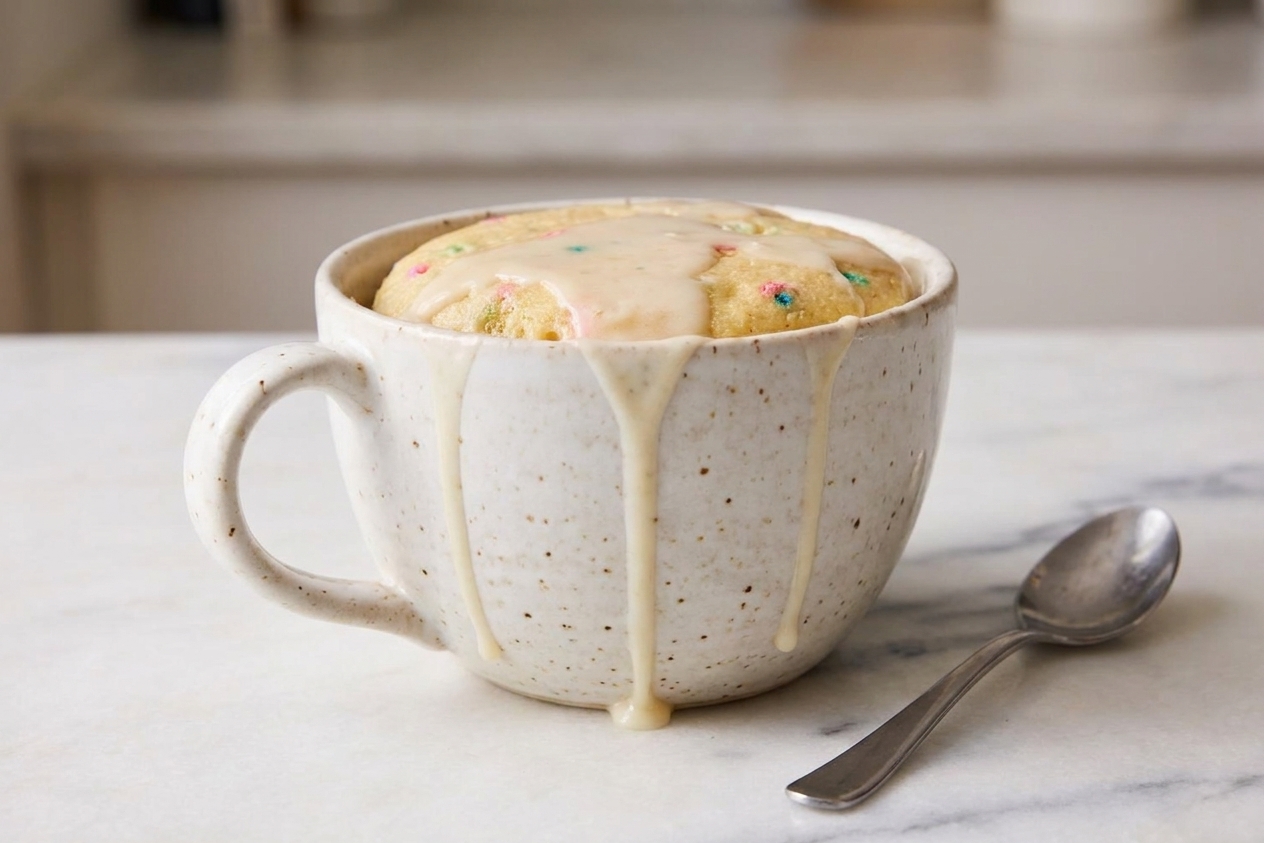
Use a 12 to 14 ounce microwave-safe mug. Smaller mugs can overflow. Wider mugs cook more evenly than tall, narrow ones. Also, your batter should sit at about half full or less before cooking so it has room to rise.
Can I make it without egg?
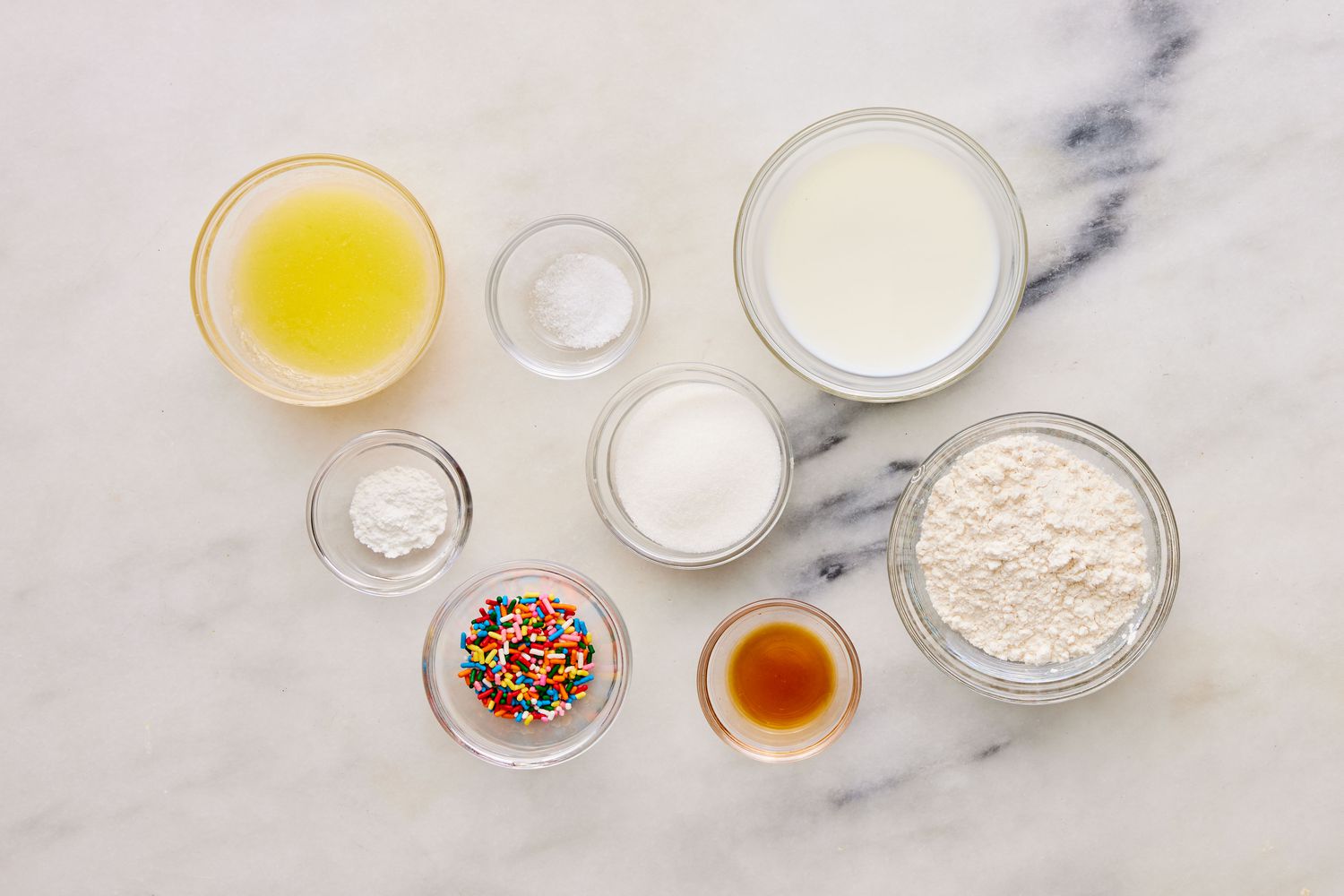
Yes, with a small trade-off. Egg yolk brings richness and helps emulsify the batter, so any swap will change the texture a bit.
My easiest egg-free version: skip the yolk and add 1 tablespoon neutral oil plus 1 tablespoon extra milk. In my tests it stays tender, just a little less “cakey” and more snack-cake soft.
More classic eggless option: use 1 tablespoon plain yogurt or sour cream in place of the yolk (keep milk the same). This gives a slightly richer crumb.
Can I use self-rising flour?
You can. Replace the flour and baking powder with 5 tablespoons self-rising flour. Since self-rising flour already contains salt, omit the added salt (or keep only a tiny pinch if your brand is very mild and you like a stronger flavor).
How do I know it is done?
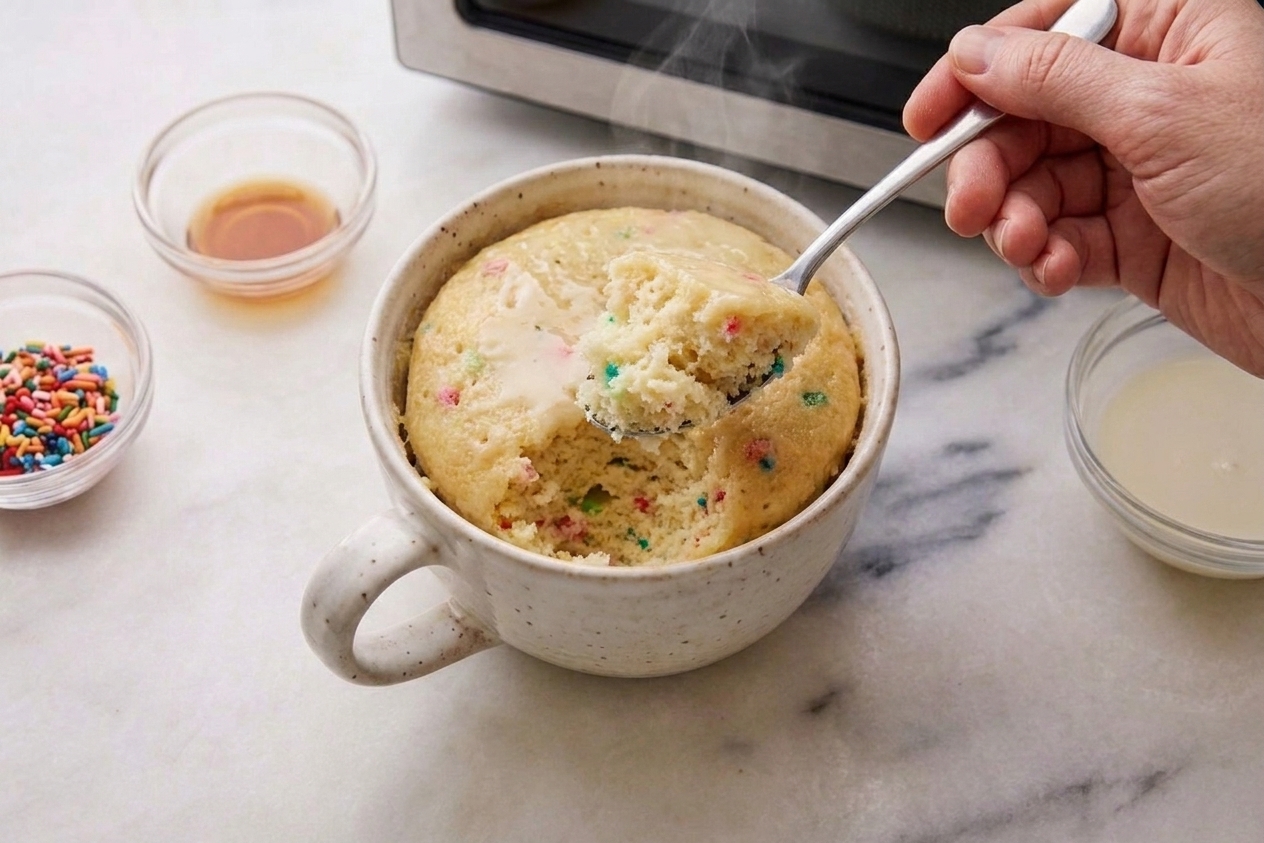
The top should look set with a few moist-looking spots, not wet batter. A toothpick should come out with a few moist crumbs. Clean toothpick usually means overcooked in mug cake land.
My microwave is weird. How long should this take?
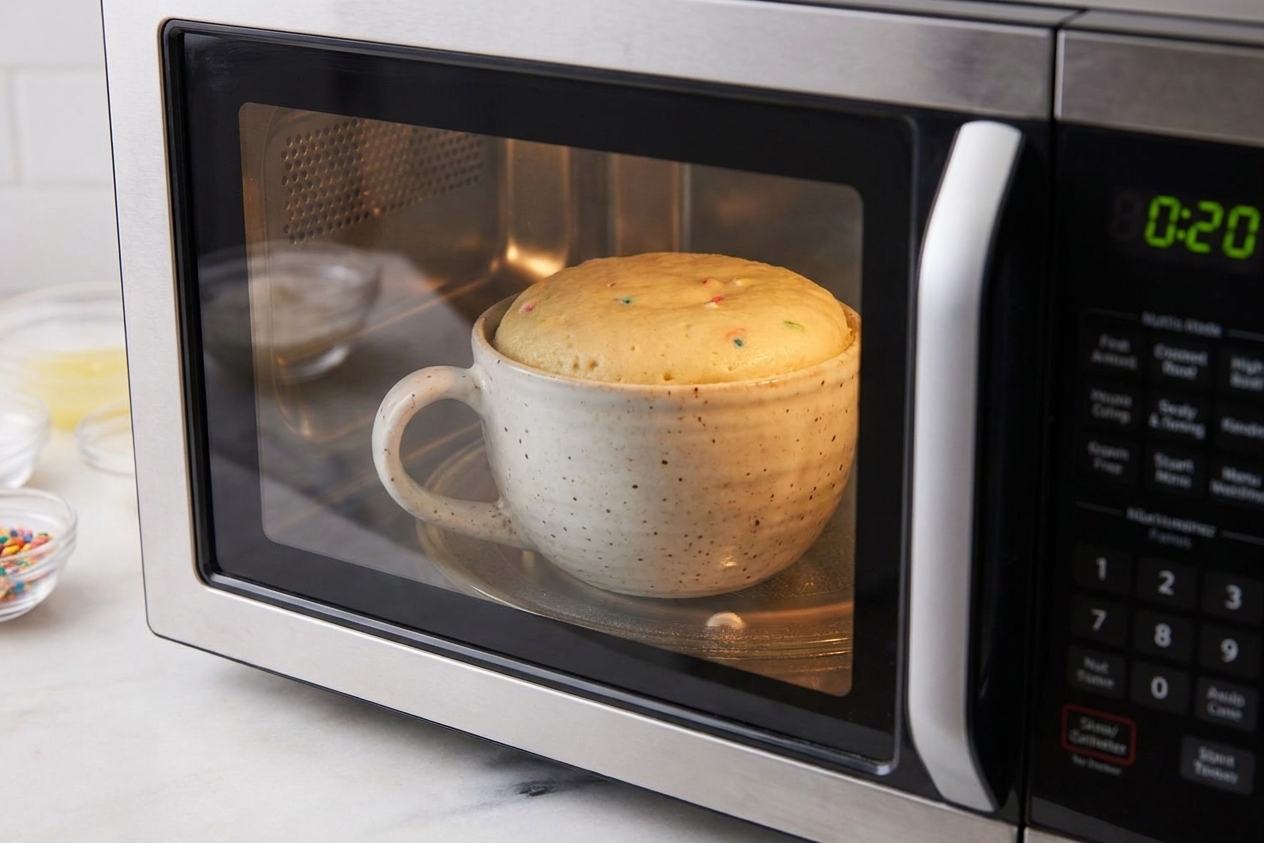
Microwave times vary a lot by wattage, mug shape, and even where the mug sits. The timing here is based on roughly 1000 to 1100W.
- 700 to 900W: expect closer to 85 to 105 seconds
- 1200W: start checking around 60 to 70 seconds
Always finish in short bursts. That is the difference between fluffy and chewy.
Can I bake this in the oven instead?
Yes, but it defeats the chaos-friendly point. If you want to, bake in an oven-safe ramekin at 350°F for about 12 to 15 minutes.