Mom's Best Recipes
Recipe

Warm & Cozy Canned Salmon Cakes

Crispy-edged salmon cakes with a lemony dill yogurt sauce. Pantry-friendly, weeknight-easy, and deeply comforting.

Author By Matt Campbell
4.8
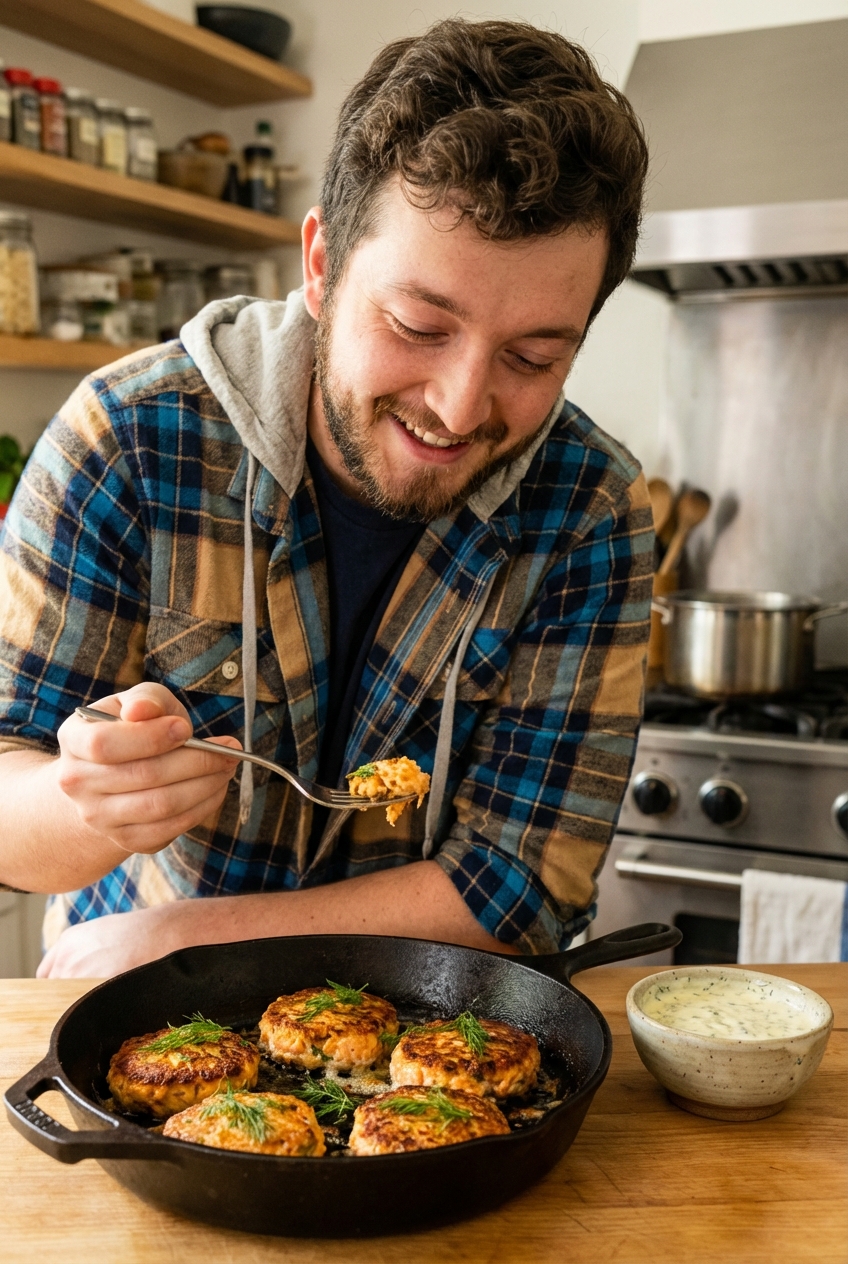
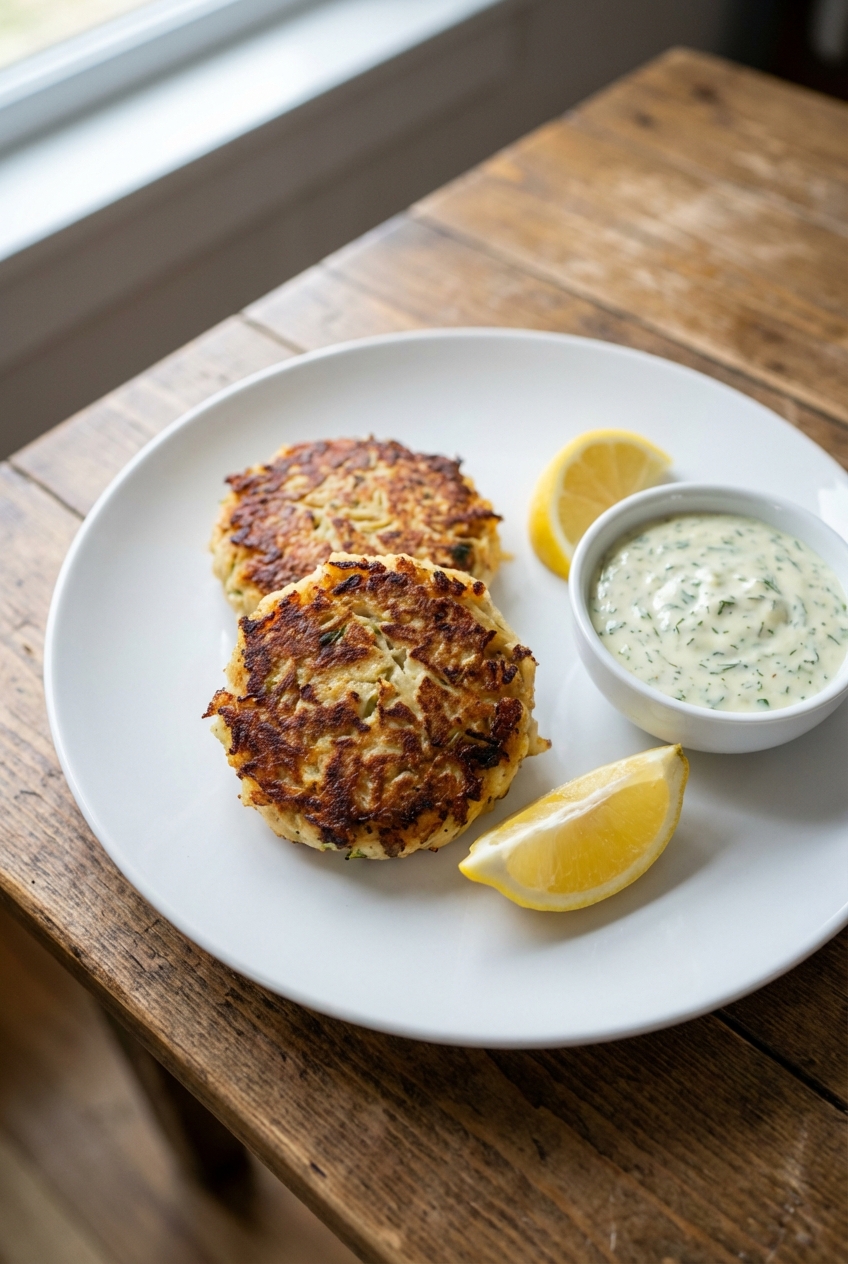
A real photograph of golden-brown canned salmon cakes in a cast iron skillet with a small bowl of lemon dill sauce on the side

Some nights you want dinner to feel like a blanket. Warm, savory, a little crispy, and absolutely not complicated. This is that dinner: canned salmon cakes that get those crunchy, lacy edges in the pan, plus a bright lemony sauce that makes the whole thing taste like you tried harder than you did.

This recipe leans into what canned salmon is great at: quick protein, real flavor, and zero fuss. We keep the ingredient list friendly, the instructions clear, and the vibe relaxed. If a cake falls apart a little, congratulations, you get a cook’s snack.
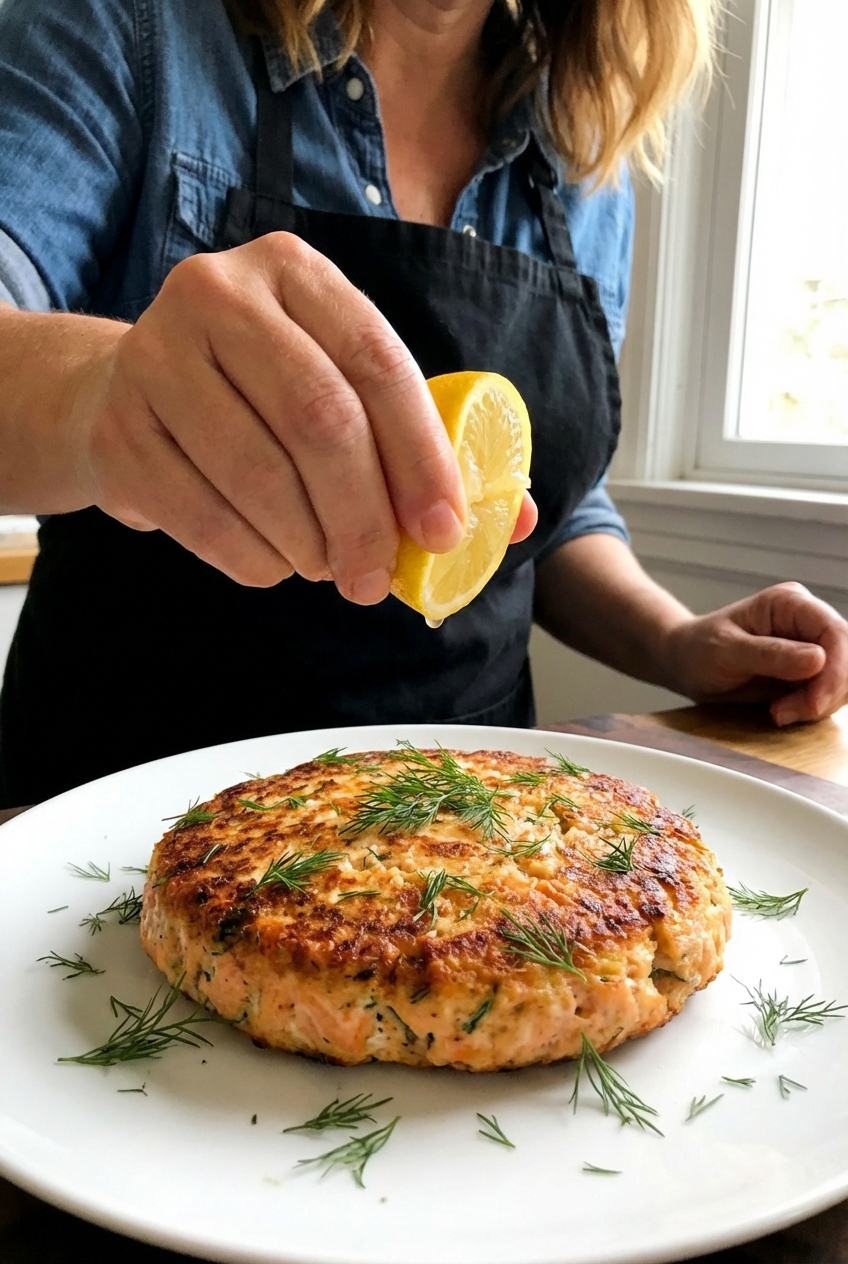
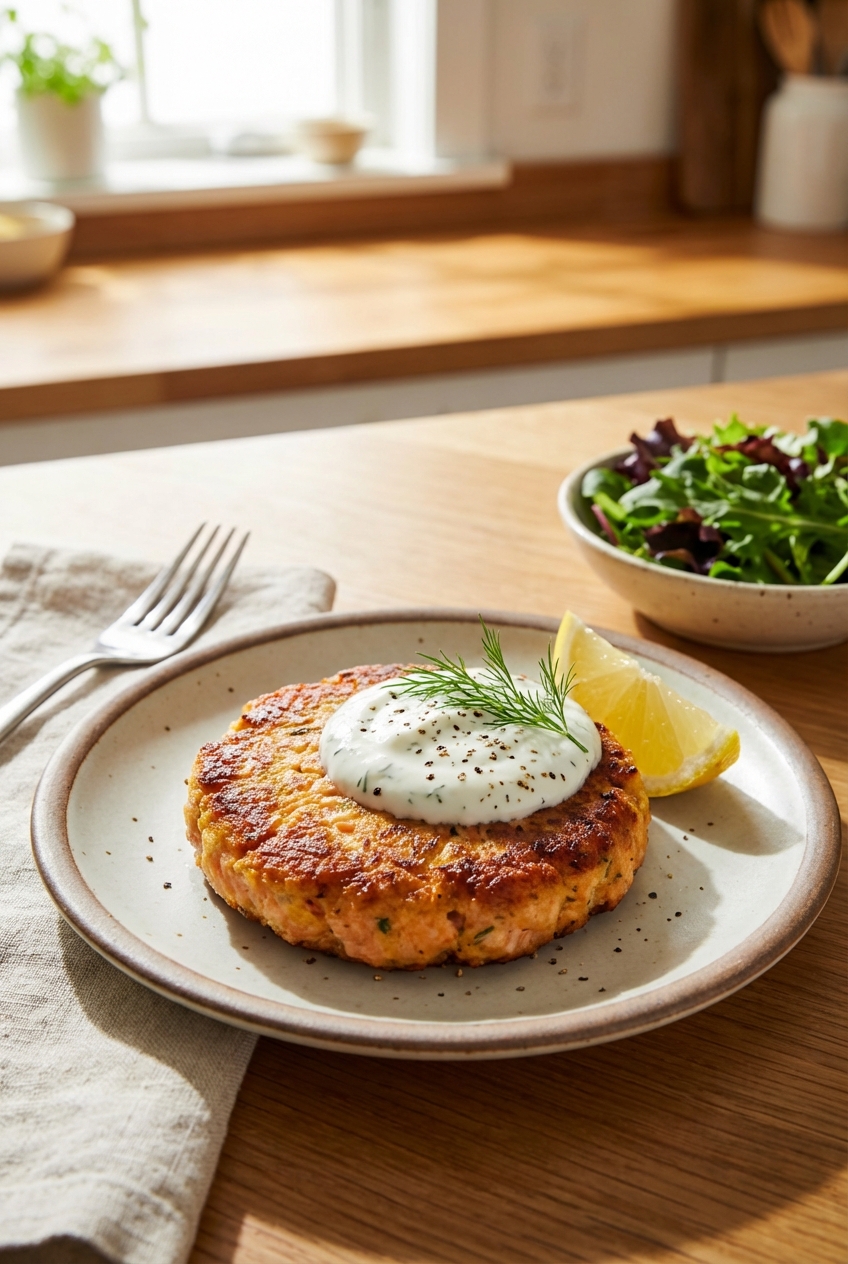
A real photograph of a hand squeezing lemon over a plated salmon cake with scattered fresh dill

Why It Works

  • Comfort plus crunch: a hot skillet gives you crisp edges while the inside stays tender.
  • Pantry-first: canned salmon, breadcrumbs, and a few fridge basics do the heavy lifting.
  • Bright sauce, cozy main: lemon, dill, and yogurt cut through richness and wake everything up.
  • Flexible: make them smaller for appetizers, serve 2 per person for dinner, or stretch the mix with extra veggies.

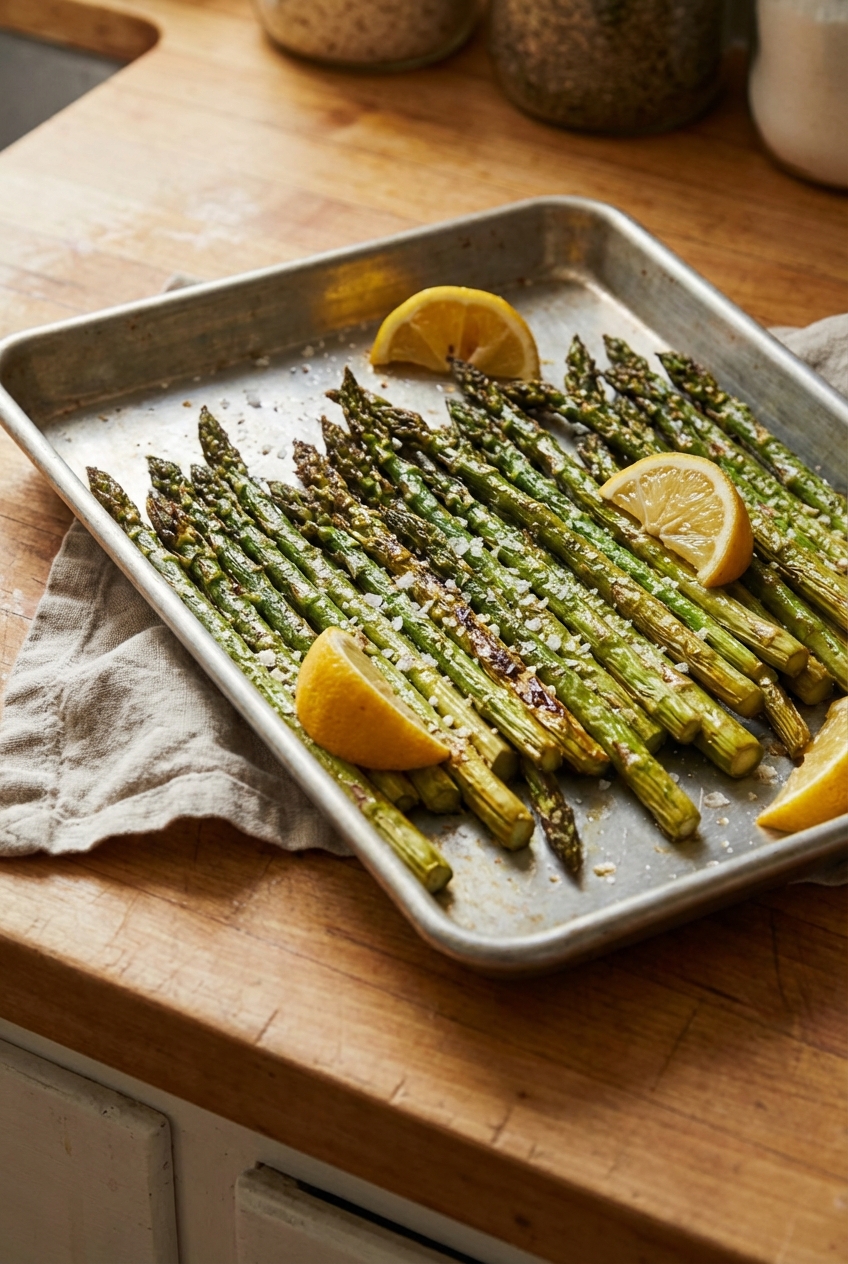
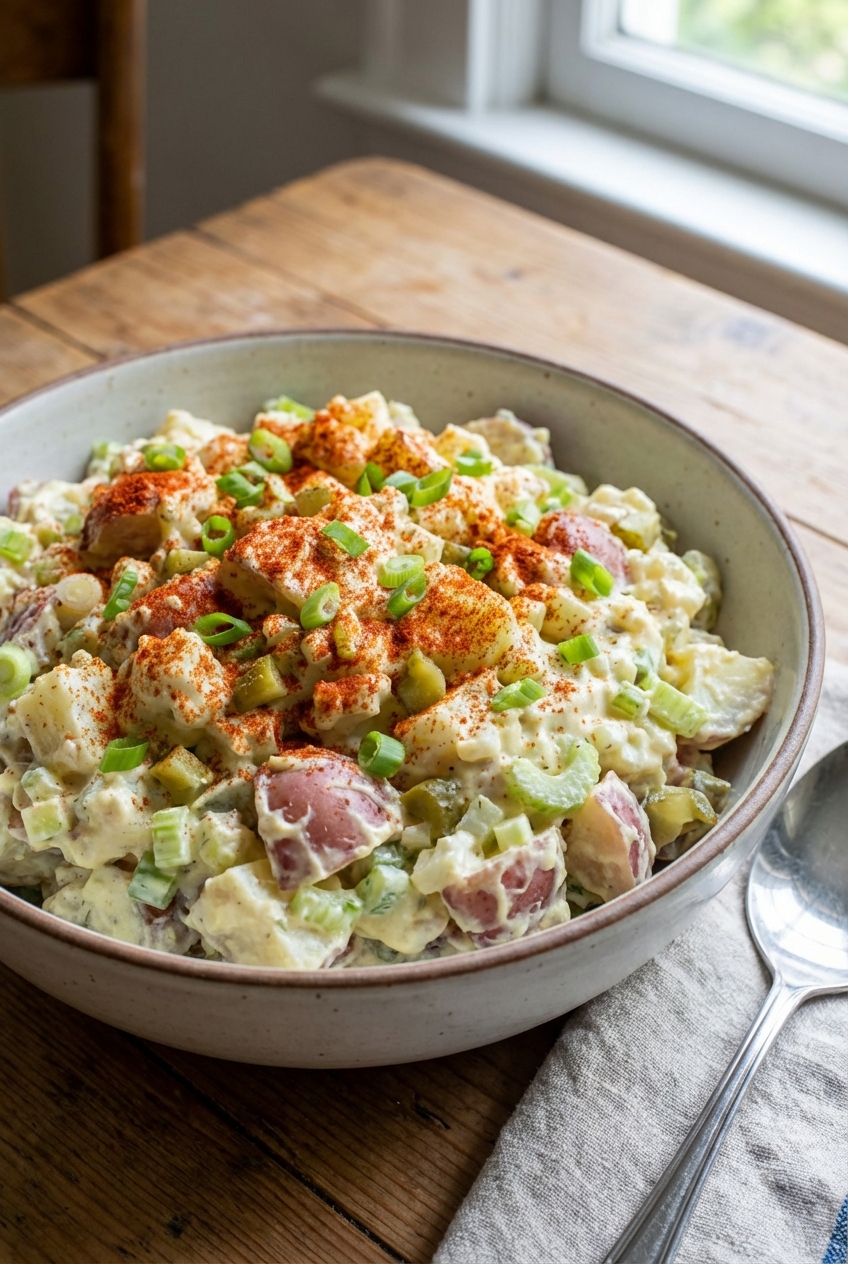
Pairs Well With

Storage Tips

How to Store and Reheat

  • Fridge: Cool salmon cakes completely, then store in an airtight container for up to 3 days. Keep sauce in a separate container.
  • Freezer: Freeze cooked cakes on a sheet pan until firm, then transfer to a freezer bag. They keep well for up to 2 months.
  • Reheat (best): Warm in a skillet over medium heat with a thin slick of oil, about 3 to 4 minutes per side, until hot, crisp again, and the center is steaming hot (or 145°F).
  • Reheat (easy): Bake at 400°F on a sheet pan for 8 to 12 minutes, flipping once, until heated through (centers steaming hot, or 145°F).
  • Microwave: Works in a pinch, but you will lose crunch. If you microwave, do a quick skillet crisp after.

Common Questions

Common Questions

Do I need to remove the skin and bones from canned salmon?

It depends on the brand. Many canned salmon varieties include skin and softened bones, but some are sold skinless and boneless. The softened bones are edible, mash right in, and add calcium. If the texture bothers you, pick out the skin and any larger pieces. No stress.

Why are my salmon cakes falling apart?

Usually it is one of three things: the mixture is too wet, it did not chill, or you flipped too early. Add 1 to 2 tablespoons more breadcrumbs, chill the patties 10 minutes, and wait until the first side is deeply browned before flipping.

Can I make these gluten-free?

Yes. Use gluten-free breadcrumbs or crushed gluten-free crackers. The rest is naturally gluten-free if you double check labels.

Can I bake them instead of frying?

Absolutely. Brush or spray both sides with oil and bake at 425°F for 14 to 18 minutes, flipping halfway. They are done when the centers are steaming hot and the cakes reach 145°F. You will get less skillet crunch but still solid texture.

What sauce goes best with canned salmon cakes?

Something bright and creamy is the move. The lemon dill yogurt sauce here is my favorite, but tartar sauce, spicy mayo, or a quick lemony vinaigrette also work.

I love a recipe that feels like it came from someone’s actual weeknight, not a fantasy kitchen with unlimited time. Canned salmon cakes are one of those honest dinners. I started making them when I wanted something warm and filling, but also wanted to use what I already had. The first time I nailed the crispy edges, I stood there eating one over the sink like a little kitchen gremlin. Now I lean into the comfort: hot cakes, cool sauce, lemon on top, and the permission to be a little imperfect.