Mom's Best Recipes
Recipe

Weeknight-Friendly Baked Chicken Thighs

Crispy skin, juicy meat, and an old-school garlic and herb vibe, all on one pan with minimal drama.

Author By Matt Campbell
4.8
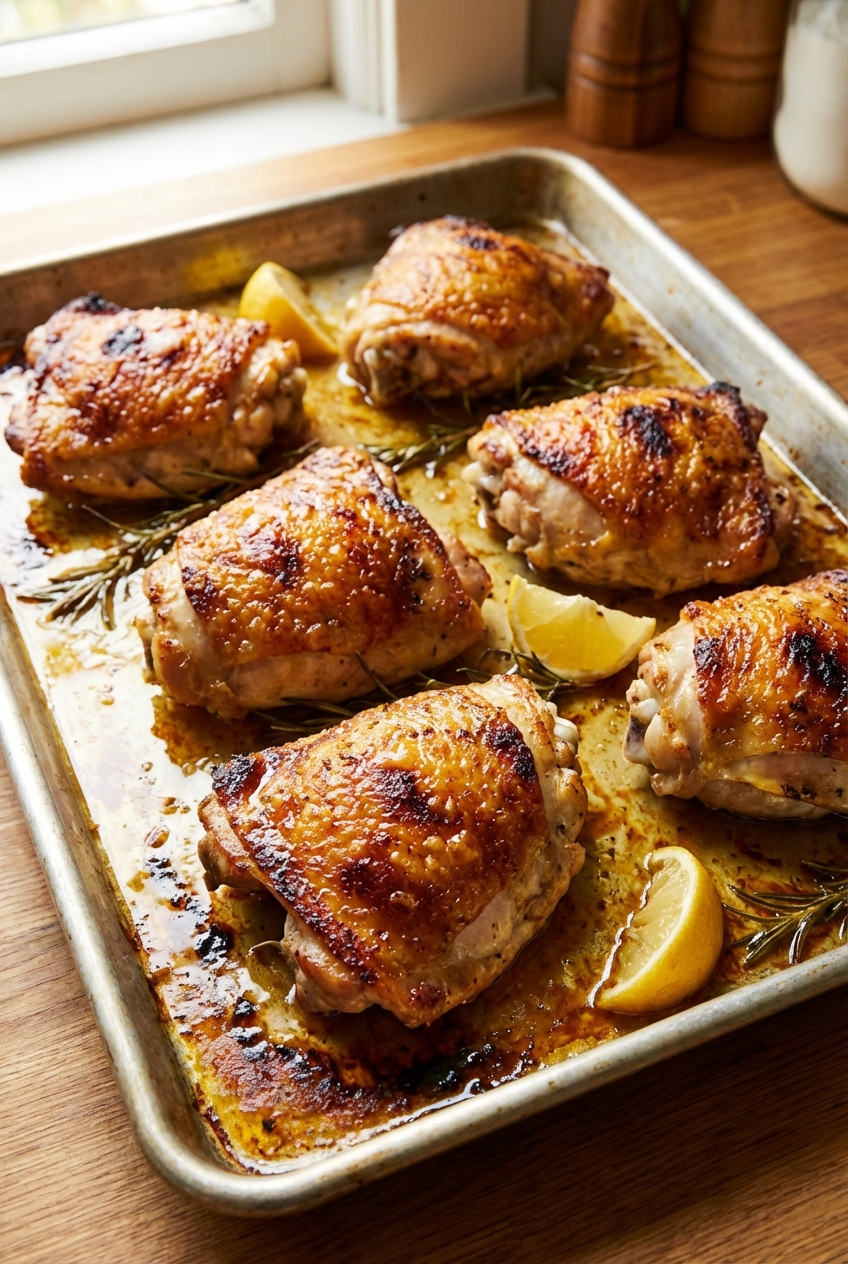
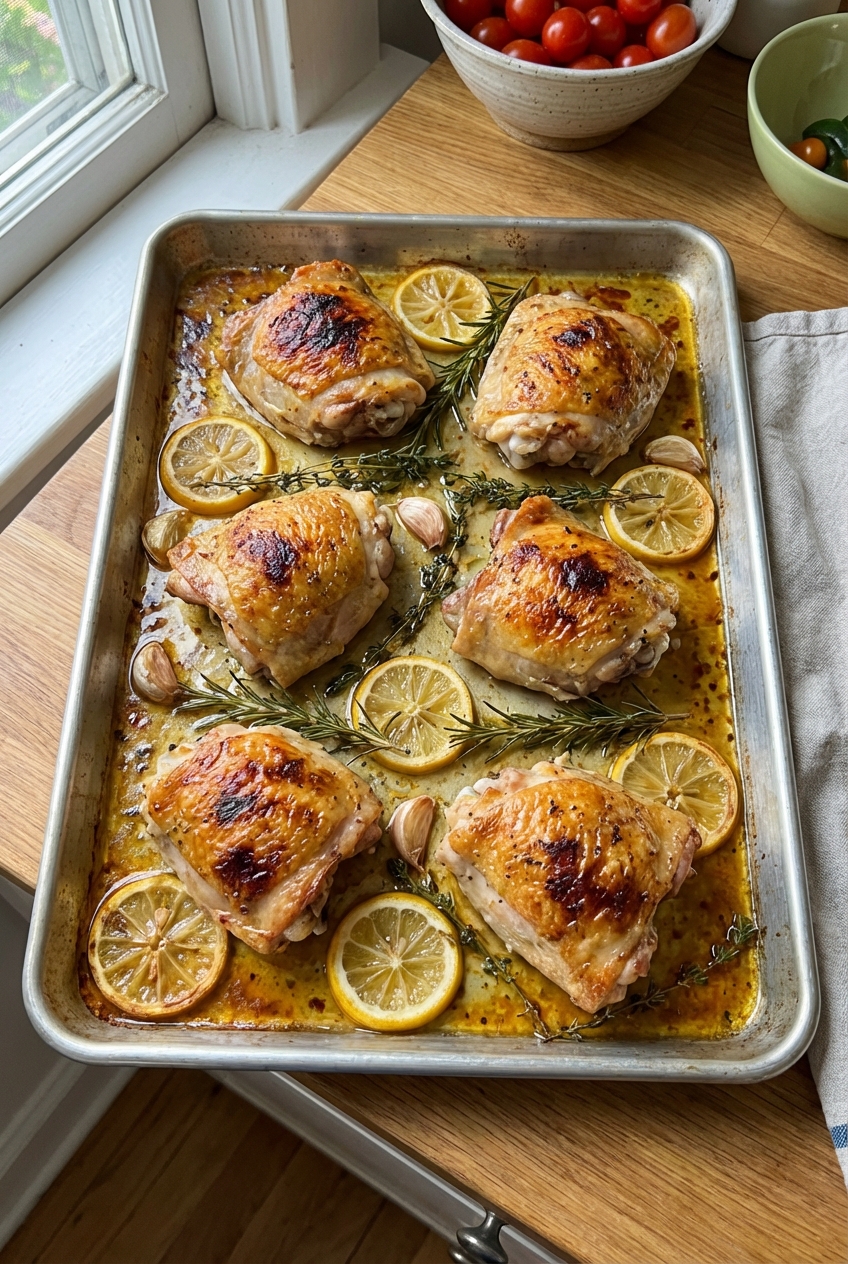
A real photo of golden baked chicken thighs with crispy skin in a rimmed sheet pan, surrounded by roasted lemon slices and herbs on a kitchen counter

Baked chicken thighs are the weeknight dinner I make when I want something that tastes like I tried harder than I did. You get crispy skin, juicy dark meat, and those pan juices that feel like free sauce. The best part: it is classic in the best way. Garlic, herbs, lemon, and good seasoning. No complicated marinades, no fancy equipment, no weird ingredients you will use once and regret.

This recipe leans into back-pocket home cooking: dry the skin, season generously, roast hot, and finish with a little lemon. If you can turn on an oven and resist poking the chicken every five minutes, you are golden.

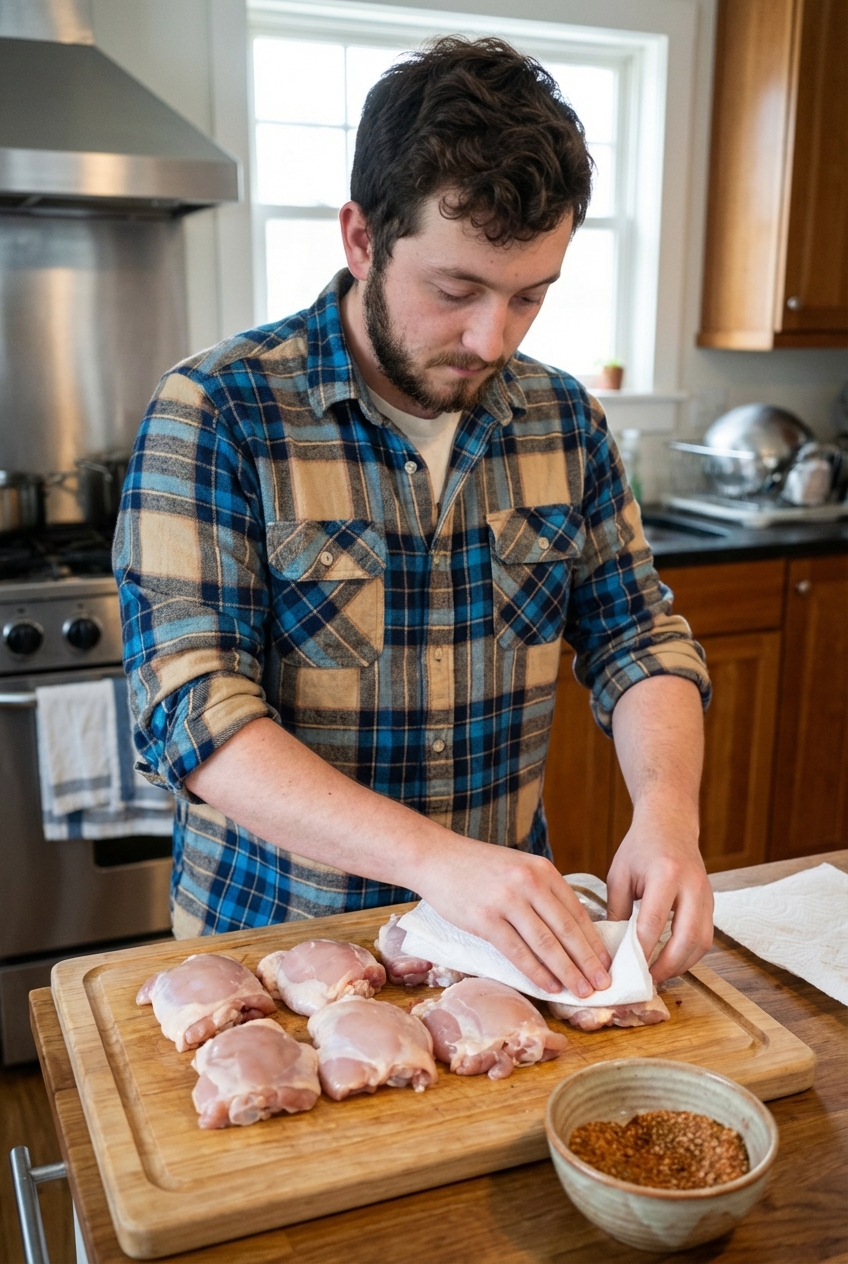
A real photo of raw chicken thighs on a cutting board being patted dry with paper towels next to a bowl of seasoning

Why It Works

  • Crispy skin without frying: Dry skin plus a hot oven equals that crackly, bite-through finish.
  • Juicy meat every time: Thighs stay tender even if your timing is not perfect.
  • Big, classic flavor: Garlic, paprika, and herbs give you that traditional roast chicken taste that works with basically any side.
  • One pan, easy cleanup: Everything roasts together, and the drippings are basically a built-in pan sauce starter.

Pairs Well With

Storage Tips

How to Store and Reheat

  • Refrigerate: Cool chicken within 2 hours, then store in an airtight container for up to 4 days.
  • Freeze: Freeze thighs (and any juices) in a freezer-safe container or bag for up to 3 months. Thaw overnight in the fridge.
  • Reheat for crispy skin: Put thighs skin-side up on a sheet pan and reheat at 400°F for 10 to 15 minutes, until hot. If you have drippings, spoon a little around the chicken, not over the skin.
  • Microwave option: It works, but the skin goes soft. Cover loosely and heat in short bursts so you do not dry out the meat.

Leftover move: Pull the meat off the bone, toss with a little of the pan juice, and use it for chicken rice bowls, tacos, or a quick pasta situation.

Common Questions

Common Questions

Should I use bone-in, skin-on thighs?

Yes, if you want that classic roast chicken vibe. Bone-in stays juicier and the skin crisps up beautifully. Boneless, skinless thighs also work, but they cook faster and will not get that crackly top.

What temperature should chicken thighs be cooked to?

Cook until the thickest part hits 175°F to 185°F for the best texture. They are safe at 165°F, but thighs get noticeably more tender a bit higher because collagen has more time to melt into juicy, forgiving goodness. Temp in the thickest part near the bone, but do not touch the bone with the thermometer tip.

Why is my skin not crispy?

Usually one of these: the skin was wet, the pan was crowded, or the oven was not hot enough. Pat the thighs dry, give them space, and roast at 425°F. Also, do not cover the pan.

Can I prep this ahead?

Absolutely. Season the thighs and refrigerate uncovered on a rack or plate for up to 24 hours. Keep them on the lowest shelf so nothing drips onto other food, and wash hands and surfaces like you mean it. That air-drying step is basically a cheat code for crispier skin.

Can I add vegetables to the pan?

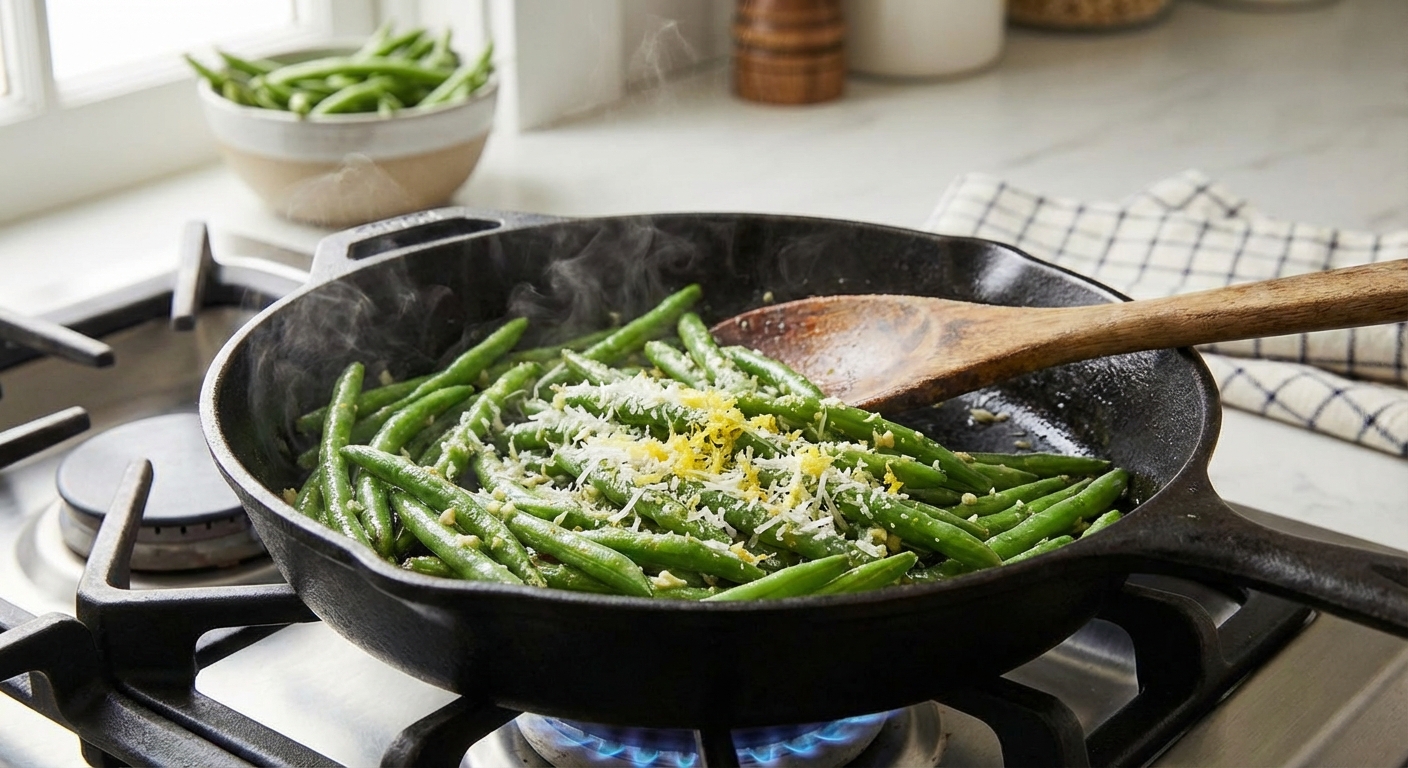
Yes. Fast-cooking veggies like green beans or asparagus can go in for the last 12 to 15 minutes. Heartier ones like potatoes or carrots should be cut into about 1-inch pieces and start roasting first for 15 to 20 minutes, or until they are just starting to soften, then add the chicken.

What if I only have boneless, skinless thighs?

Go for it. Roast at 425°F for about 18 to 25 minutes, depending on size, until they hit 165°F to 175°F. You will still get juicy meat, just not crispy skin.

Do I need a rack?

Nope. A rack helps airflow and keeps the underside less “fried in its own drippings.” Without one, just use a sheet pan, keep the thighs spaced out, and consider carefully pouring off excess fat halfway through if the pan is swimming.

I wanted to go to culinary school, but I ended up chasing the kind of practical kitchen wins that make you dangerous in a home kitchen. This is one of them. Baked thighs taught me a lesson early: you do not need a complicated recipe to make something feel like real cooking. You need heat, seasoning, and the confidence to leave it alone while it roasts. When I make these on a weeknight, I am basically buying myself a calmer evening, plus a pan full of crispy edges and lemony drippings that taste like effort.