Is Chicken Francese the same as Chicken Piccata?
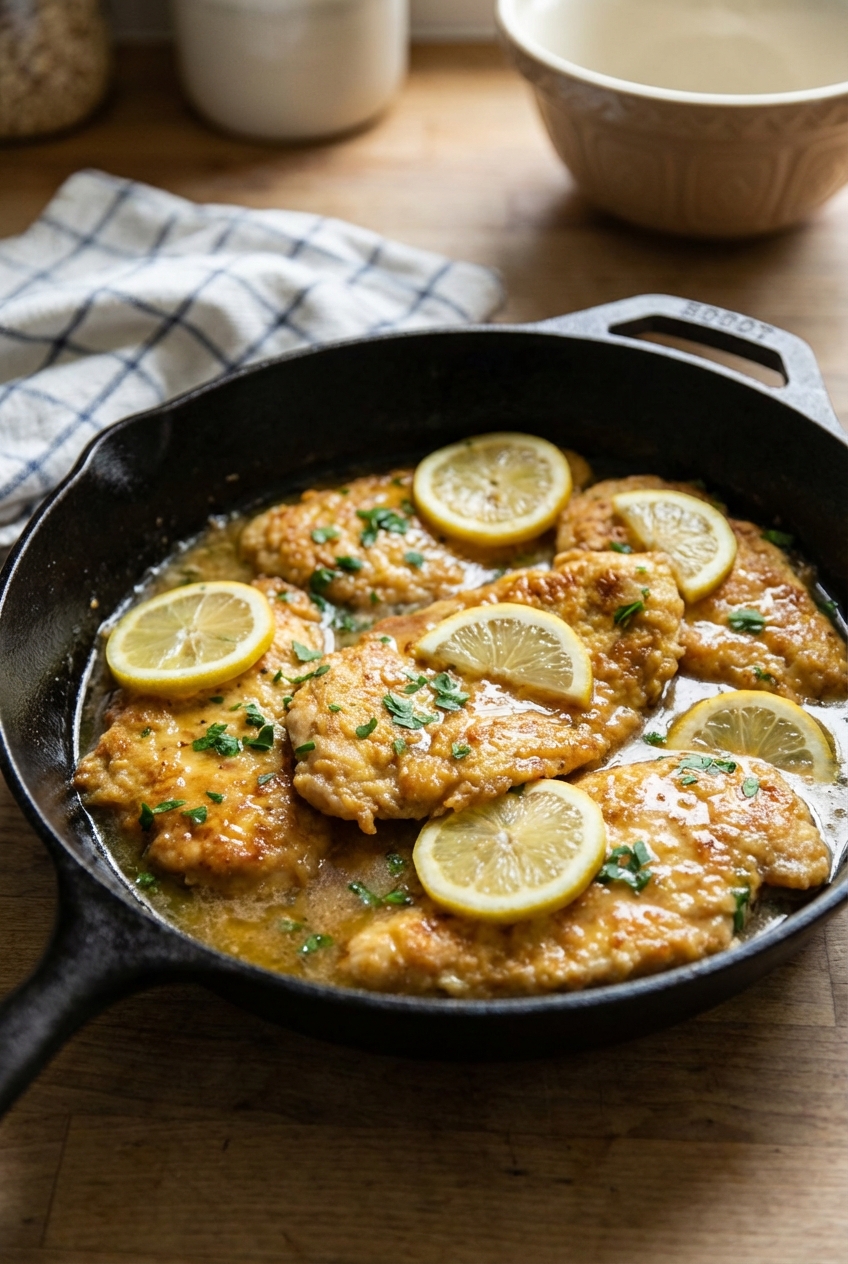
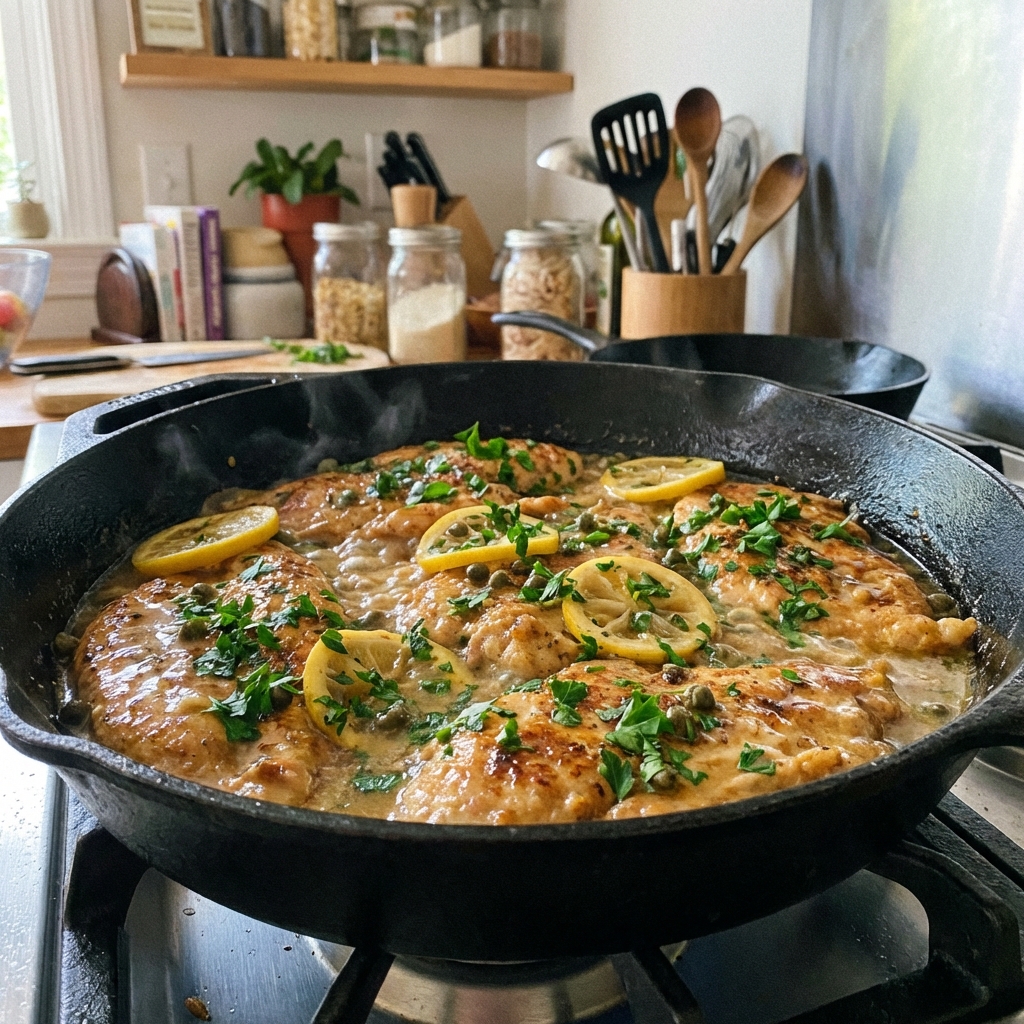
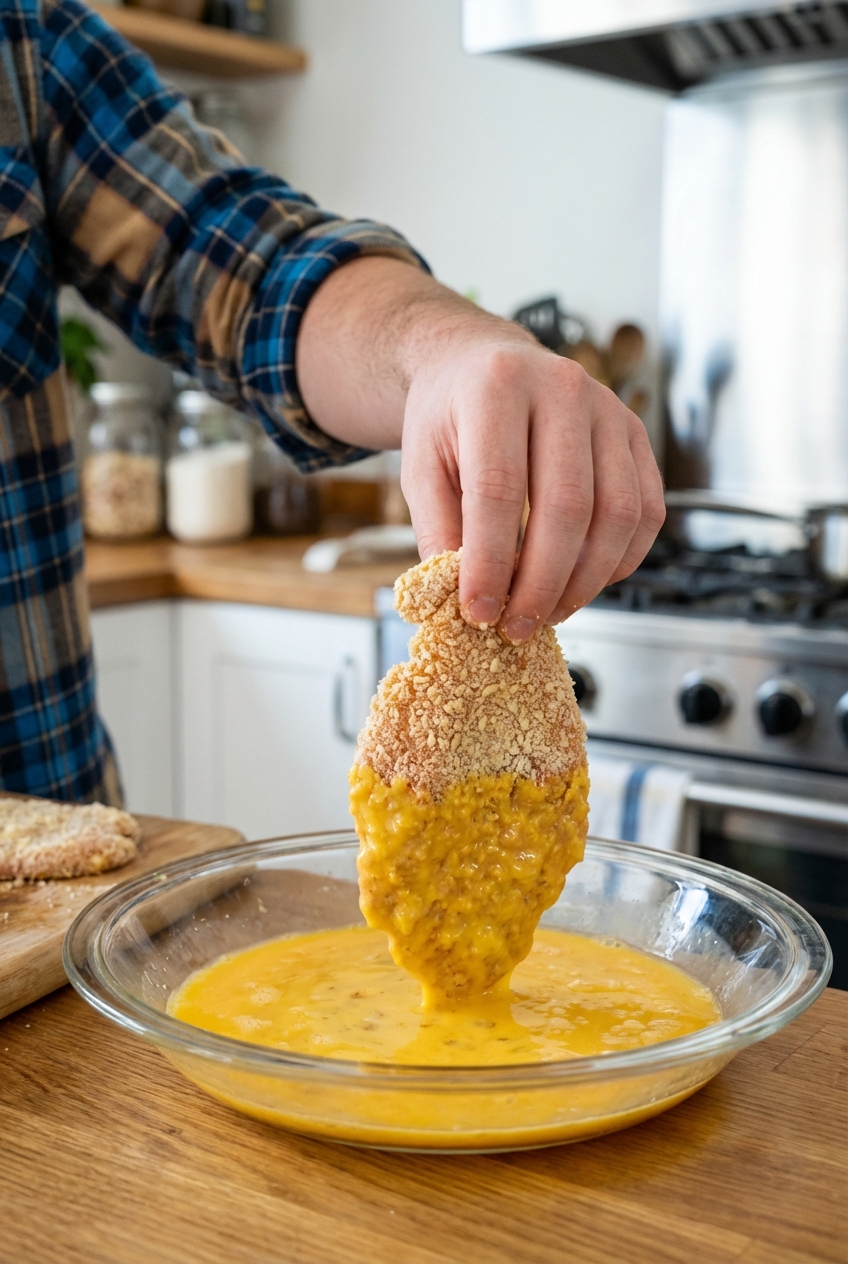
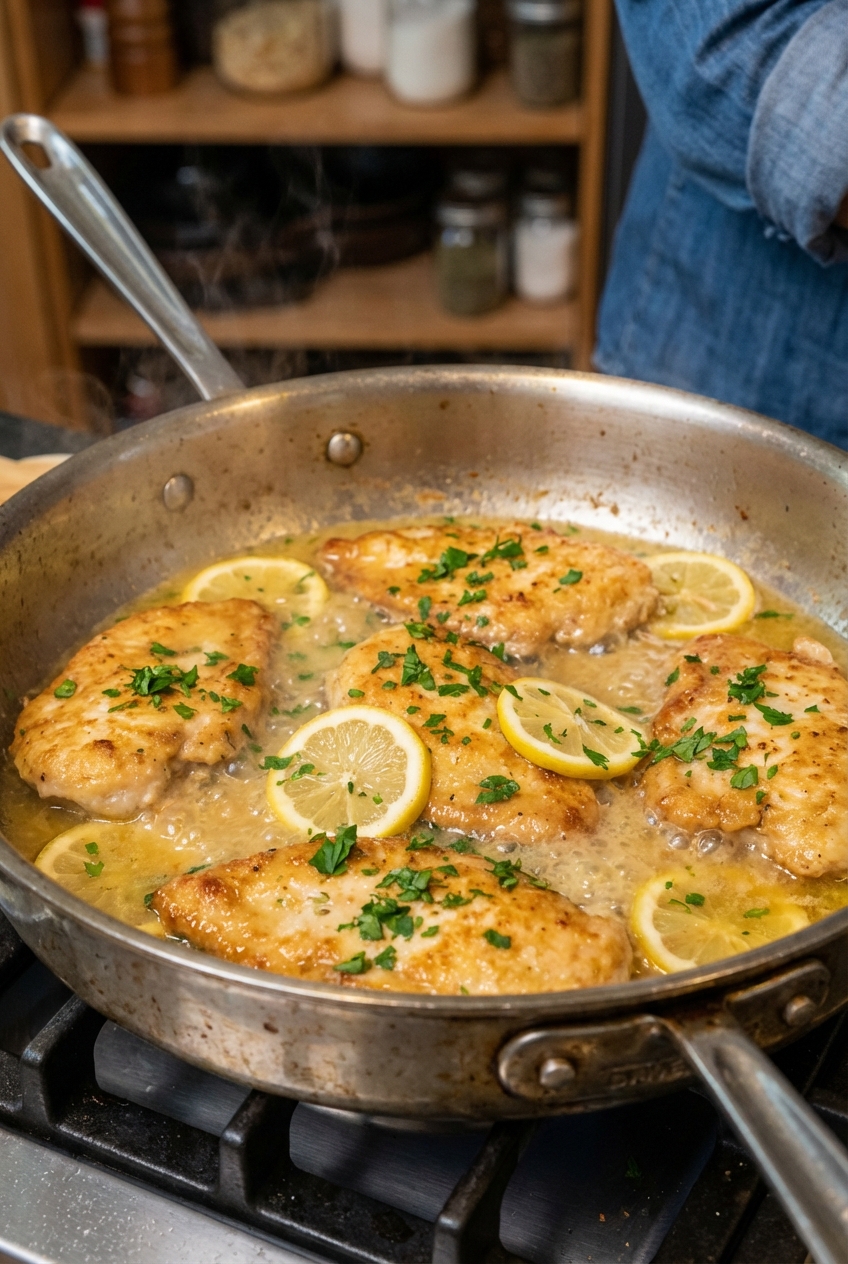
They are cousins, not twins. Francese uses the flour then egg coating. Piccata is usually just floured (no egg) and often includes capers. Francese tends to feel a little richer and more delicate because of that eggy crust.
Where does Chicken Francese come from?
It is best known as an Italian-American dish, especially in old-school restaurant cooking (often associated with the New York area), rather than something you would commonly see in Italy. Either way, it is a classic for a reason.
What wine should I use?
Use a dry white wine you would actually drink: Pinot Grigio, Sauvignon Blanc, or an unoaked Chardonnay. If you do not cook with wine, swap in more chicken broth plus an extra squeeze of lemon at the end.
How do I keep the coating from sliding off?
Three keys: pat the chicken dry, shake off excess flour, and make sure the pan and oil are hot before the chicken goes in. Also, do not move the cutlets around too early. Let them set and brown.
How do I keep it from tasting too sour or bitter?
Use fresh lemon juice (not bottled), and add more gradually. If it is sharper than you like, a little extra butter helps. You can also stir in a tiny pinch of sugar or an extra splash of broth to round it out.
Can I make this gluten-free?
Yes. Replace the flour with a 1:1 gluten-free flour blend. The texture will be slightly different but still crisp and tasty.
Can I use chicken thighs?
For a more traditional result, stick to thin chicken breast cutlets. If you use thighs, pound them thin and cook a little longer. The sauce works with anything, but the classic Francese texture shines with cutlets.
Any allergy notes?
This recipe contains egg and dairy (butter), and uses wheat flour unless you swap in gluten-free flour.