Is crab brûlée supposed to be sweet like dessert crème brûlée?
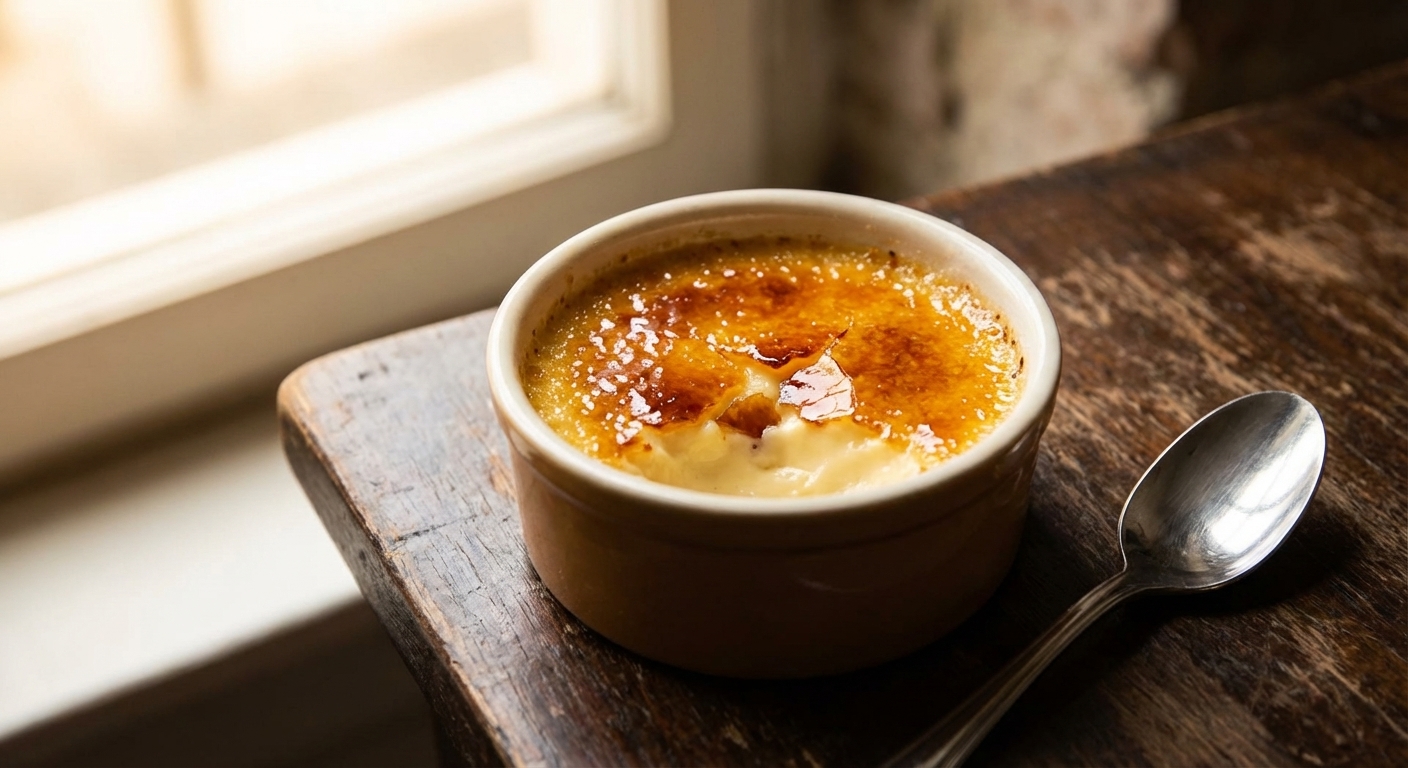
Nope. Think of it as a savory crème brûlée-style custard, closer to crab dip meets a delicate custard. The “brûlée” part is the gentle bake and the crackly finish.
Do I need a kitchen torch?
A torch is the easiest way to get an even, crackly top, but the broiler works too. Use the top rack, preheat the broiler, and keep the ramekins on a sheet pan so you can pull them fast.
Is the topping really brûlée if it is Parmesan?
In classic dessert crème brûlée, the crackle comes from caramelized sugar. Here, we are going for a brûlée-style browned, crackly Parmesan top (think “mini gratin” vibes). If you want it extra shattery, mix a tiny pinch of sugar into the Parmesan before torching or broiling.
Can I use imitation crab?
You can, but it will taste noticeably sweeter and less ocean-bright. For the best flavor, use real crab. Even good-quality pasteurized refrigerated lump crab makes this feel special.
What kind of crab is best?
Lump crab is the sweet spot for weeknights. Jumbo lump is gorgeous but pricey. Claw meat has deeper flavor and is usually cheaper, so a mix is totally fair game.
Why the water bath?
Custard likes gentle heat. The water bath buffers the oven so the brûlée bakes up silky and set, not rubbery or curdled.
How do I know it is done?
The edges should be set and the center should still have a small jiggle, like set gelatin. If the middle still sloshes like a latte, bake a few minutes longer. It will finish setting as it cools.
Can I make it ahead?
Yes. Bake the custards, cool, then cover and refrigerate. Rewarm gently in a low oven, then do the Parmesan brûlée-style top right before serving for the best crackle.
Any allergy notes?
Yes. This recipe contains shellfish (crab), dairy, and eggs. If you are serving guests with allergies, double-check every label and avoid cross-contact.