
Warm up with a smooth, comforting classic tomato soup made with simple ingredients and big flavor. Perfect for quick weeknight dinners and grilled cheese pai...
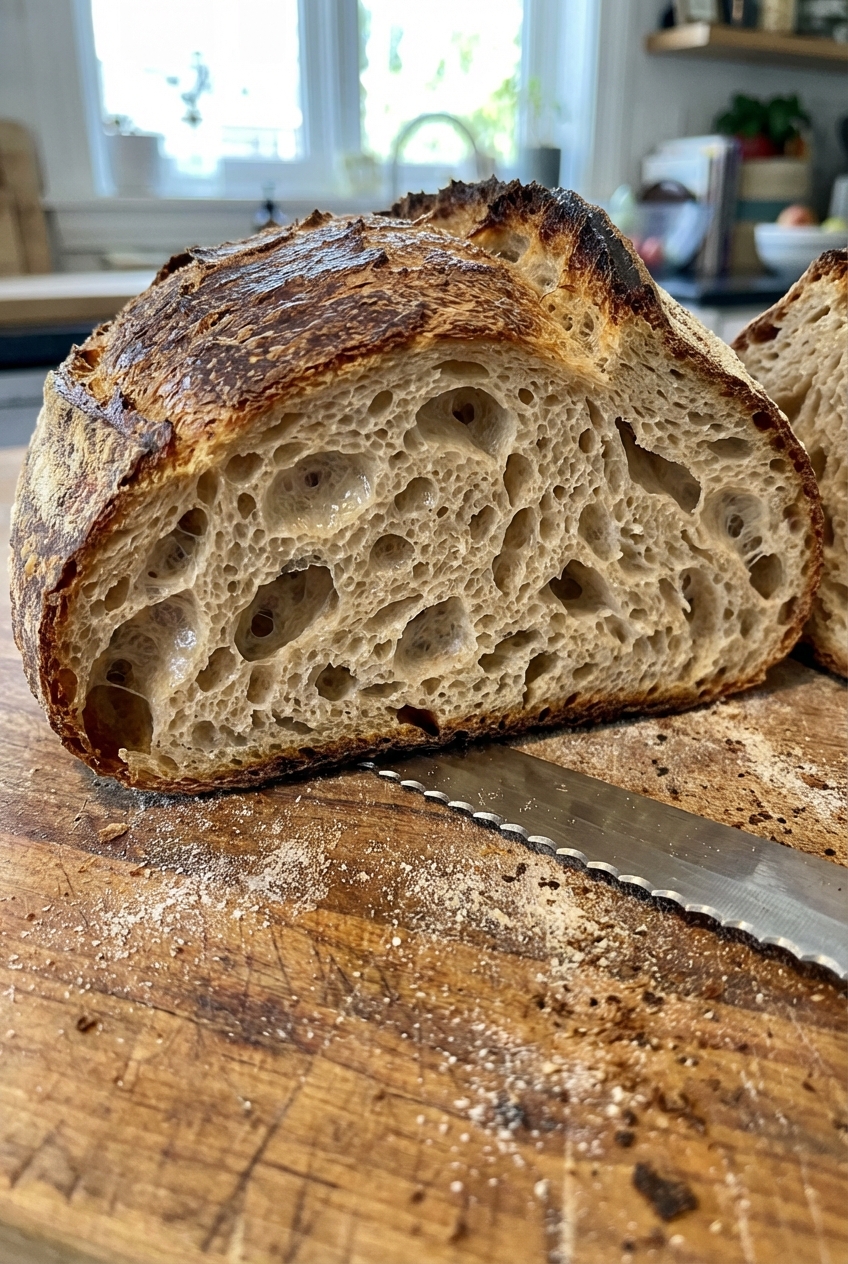
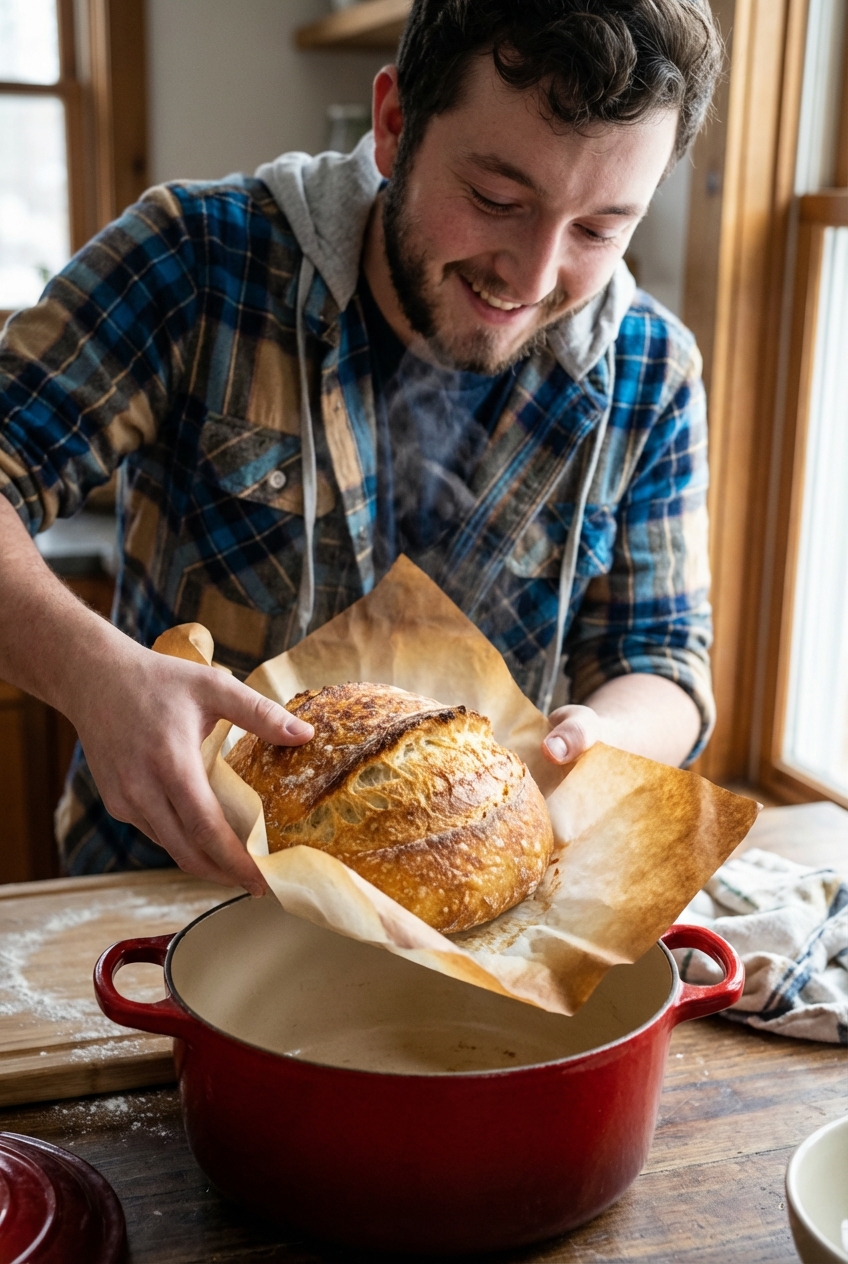
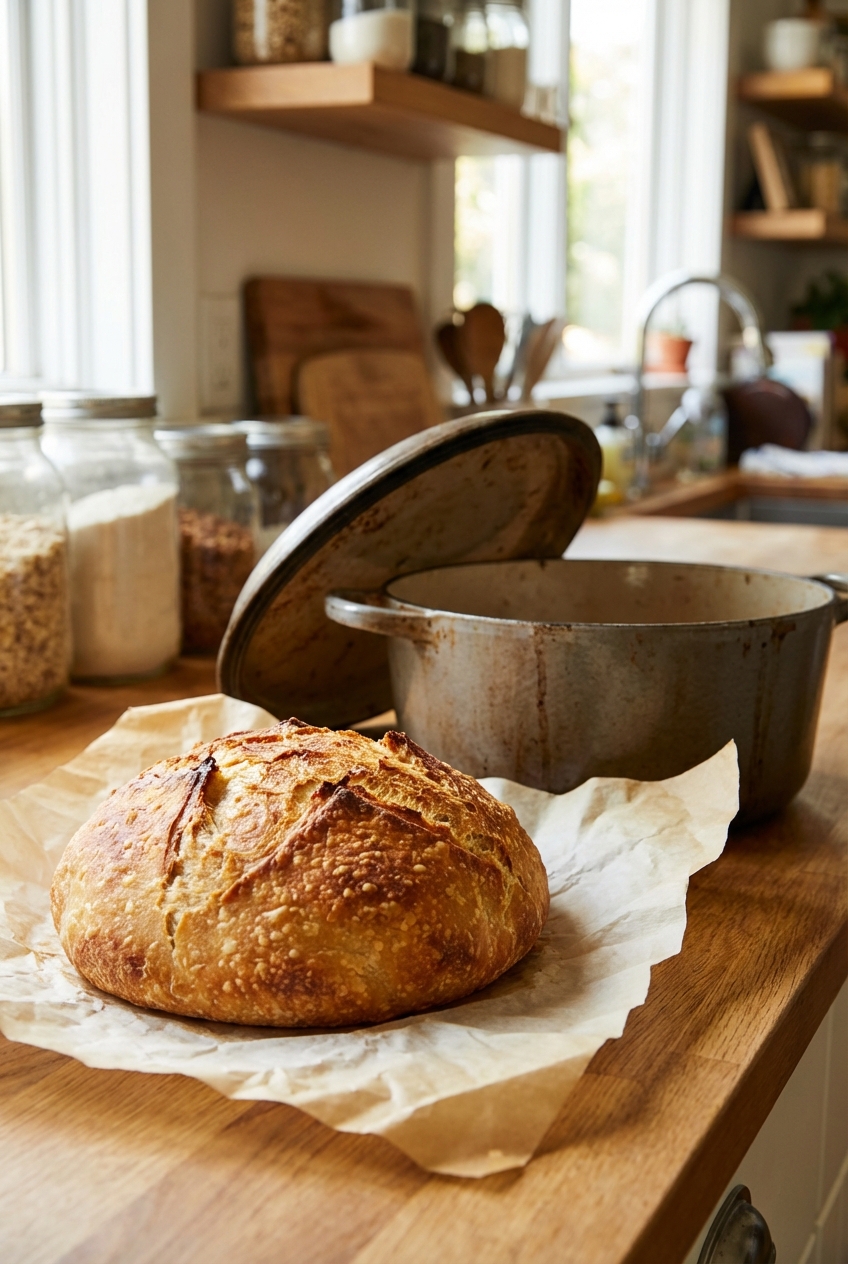
If you love the idea of homemade bread but do not love the idea of babysitting dough, this is your loaf. No knead bread is the quiet little miracle of weeknight cooking: you stir flour, water, salt, and yeast, then time does the work while you live your life. Next day, you bake it in a screaming hot Dutch oven and suddenly your kitchen smells like a proper bakery.
This version keeps things classic and widely loved with simple pantry ingredients and a long fermentation for real flavor. The crumb is chewy and open, the crust is crisp with those dramatic little blisters, and the whole thing is forgiving enough that you can make it on a Tuesday without feeling like you enrolled in culinary school.