Mom's Best Recipes
Recipe

Weeknight Pastina

A classic Italian-style pastina recipe that turns pantry staples into a cozy bowl of buttery, Parmesan-forward comfort in about 15 minutes.

Author By Matt Campbell
4.8
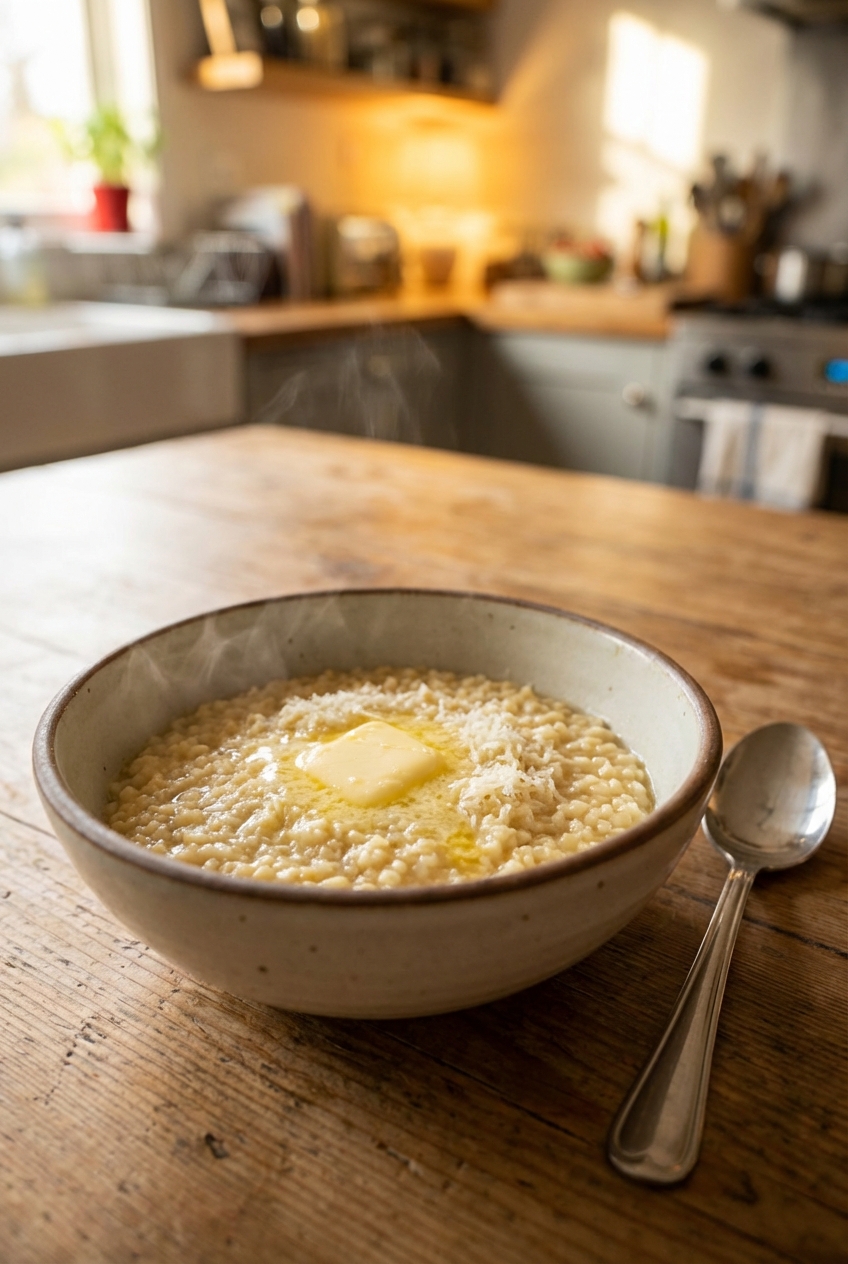
A steaming bowl of pastina with melted butter and grated Parmesan on top, sitting on a kitchen table with a spoon beside it

Pastina is the tiny pasta that shows up when you need something warm, fast, and reliably good. In a lot of Italian families, it is the first “real” food you learn to love, the thing you eat when you are under the weather, and the quiet weeknight win when you cannot deal with a sink full of pots.

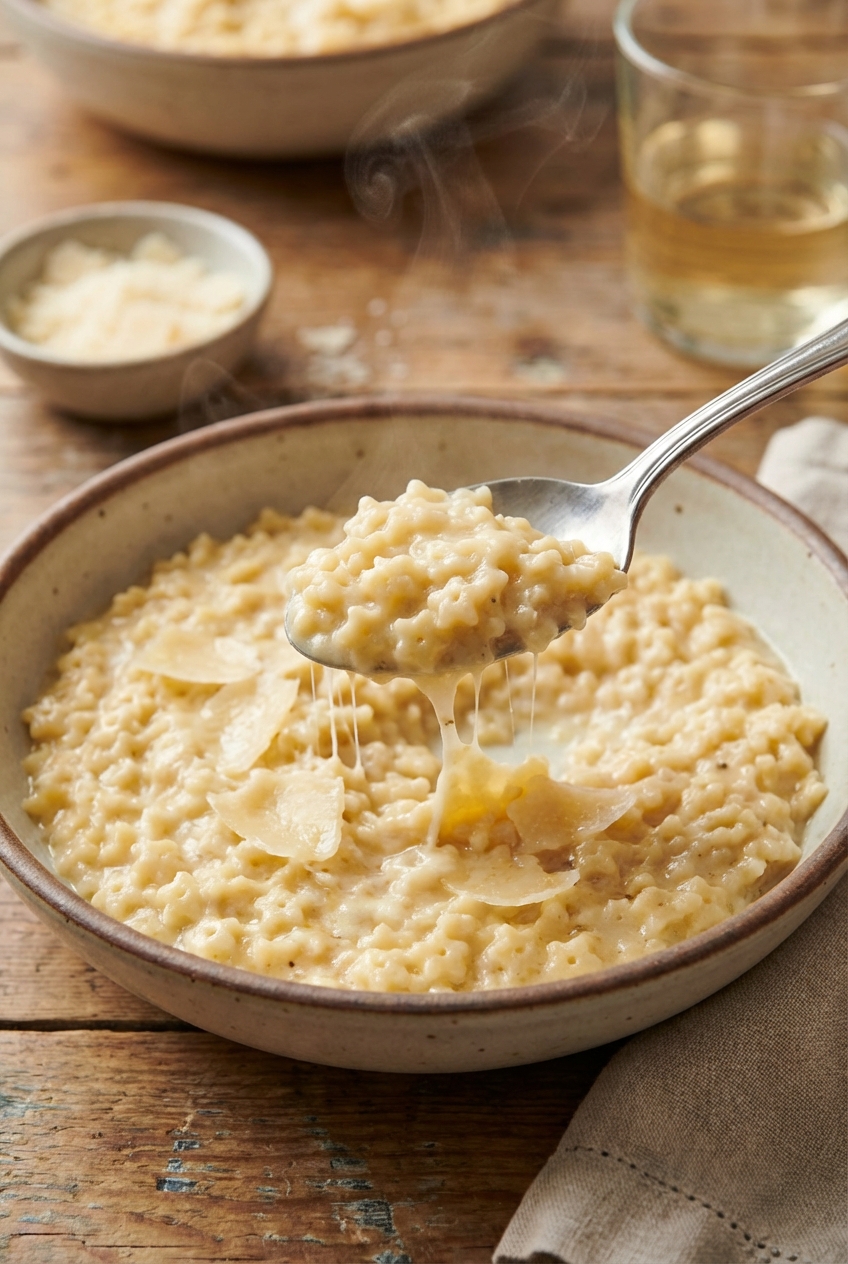
This version is a classic, family-style approach: pastina simmered in broth until it turns silky, then finished with butter and Parmigiano-Reggiano (plus an egg if you want that extra creamy, cozy finish). It is simple, yes. But it is also one of those dishes where a few smart choices like good broth, the right heat, and stirring at the right time make it taste like someone took care of you.

Serving note: As written, this makes 2 light servings (or a perfect side). If you want it to be a standalone main dinner for two hungry adults, double everything.
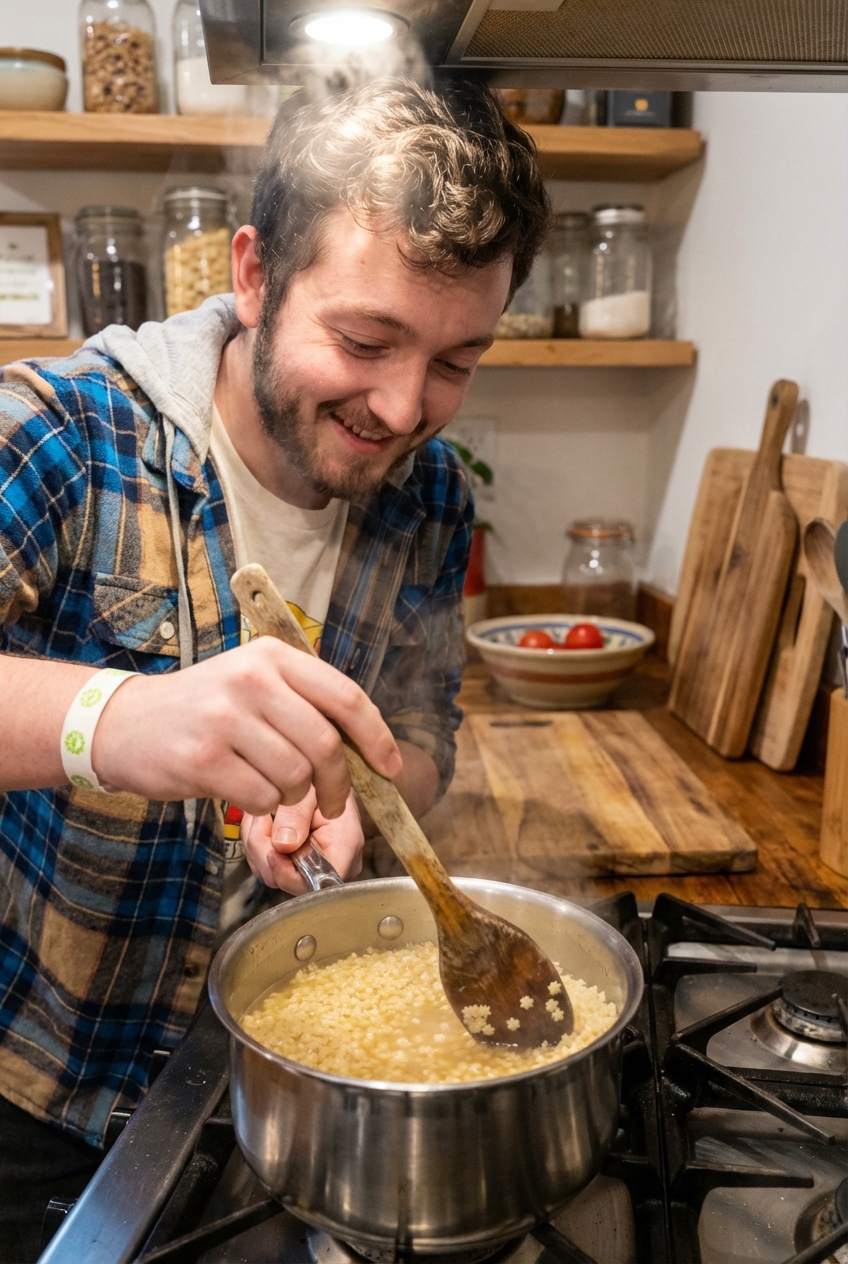
Pastina simmering in a small saucepan on a stove with a wooden spoon stirring

Why It Works

  • Fast comfort, minimal drama: One pot, weeknight timing, and a texture that feels like a hug.
  • Classic method: Pastina cooks directly in broth so the starch stays in the pot, giving you that naturally creamy finish.
  • Flexible richness: Keep it butter and Parmesan simple, or add the egg for a more custardy feel.
  • Kid-friendly, adult approved: Mild and cozy on its own, but it takes black pepper, lemon zest, or herbs like a champ.

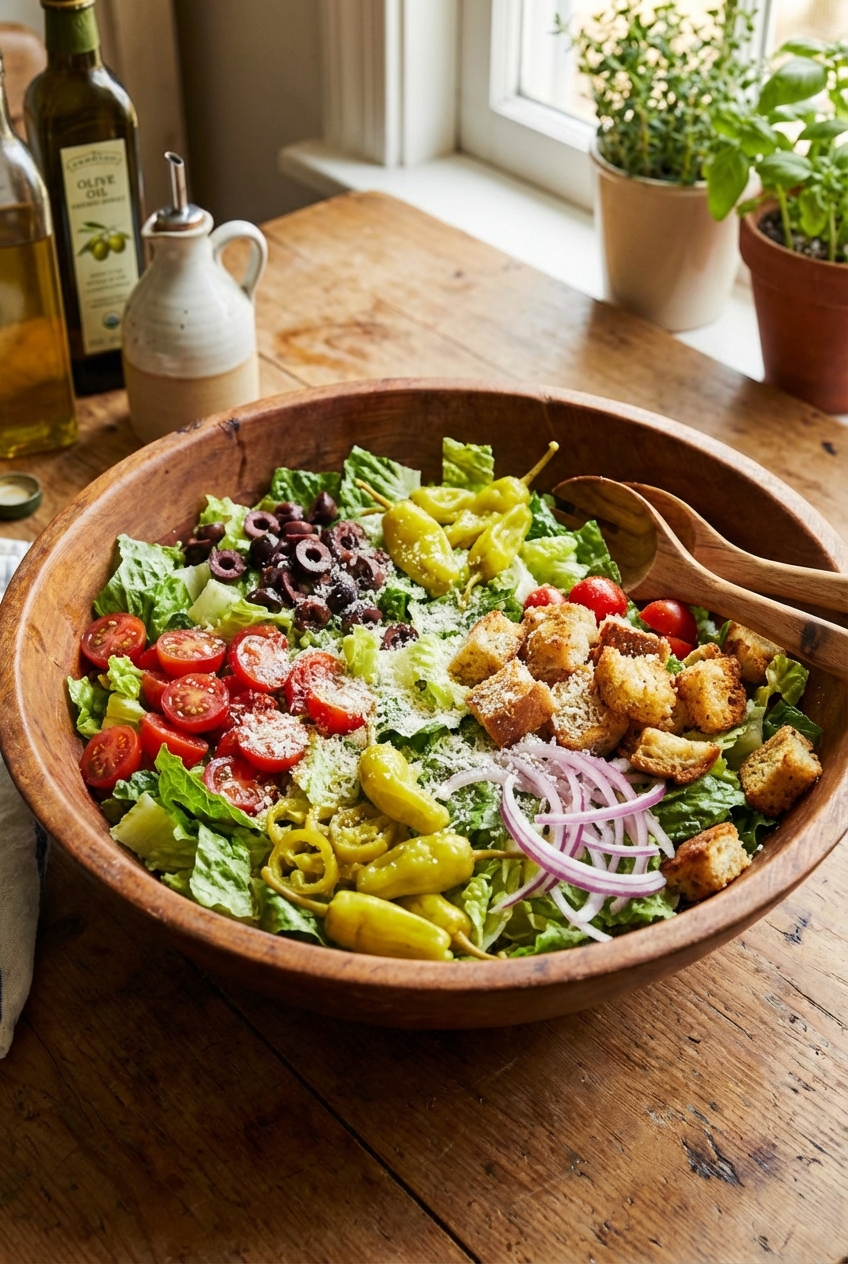
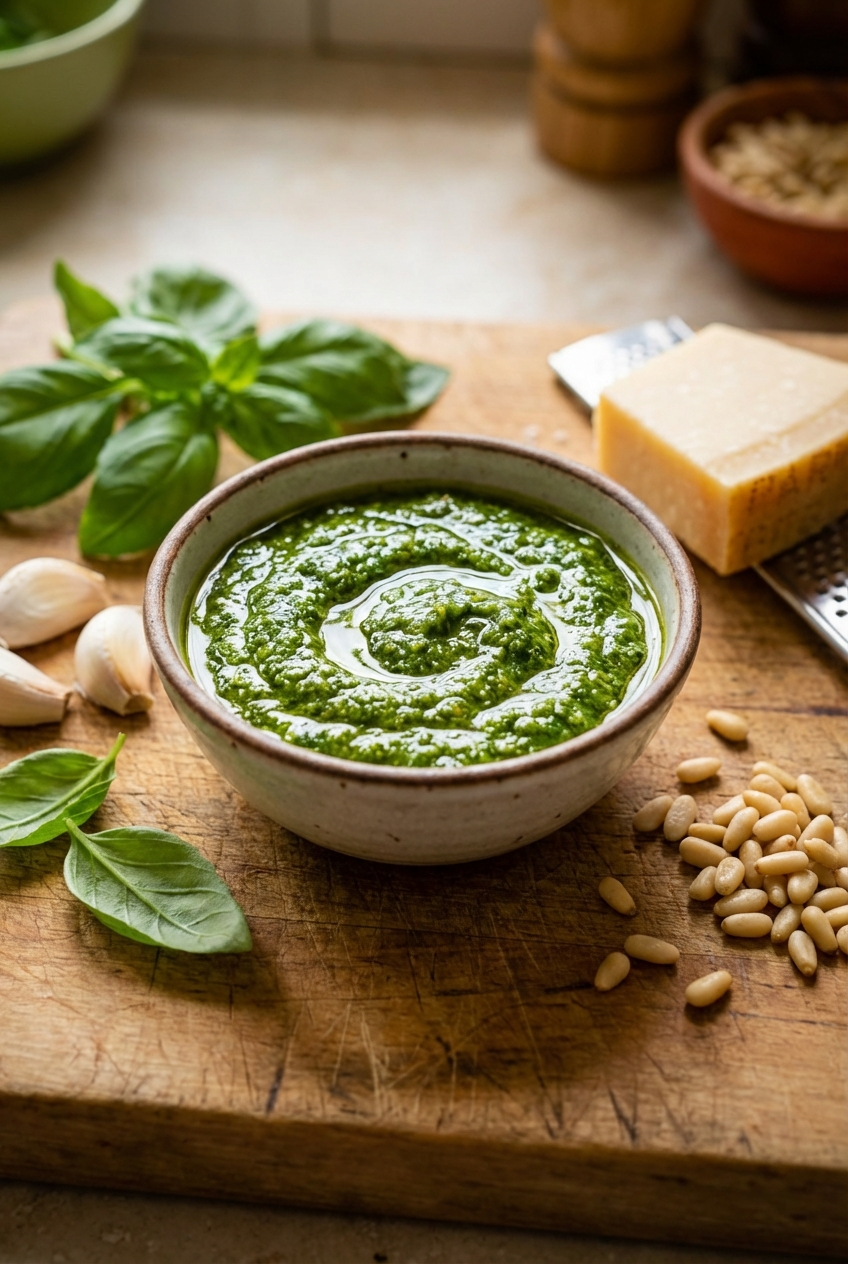
Pairs Well With

Storage Tips

Pastina is best right after cooking, when it is glossy and spoonable. Leftovers still work, though they will thicken as they sit.

Refrigerate

  • Cool, then store in an airtight container for up to 3 days (for best quality, aim for 1 to 2 days if you used the egg).

Reheat (best method)

  • Warm in a small pot over medium-low heat with a splash of broth or water, stirring until loosened and creamy again.
  • If it has egg in it, keep the heat gentle and stir often so it stays smooth.

Freezing

  • Not my favorite. The pasta texture softens a lot after thawing. If you do freeze it, expect it to be thicker and more porridge-like.

Common Questions

What is pastina, exactly?

Pastina means “little pasta” in Italian. It is a category of very small shapes (like stelline, acini di pepe, ditalini piccoli). It cooks quickly and is often used in soups or simple bowls like this.

Do I have to use chicken broth?

No. You can use vegetable broth, homemade stock, or even water with a good pinch of salt. Broth gives the most flavor with the least effort.

What texture should I expect?

This is meant to be spoonable and cozy: thicker than soup, looser than risotto. If you want it more brothy, simply add an extra splash of hot broth at the end.

How do I keep it from turning into a brick?

Pastina keeps absorbing liquid as it sits. Serve right away, and if it thickens, stir in a splash of warm broth to bring it back.

Is the egg traditional?

In many Italian and Italian-American households, yes. Whisking in egg off the heat makes it creamy and a little richer, the kind of thing a lot of grandmothers would recognize.

Will it look like egg drop soup?

Not exactly. This is more of a silky enrichment than ribbon-y egg strands. You are aiming for glossy and creamy, not visible “drops.”

Can I make it dairy-free?

You can skip the butter and cheese and finish with good olive oil, plus extra salt and pepper. It will be lighter, but still comforting.

What pastina shape is best?

Stelline are classic, but any tiny pasta works. Just watch the cook time on the package and start checking early.

I love big projects, but on a random Tuesday I am not trying to braise anything for three hours to prove a point. Pastina is my “feed the people” move when I want comfort fast and I want the kitchen to stay calm. The first time I made it this way, cooking the pasta right in broth and stirring until it went glossy, I had that moment where you taste something simple and immediately get why it has survived generations. It is not flashy. It is just good, every single time.