Mom's Best Recipes
Recipe

Whole Roasted Beef Tenderloin with Red Wine Pan Sauce

Holiday-worthy beef tenderloin that stays juicy and sliceable, finished with a shallot red wine pan sauce and optional compound butters. Includes timing tables for small roasts and a full crowd.

Author By Matt Campbell
4.8
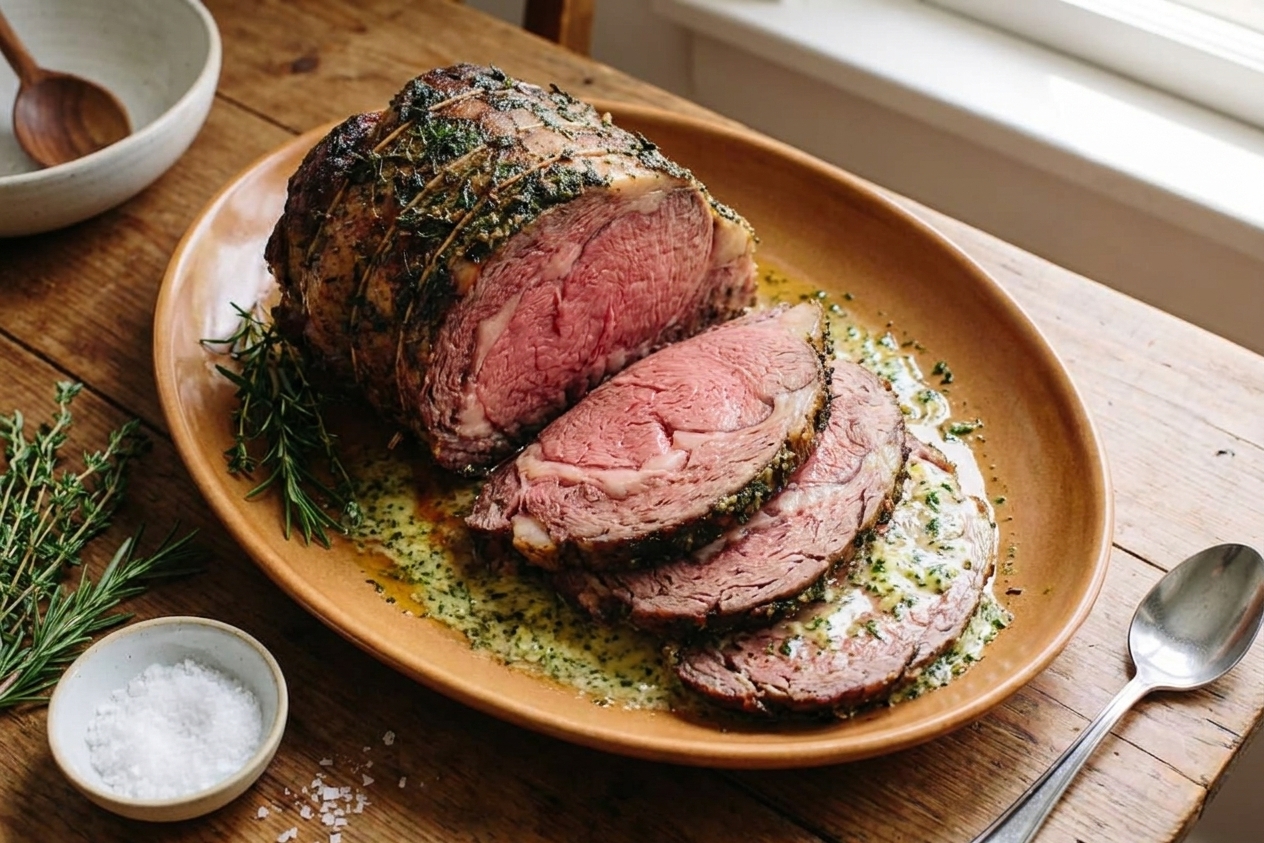
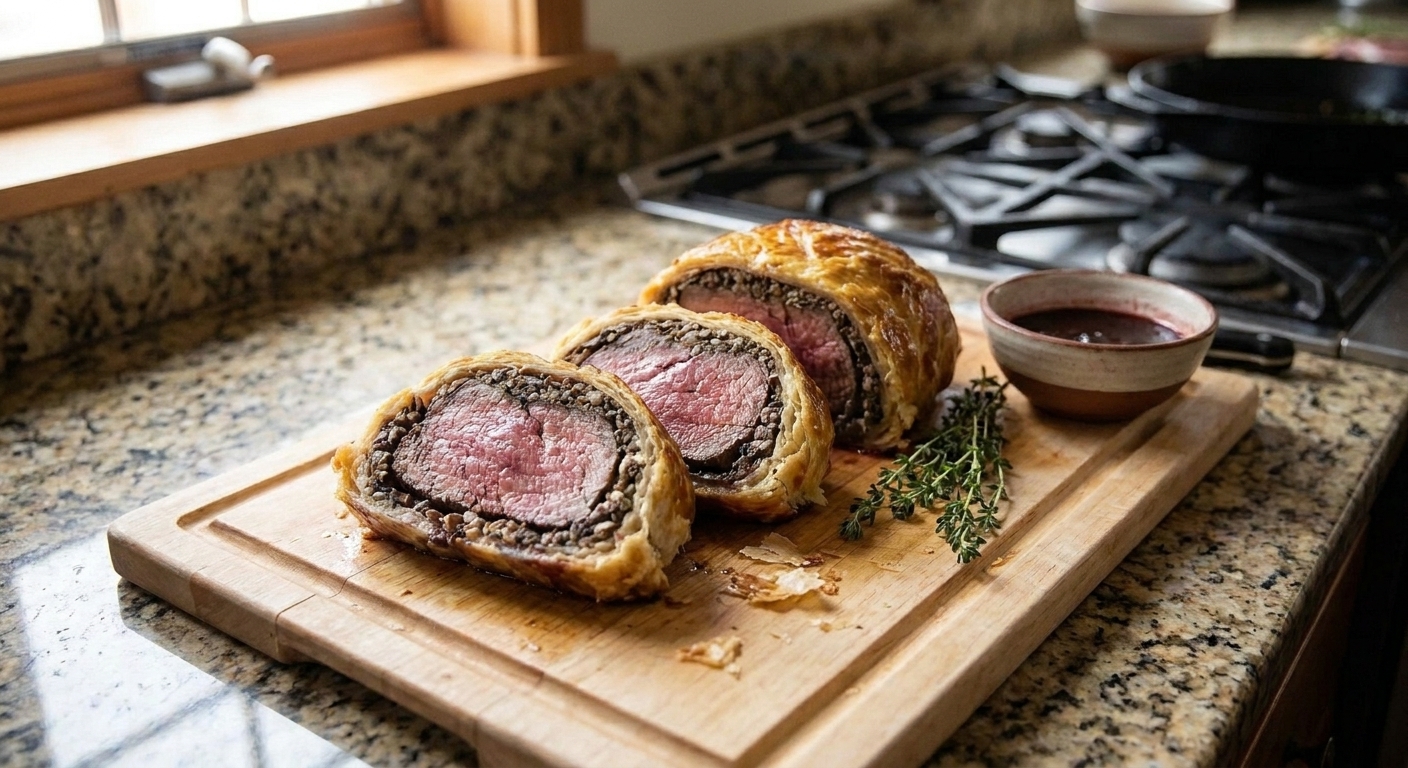
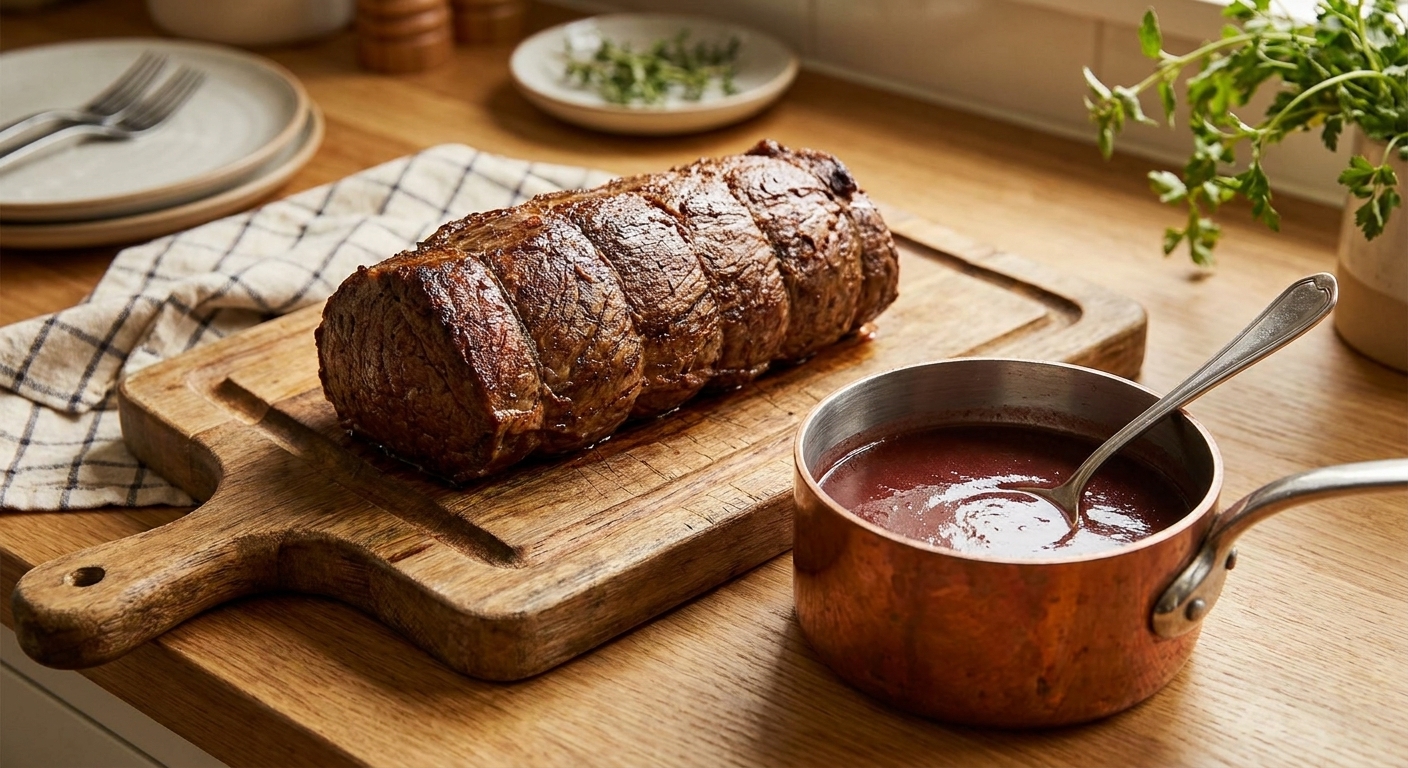
A whole roasted beef tenderloin on a carving board with a glossy red wine pan sauce in a small saucepan beside it, warm kitchen lighting, real food photography

If you want the holiday table to feel fancy without turning the kitchen into a full-contact sport, whole roasted beef tenderloin is your move. It is naturally tender, it cooks faster than big roasts, and it slices like a dream as long as you nail two things: a good sear and the right internal temperature.

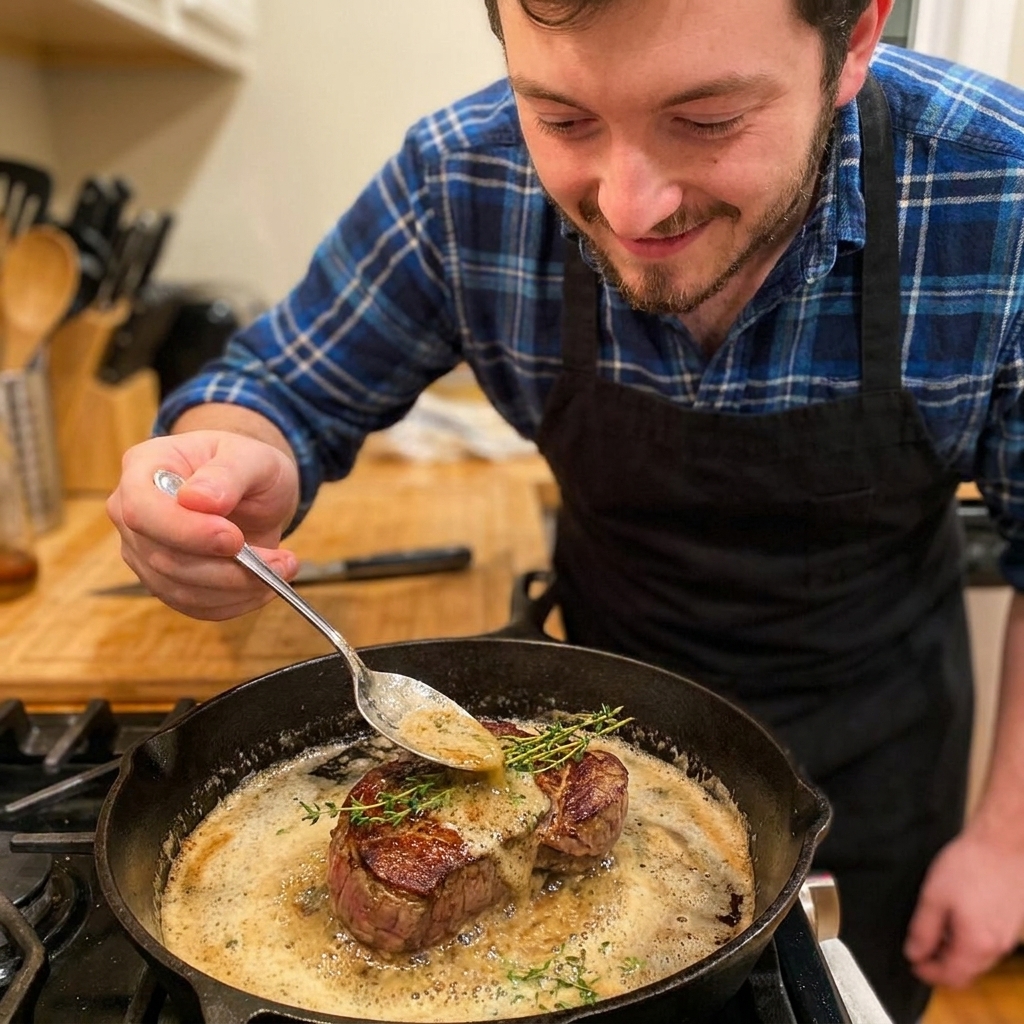
We are doing this “center-cut filet roast” style: quick sear for that browned crust, a quick, high-heat roast to your target temp, then a proper rest so the juices stay where they belong. While it rests, you build a shallot and red wine pan sauce in the same skillet. Same pan, same browned bits, maximum payoff.

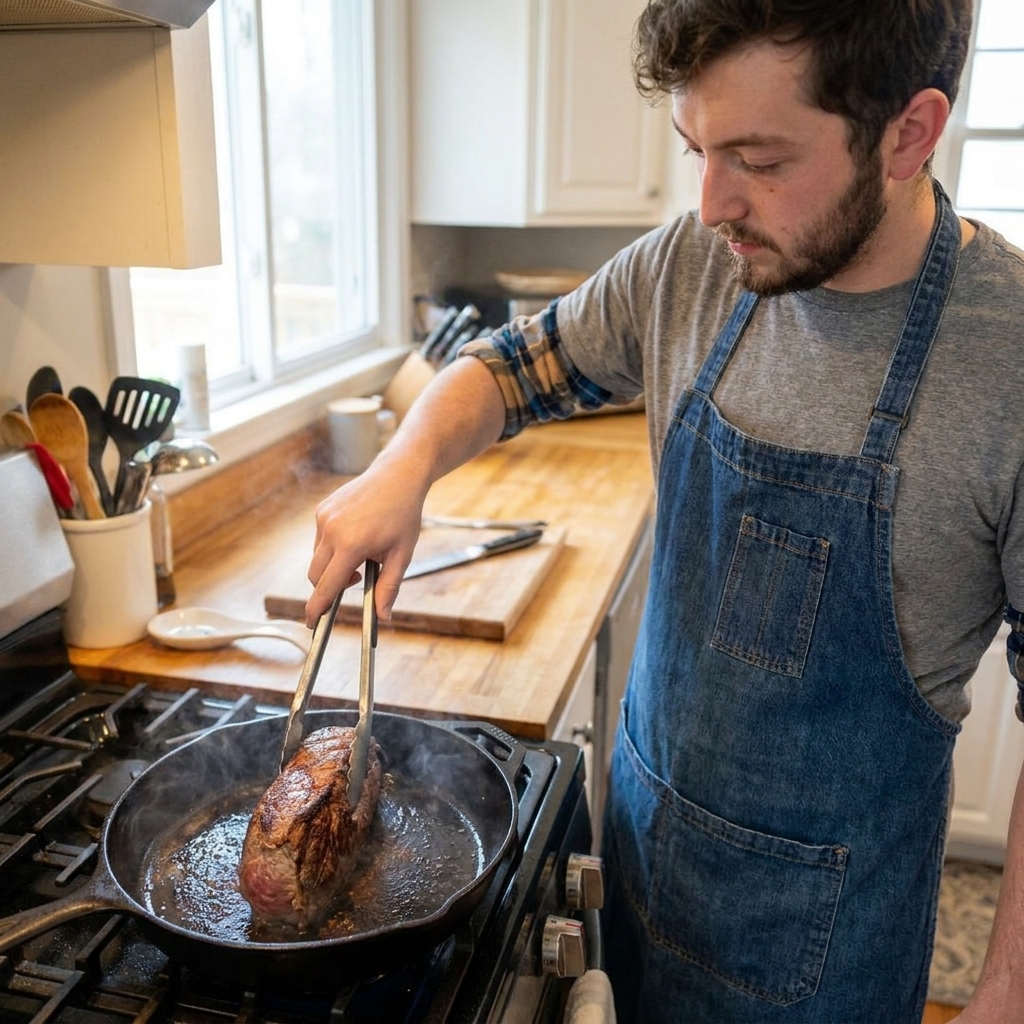
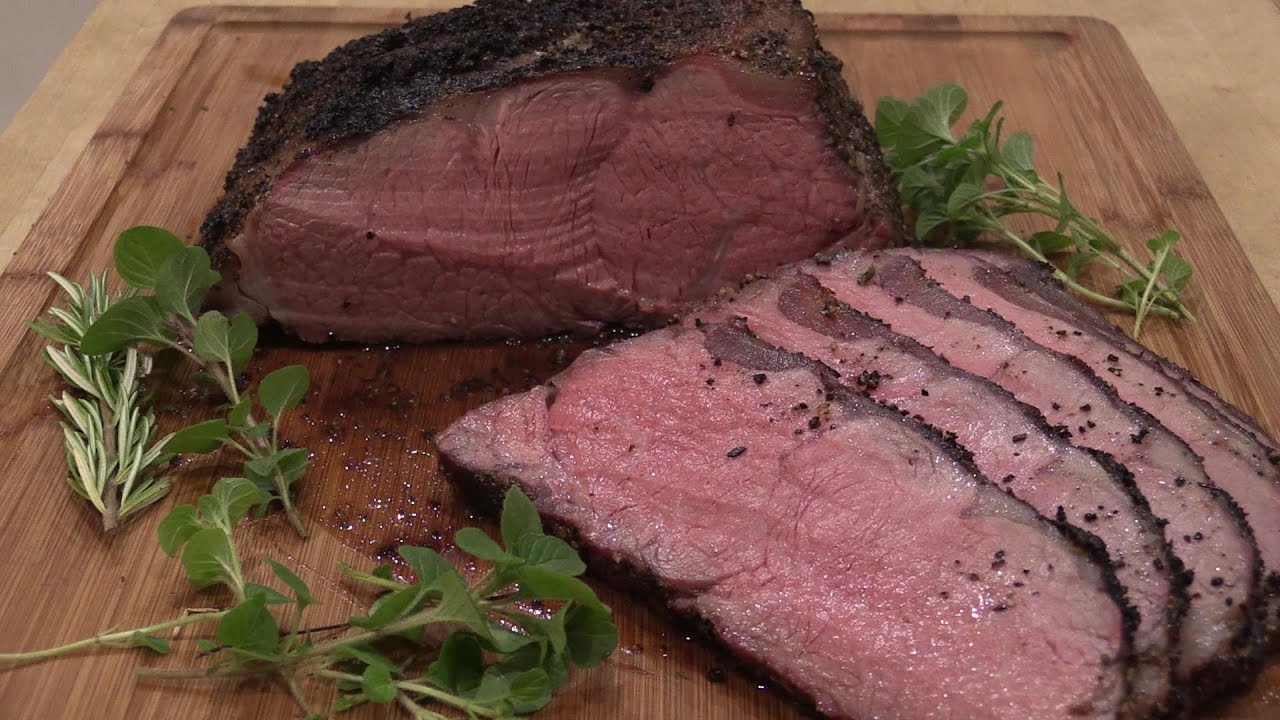
A beef tenderloin being seared in a cast iron skillet with browned edges forming, tongs holding the roast, real kitchen photo

Why It Works

  • Even doneness: A hard sear plus a quick, high-heat roast helps prevent the outside from overcooking before the center is ready.
  • Juicy slices: Resting is not optional here. Ten to twenty minutes makes the difference between perfect slices and a cutting board puddle.
  • Big flavor with simple ingredients: Shallots, wine, stock, and butter turn pan drippings into a glossy, restaurant-style sauce.
  • Built-in flexibility: Make it for a small dinner or a crowd, and finish with an easy compound butter if you want extra wow.

Pairs Well With

Storage Tips

How to Store Leftovers

  • Cool fast: Get the sliced beef into the fridge within 2 hours.
  • Refrigerate: Store tenderloin in an airtight container for up to 3 to 4 days. Keep sauce in a separate container for best texture.
  • Freeze: Freeze sliced tenderloin for up to 2 months. Wrap slices tightly, then place in a freezer bag. Sauce can be frozen too, but butter-thickened sauces may separate slightly.
  • Reheat gently: Warm slices in a covered skillet with a splash of beef stock or water over low heat, just until heated through. Avoid blasting in the microwave unless you like “well done, again.”
  • Leftover ideas: Tenderloin sandwiches with horseradish mayo, steak salad with arugula and shaved Parmesan, or breakfast hash with crispy potatoes.

Common Questions

Common Questions

Do I have to tie the tenderloin?

If your roast is an even cylinder, you can skip it. If one end is thinner, tying every 1 1/2 to 2 inches helps it cook more evenly and look extra tidy when sliced.

What internal temperature should I cook it to?

Pull temperature matters because it climbs as it rests. Aim to remove the roast at:

  • Rare: 120°F
  • Medium-rare: 125°F (my favorite for tenderloin)
  • Medium: 130°F

Expect a 5 to 10°F rise during rest, depending on roast size. That means your final temps will usually land around 125 to 130°F (rare), 130 to 135°F (medium-rare), and 135 to 140°F (medium).

USDA note: Whole-muscle beef like tenderloin is commonly served at lower temps than 145°F, but if you want a more conservative target, you can pull closer to 135 to 140°F and rest (final will land higher).

Where should I place the thermometer?

Probe the thickest center of the tenderloin. Avoid touching the pan or hitting a pocket of fat, which can throw off the reading.

Can I roast it without searing?

You can, but you will miss out on crust and the browned bits that make the sauce taste like you worked harder than you did. Sear is worth it.

What red wine is best for the pan sauce?

Use a dry red you would actually drink: Cabernet Sauvignon, Merlot, Syrah, or a red blend. Avoid sweet wines.

Can I make it ahead?

You can prep ahead easily: tie, season (dry brine), and chill the roast up to 24 hours. Cook close to serving for best texture. The sauce can be made 1 day ahead and reheated gently.

Why is my sauce bitter?

Usually it is from wine reduced too hard or garlic/shallots getting scorched. Keep the heat at a steady simmer, scrape the pan, and finish with cold butter to round things out.

Convection or regular oven?

Either works. Convection tends to cook a little faster and brown more aggressively, so start checking temperature a few minutes early.

I love a big, dramatic holiday roast, but I also love not being trapped in the kitchen all day. Tenderloin is my “look what I pulled off” dinner that still lets me hang out with everyone. The first time I made it for a crowd, I overthought the seasoning and under-thought the thermometer. Now I do the opposite: salt early, sear hard, roast to temp, then let the sauce carry the whole thing. It is calm cooking with fancy results, which is basically my whole personality in December.