Mom's Best Recipes
Recipe

Easy Yakisoba

Japanese street-style stir-fried noodles with cabbage, a glossy sweet-savory sauce, and crisp-edged protein, all done fast in one hot pan.

Author By Matt Campbell
4.8
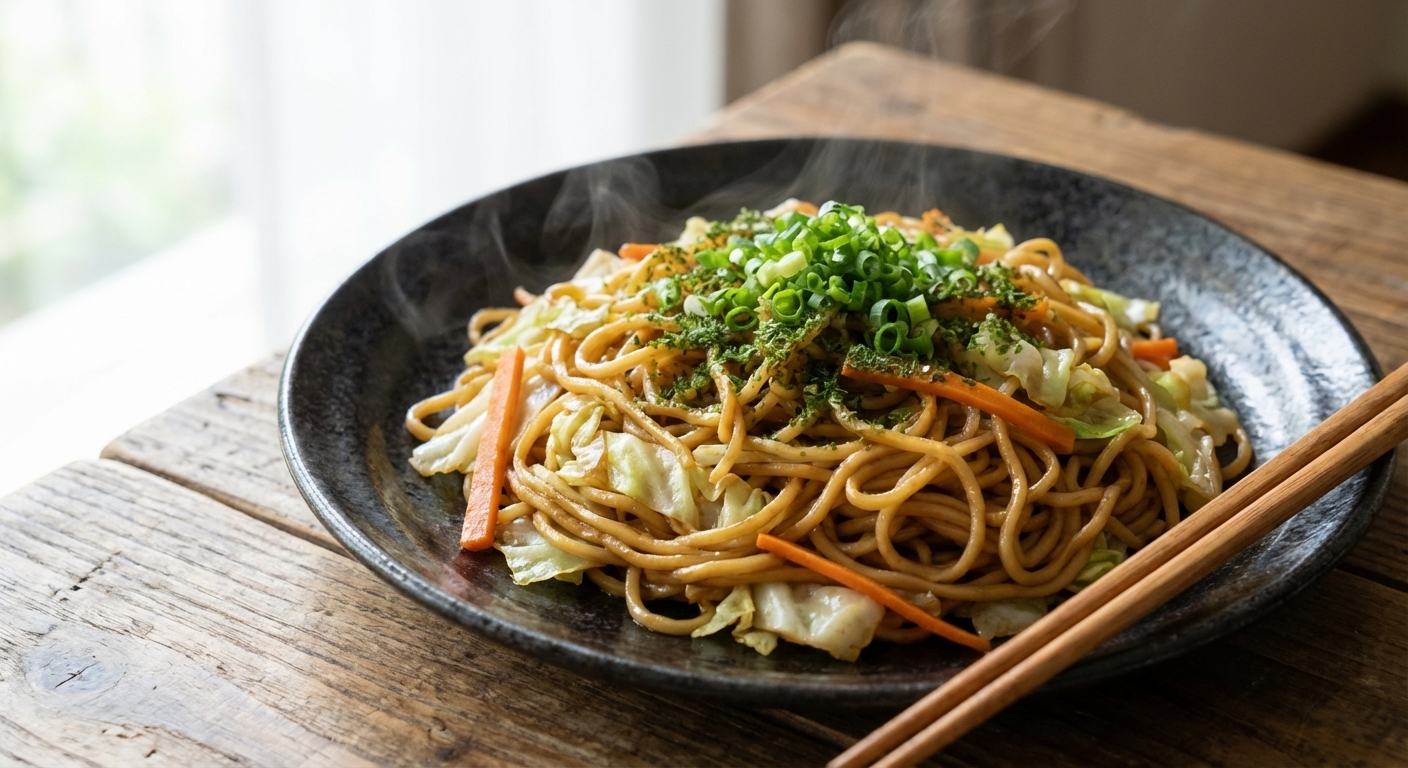
A steaming plate of Japanese yakisoba noodles tossed with cabbage and carrots, topped with sliced green onions, photographed on a wooden table in natural light

Yakisoba is the dinner I make when I want something that feels like takeout, but I also want to stay in sweatpants and keep the dishes minimal. It is Japanese stir-fried wheat noodles, a pile of crunchy-tender cabbage, your choice of protein, and a sauce that hits that perfect street-food balance: a little sweet, a little tangy, deeply savory, and glossy enough to cling to every noodle.

The best part is how forgiving it is. Use the veggies you have. Swap the protein. Go bottled sauce when life is chaotic. Or make the quick homemade version with pantry staples like Worcestershire, ketchup, and oyster sauce. Either way, the goal is the same: high heat, quick toss, and those slightly crisp noodle edges that make you stop mid-bite like, okay, wow.

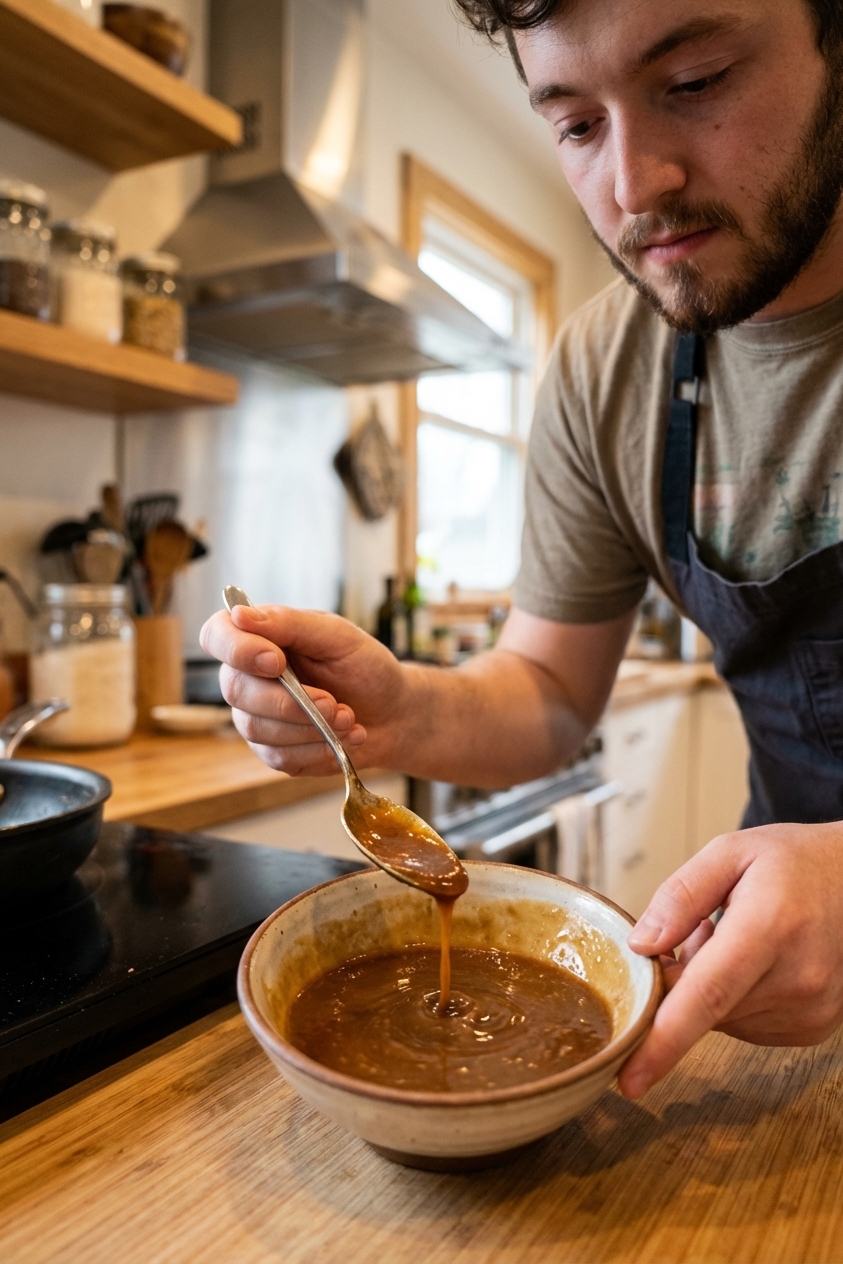
A small bowl of glossy brown yakisoba sauce being whisked with a spoon on a kitchen counter

Why It Works

  • Big flavor, simple sauce: Worcestershire plus ketchup brings tang and sweetness, and oyster sauce adds depth for that street-stall vibe.
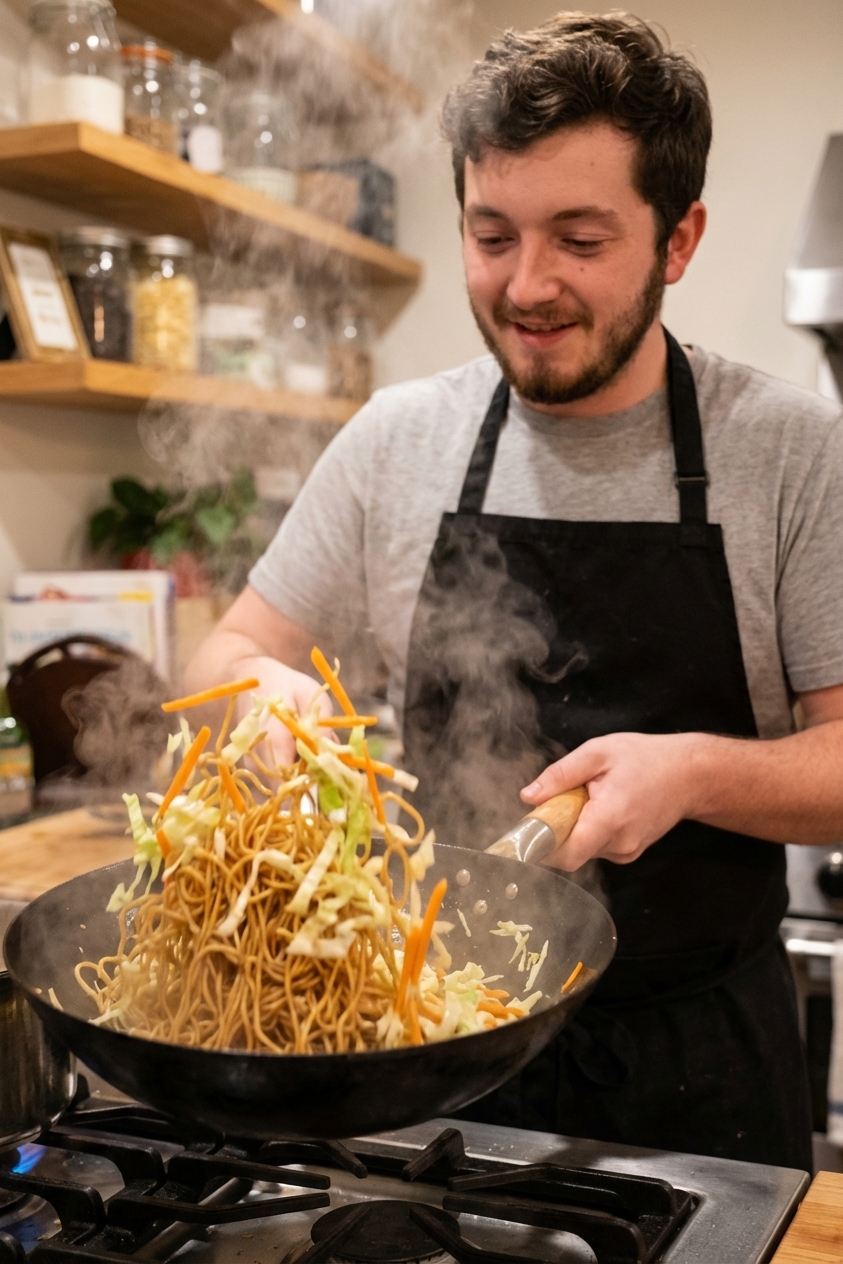
  • Real stir-fry texture: Cooking in stages keeps veggies crisp and lets the noodles pick up toasty edges instead of turning soft and steamy.
  • Weeknight flexible: Use chicken, pork, shrimp, tofu, or just more veggies. This recipe adapts without falling apart.
  • Fast cleanup: One wok or big skillet, one bowl for sauce, done.

Pairs Well With

Storage Tips

Fridge: Store yakisoba in an airtight container for up to 3 days. The noodles will drink up sauce as they sit, which is not a tragedy, it is just how noodles live.

Reheat (best method): Warm a skillet over medium-high heat, add a splash of water (1 to 2 tablespoons) and a tiny drizzle of oil, then stir-fry until hot. This brings back some edge and keeps it from drying out.

Microwave method: Cover loosely and microwave in 30 to 45 second bursts, stirring between rounds. Add a splash of water if it looks tight.

Freezing: You can freeze it, but the cabbage gets softer. If you freeze, cool completely first, pack airtight, and use within 1 month. Reheat in a skillet for best texture.

Common Questions

What kind of noodles are yakisoba noodles?

Most yakisoba uses wheat-based noodles that look a lot like ramen, usually sold pre-cooked in vacuum packs in the refrigerated section. Despite the name, yakisoba is typically made with noodles similar to chukamen (Chinese-style wheat noodles), not buckwheat soba.

My yakisoba noodle packs came with sauce. What do I do?

Many refrigerated packs include a little sauce packet. If you are making the homemade sauce here, you can discard it or save it for another quick stir-fry. If you want to use the packet sauce instead, skip the homemade sauce and add the packet at the end, tossing until glossy.

Can I use ramen noodles instead?

Yes. Use plain ramen bricks (no seasoning packet). Boil just until barely tender, then drain well. Rinse briefly only if needed to stop the cooking or reduce stickiness, then drain very well. If you overcook them, they can break and get mushy in the pan.

Is bottled yakisoba sauce worth it?

Absolutely. Bottled sauce is a great shortcut and still tastes like the festival stall version. Brands vary a lot, so treat it as a starting point. Begin with about 1/2 cup and add more to taste at the end.

What proteins work best?

Thin-sliced pork, chicken thighs, shrimp, and tofu all work. The main rule is small pieces, quick cooking. Yakisoba is fast, so you want a protein that cooks fast too.

How do I know the chicken is cooked through?

Cook until there is no pink left and the slices feel firm and juicy, or use a thermometer and aim for 165°F / 74°C in the thickest piece.

Why did my noodles get watery?

Usually it is one of these: the pan was not hot enough, the pan was crowded, or the veggies released moisture because they were cooked too long. Keep the heat high, cook in stages, and do not be afraid to let things sit in the pan long enough to brown. If you have a smaller skillet, cook the noodles in two batches for better texture.

What toppings are traditional?

Common toppings include aonori (dried green seaweed flakes), beni shoga (pickled red ginger), and sometimes Kewpie mayo. For an easy pantry-friendly finish, try scallions and toasted sesame seeds.

Any allergy or vegetarian notes?

Worcestershire and oyster sauce can contain anchovy and shellfish. For a vegetarian version, use vegan Worcestershire and mushroom “oyster” sauce, or swap oyster sauce for a mix of soy sauce plus a little sugar for balance.

The first time I really understood yakisoba was at a little street fair setup, watching someone cook it like a magic trick. Noodles hit the griddle, cabbage followed, sauce went on, and in about the time it takes to complain about being hungry, there was a glossy, savory pile that smelled like comfort and good decisions. At home, I chase that same vibe with one rule: crank the heat, cook in stages, and let the noodles get a little crispy in spots. Not perfectly. Just enough to make it interesting.