Is kombucha safe to make at home?
Yes, if you follow clean practices and use the right ingredients. Keep everything very clean, use breathable covers for the first ferment, and trust your senses plus a few clear red flags. If you see fuzzy mold (dry, raised, blue, green, or black), discard the batch and start over. A smooth off-white to tan layer forming on top (the new pellicle) is normal. Brown stringy bits and sediment are usually yeast and are also normal. If it smells rotten, putrid, or like something is truly wrong, do not taste it, discard it.
If you want an extra sanity check, pH strips can help. Many brewers like to see the pH trending acidic early on (often below about 4.2 within the first few days), but treat that as a guideline, not a magic number. When in doubt, keep it clean, keep it covered, and keep it acidic by using enough starter tea.
What does “zesty and cozy” mean in this recipe?
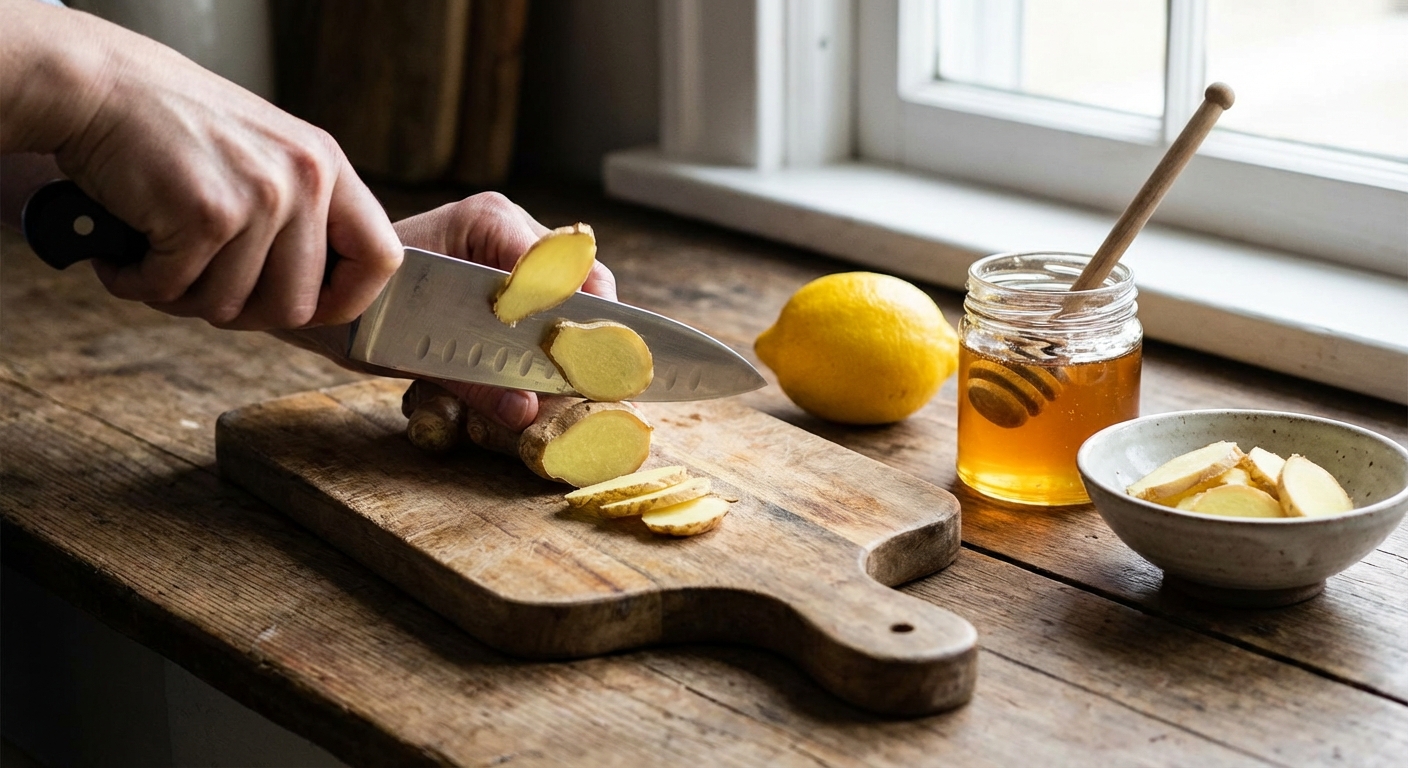
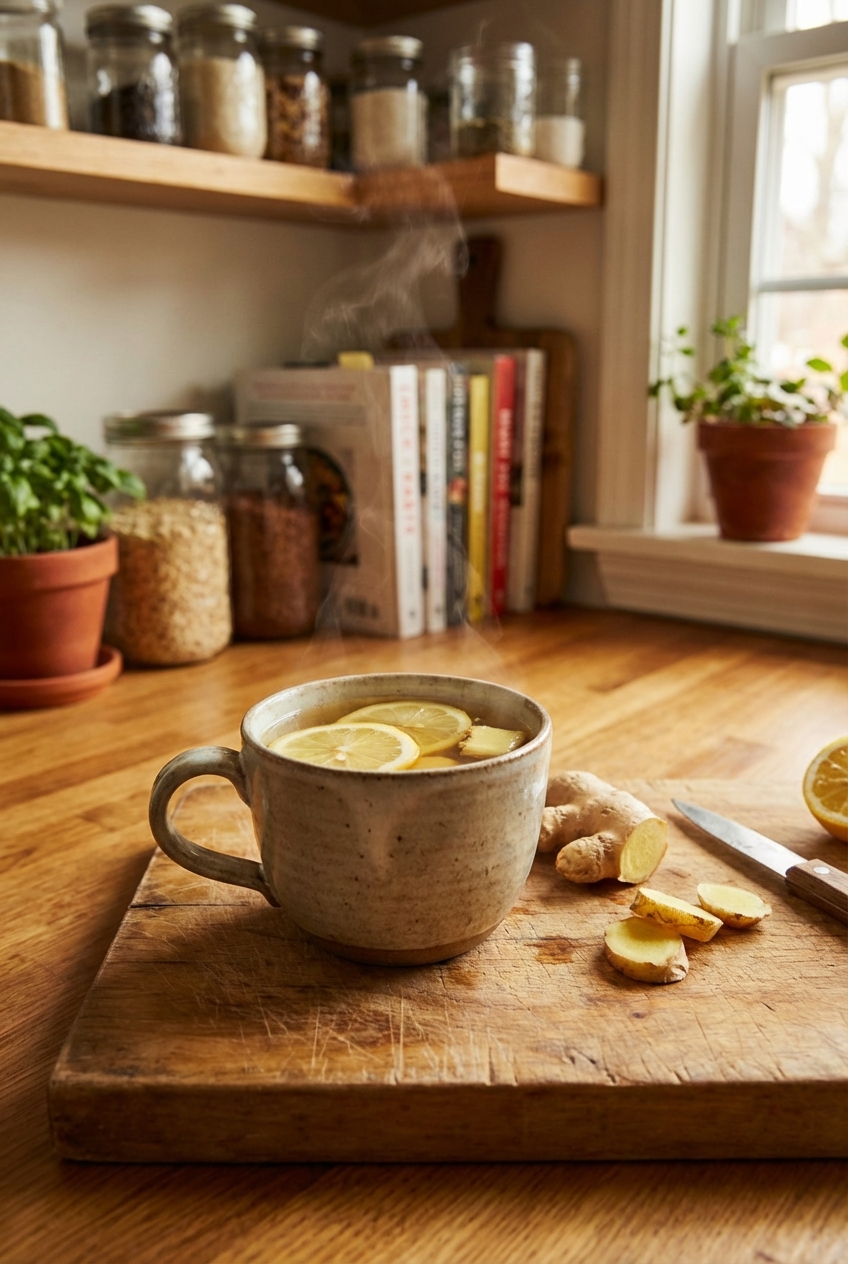
Zesty comes from lemon and orange peel plus fresh ginger. Cozy comes from a cinnamon stick and an optional touch of vanilla in the second ferment. It tastes bright first, then warms up at the finish.
Can I use green tea instead of black tea?
You can, but for a beginner-friendly batch I recommend mostly black tea because it reliably feeds the culture. If you want to experiment, try half black tea and half green tea.
How do I know when the first fermentation is done?
Start tasting around day 7. You want it lightly sweet, tangy, and pleasant. If it tastes like sweet tea, it needs more time. If it tastes sharply vinegary, it went too long. Temperature matters, so the timeline is a guide, not a rule.
Why is my kombucha not fizzy?
Common causes are: the first ferment was too short (not enough yeast activity), your bottles are not airtight, your kitchen is cold, or you did not add enough fermentable sugar in the second ferment. For the most predictable fizz, add a little plain sugar or juice in the second ferment. Try about 1 teaspoon sugar per 16-ounce bottle and ferment 2 to 4 days at room temp.
Do I have to use peel, and is it bitter?
Peel adds aroma fast, but too much pith can taste bitter. Use a vegetable peeler and aim for thin strips with minimal white pith. You can also skip peel and use a little fresh juice instead.