Common Questions
Are these muffins “anti-inflammatory”?
They include ingredients that are often associated with an anti-inflammatory eating pattern, like turmeric, ginger, cinnamon, and olive oil. Food is not medicine, but baking with these pantry staples is a tasty way to add variety to your routine.
Is turmeric actually anti-inflammatory?
Turmeric contains curcumin, which is widely studied for anti-inflammatory properties. Food is not medicine, but including turmeric as part of an overall balanced diet is a smart, flavorful move.
Do I need black pepper with turmeric?
Black pepper contains piperine, which may improve curcumin absorption (this is best supported in supplement contexts, and food-dose impact can vary). You can add a tiny pinch to the batter if you want. It will not taste peppery at that level.
Can I make these dairy-free?
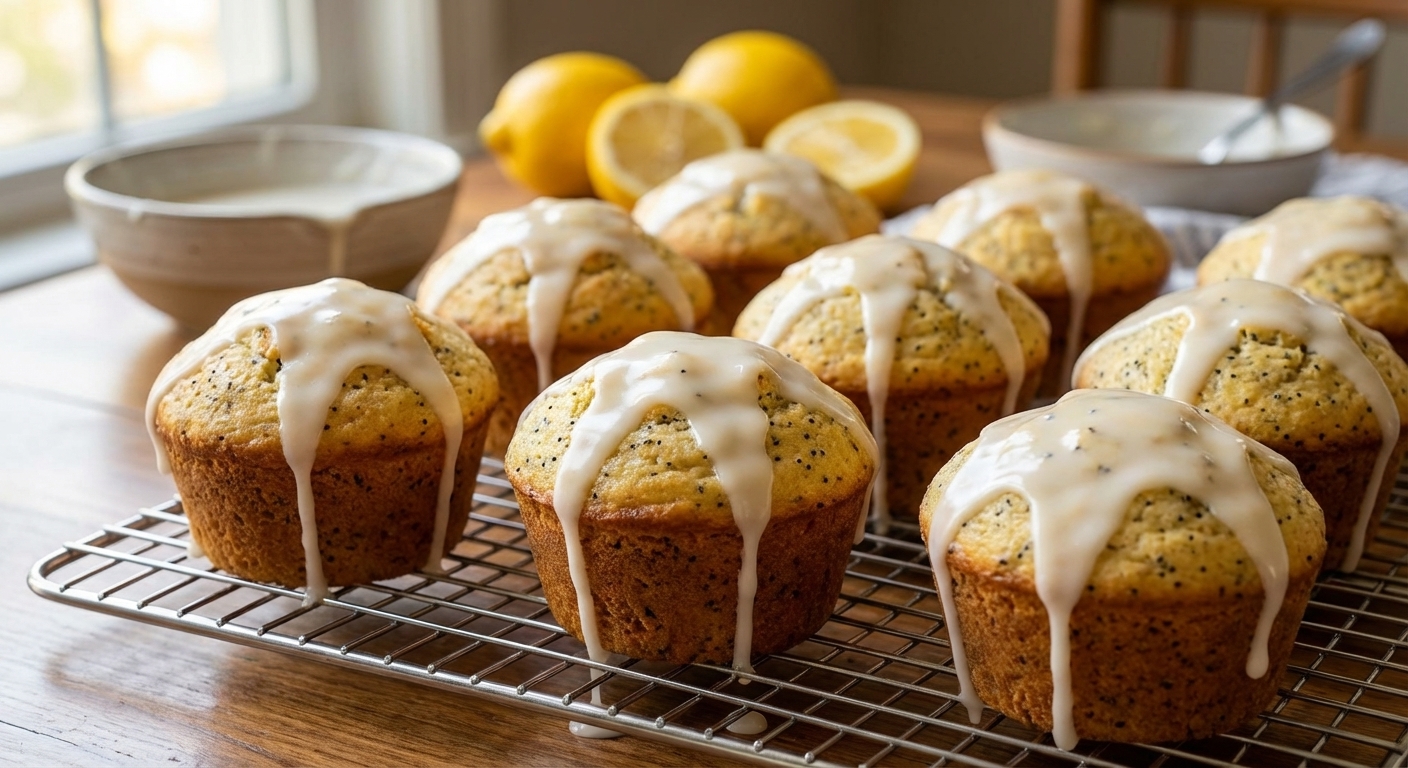
Yes. Use a thick plant-based yogurt (unsweetened if possible). For the glaze, use plant-based yogurt or a simple lemon powdered sugar glaze with water.
Can I make these gluten-free?
Often, yes. Swap in a 1:1 gluten-free all-purpose flour blend that includes xanthan gum. After mixing, let the batter rest for 10 minutes before baking to help hydrate the flour, then bake as directed.
Why did my muffins turn out dense?
The usual suspects are overmixing or expired baking powder. Mix just until you do not see dry flour, and make sure your leaveners are fresh.
Can I reduce the sugar?
You can cut the sugar to 1/2 cup without breaking the recipe, though the muffins will be a bit less tender and less golden. The lemon zest helps keep the flavor lively either way.