Mom's Best Recipes
Recipe

Zesty Shrimp Recipe

Juicy shrimp in a buttery lemon garlic sauce with a cozy kick. Fast, bright, and begging for crusty bread.

Author By Matt Campbell
4.8

If dinner needs to feel like a warm hug but your schedule is giving “five minutes and a prayer,” this zesty shrimp is the move. It is bright from lemon, cozy from butter, and a little spicy if you want it to be. The sauce is the real star here, glossy and garlicky with just enough tang to make you keep going back for “one more dip” with bread.

It also plays well with whatever you have: pasta, rice, grits, or a pile of roasted veggies. The only hard rule is this: do not overcook the shrimp. They are fast, dramatic, and unforgiving, but we will keep it low-drama with a simple method and a few small tricks.

Why It Works

  • Big flavor in a short window: lemon zest plus juice gives you aroma and acidity without tasting flat.
  • Juicy shrimp with crisp edges: a quick sear, then out of the pan. The sauce finishes without overcooking anything.
  • A sauce you can actually rescue: if it looks split, whisk in cold butter off heat. If it is thin, simmer for a minute or two. If it is tight, loosen with a splash of broth or pasta water.
  • Comforting and flexible: serve it over cozy carbs or with bread, and it still feels like a full meal.

Pairs Well With

Storage Tips

Shrimp is best the day you cook it, but leftovers still make a great next-day lunch if you treat them gently.

Refrigerate

  • Cool leftovers quickly, then store in an airtight container for up to 2 days for best quality (many food safety guides allow 3 to 4 days if promptly refrigerated, but shrimp is happiest sooner).
  • Keep any bread or pasta separate if possible so it does not soak up all the sauce.

Reheat without turning shrimp rubbery

  • Stovetop: warm the sauce in a skillet over low heat with a splash of water, broth, or leftover pasta water. Add shrimp at the end just to heat through, about 1 to 2 minutes.
  • Microwave: use 50 percent power in short bursts, stirring between, until just warm.

Freezing

I do not love freezing cooked shrimp in a butter sauce because the texture changes and the sauce can separate. If you want to prep ahead, freeze raw peeled shrimp instead and make the sauce fresh.

Common Questions

Can I use frozen shrimp?

Yes. Thaw in the fridge overnight, or quick-thaw in a bowl of cold water for 10 to 20 minutes (for larger shrimp it may take closer to 15 to 25). Swish them around once and change the water if it gets icy. Pat them very dry before cooking so they sear instead of steaming.

What size shrimp should I buy?

Large shrimp (around 31 to 40 count per pound) are ideal for weeknights. Jumbo works too, just cook until they are opaque and cooked through (usually 1 to 3 minutes longer total, depending on heat). Tiny shrimp cook so fast they are easy to overdo.

Should the shrimp be raw or pre-cooked?

Use raw shrimp for this recipe. Pre-cooked shrimp will turn rubbery fast because they are basically getting cooked twice.

How do I know shrimp are cooked?

They turn pink and opaque with no gray or translucent centers. A loose “C” shape is a helpful clue, but not a perfect rule. If you like a number, aim for about 145°F / 63°C at the thickest part.

My sauce tastes flat. What do I do?

Add a pinch of salt, a squeeze of lemon, and a little more zest if you have it. Acidity and salt are the fastest way to wake up a butter-based sauce.

My sauce looks broken or too thin. Can I fix it?

Yes. If it looks a little split, take the pan off the heat and whisk in 1 tablespoon cold butter until glossy again. If it is too thin, simmer it for 1 to 2 minutes to reduce, or add a small splash of pasta water if you have it.

Can I make it creamy?

Absolutely. Stir in 2 to 4 tablespoons of heavy cream at the end and keep the heat low. You can also add a small handful of Parmesan, but do it off the heat to keep it smooth.

Is this very spicy?

Only if you want it to be. Start with a small pinch of red pepper flakes, taste, then decide if you want more heat.

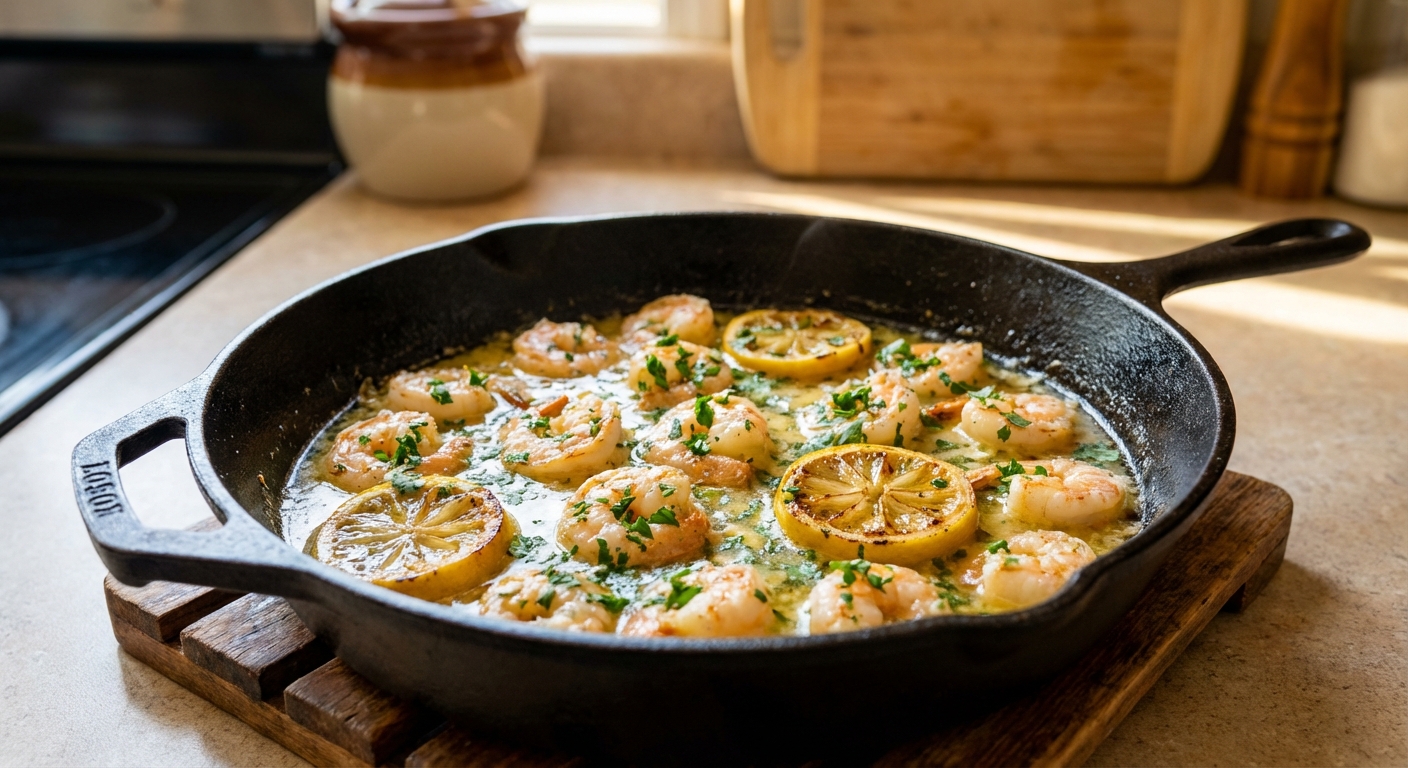
This is the kind of dinner I make when I want “restaurant energy” without restaurant effort. I started cooking shrimp a lot when I realized it behaves like a shortcut protein, fast like chicken cutlets but with way more drama if you blink at the wrong time. The first time I nailed it, it was because I stopped babysitting the shrimp and started focusing on the sauce. Now I treat shrimp like a quick guest: sear, say hi, then get them out of the pan while I finish the good stuff.