Mom's Best Recipes
Recipe

Lemony Tomato-Braised Lamb Shanks (Zesty & Tangy)

Fall-off-the-bone lamb shanks braised in a bright lemon-tomato sauce with garlic, herbs, and a splash of vinegar for that tangy, restaurant-style finish.

Author By Matt Campbell
4.8
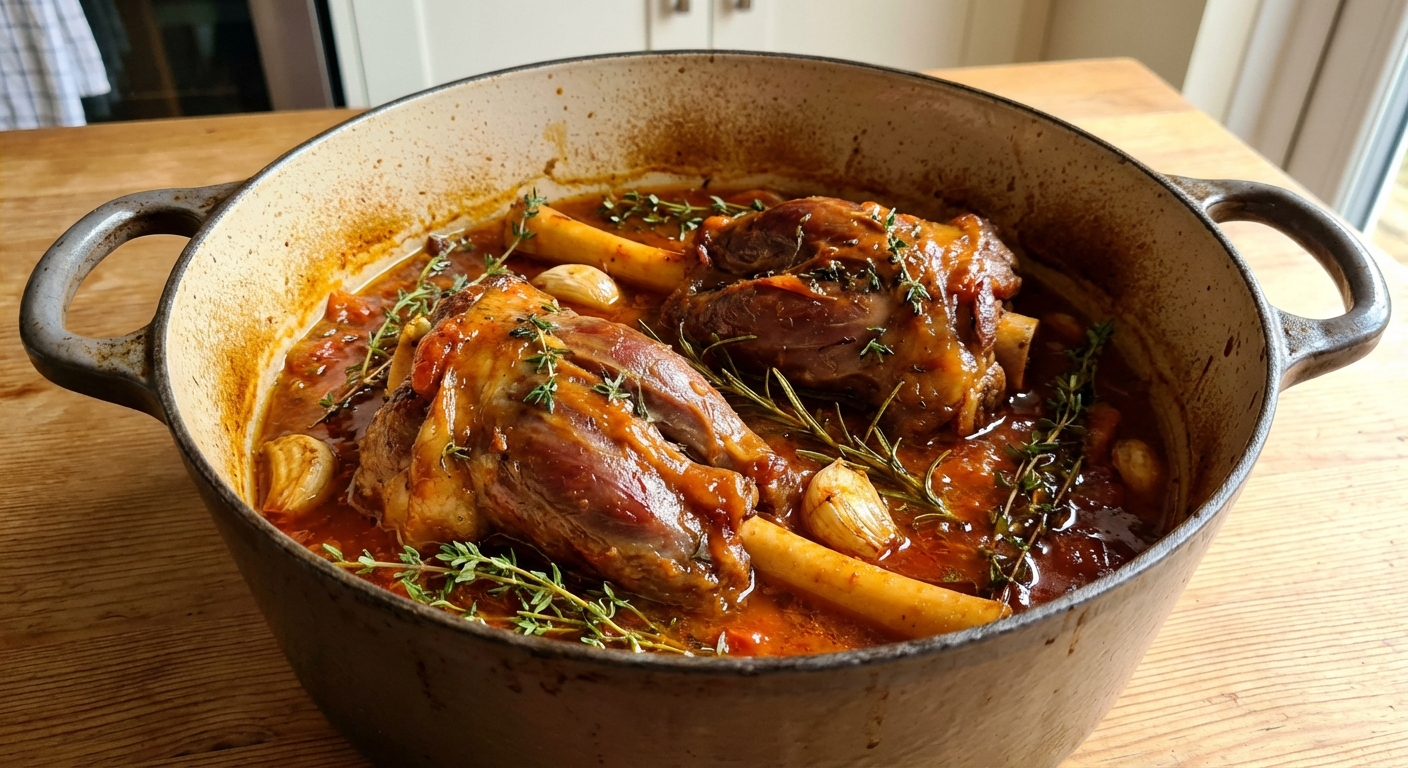
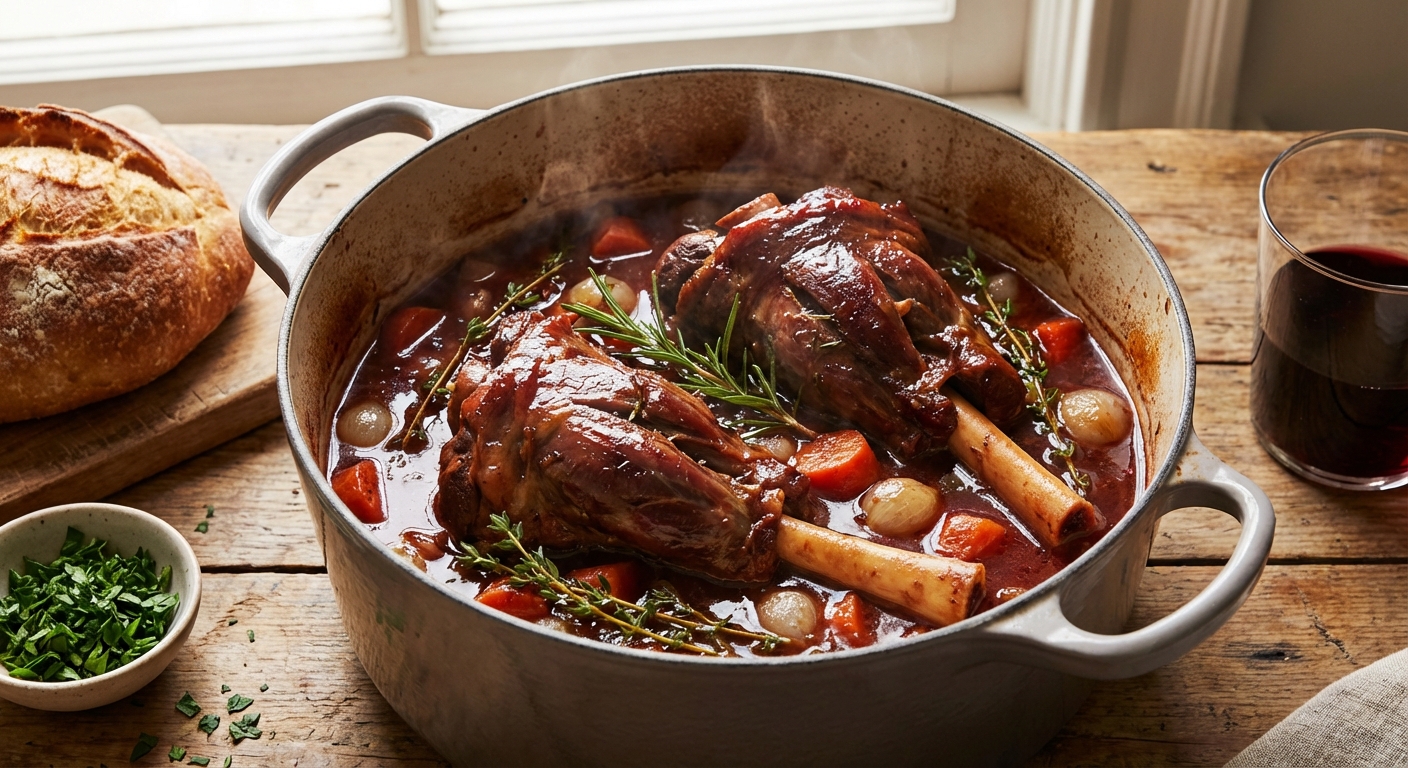
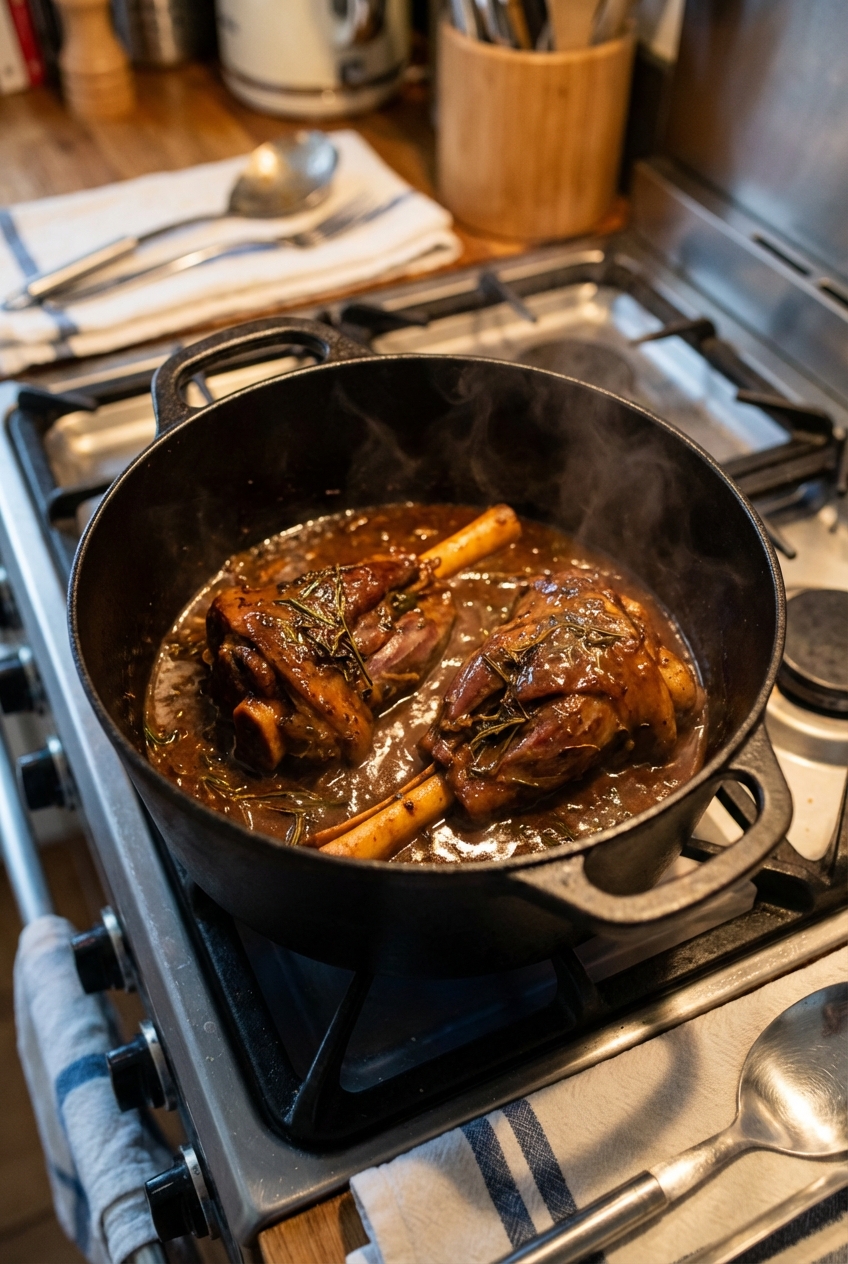
Two braised lamb shanks in a Dutch oven with a glossy lemon tomato sauce, herbs, and roasted garlic cloves

Lamb shanks are one of those cuts that look intimidating until you realize the secret is basically: low heat, a little patience, and a sauce worth dragging bread through. This lemony tomato-braised version keeps the comfort vibes, but leans zesty and tangy with lemon, tomatoes, and a quick hit of vinegar at the end. It tastes like you cooked all day even if you mostly just checked on it and pretended you were busy.

We are going for tender meat that slips off the bone, plus a bright braising liquid that turns into a silky sauce. It is cozy, but not heavy. Rich, but not sleepy. Basically, the kind of dinner that makes you pause mid-bite and think, “Okay, wow.”
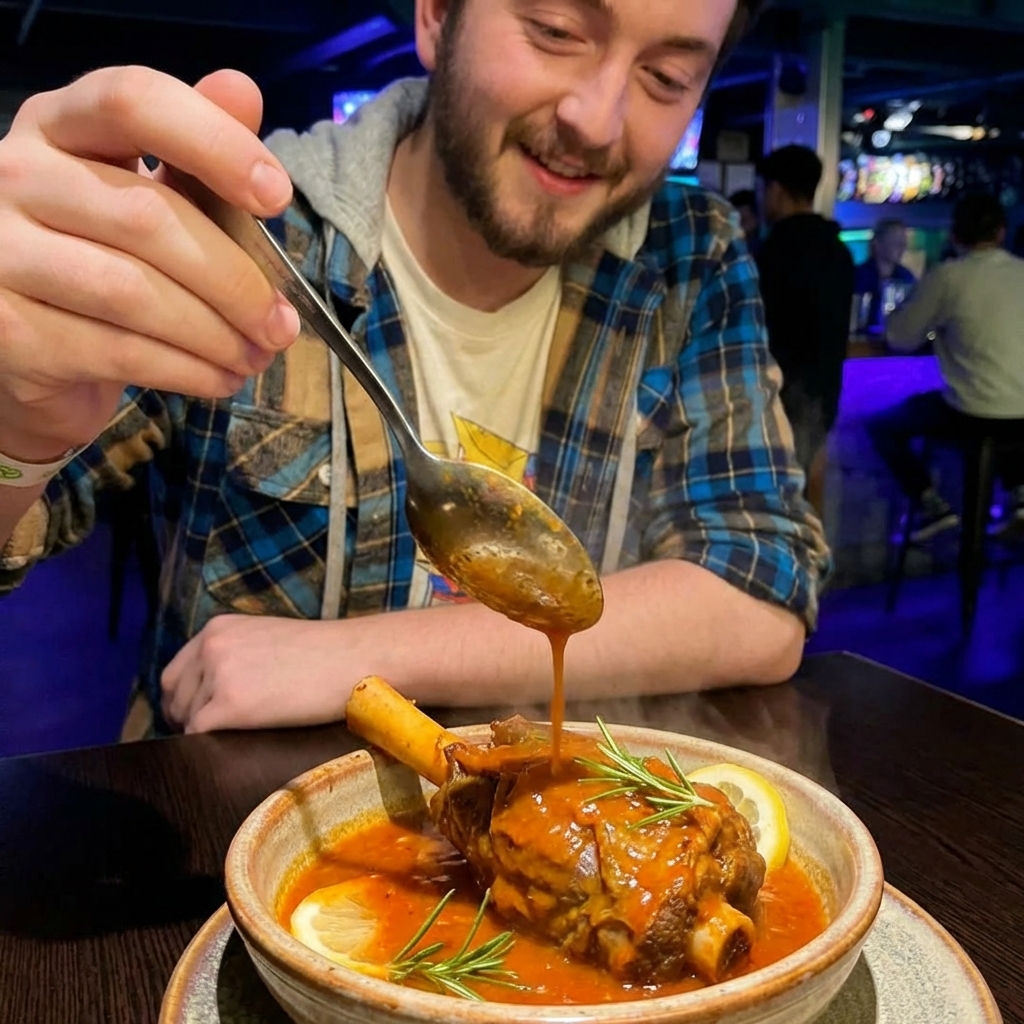
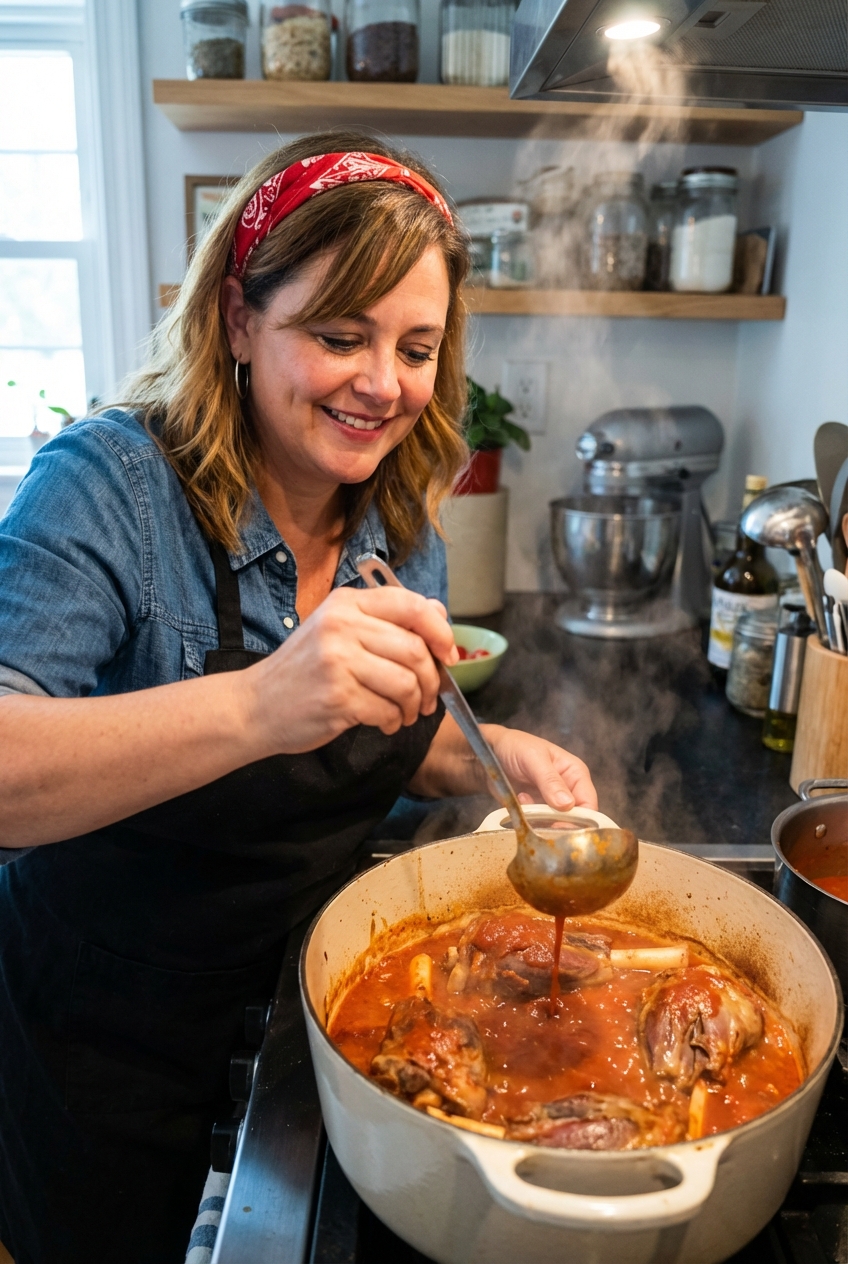
A close up of a lamb shank being spooned with lemony tomato sauce in a bowl

Why It Works

  • Deep flavor with minimal drama: A quick sear builds the foundation, then the oven does the heavy lifting.
  • Zesty, tangy balance: Lemon zest and juice brighten the whole pot, and a small splash of vinegar wakes up the sauce right at the end.
  • Fork-tender texture: Collagen in the shank melts during the braise, giving you that fall-apart tenderness and a naturally glossy sauce.
  • Flexible and forgiving: Swap herbs, use broth instead of wine, and adjust the tang to your taste.

Pairs Well With

  • Buttery mashed potatoes (or smashed potatoes with olive oil and garlic)
  • Lemony rice pilaf with toasted orzo
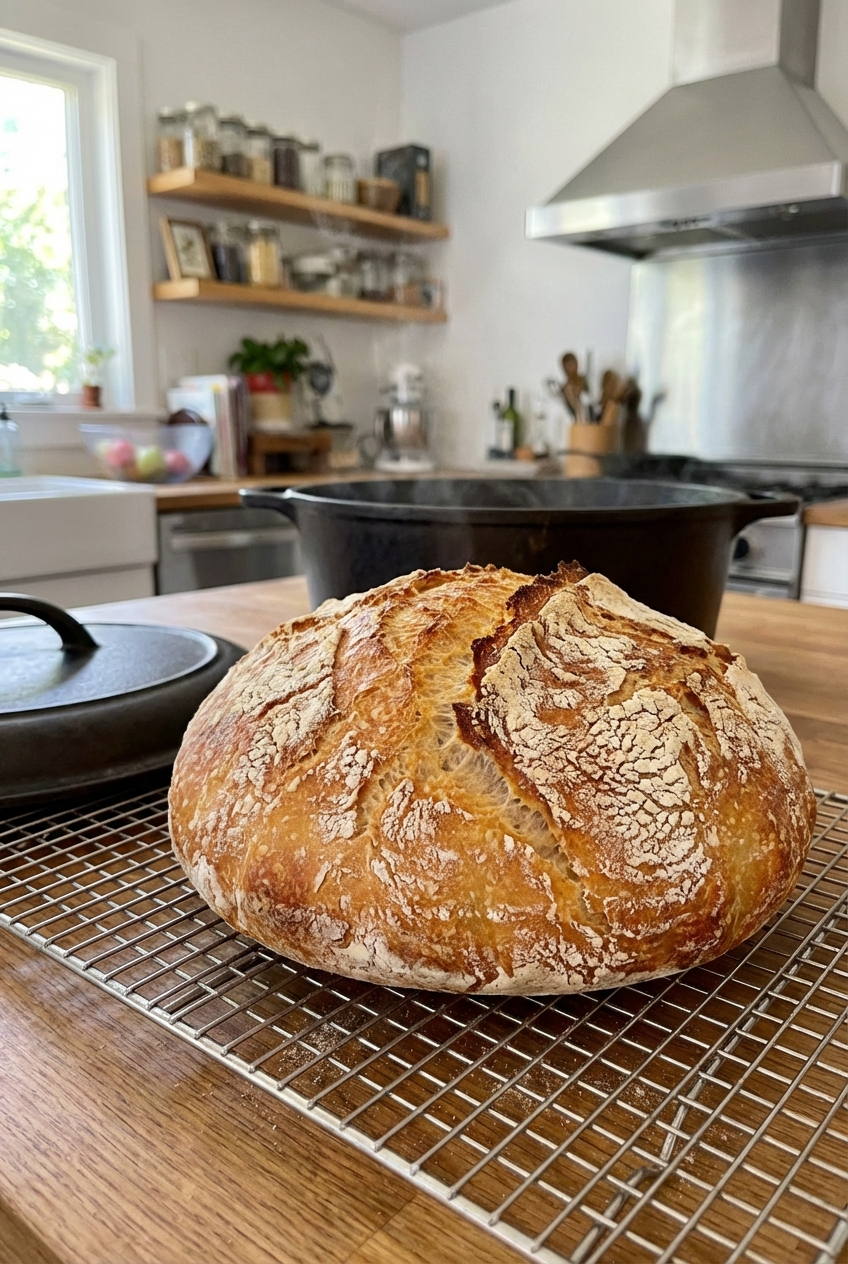
  • Warm crusty bread or flatbread for sauce scooping
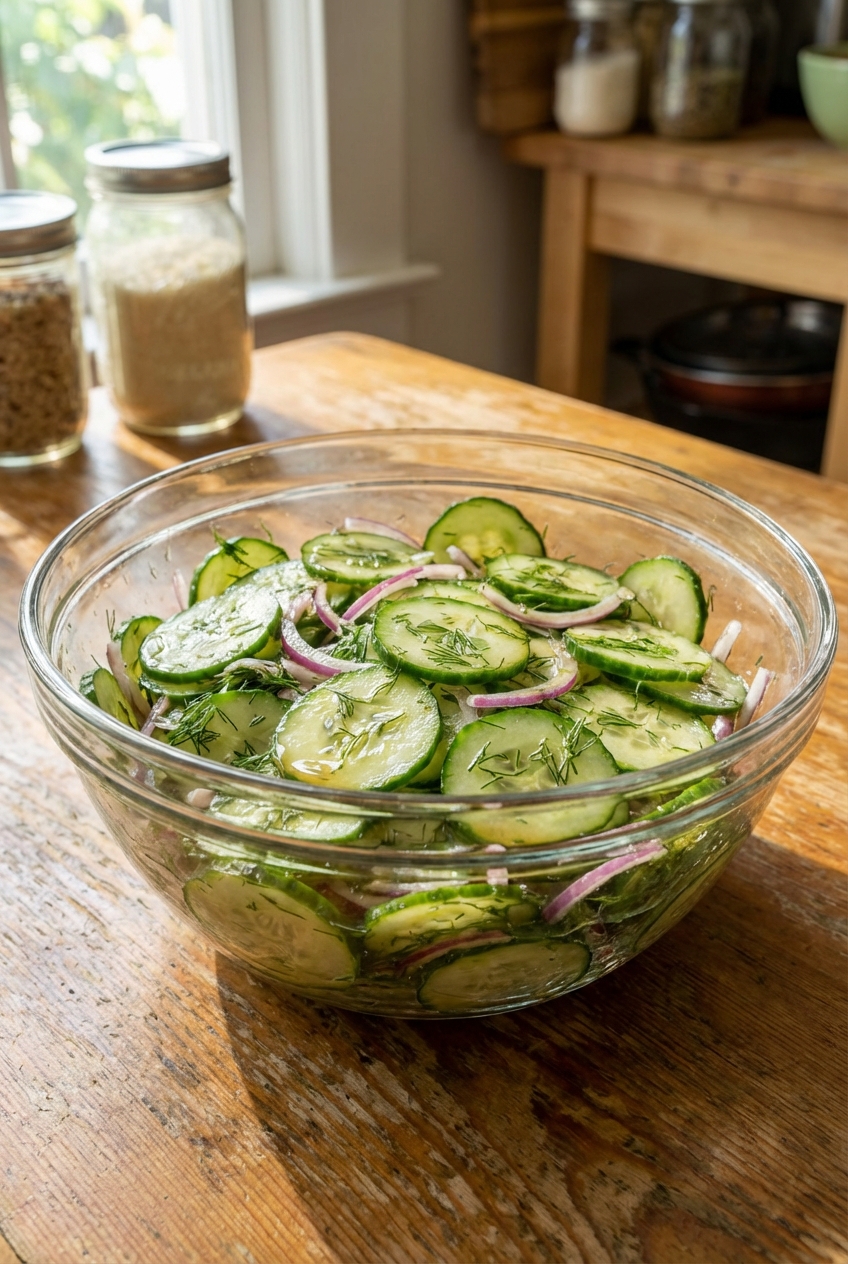
  • Simple cucumber and tomato salad with feta

A plated lamb shank on mashed potatoes with lemon wedges and fresh herbs

Storage Tips

Cool first: Let lamb and sauce cool slightly, then store. For food safety, do not leave it out longer than 2 hours (or 1 hour if the room is very warm). Keeping the meat in the sauce helps it stay juicy.

Refrigerator

  • Store in an airtight container up to 4 days.
  • Skim hardened fat from the top the next day if you want a cleaner, brighter sauce.

Freezer

  • Freeze lamb shanks in sauce for up to 3 months.
  • Thaw overnight in the fridge for best texture.

Reheating (best method)

  • Stovetop: Warm gently in a covered pot over low heat, adding a splash of broth or water if the sauce is thick.
  • Oven: Cover and reheat at 325°F until hot, about 20 to 30 minutes depending on portion size.

Common Questions

Do I have to use wine?

Nope. Wine adds depth, but you can replace it with more broth. If you skip wine, add an extra teaspoon of vinegar at the end and taste for balance.

How do I know the lamb shanks are done?

They are ready when a fork slides in with almost no resistance and the meat is starting to pull back from the bone. If you want a number, aim for 195°F to 205°F in the thickest part for that collagen-melt tenderness. If it is still tight, it just needs more time. Shanks do not respond to rushing.

Why add vinegar at the end instead of the beginning?

Because it stays bright. Vinegar cooked for hours can mellow too much. Adding a small splash at the end gives you that tangy pop that makes the sauce taste alive.

Can I make this in a slow cooker?

Yes. Sear the shanks first, then cook on low for 7 to 8 hours. Reduce the sauce on the stovetop afterward if you want it thicker and glossier.

What if my sauce tastes flat?

Hit it with one or more of these: a pinch more salt, more lemon juice, a tiny splash of vinegar, or a little extra tomato paste. Taste, adjust, repeat. That is the job.

The first time I made lamb shanks at home, I treated them like a fancy restaurant secret. Then I realized the secret is just time and a good pot. Now it is my favorite “feed people and look impressive” move, especially when I want comfort food that still feels bright. The lemon and vinegar finish is my little chaos twist. It turns a rich braise into something you keep going back to, bite after bite, because the sauce refuses to be boring.