Mom's Best Recipes
Recipe

Aglio e Olio Pasta

A classic Italian garlic and olive oil pasta with red pepper flakes, parsley, and a silky pasta-water sauce.

Author By Matt Campbell
4.8
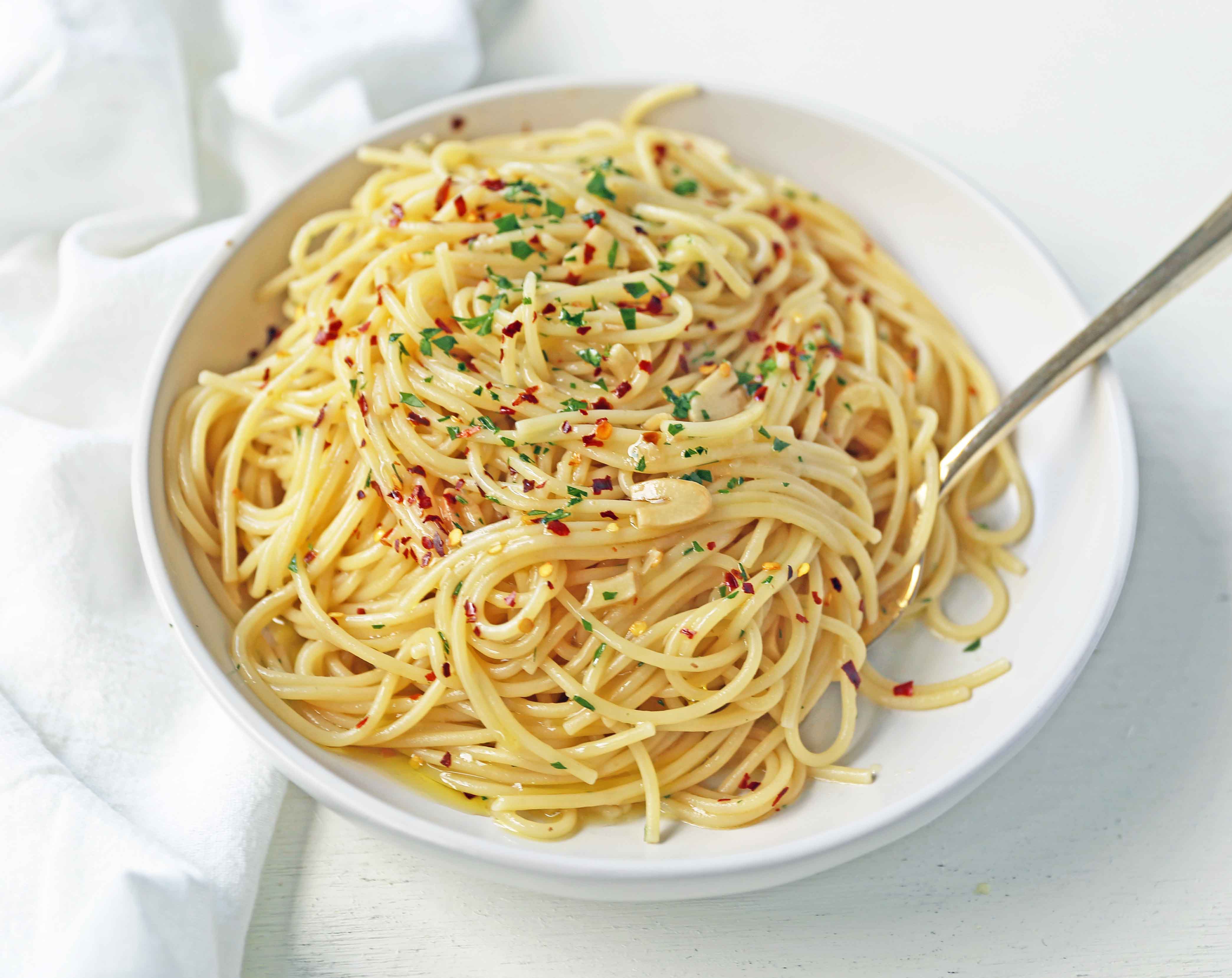
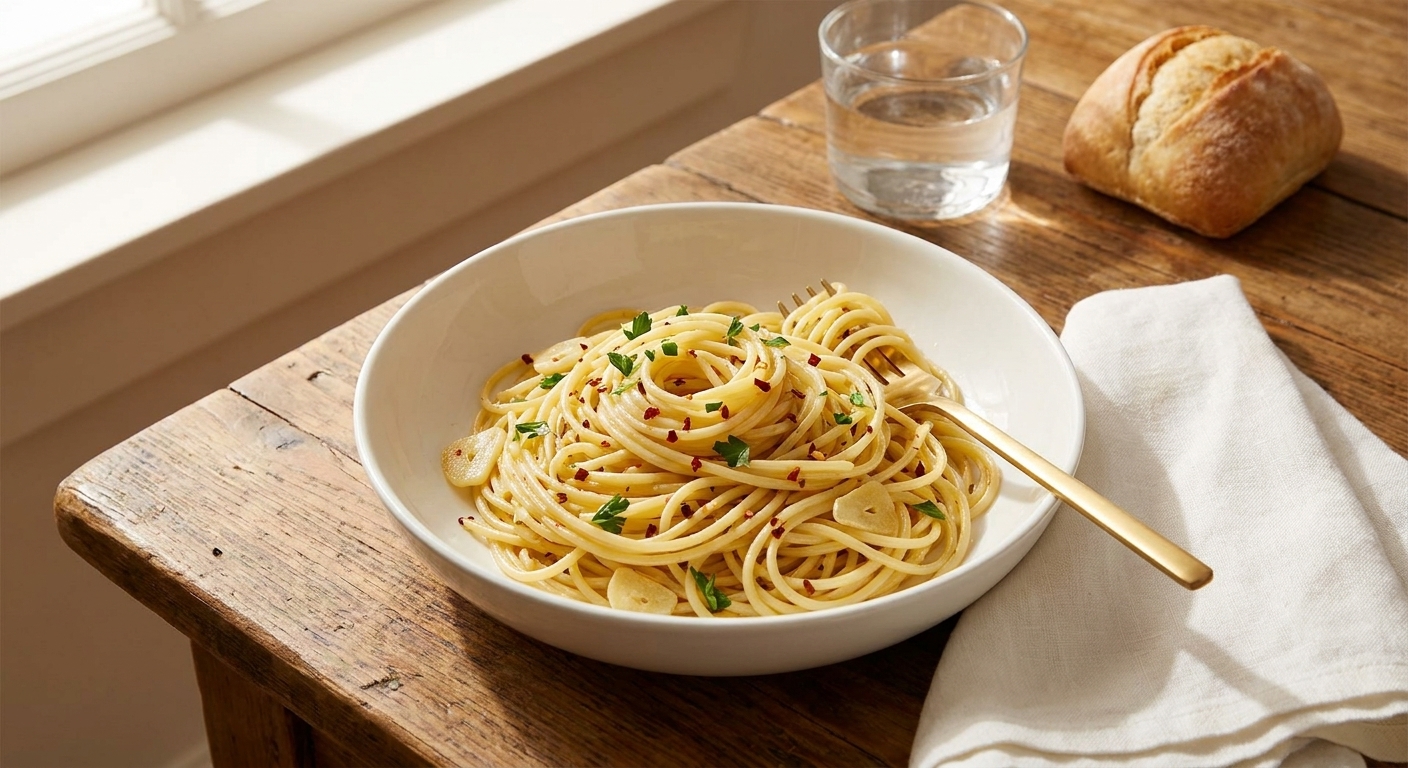
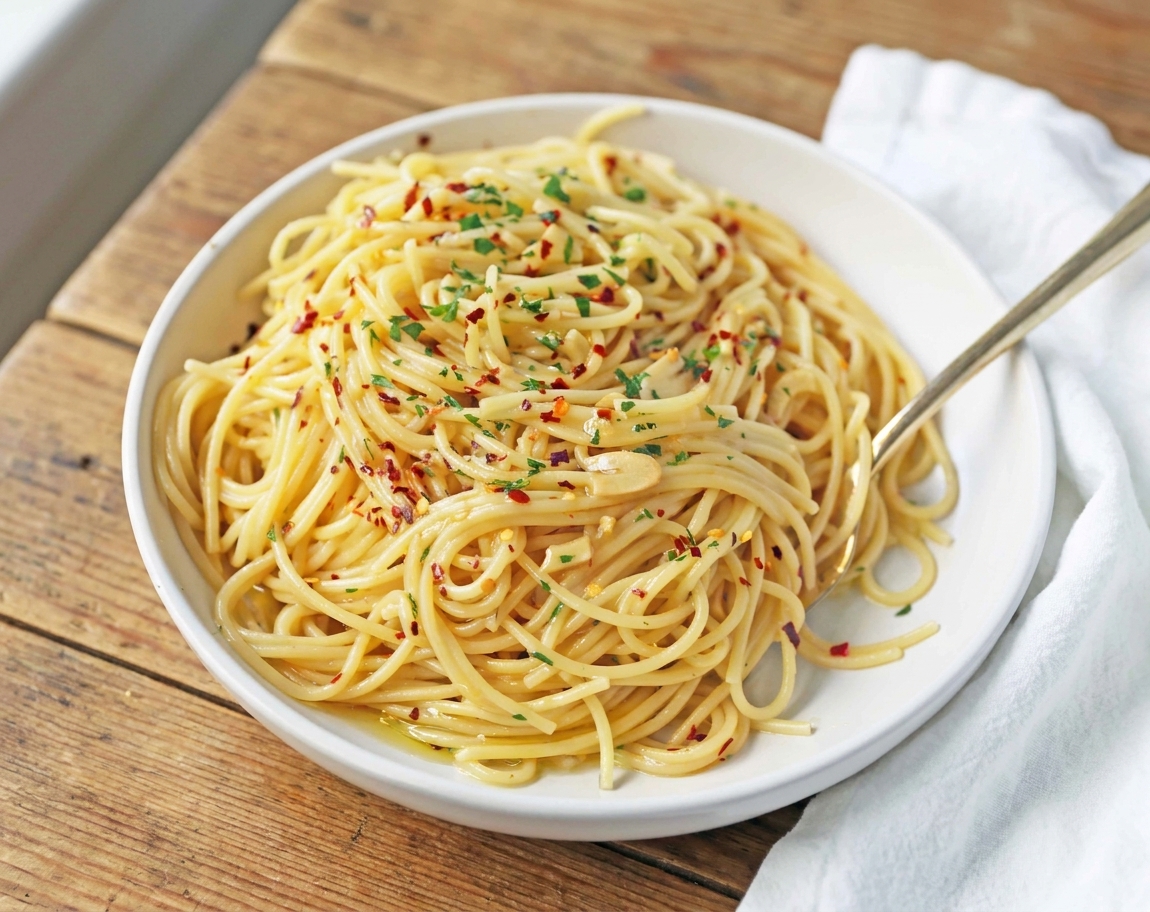
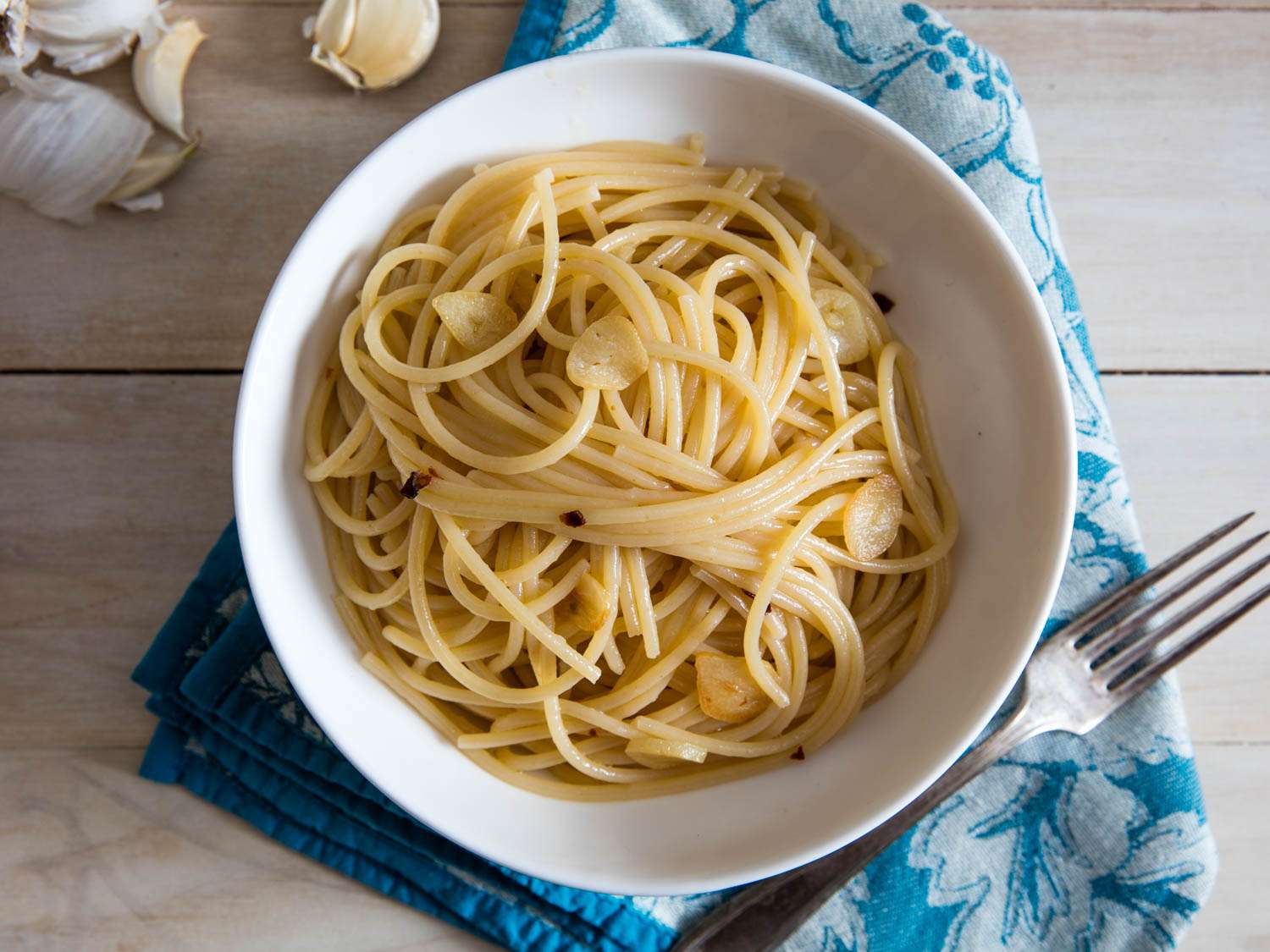
A twirled nest of spaghetti aglio e olio on a white plate with toasted garlic slices, red pepper flakes, chopped parsley, and a sheen of olive oil, set on a warm wooden table

Aglio e olio is the kind of pasta that looks too simple to be special, right up until you take a bite and realize the whole thing is basically a garlic scented, pepper flake kissed, olive oil hug. It’s weeknight friendly, pantry built, and wildly satisfying when you nail the texture: glossy noodles, crisp edges of garlic (not burnt), and enough heat to keep it interesting.

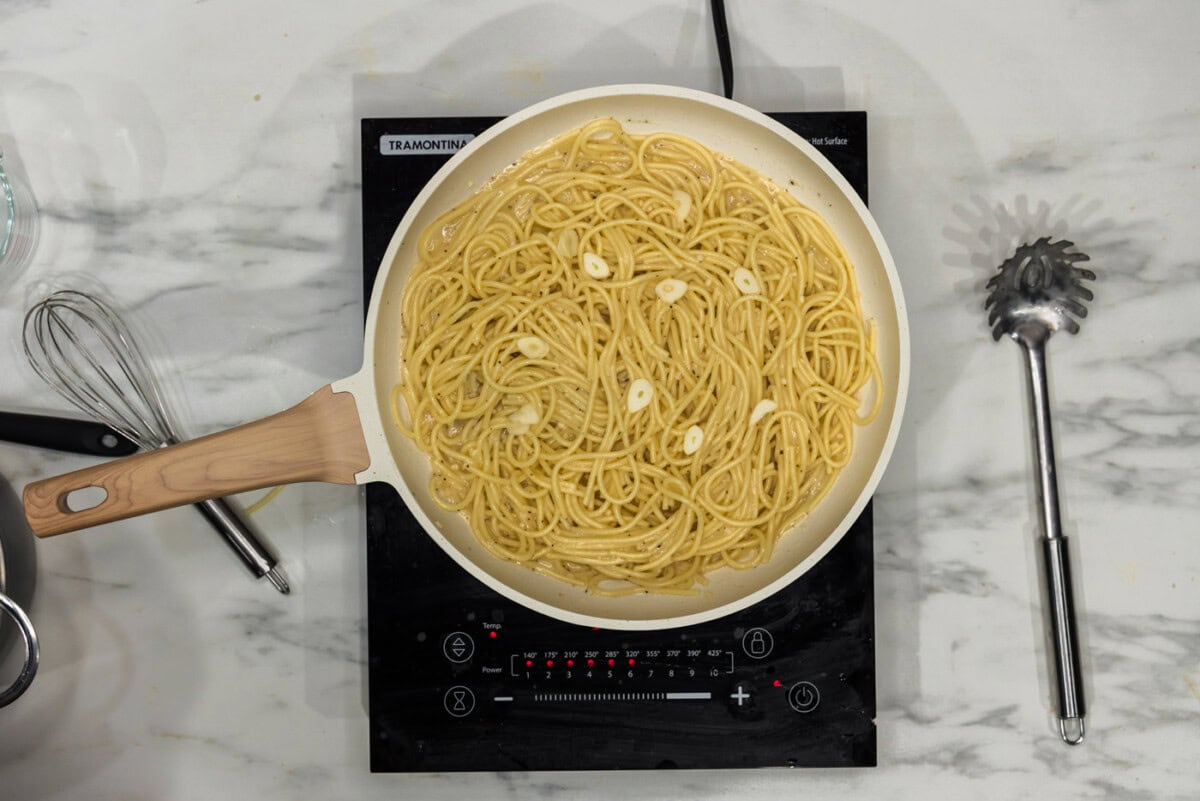
The trick isn’t adding more ingredients. The trick is treating the few you have like they matter. We’re going to bloom garlic slowly, wake up pepper flakes in olive oil, and use pasta water like it’s a real ingredient, because it is. That’s how you get sauce that clings instead of pooling at the bottom like an awkward oil slick.
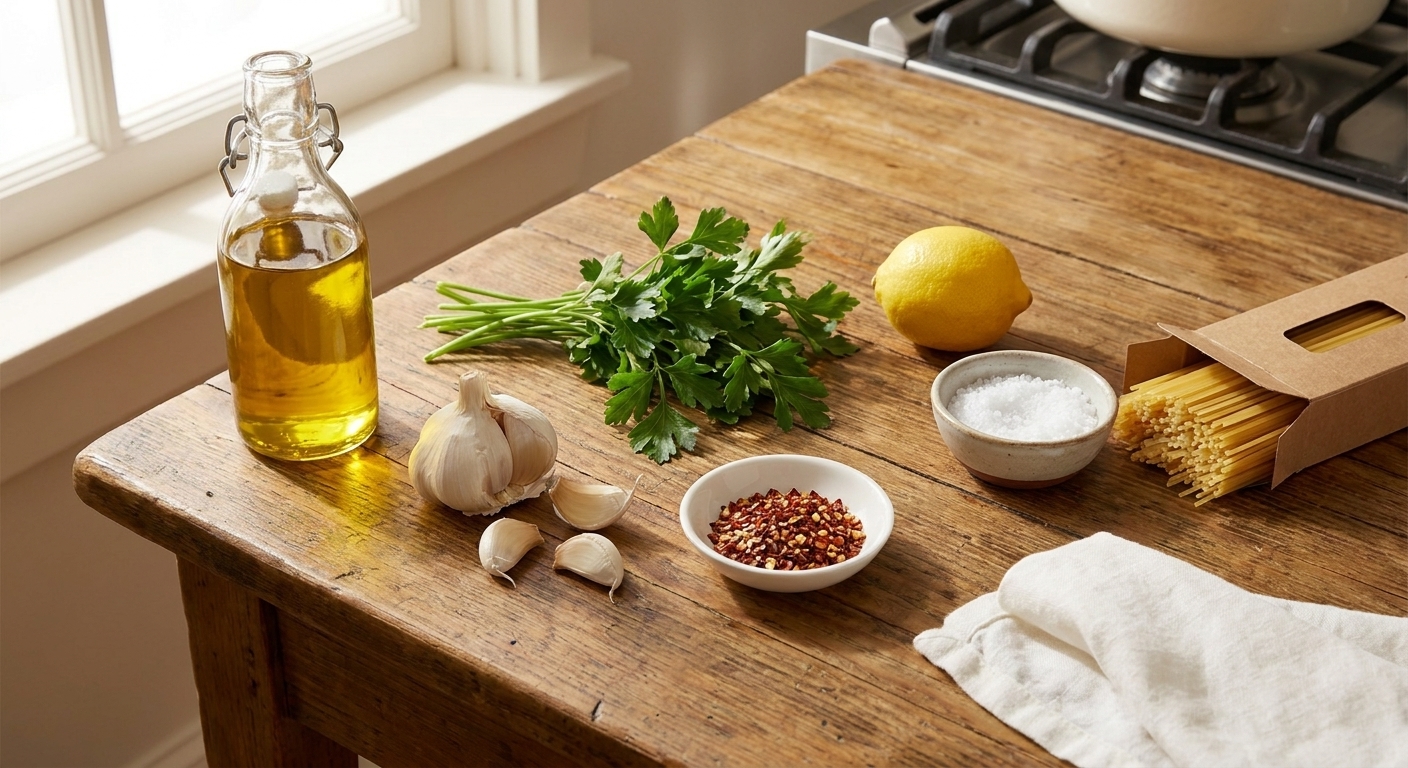
A kitchen counter with olive oil, garlic cloves, parsley, red pepper flakes, lemon, salt, and a box of spaghetti laid out neatly in warm natural light

Why It Works

  • Silky, clingy sauce: Starchy pasta water emulsifies with olive oil, turning it glossy instead of greasy.
  • Garlic that tastes sweet, not bitter: We warm it gently so it goes golden and fragrant, not burnt and harsh.
  • Big flavor from pantry basics: Red pepper flakes, parsley, and optional lemon bring brightness and balance.
  • Flexible finish: Keep it classic, or add Parmesan, toasted breadcrumbs, or a protein without breaking the vibe.

Pairs Well With

Storage Tips

Aglio e olio is best right away, when the noodles are glossy and the garlic is at peak crisp tender. But leftovers are still very worth it.

  • Refrigerate: Store in an airtight container up to 3 days.
  • Reheat (best method): Add pasta to a skillet over medium low heat with a splash of water (or broth). Toss until loosened and glossy again. Finish with a drizzle of olive oil and fresh parsley.
  • Microwave method: Add a splash of water, cover loosely, and heat in 30 second bursts, stirring each time.
  • Freezing: Not recommended. The noodles can go soft and the sauce may separate.

Leftover upgrade: Reheat in a skillet until hot, then take it off heat and stir in a beaten egg with a splash of hot pasta water (or hot water) to keep it silky and avoid scrambling. Carbonara adjacent, chaotic in a good way.

Common Questions

Why does my aglio e olio taste greasy?

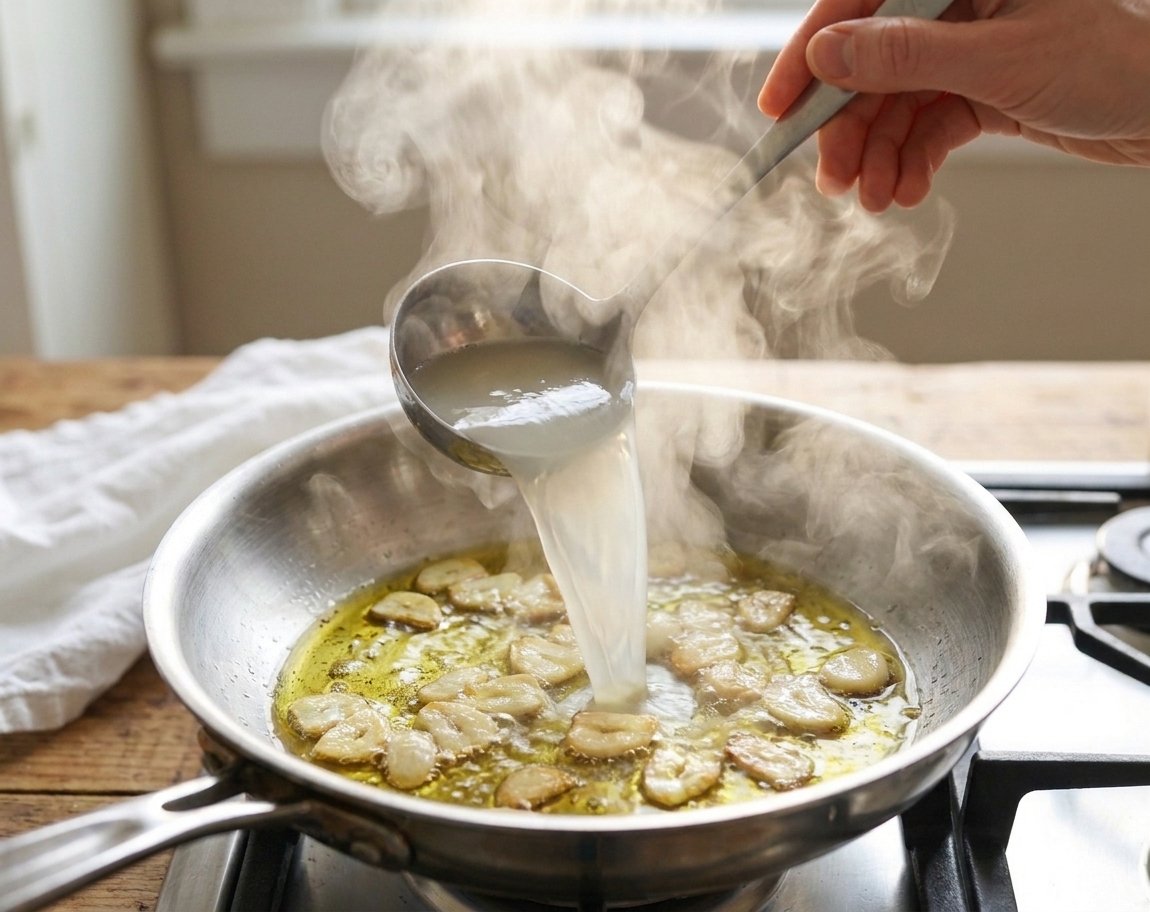
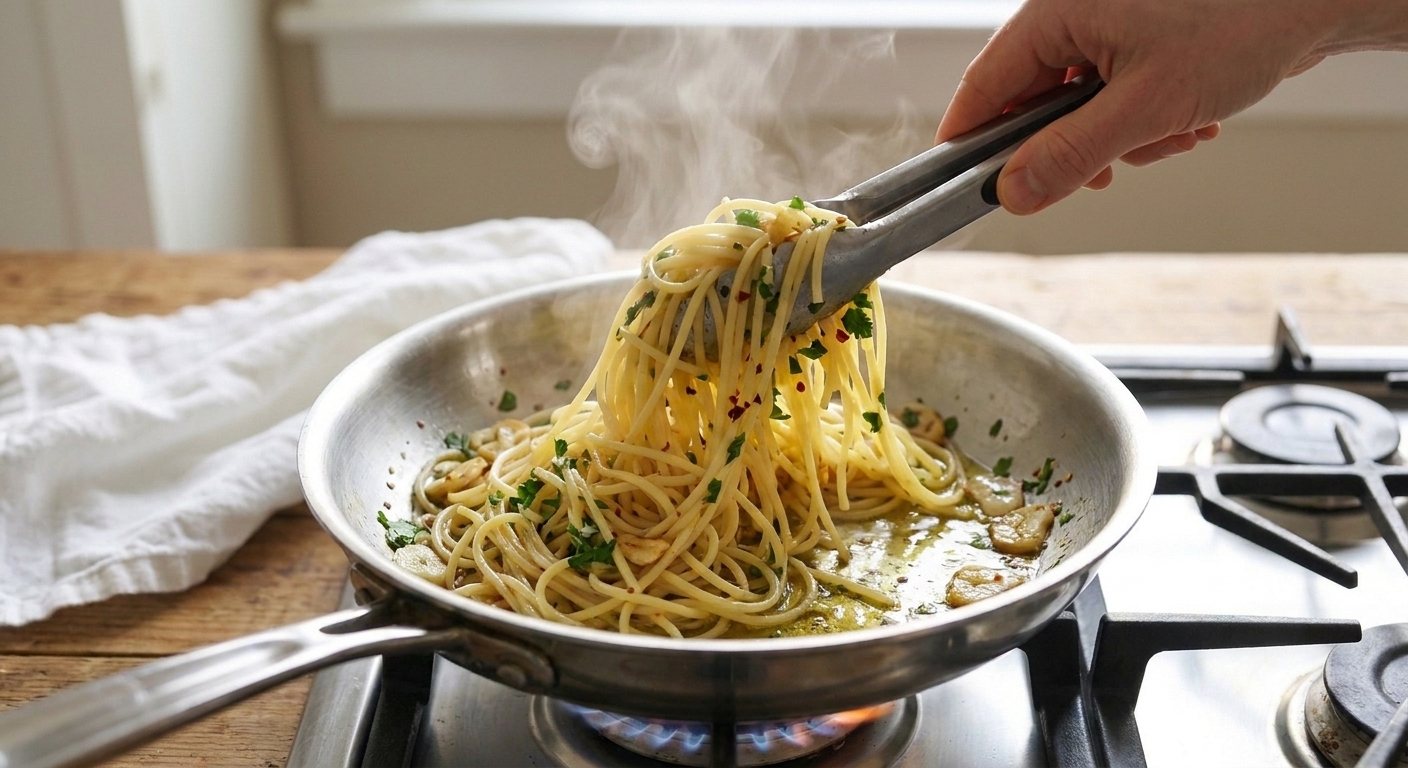
Usually it needs more pasta water and more tossing. The sauce should be an emulsion: oil plus starchy water. Add pasta water a splash at a time, toss vigorously, and keep the heat on the lower side so it stays glossy and the garlic doesn’t overcook.

How do I keep garlic from burning?

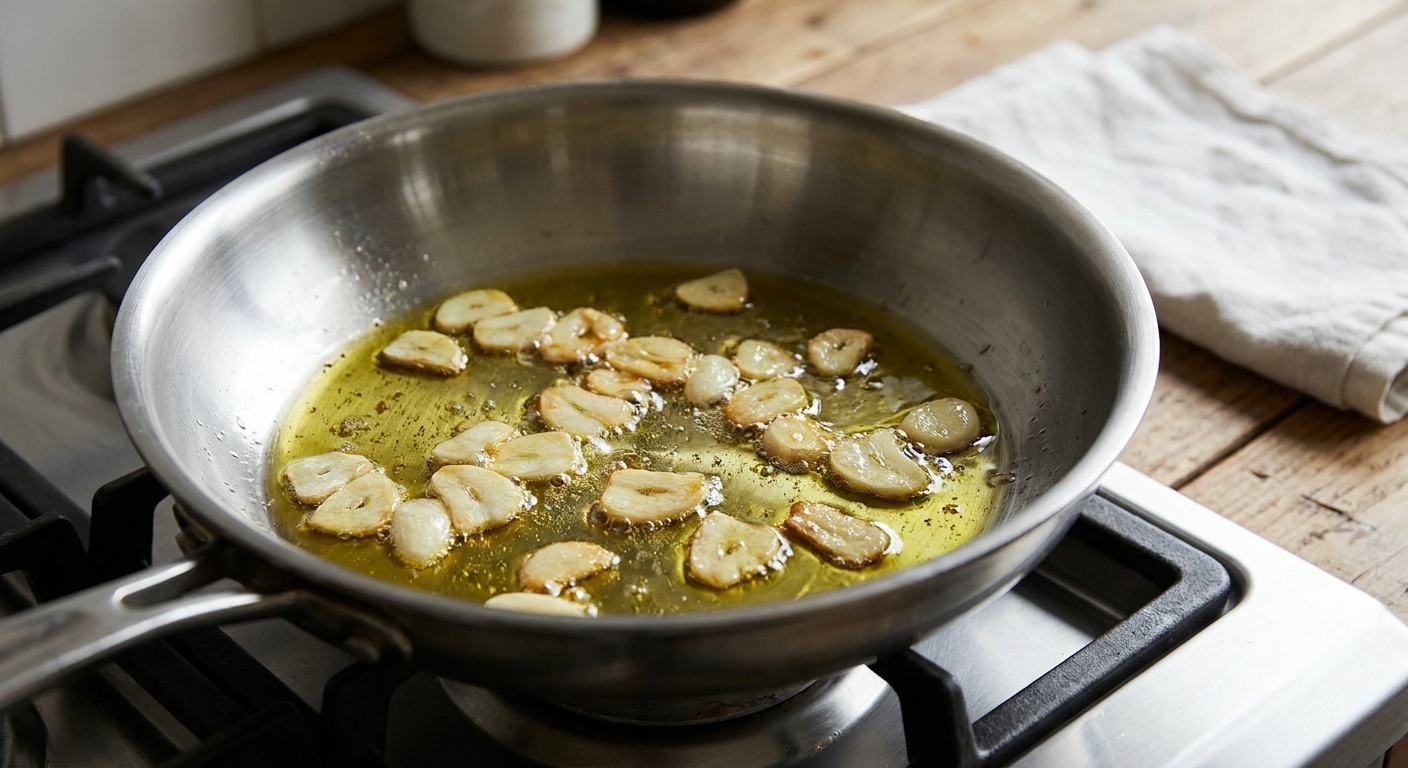
Start with room temperature oil and sliced garlic in the pan, then bring it up over medium low heat. When it turns pale golden, pull the pan off heat for a moment. Garlic keeps cooking in hot oil even after you think you’re done.

Can I use minced garlic instead of sliced?

You can, but it burns faster and can turn bitter. If you only have minced, keep the heat lower and shorten the cooking time. Consider adding half early for flavor and half off heat at the end for a fresh garlic punch.

Is Parmesan traditional in aglio e olio?

Classic versions are often cheese free, but plenty of home cooks add it. If you do, keep it light so it doesn’t clump. Add it off heat with an extra splash of pasta water and toss until silky.

What pasta shape works best?

Spaghetti is the classic, but linguine and bucatini are great. Long noodles hold the glossy oil well. If you’re using short pasta, use a bit more pasta water and toss longer.

Can I add lemon?

Yes. A little zest or a small squeeze at the end makes everything taste brighter. Just do it off heat so it stays fresh.

This is the pasta I make when I want something that feels like I tried, without actually trying that hard. It’s also the dish that taught me the most annoying lesson in cooking: simple food gives you nowhere to hide. Burn the garlic and you taste it. Forget the pasta water and you get oily noodles. But when it clicks, it feels like magic. You’re standing at the stove, tossing spaghetti like you’re running a tiny Italian trattoria, and suddenly dinner is glossy, loud, and gone in minutes.