Mom's Best Recipes
Recipe

Pasta Aglio e Olio

A glossy, garlicky classic with a peppery kick and a silky sauce that clings to every strand.

Author By Matt Campbell
4.8
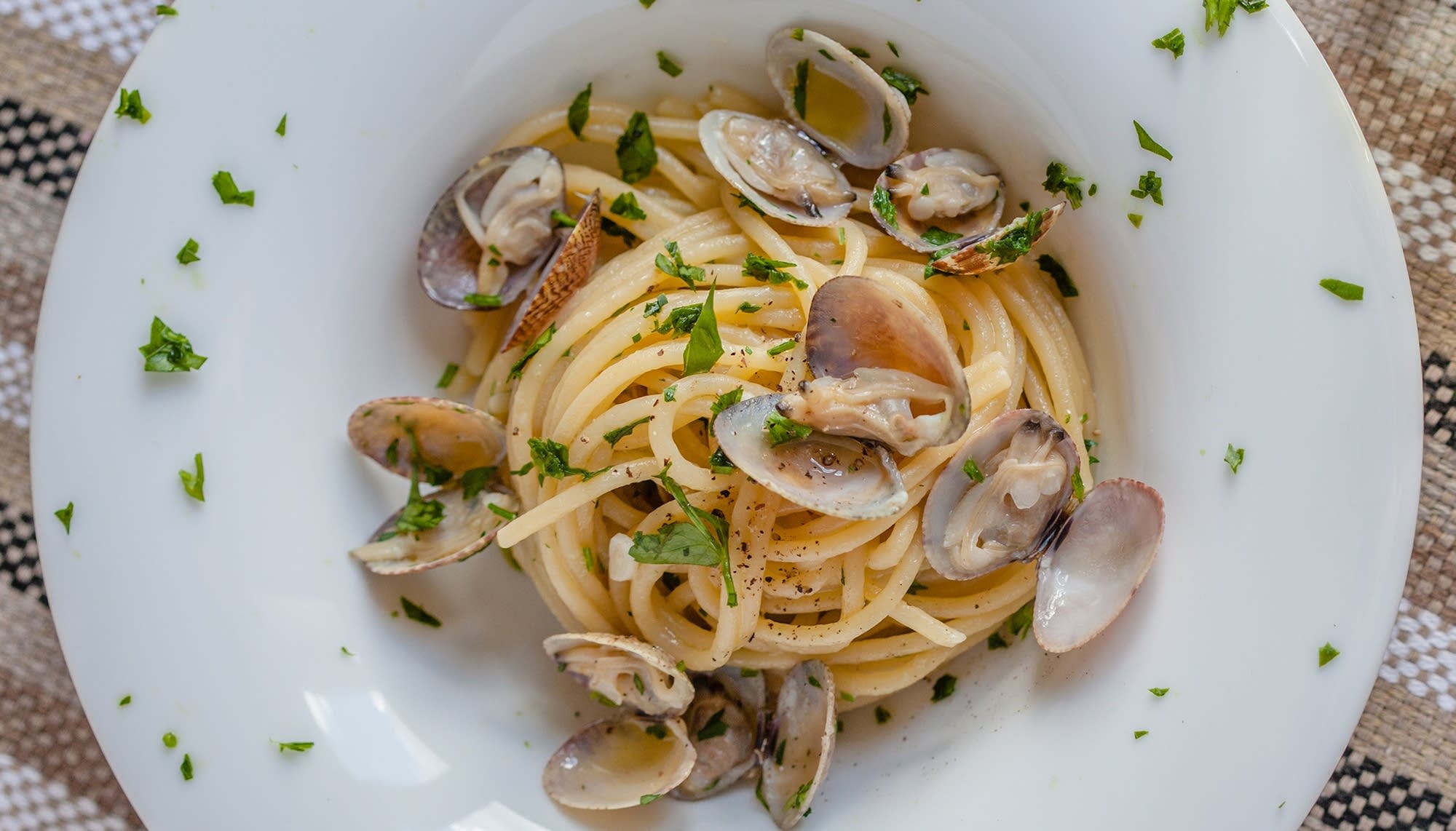
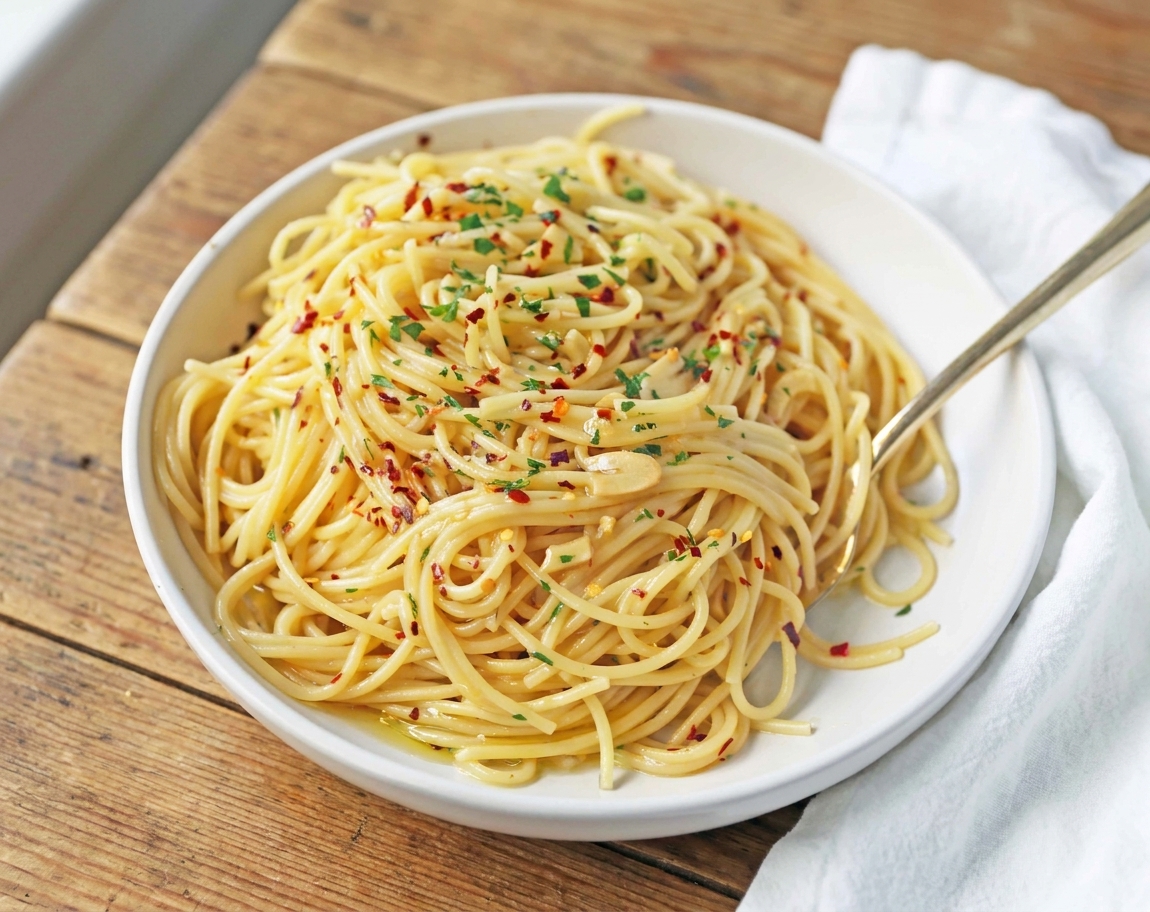
A twirled nest of spaghetti aglio e olio on a white plate with a sheen of olive oil, flecks of parsley, and red pepper flakes on top, warm kitchen table lighting

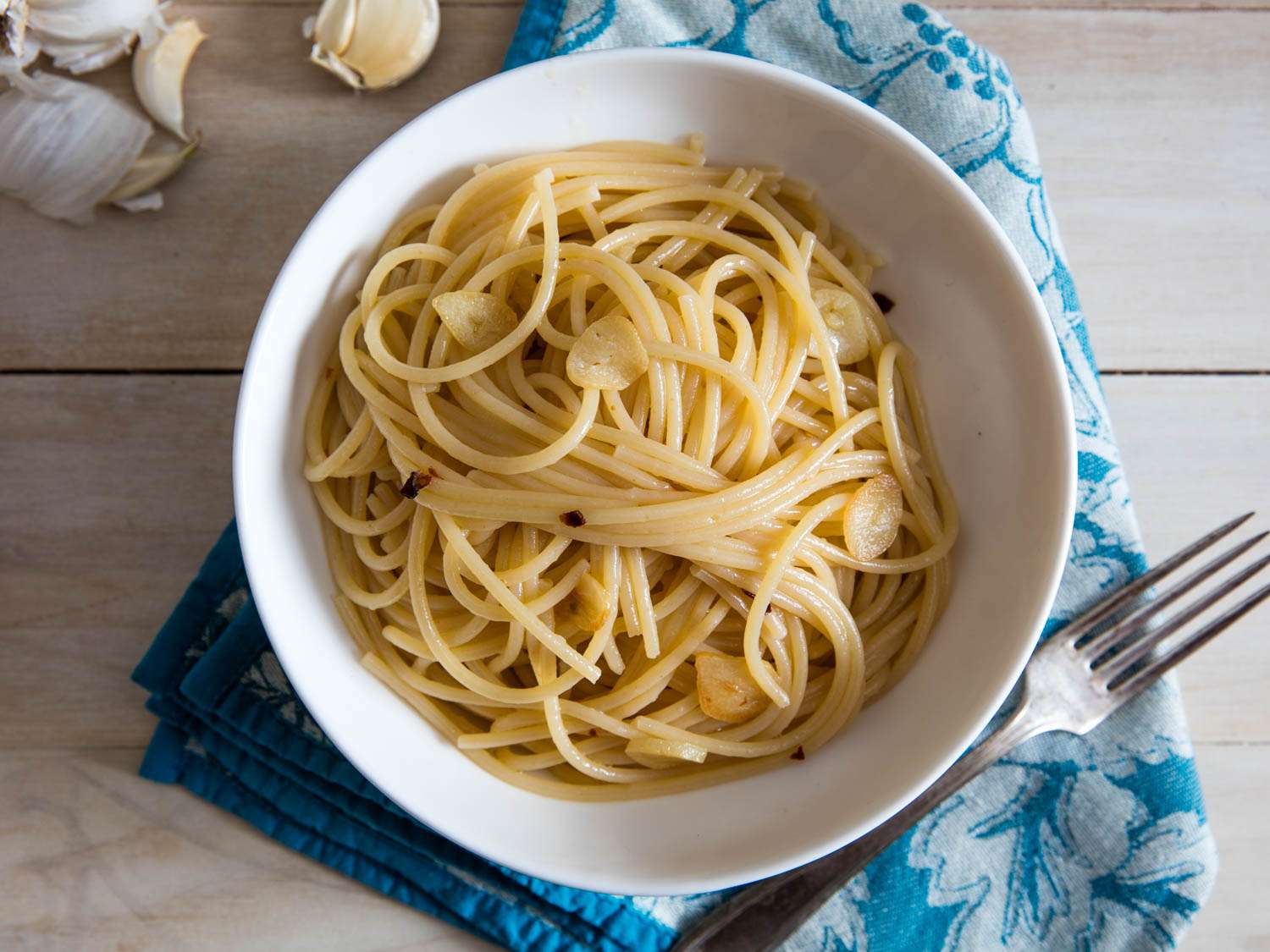
Pasta aglio e olio is the dinner I make when my fridge is giving “good luck” and I still want something that feels like a real meal. It is just garlic (aglio) and olive oil (olio) doing the absolute most, with a little chili heat and a sneaky trick that turns oil plus pasta water into a glossy sauce.

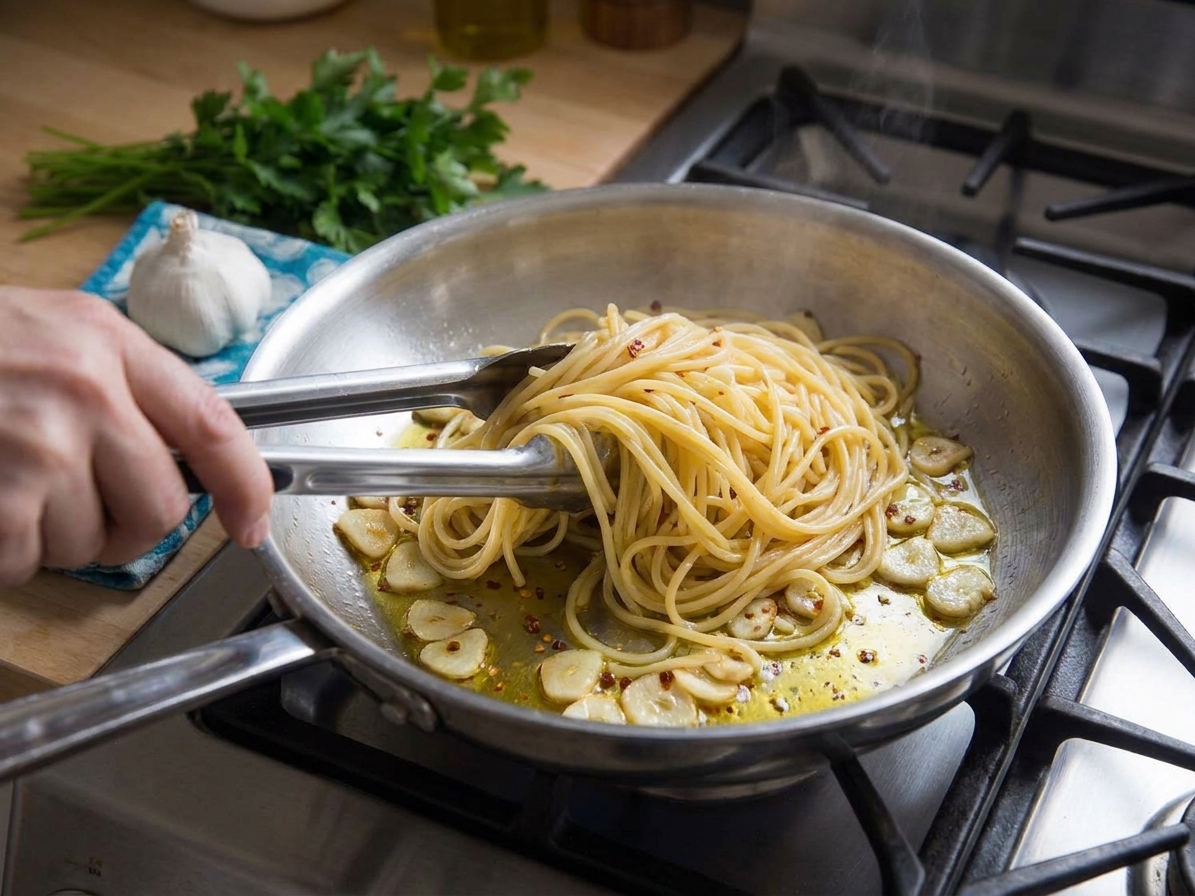
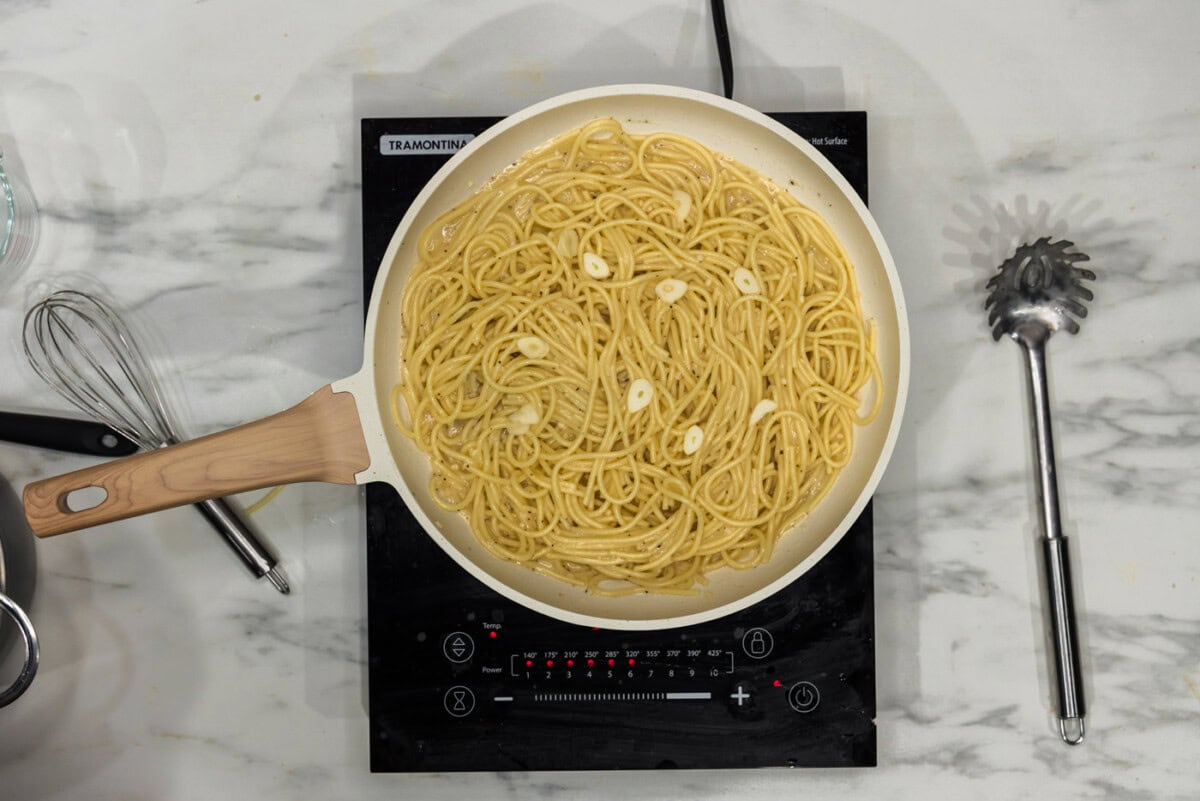
The key is restraint and timing. We gently toast the garlic until it smells sweet, not bitter. Then we use starchy pasta water like culinary duct tape to pull everything together. The result is cozy carbs with crisp little garlic edges, bright heat, and the kind of shine that makes you go back for a second bowl without negotiating with yourself.
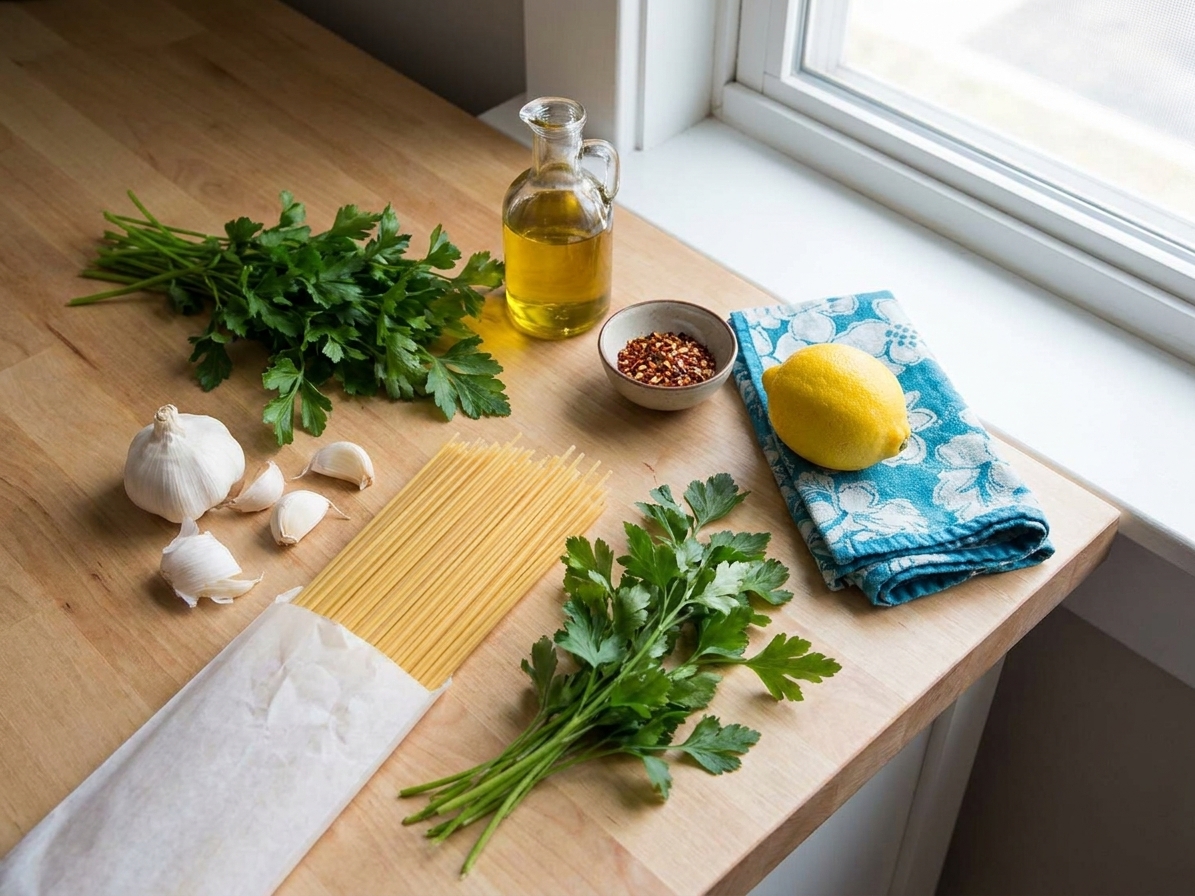
Spaghetti, garlic cloves, parsley, olive oil, red pepper flakes, and a lemon on a clean kitchen counter with soft natural light

Why It Works

  • Big flavor from tiny effort: garlic is gently infused into olive oil, so every bite tastes intentional.
  • Silky, clingy sauce without cream: starchy pasta water emulsifies with the oil for that restaurant-style gloss.
  • No bitter garlic drama: low heat and constant attention keep the garlic pale gold and sweet.
  • Flexible finish: keep it classic, add lemon for brightness, or toss in parsley and Parmesan if you want.
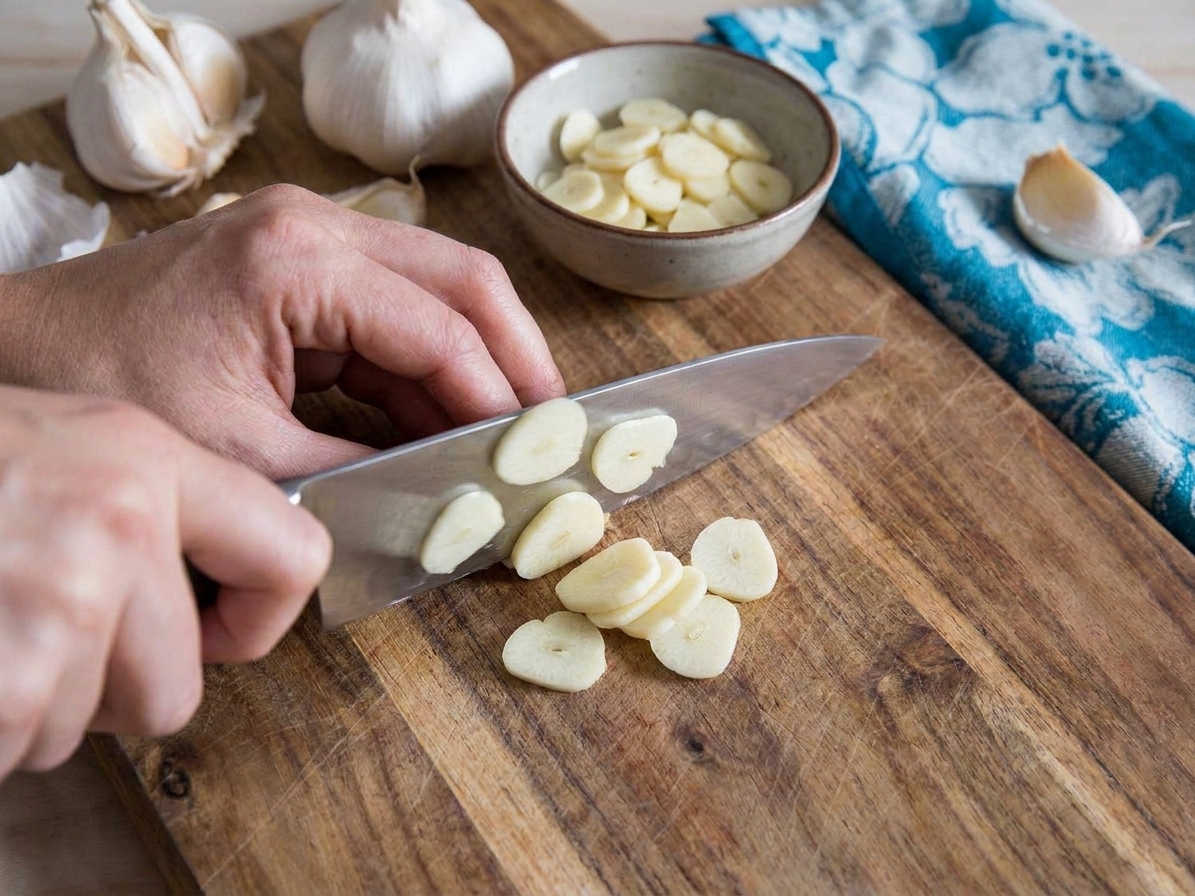
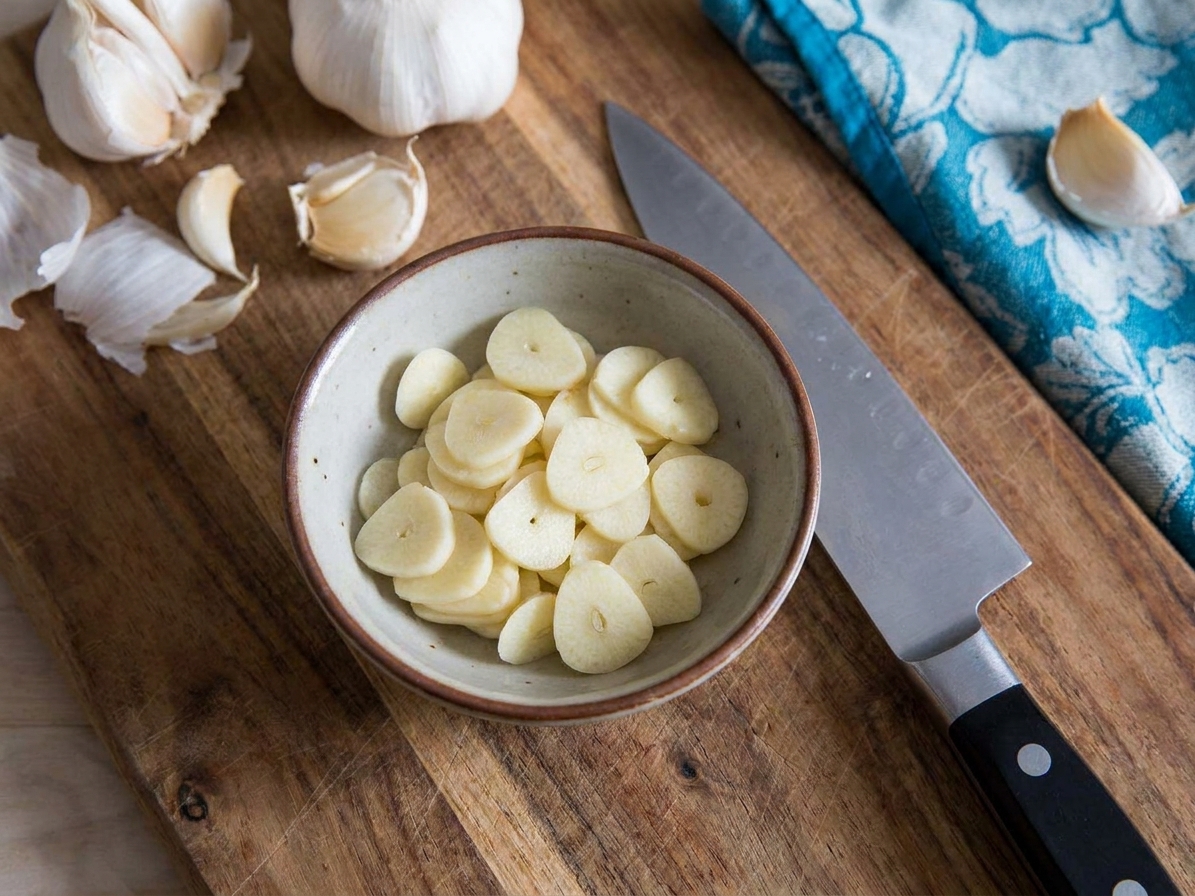
Thinly sliced garlic coins in a small ceramic bowl next to a chef's knife on a wooden cutting board

Pairs Well With

Storage Tips

Aglio e olio is at its peak right after tossing, but leftovers can still be very good if you reheat them gently.

Refrigerate

  • Cool, then store in an airtight container for up to 3 days.

Reheat (best method)

  • Add pasta to a skillet with a splash of water (2 to 4 tablespoons) and a small drizzle of olive oil.
  • Warm over medium-low, tossing until glossy again. Taste and add salt, pepper, and chili flakes to wake it up.

Microwave (if you must)

  • Cover loosely, add a spoonful of water, and heat in short bursts, stirring in between.

Freezing: I do not recommend it. The texture goes soft and the sauce separates.

Common Questions

Why is my pasta oily instead of saucy?

Usually it is one of two things: not enough starchy pasta water, or you did not toss long enough for the oil and water to emulsify. Add more hot pasta water a tablespoon at a time and toss hard. Think: glossy, not greasy.

Can I use minced garlic instead of sliced?

You can, but it browns faster and can turn bitter quickly. If you mince, keep the heat lower and stir constantly. I prefer thin slices for better control and those little crisp edges.

Do I have to use parsley?

No, but it adds a fresh finish that keeps the dish from feeling heavy. If you are out, try a little lemon zest, chopped basil, or even a few torn arugula leaves at the end.

Is Parmesan traditional?

Traditional versions are typically dairy-free, but plenty of people add cheese and I am not here to stop you. If you use Parmesan or Pecorino, add it off heat with a splash more pasta water so it melts smoothly instead of clumping.

What pasta shape works best?

Spaghetti is the classic, but linguine and bucatini are great too. If you only have short pasta, it still works. Just save enough pasta water and toss well.

I started making aglio e olio when I was trying to learn how chefs build flavor with almost nothing. No fancy sauce, no pantry scavenger hunt. Just timing, heat, and tasting. It taught me to respect garlic, to treat pasta water like liquid gold, and to trust that simple food can still hit hard when you do the basics right.