Mom's Best Recipes
Recipe

Bake Cassava Cake

Chewy, coconut-forward cassava cake with a creamy custard topping and those golden, crisp edges everyone fights over.

Author By Matt Campbell
4.8
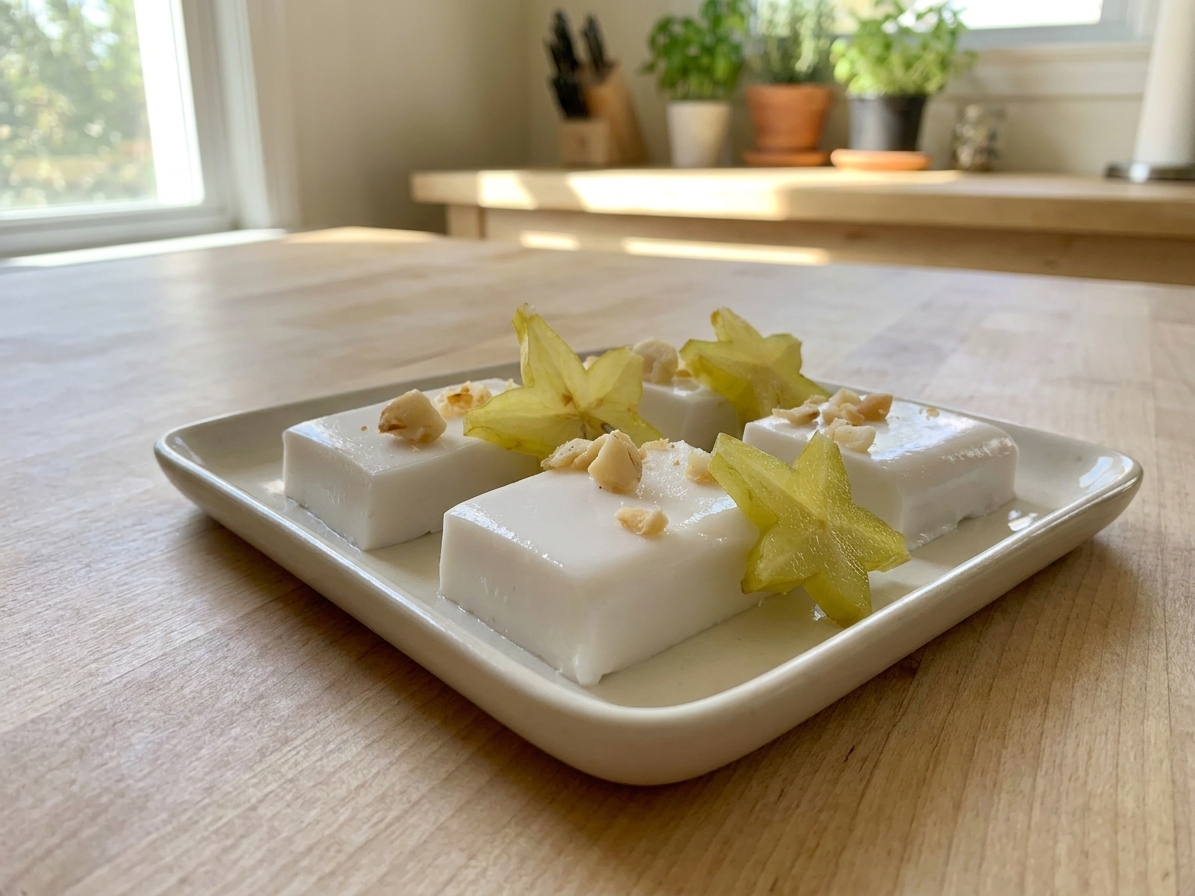
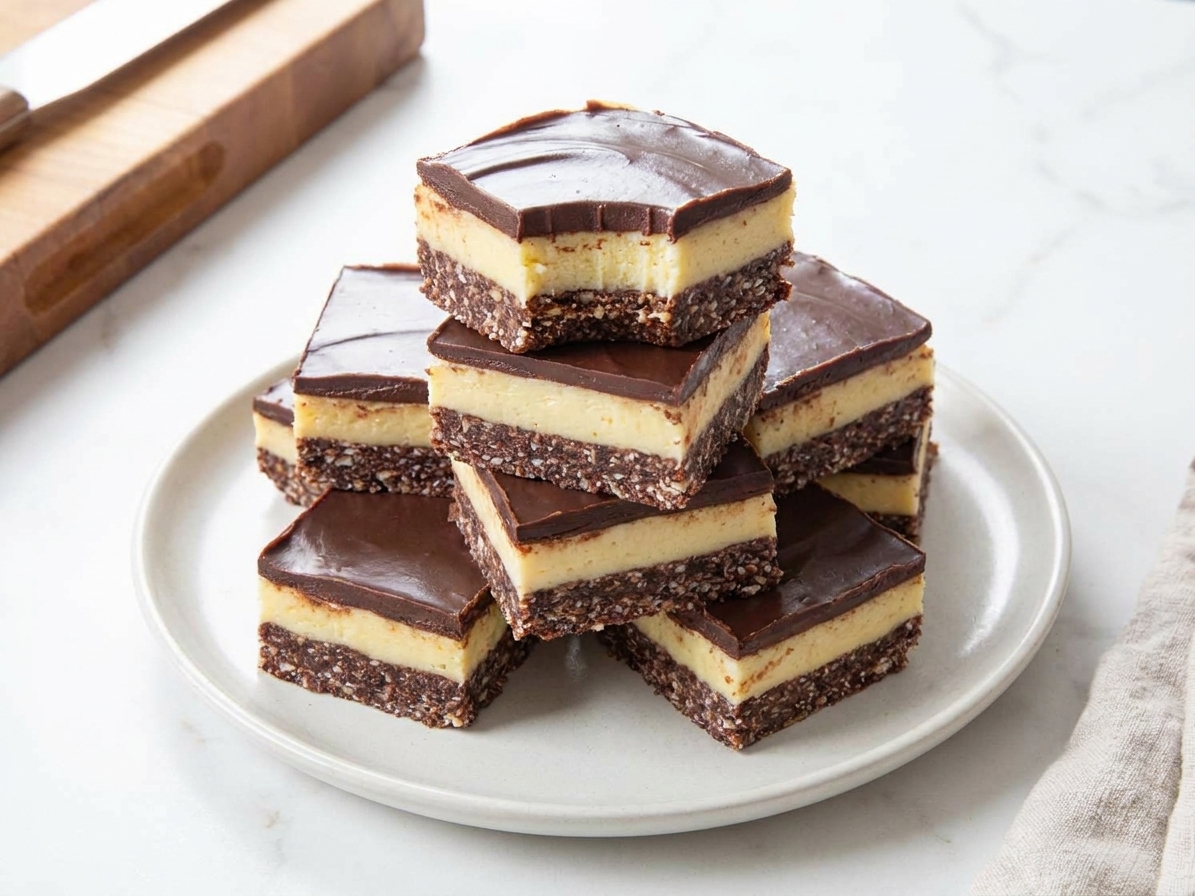
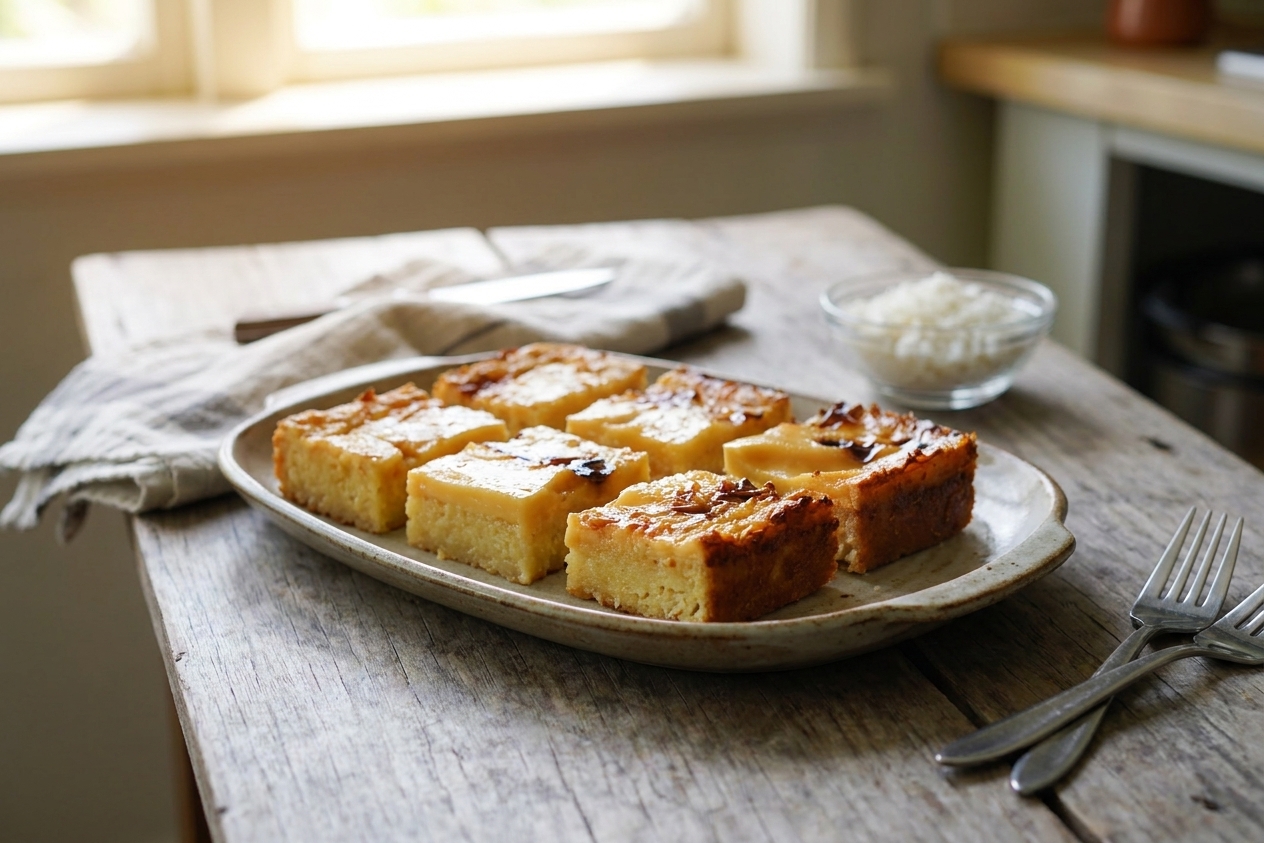
A golden baked cassava cake cut into neat squares on a ceramic plate with a glossy coconut custard top, set on a warm kitchen table with soft natural light

Cassava cake is one of those desserts that feels like a warm hug and a little flex at the same time. It is sweet but not cloying, chewy in the best way, and it smells like toasted coconut dreams when it comes out of the oven.

This version is baked, not steamed, so you get the real prize: crisp, caramelized edges around a custardy, tender center. (Those edges are a lot harder to get from steaming.) Then we go in with a coconut custard topping that sets into a glossy layer you can slice cleanly. It is the kind of dessert that makes people ask, “What is in this?” and then immediately go back for a second square.

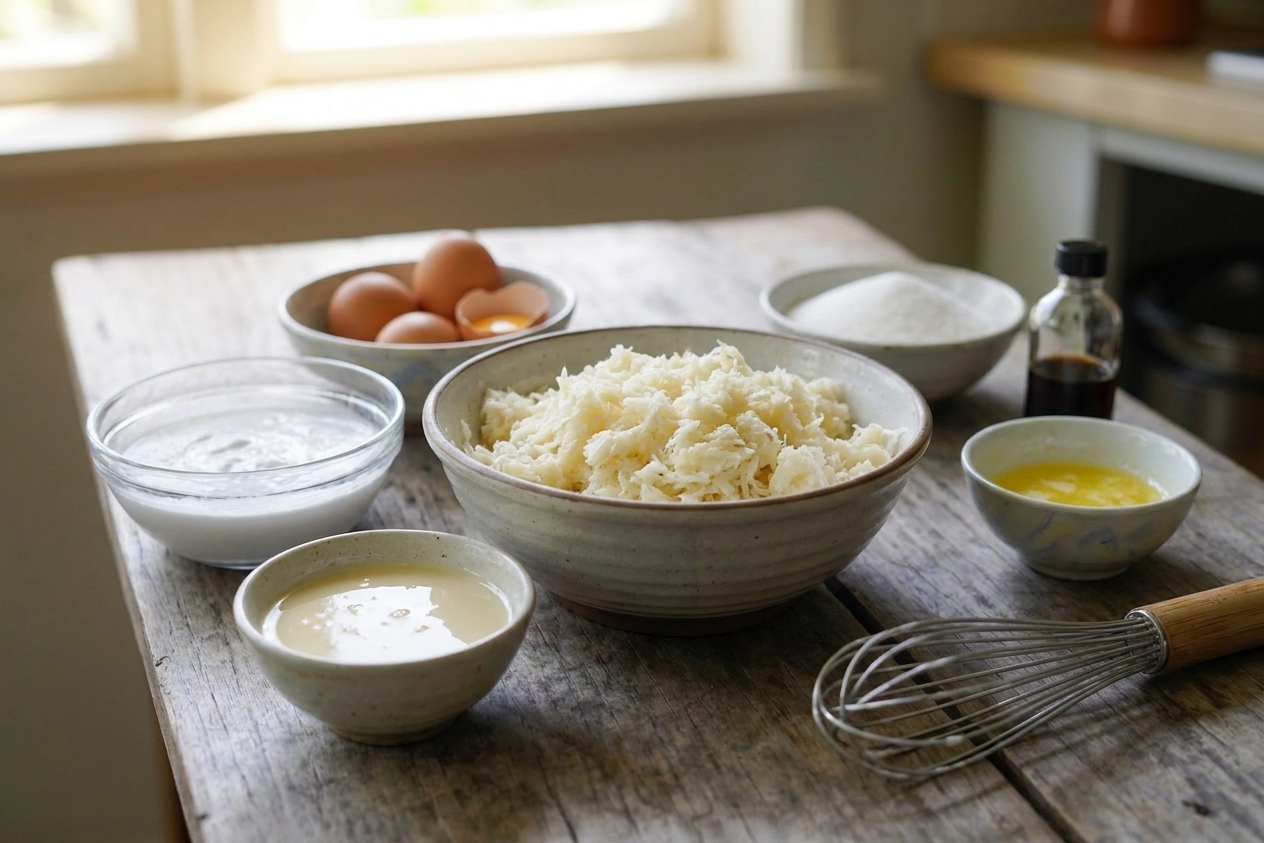
Bowls of grated cassava, coconut milk, condensed milk, eggs, sugar, butter, and vanilla arranged on a bright kitchen counter

Why It Works

  • Baked for texture: chewy center with golden, crisp edges that are harder to get from steaming.
  • Accessible ingredients: frozen grated cassava does the heavy lifting, and the rest is pantry-friendly.
  • Two-layer payoff: the base stays tender while the coconut custard topping bakes into a creamy, sliceable finish.
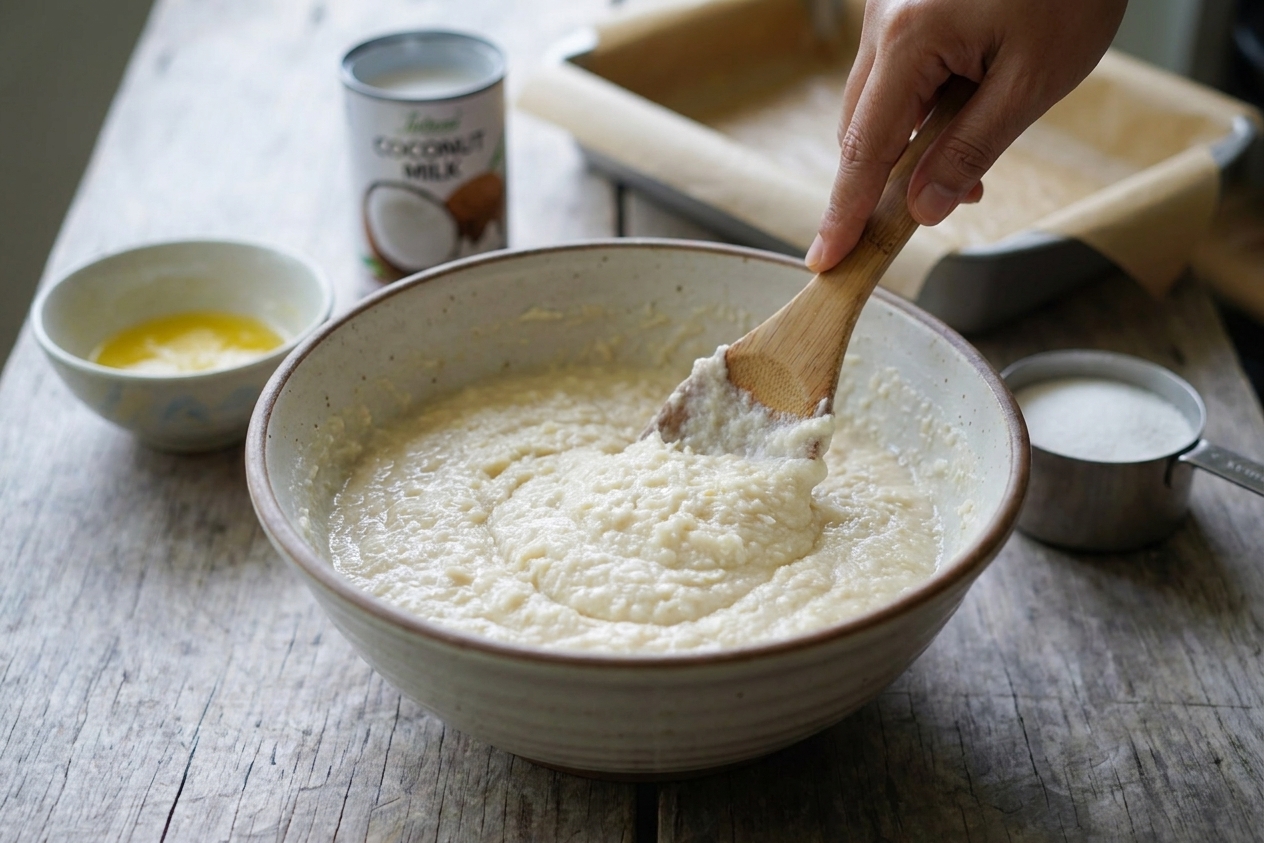
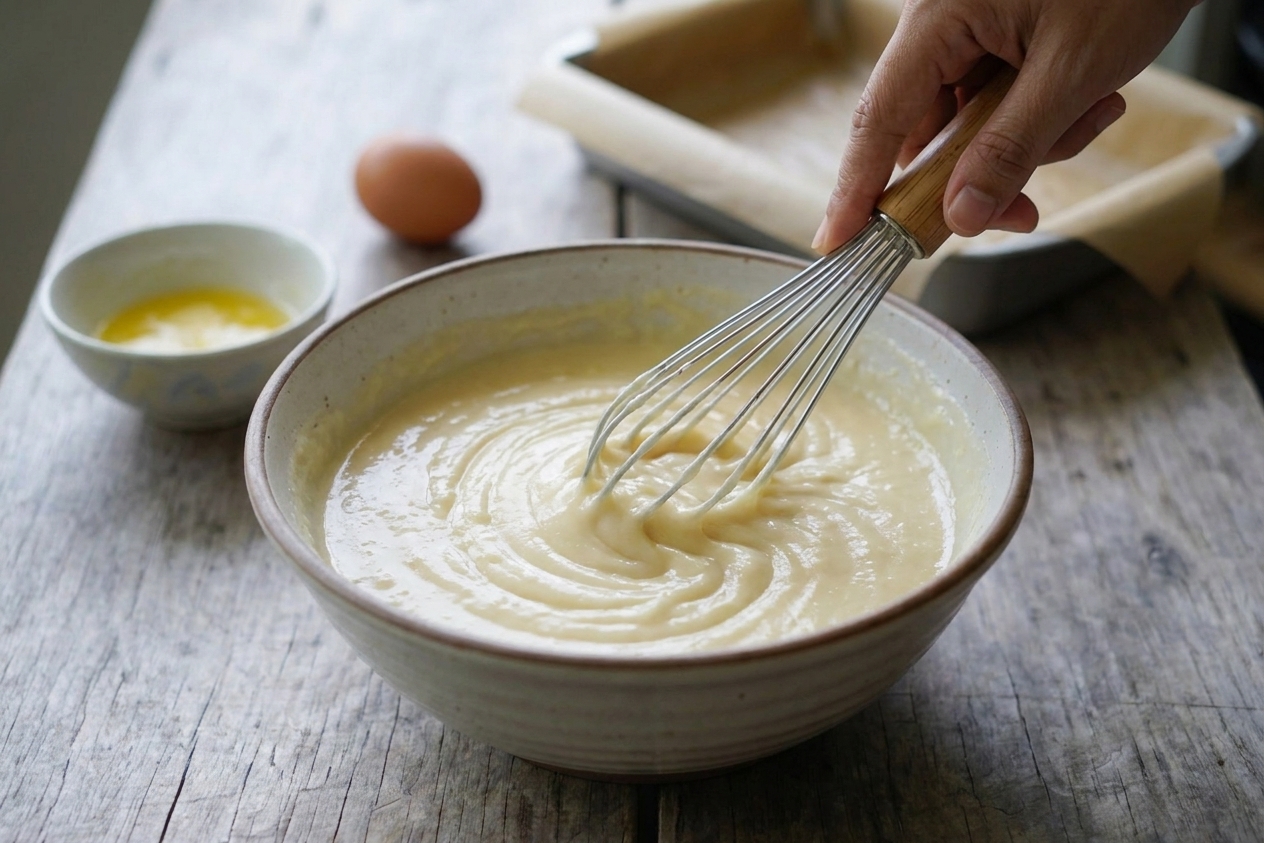
  • Low drama: one bowl, one pan, and very forgiving timing.

Pairs Well With

Storage Tips

Refrigerator: Store covered in the fridge for up to 5 days. Cassava cake firms up when cold, which is honestly kind of amazing if you like a chewier bite.

To reheat: Warm a slice in the microwave for 15 to 25 seconds for a softer, custardy texture. For crisp edges, heat in a toaster oven or 325°F oven for 6 to 10 minutes.

Freezer: Wrap individual squares tightly and freeze up to 2 months. Thaw overnight in the fridge, then warm gently.

Pro tip: If you plan to freeze, chill the cake first so the topping sets fully before wrapping.

Common Questions

Do I need fresh cassava?

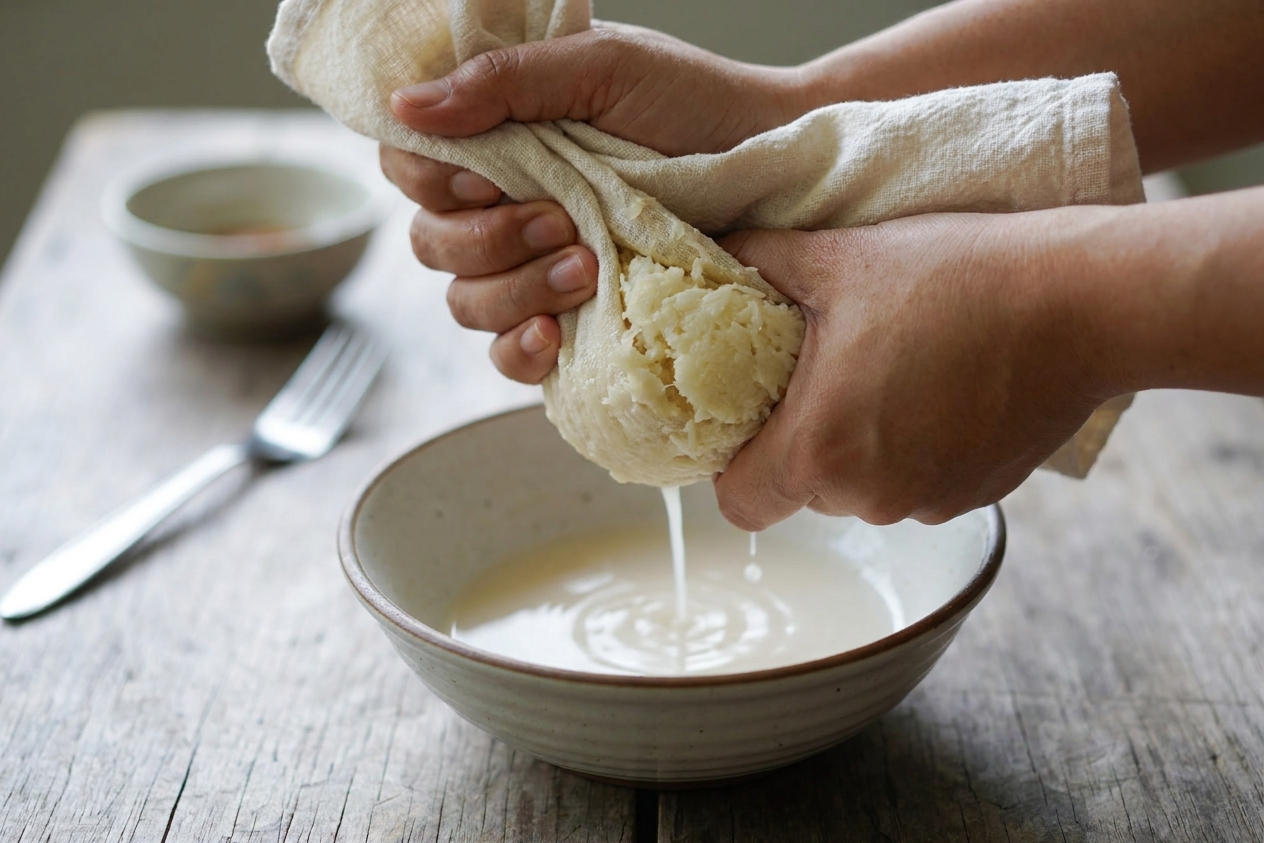
Nope. Frozen grated cassava is the move for home baking. Thaw it and squeeze out excess liquid so your cake sets instead of turning soupy.

Is cassava safe to eat?

Yes, when it is properly prepared and fully cooked. To keep it simple: use commercially prepared frozen grated cassava intended for cooking, and bake the cake until set all the way through. If you are working with fresh cassava, it must be peeled, rinsed, and cooked thoroughly.

How do I squeeze thawed cassava?

Put it in a clean kitchen towel or cheesecloth and wring it out over the sink. You are not trying to turn it into dust, just remove the extra water. If it is still very wet, your bake time will stretch and the center can stay gummy.

My cassava cake is runny in the middle. Why?

Usually one of three things: the cassava was not drained well, the cake needed more bake time, or it was sliced while still hot. Cassava cake finishes setting as it cools, so give it at least 45 minutes.

Can I make it less sweet?

Yes. Use 3/4 cup sugar instead of 1 cup in the base. Keep the condensed milk because it adds body and that classic flavor.

What if my frozen cassava is already sweetened?

Some brands come pre-sweetened. If yours does, start with 1/2 cup sugar in the base, then adjust next time. The texture will still work, you are just managing sweetness.

What pan should I use?

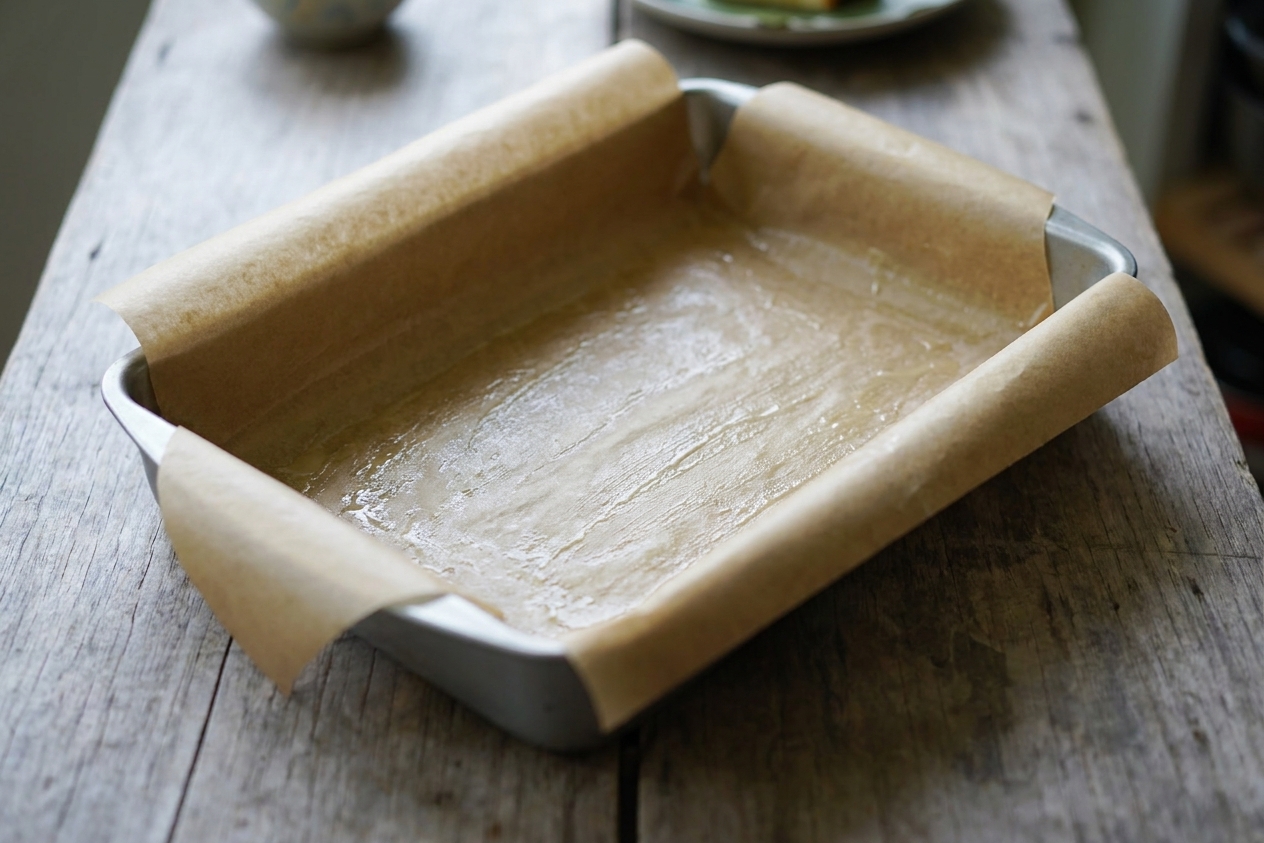
A 9 x 13-inch pan gives classic thickness and plenty of edge pieces. If you use an 8 x 8-inch pan, expect a thicker cake and longer bake time. Also, metal pans brown and crisp the edges better than glass, which tends to bake a little gentler.

How do I know the topping is done?

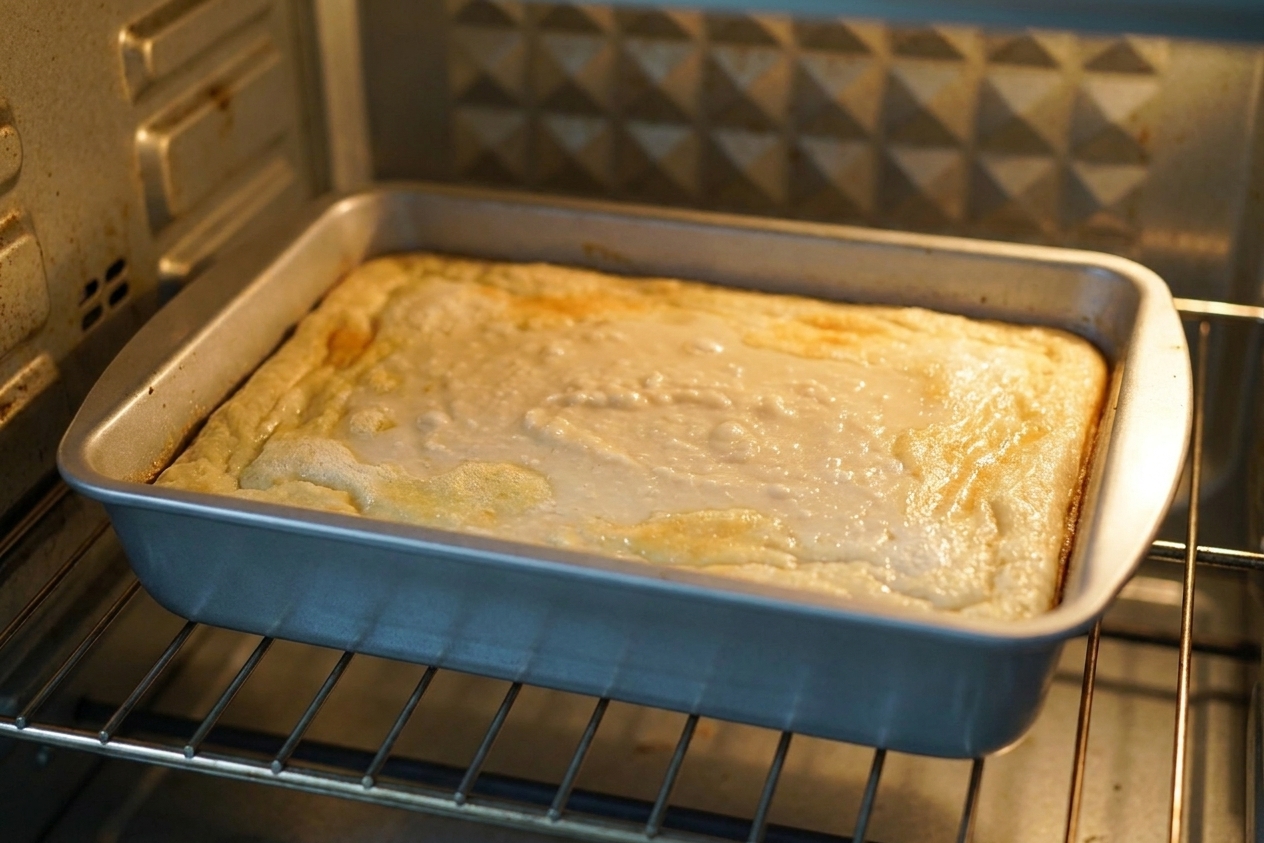
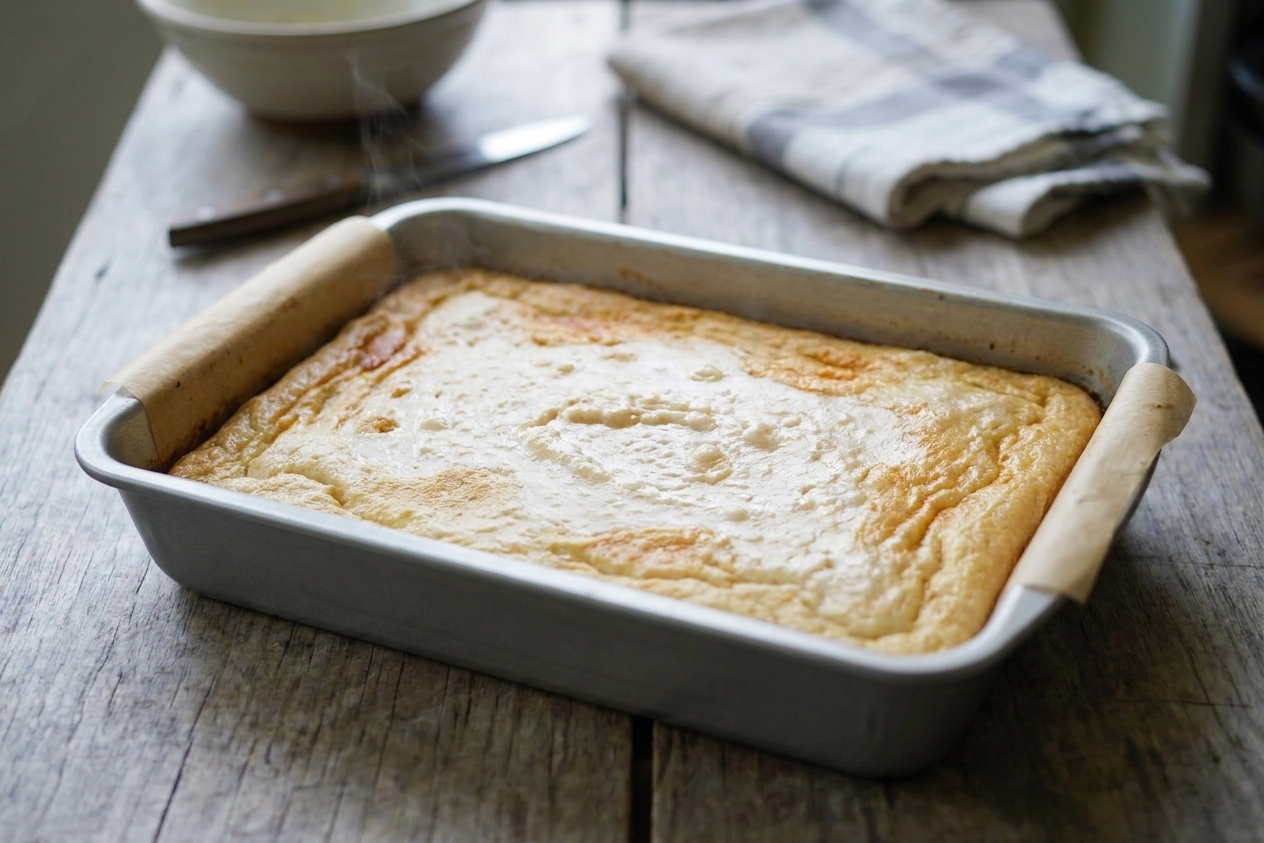
It should look set and slightly jiggly like a soft custard, not sloshy. A quick broil at the end adds those golden spots, but watch it closely because it goes from “cute” to “burnt” fast.

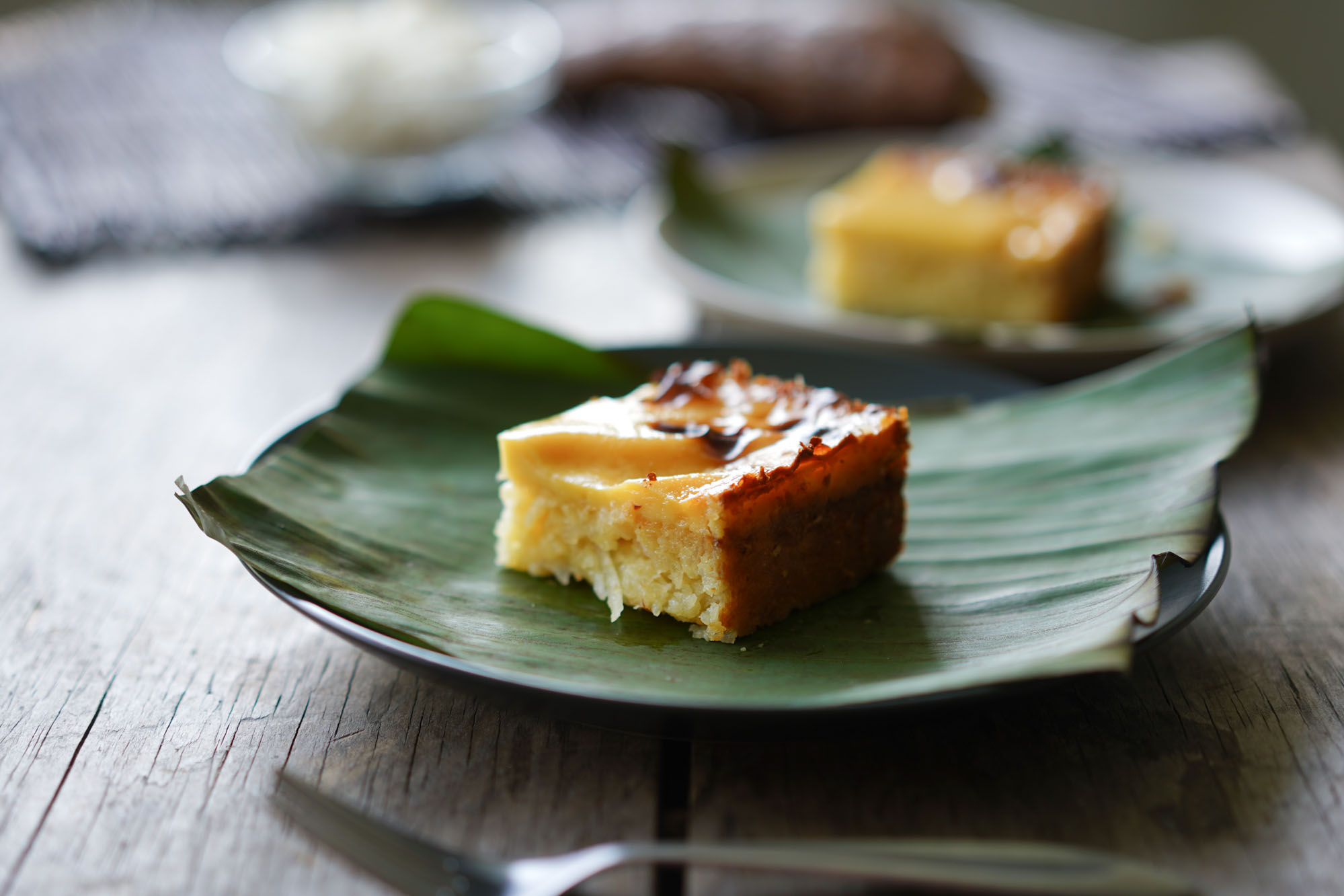
The first time I baked cassava cake, I treated it like a regular flour cake. Big mistake. Cassava has its own vibe: it wants time to set, it wants you to squeeze out the thaw water, and it absolutely rewards you with that chewy, bouncy bite when you do.

Now it is one of my favorite “bring it to the table and watch it disappear” desserts. I love it chilled for a dense, snacky square, and I love it warm when the topping is still a little plush. Either way, I always cut a corner piece first. Crisp edges are non-negotiable.