Mom's Best Recipes
Recipe

Creamy Coconut Sago

Chewy sago pearls in a silky coconut sauce, lightly sweet, perfectly salty, and basically made for mango on top.

Author By Matt Campbell
4.8
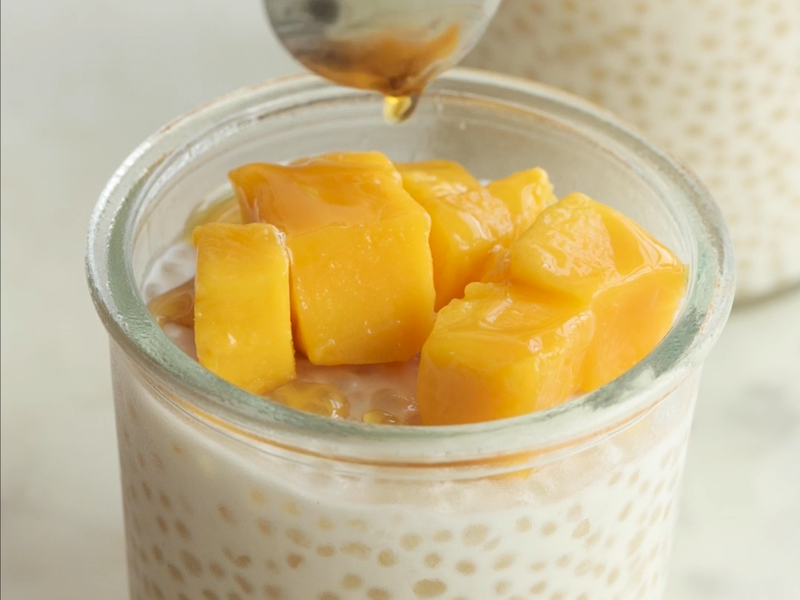
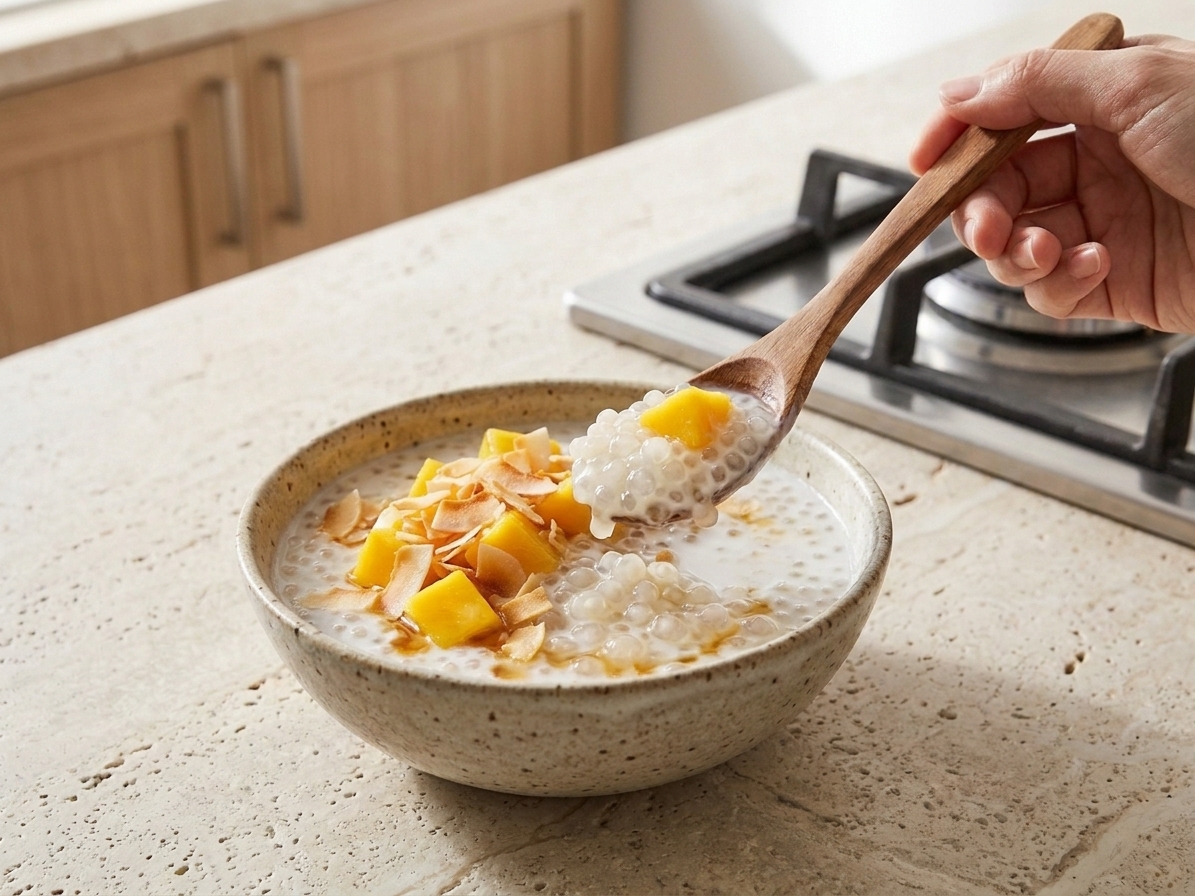
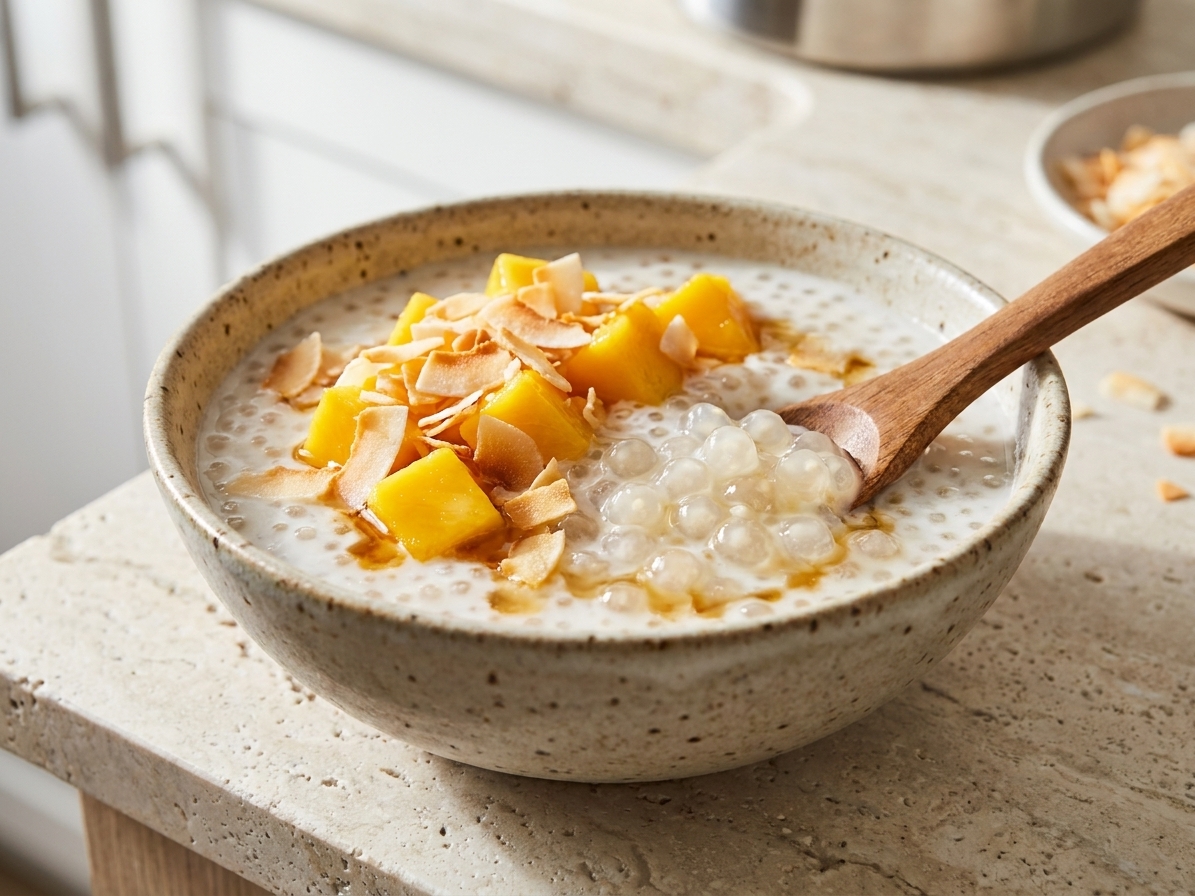
A ceramic bowl of creamy coconut sago with chewy pearls topped with diced mango and toasted coconut on a light stone kitchen counter

Sago is one of those ingredients that looks a little mysterious in the bag, then acts like a total sweetheart once you get it in the pot. Tiny pearls, big comfort. When cooked right, they turn glossy and chewy and suspend themselves in coconut milk like they were born to be dessert.

This version is my go-to: creamy coconut sago with a pinch of salt (non-negotiable), a little vanilla, and the option to go full tropical with mango and lime. It is weeknight friendly, but it still feels like you made a “real dessert” on purpose.

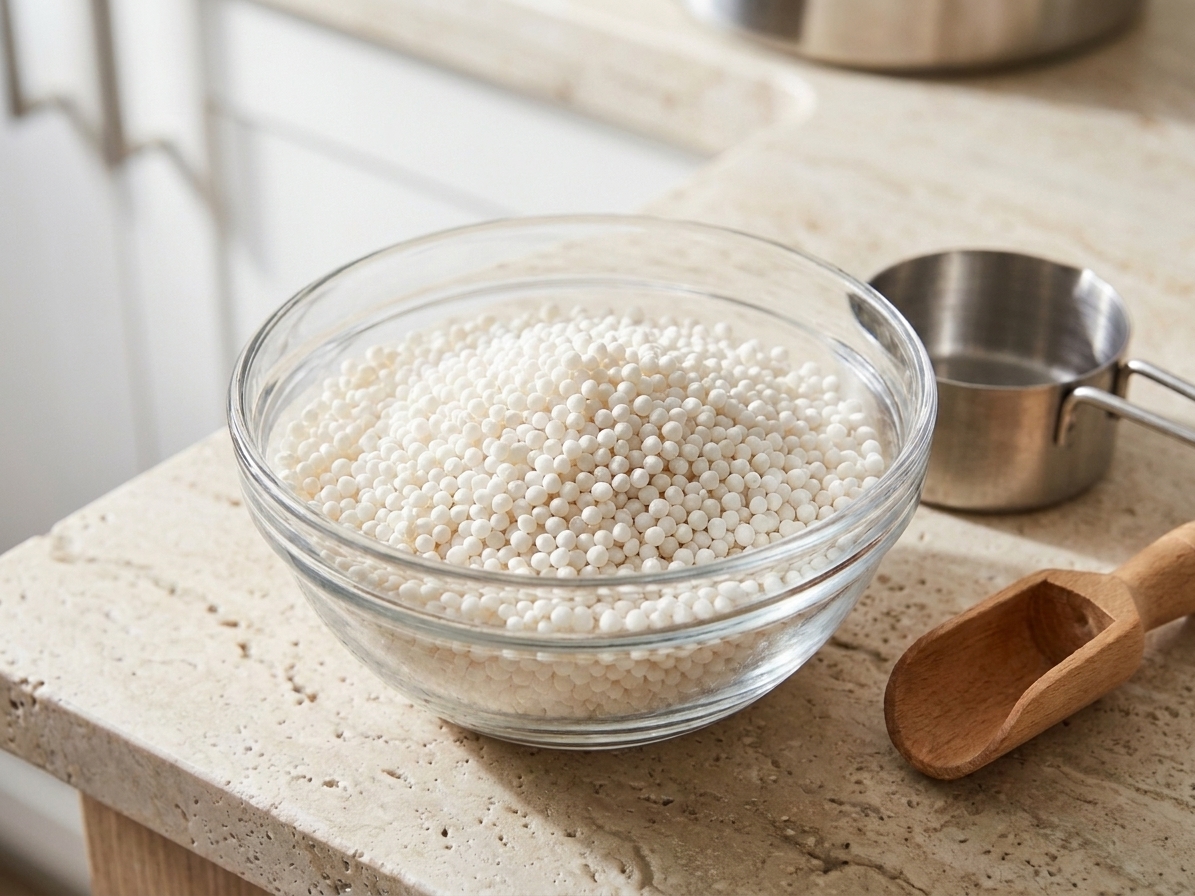
Small sago pearls with coconut milk, sugar, vanilla, and salt arranged on a kitchen counter

Quick note: In many US grocery stores, what is labeled “small tapioca pearls” cooks similarly to sago for recipes like this, but it is not universal. Pearl size and brand matter, so cook until translucent and check package timing if yours suggests a different method.

Why It Works

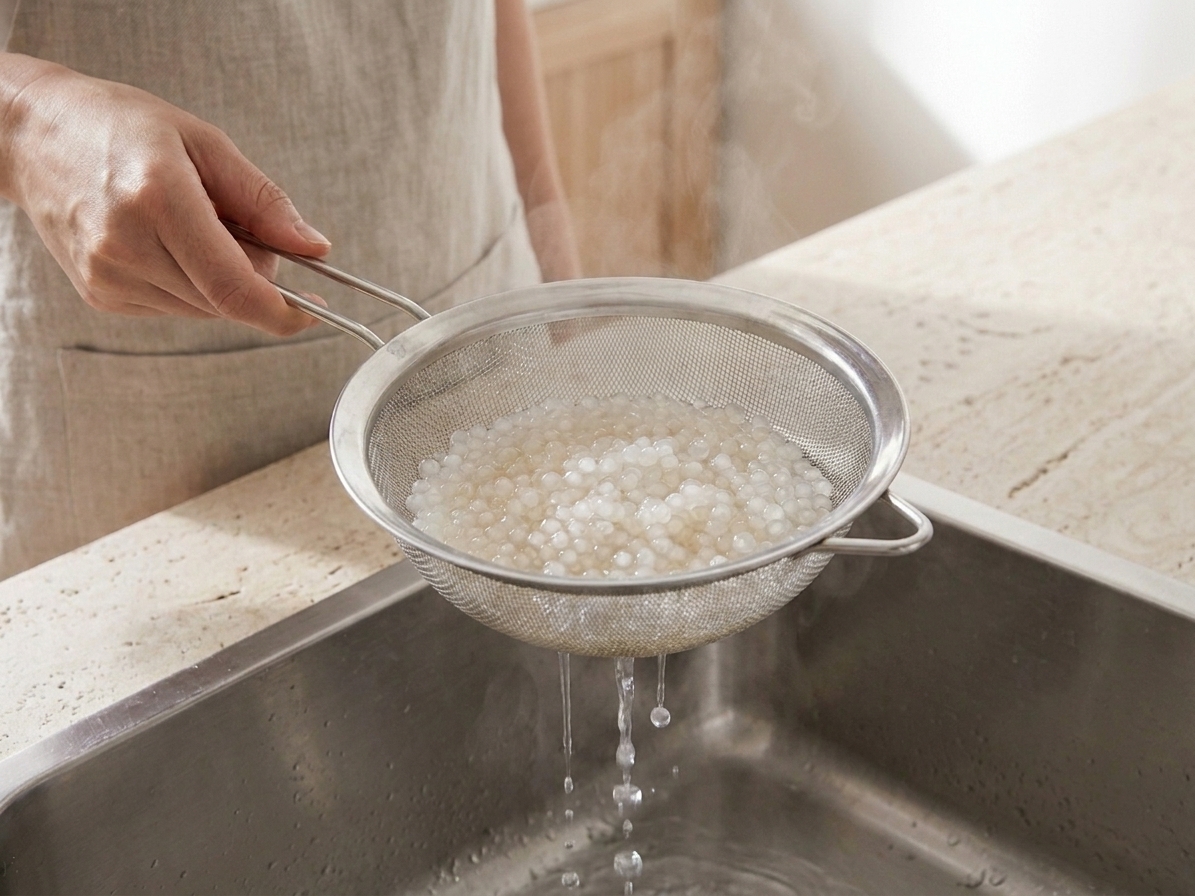
  • Chewy, not gummy: A big pot of boiling water lets the pearls tumble and cook evenly, then a quick rinse keeps them from turning sticky.
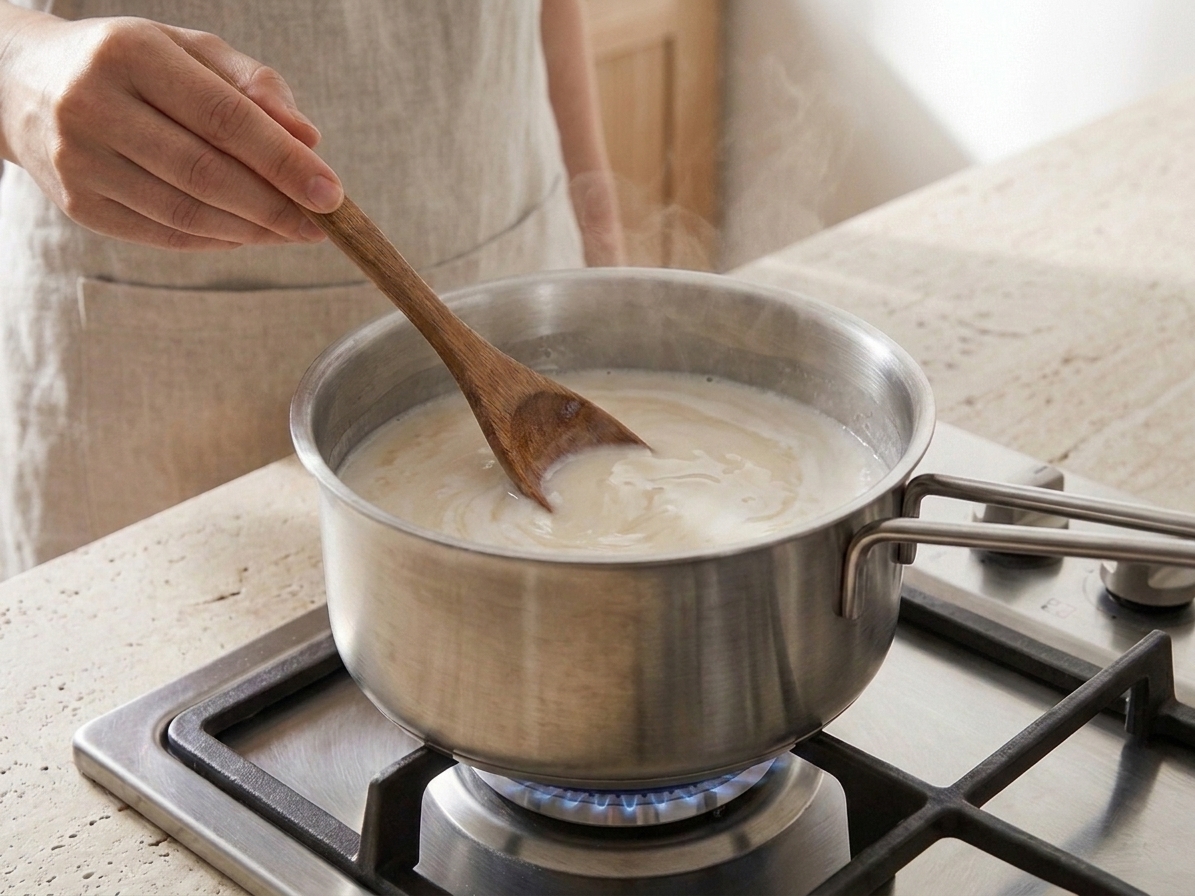
  • Silky coconut base: Coconut milk plus a little water keeps things smooth and spoonable.
  • Balanced sweetness: Sugar is flexible here so toppings like mango, pineapple, or brown sugar syrup can shine.
  • Make-ahead friendly: It thickens as it chills, which is exactly what you want for a cold, pudding-like bowl.

Pairs Well With

Storage Tips

Refrigerate: Cool completely, then store in an airtight container for up to 3 to 4 days. Keep it well chilled and use your judgment, especially if it has been sitting out for a while.

How to loosen it: Stir in a splash of water, dairy milk, or coconut milk until it is creamy again. Warm gently on the stove over low heat or microwave in 20 to 30 second bursts, stirring each time.

Freezing: Not my favorite. The pearls can turn a little mealy after thawing. If you must freeze, do it in small portions and revive with extra coconut milk, then accept it will be slightly different.

Common Questions

What is sago, exactly?

Sago pearls are a starch that forms little beads used in desserts and drinks. Traditionally they come from the sago palm, but many products sold as “sago” are made from tapioca (cassava). For this recipe, either works as long as the pearls are small or medium and meant for cooking.

Do I rinse sago before cooking?

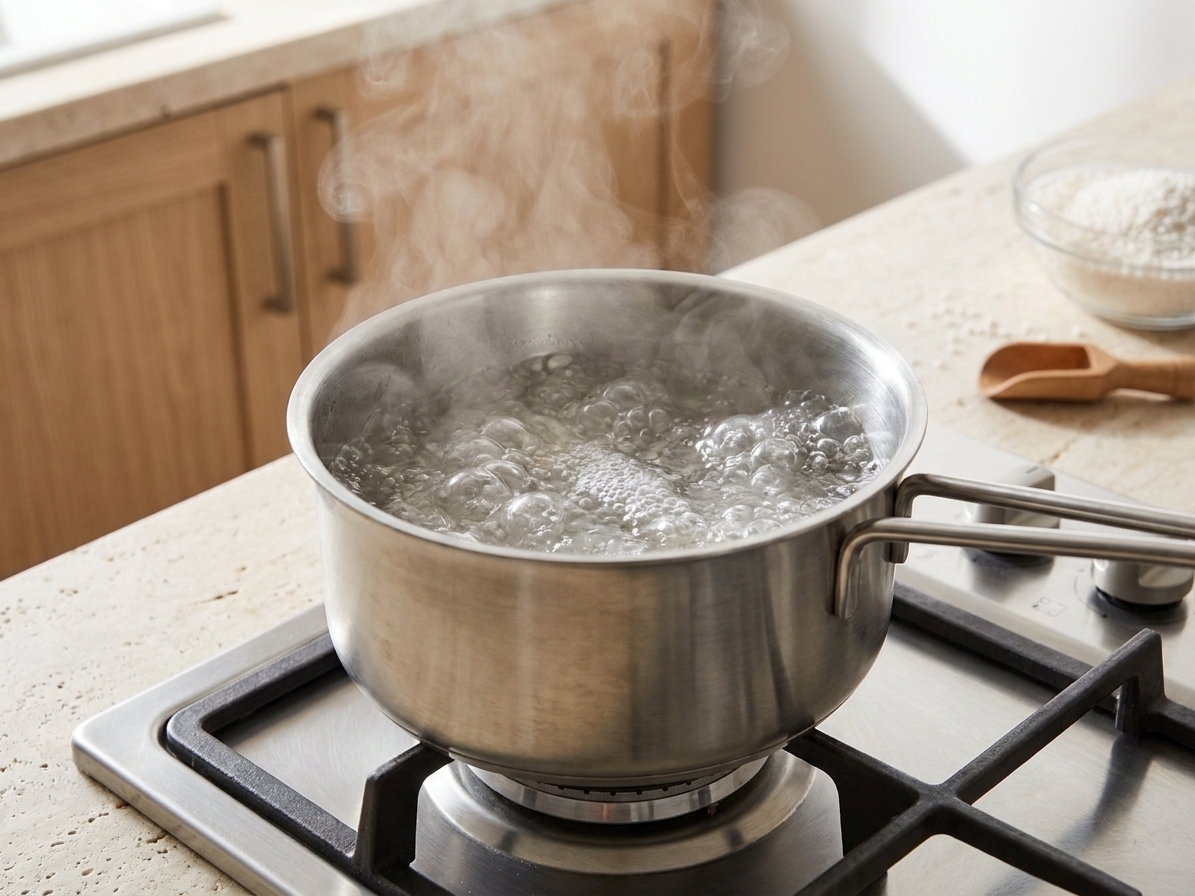
Nope. For small sago or tapioca pearls, rinsing them while dry is a fast track to gummy paste. Drop them straight into plenty of boiling water so they can tumble and cook evenly. You can rinse them after they are cooked to wash off excess surface starch.

How do I know when the pearls are done?

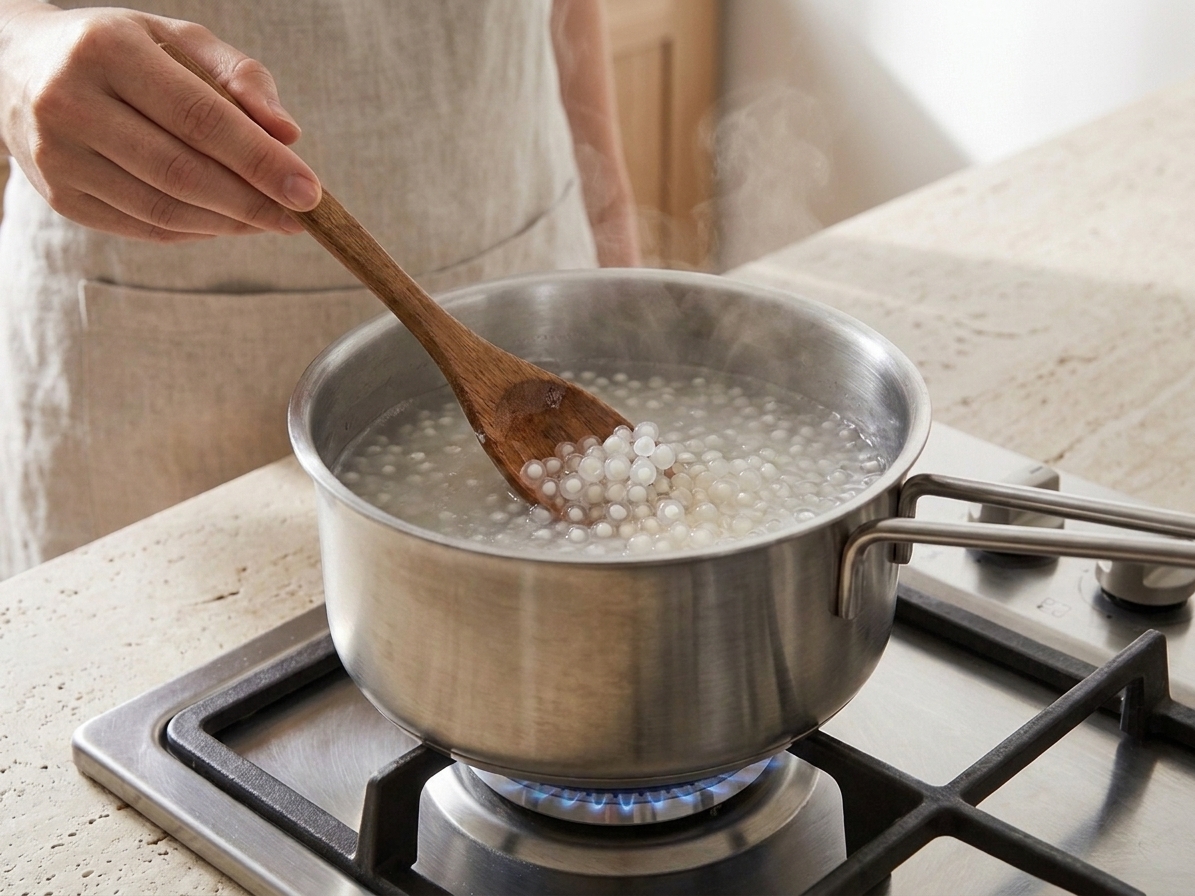
Look for pearls that are mostly translucent with just a tiny white dot in the center. If the centers stay white, keep simmering, then turn off the heat, cover, and let them steam for a few minutes. That rest is where the last little dots often disappear. Timing varies by brand and pearl size, so use the visual cue and check your package directions if they differ.

Why did my sago clump together?

Usually one of three things: not enough water, not enough stirring early on, or the heat dropping too low so the pearls sit instead of moving. Use a big pot of water (think pasta), stir often during the first 3 to 5 minutes, then keep it at a steady simmer so the pearls keep tumbling.

Can I use tapioca pearls instead of sago?

Often, yes. Many small tapioca pearls cook similarly to small sago pearls. But some brands (and larger pearls) need different timing or a soak-rest method. Cook until translucent and always defer to the package timing if it is more specific.

Can I make this dairy-free and vegan?

Yep. The recipe is naturally dairy-free if you use coconut milk and skip any dairy toppings. Sugar is typically vegan in most places, but if that matters to you, choose a vegan-labeled sugar or use maple syrup.

Can I reduce the sugar?

Absolutely. Start with less, taste once the coconut mixture is hot, then add more if needed. A ripe mango on top also does a lot of sweetening work.

The first time I cooked sago, I treated it like pasta, but with nowhere near enough water. I walked away for a second and came back to a pot of starchy glue that could probably patch drywall. Lesson learned. Now I cook it like pasta for real: lots of boiling water, a few good stirs at the beginning, then a quick rinse before it hits the coconut milk. When it clicks, it feels like a magic trick. Tiny pearls, creamy coconut, and suddenly you are the kind of person who serves dessert in bowls like it is totally normal on a Tuesday.