Mom's Best Recipes
Recipe

Baked Lobster Tail

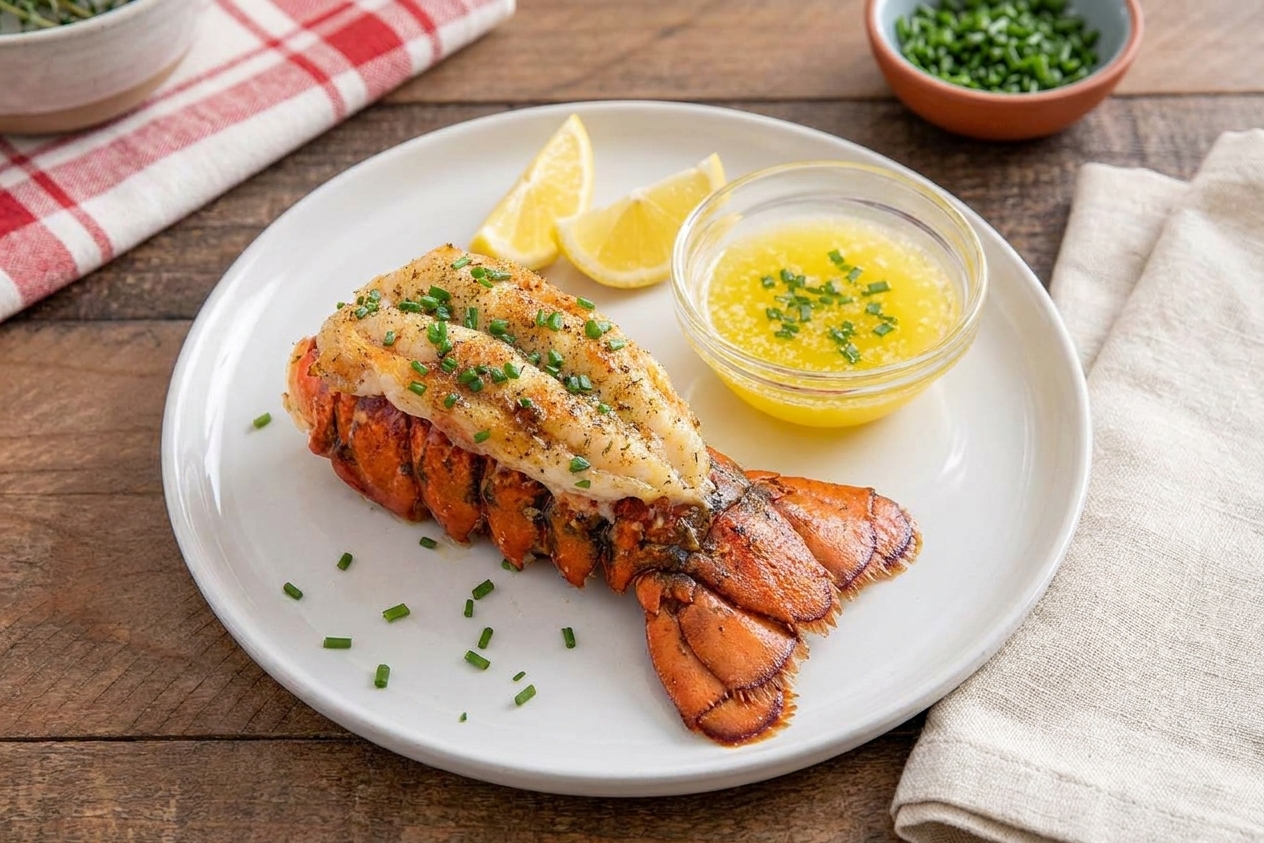
Tender lobster with a garlic lemon butter that tastes like a special-occasion dinner, without the restaurant bill.

Author By Matt Campbell
4.8
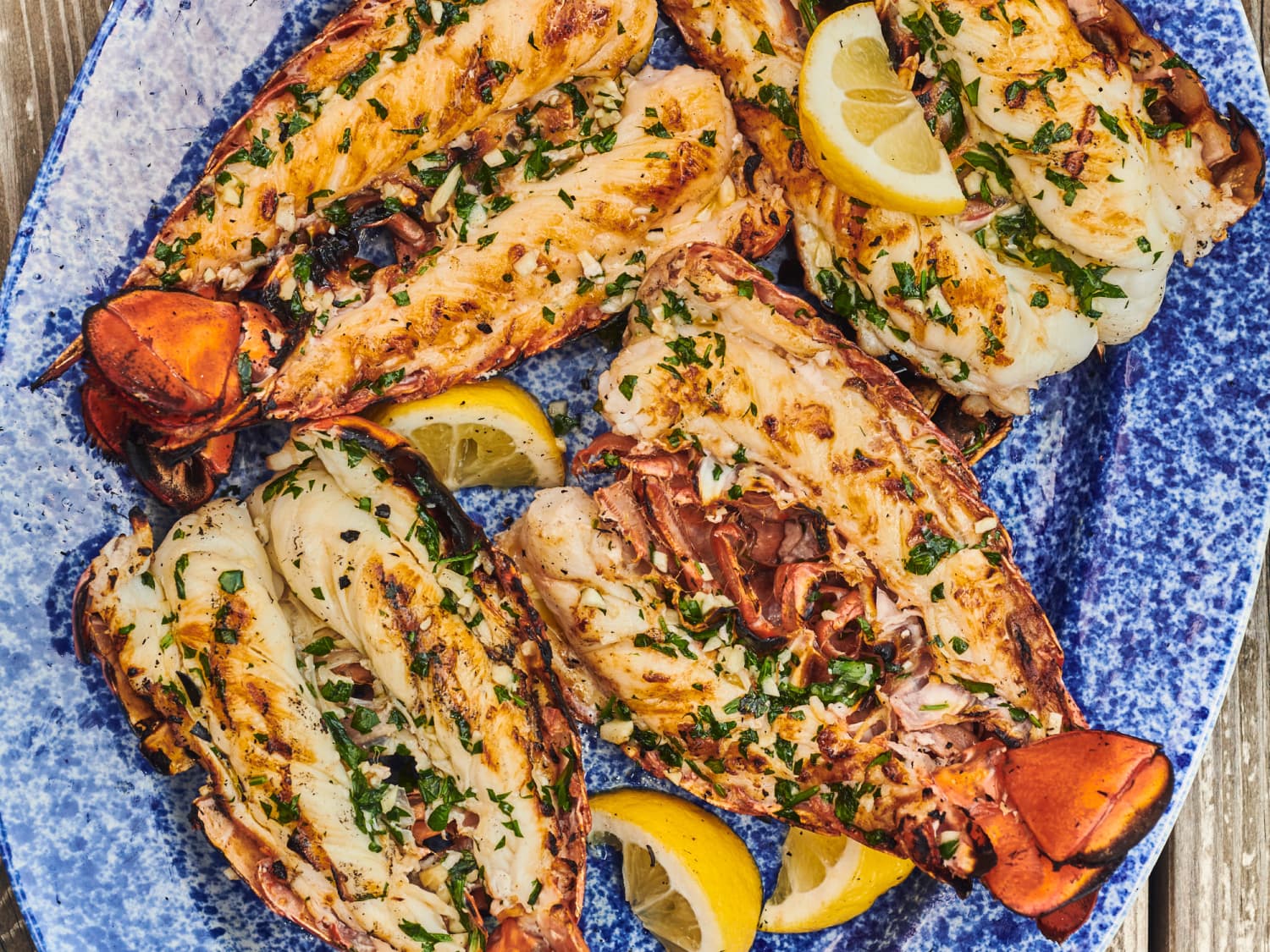
Two baked lobster tails in their shells on a sheet pan, topped with melted garlic butter and paprika, with lemon wedges on the side in a warm home kitchen

If you have ever ordered lobster tail at a restaurant and thought, I could absolutely do this at home, you are right. Baked lobster tail is one of those quietly fancy dishes that is mostly about two things: not overcooking it, and hitting it with a butter situation that makes you pause mid-bite.

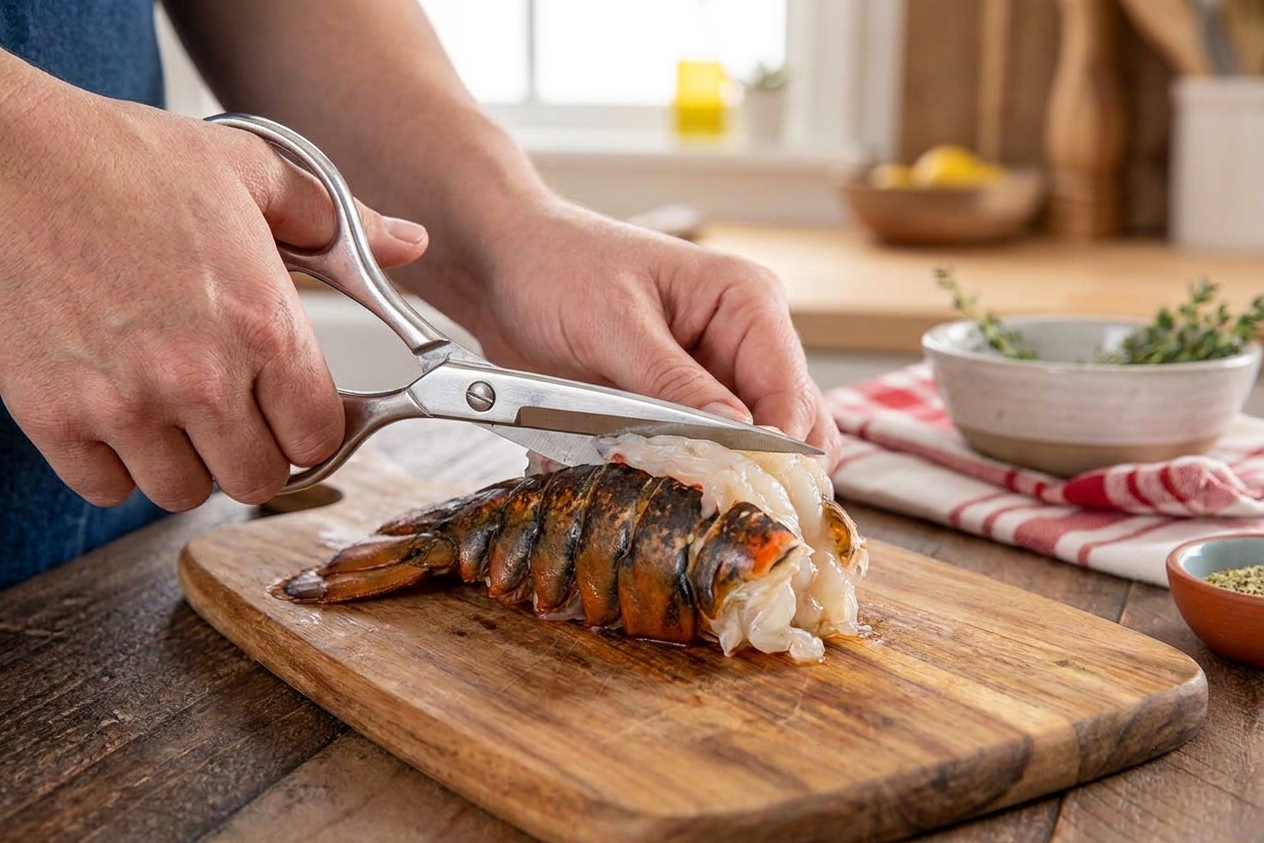
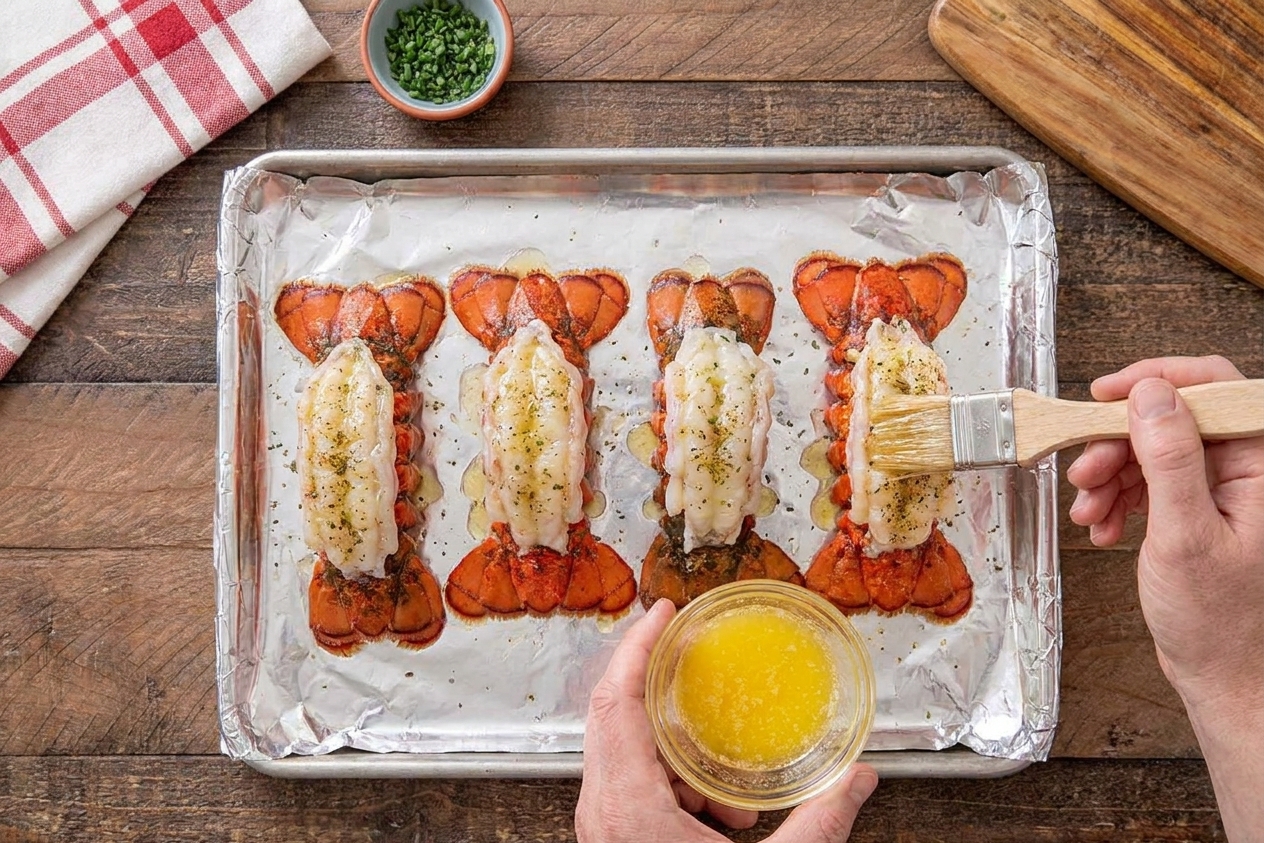
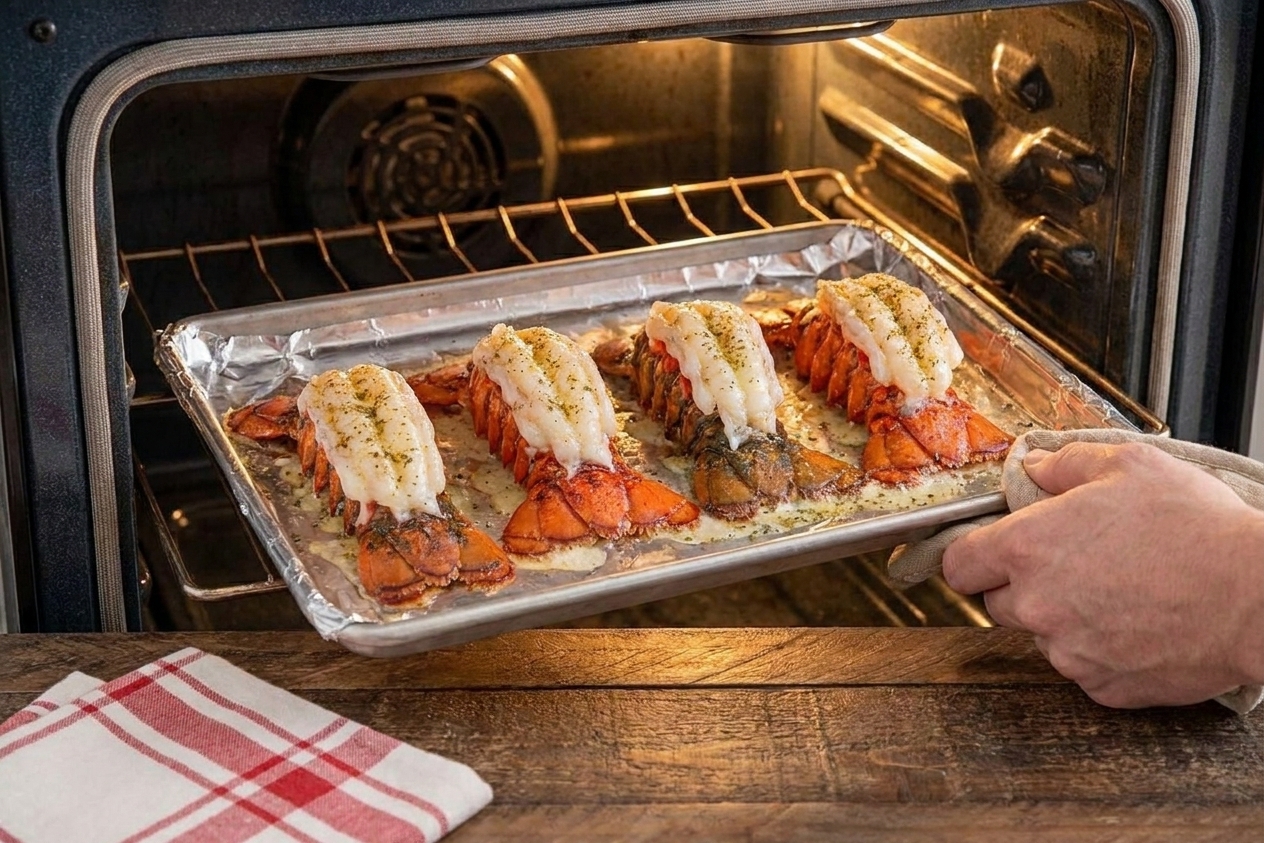
This version is my weeknight-friendly special occasion move. We butterfly the tail so it cooks evenly, spoon on a garlic lemon butter (plus a little paprika for that classic look), then bake until the meat turns opaque and juicy. If you want that lightly bronzed, crisp-edged finish, you can broil for the last minute or two. Low drama, high reward.

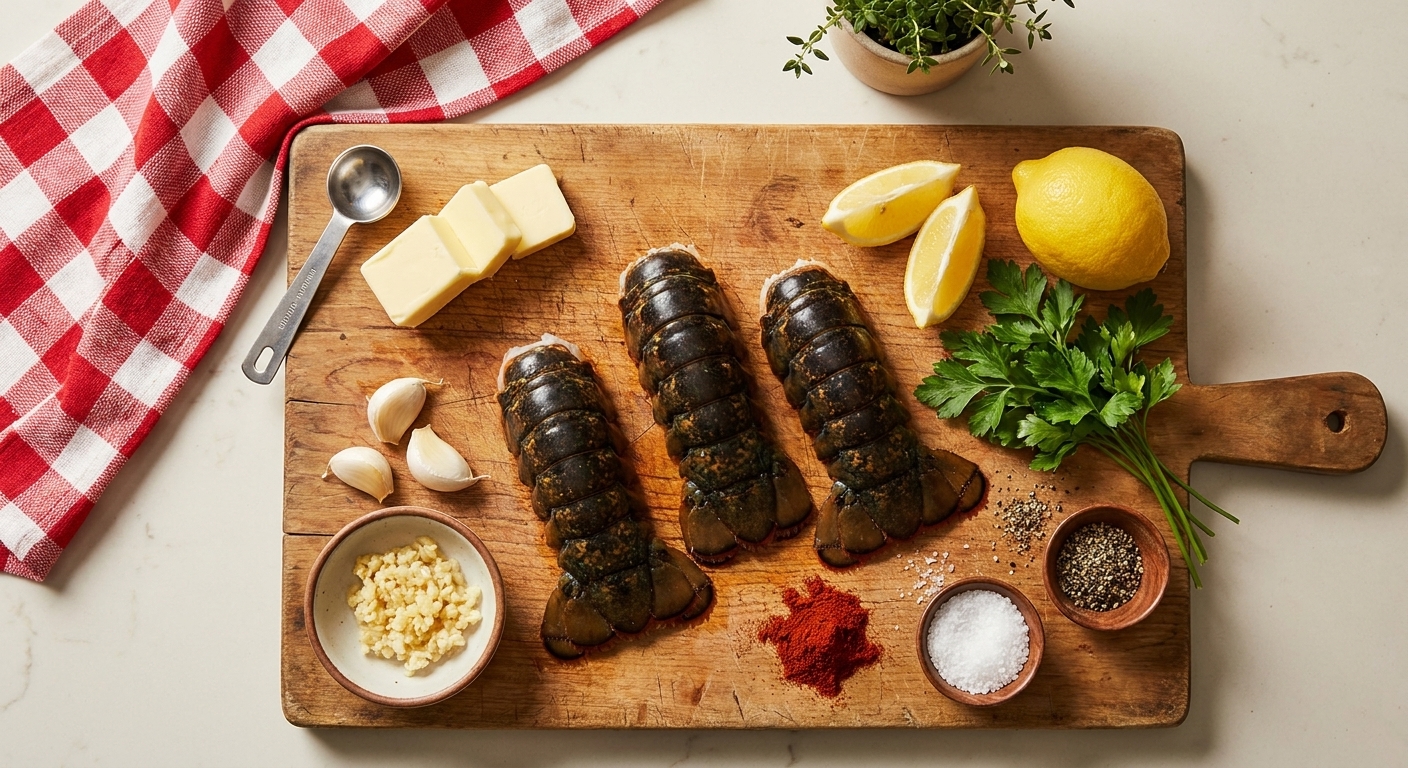
Raw lobster tails, butter, garlic, lemon, parsley, paprika, salt, and black pepper arranged on a light kitchen counter with a small bowl and measuring spoon

Why It Works

  • Even cooking: Butterflying exposes the thickest part of the tail so it bakes at the same pace as the thinner edges.
  • Big flavor, few ingredients: Garlic, lemon, butter, and a little paprika do the heavy lifting.
  • Juicy results: Clear doneness cues and a quick rest keep the lobster tender instead of rubbery.
  • Flexible finish: Bake only for gentle heat, or add a short broil for a restaurant-style top.

Pairs Well With

Storage Tips

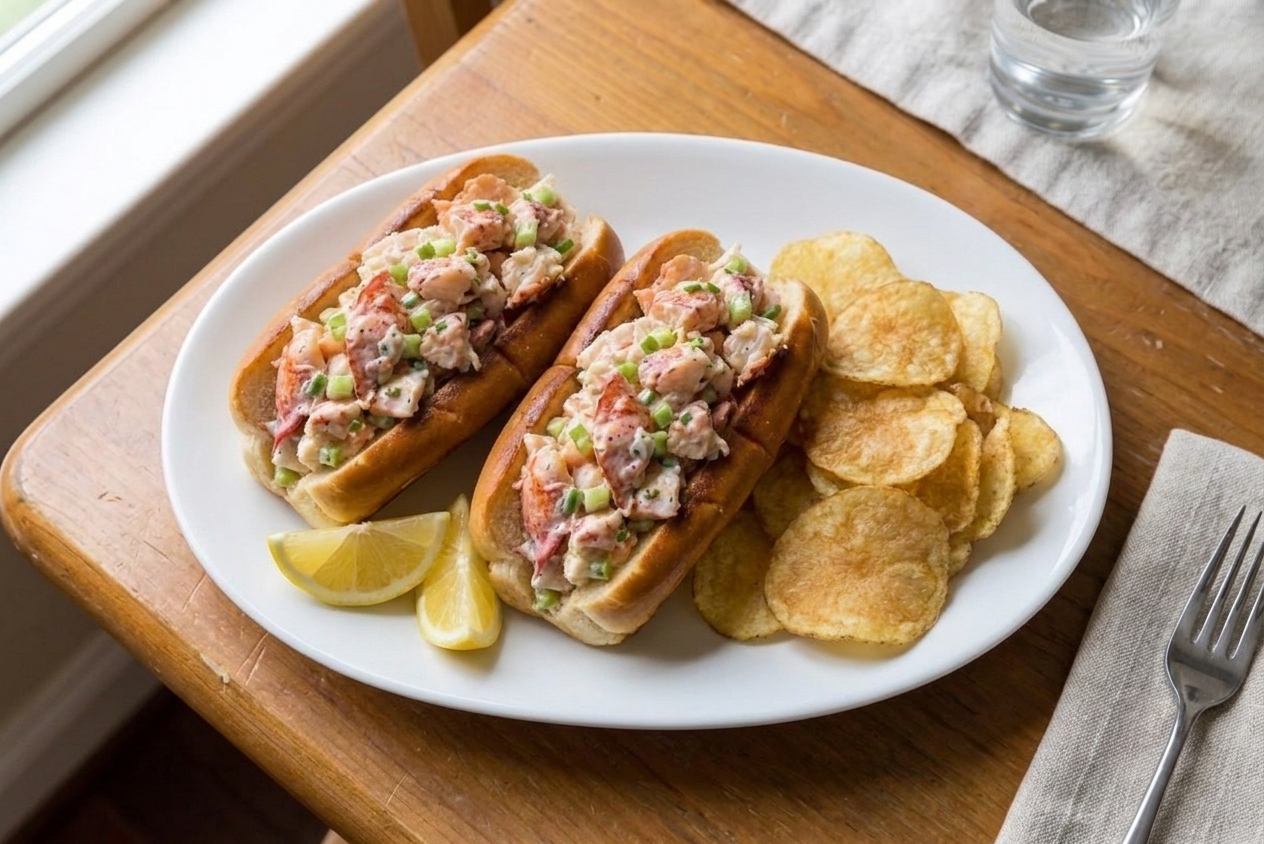
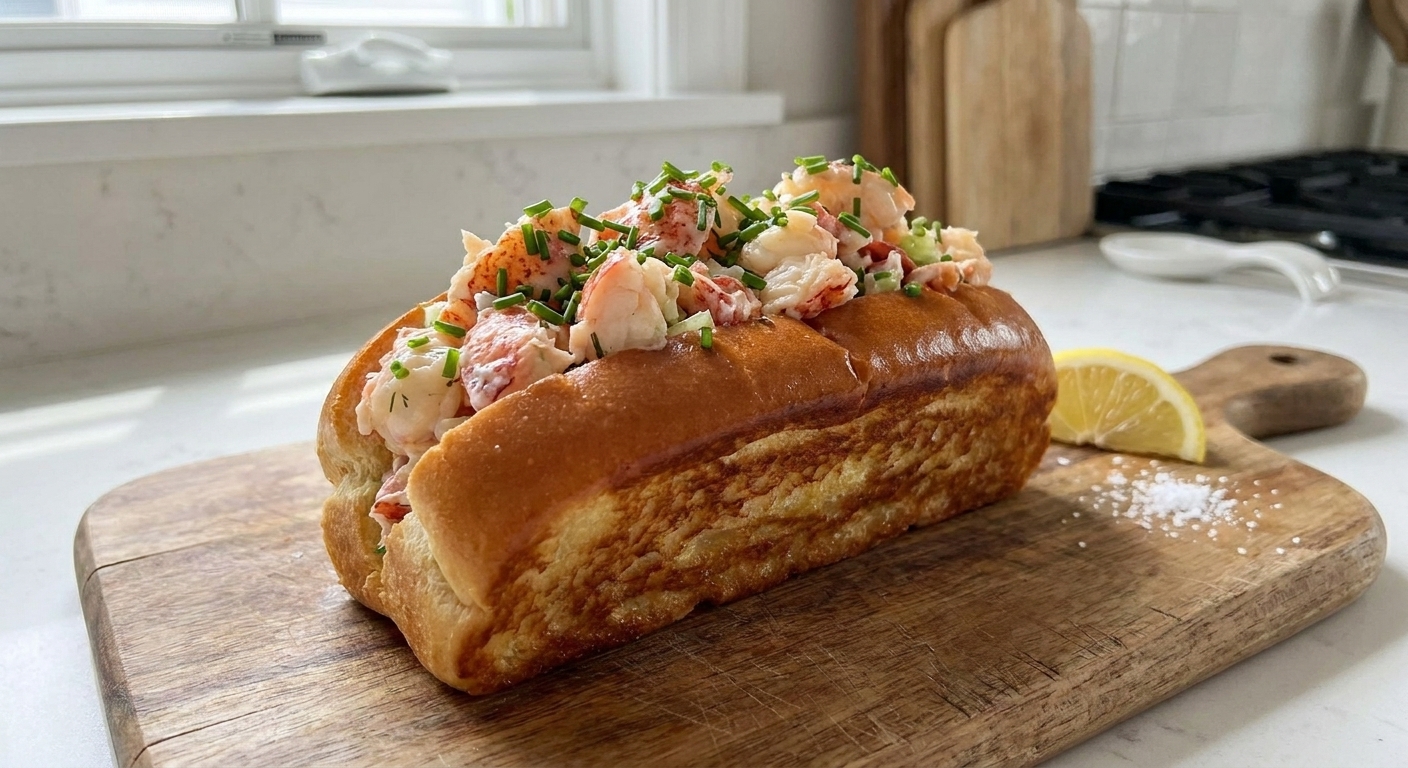
Fridge: Cool leftovers quickly, then store in an airtight container for up to 2 days. Lobster is best the day it is cooked, but leftovers can still be great in pasta, rolls, or a salad.

Reheat (gentle is the move): Place lobster in a small baking dish, add a teaspoon or two of water or melted butter, cover with foil, and warm at 300°F until just heated through, usually 8 to 12 minutes depending on size. Avoid microwaving if you can since it toughens fast.

Freeze: I do not love freezing cooked lobster tail because the texture can go a little cottony, but you can freeze it in a freezer bag for up to 1 month. Thaw overnight in the fridge and reheat gently.

Common Questions

How long do you bake lobster tail?

It depends on size and how cold the tails are to start, but a reliable range at 425°F is about 8 to 14 minutes for typical 4 to 6 oz tails. A rough backup guideline is about 1 minute per ounce, but your thermometer is the final word. The lobster is done when the meat is opaque and the thickest part reaches your target temperature (see below). Make sure you insert the thermometer into the thickest part without touching the shell.

What temperature is lobster tail done?

For the maximum food-safety margin, many guidelines cite cooking seafood to 145°F in the thickest part. That said, lobster can turn firm quickly at that temperature. For a more tender texture, some cooks prefer pulling lobster around 135°F to 140°F and letting it rest for 3 minutes for carryover cooking. Choose the approach that fits your comfort level, and always measure in the thickest part without touching shell.

Can I bake lobster tails from frozen?

You can, but results are better if you thaw first so the meat cooks evenly. Thaw overnight in the fridge, or quick-thaw in a sealed bag in cold water for 30 to 45 minutes for typical 4 to 6 oz tails, changing the water once or twice. Keep going until the tail is fully pliable with no icy core.

Do I need to butterfly lobster tail?

No, but it helps a lot. Butterflying gives you even cooking, easier seasoning, and that classic presentation where the meat sits on top of the shell.

Should I use salted or unsalted butter?

Either works. I like unsalted so I can control seasoning, especially since lobster is naturally briny. If using salted butter, go easy on added salt at first and taste the butter mixture.

What if my lobster tail is sticking to the shell?

Before baking, slide your fingers or a spoon between the meat and shell to loosen it, keeping it attached at the base. That little step makes serving easier and helps the meat lift on top of the shell.

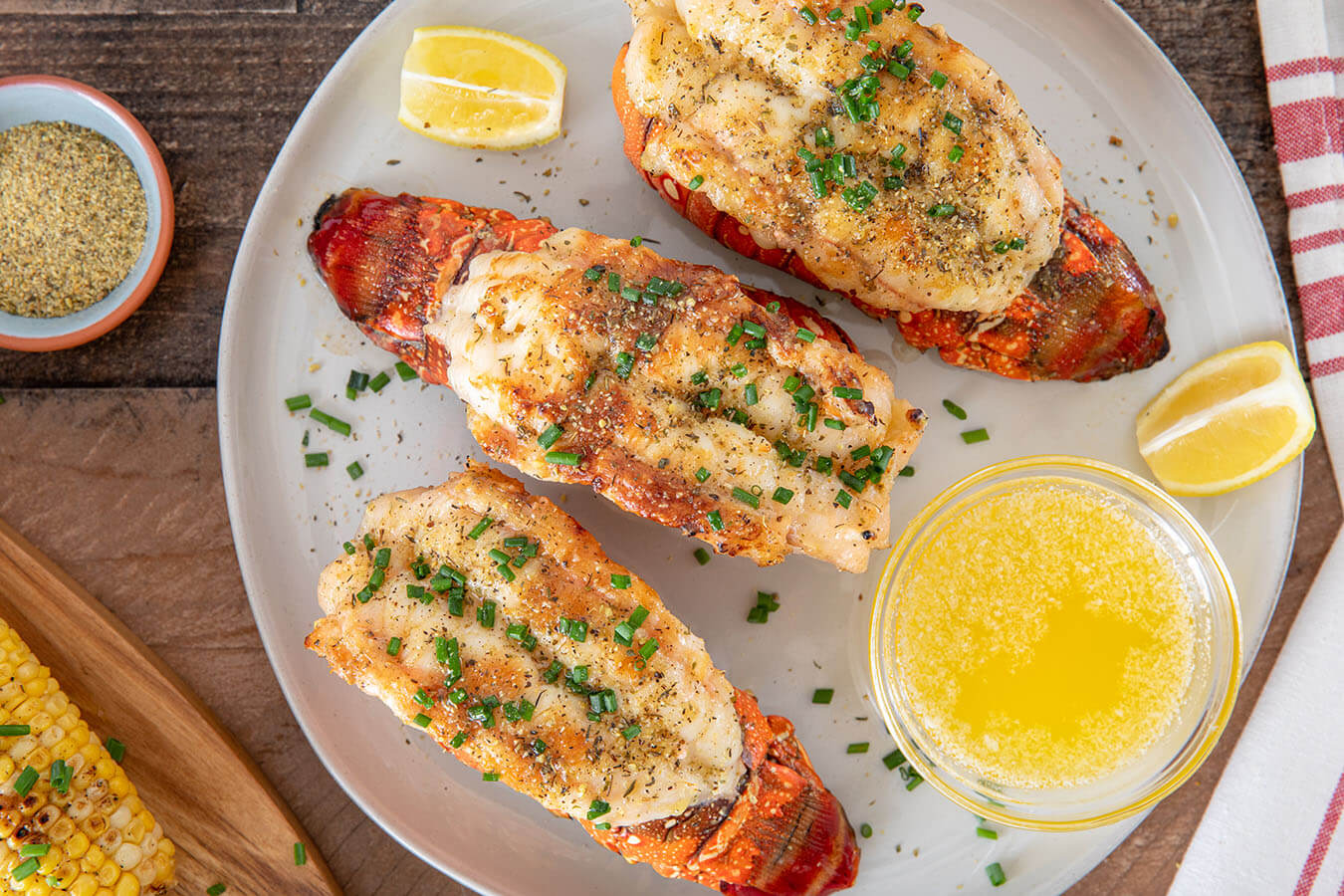
Lobster tail used to feel like a “someone else cooks this” food to me, like it belonged under white tablecloths and dim lighting. Then I realized the whole thing is basically: cut shell, add butter, do not overcook. Now it is my go-to move when I want dinner to feel like an event without turning my kitchen into a full-blown project. Also, I will never stop being impressed by how fast garlic, lemon, and butter can make you look like you have your life together.