How do I know when scallops are done?
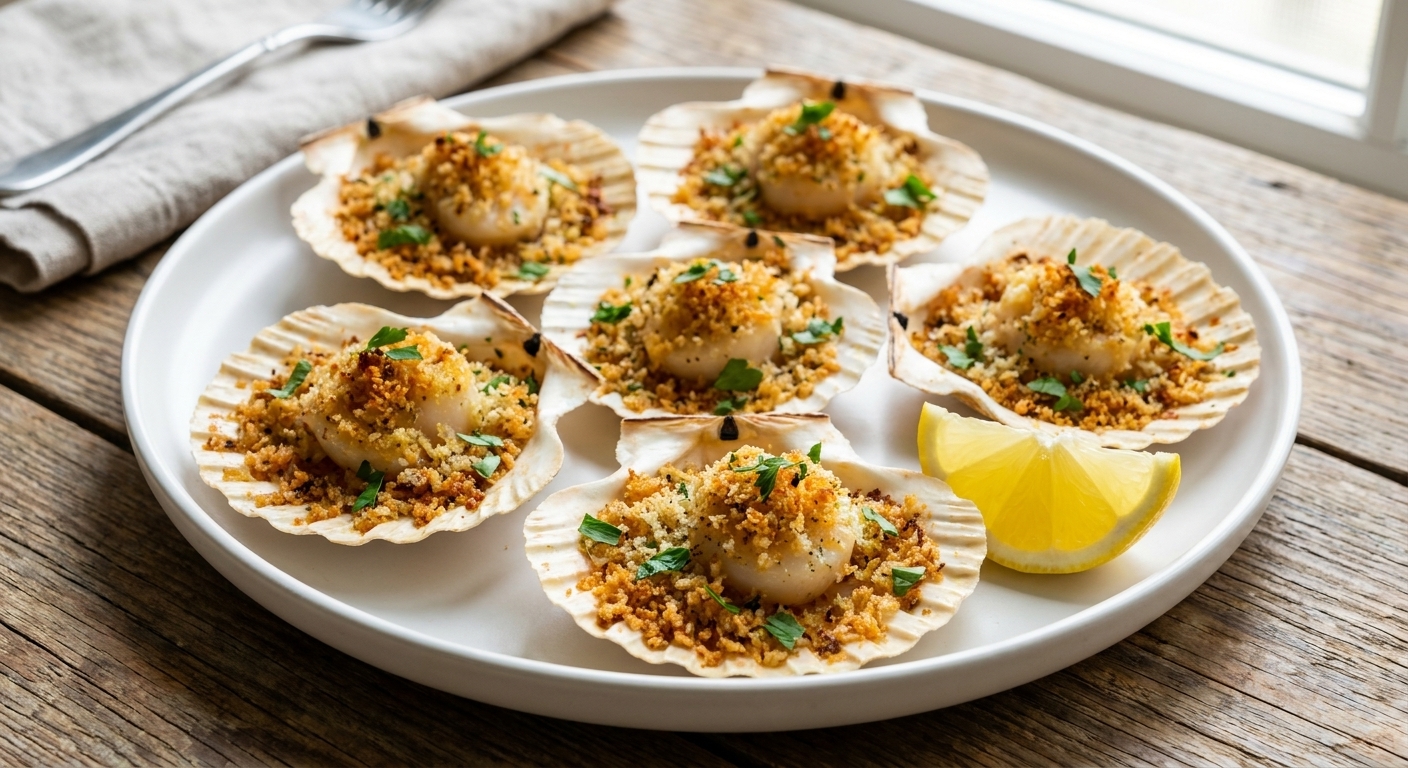
They should be opaque and slightly firm around the edges, with a little give in the center. If you have an instant-read thermometer, you have options:
- Very tender: pull around 120°F to 125°F, then rest 2 minutes. Carryover heat finishes the job.
- Firmer: cook to 130°F to 135°F.
- Food safety note: some guidelines recommend cooking seafood to 145°F. If you are pregnant, immunocompromised, or cooking for someone who needs extra caution, go ahead and cook them longer, keeping in mind scallops get chewy as the temp climbs.
Can I use bay scallops instead of sea scallops?
Yes, but they cook faster. Start checking at 5 to 6 minutes and rely on the visual cues (opaque, just-firm) more than the clock. Bay scallops can overcook in the time it takes you to find your oven mitt.
Should I rinse scallops?
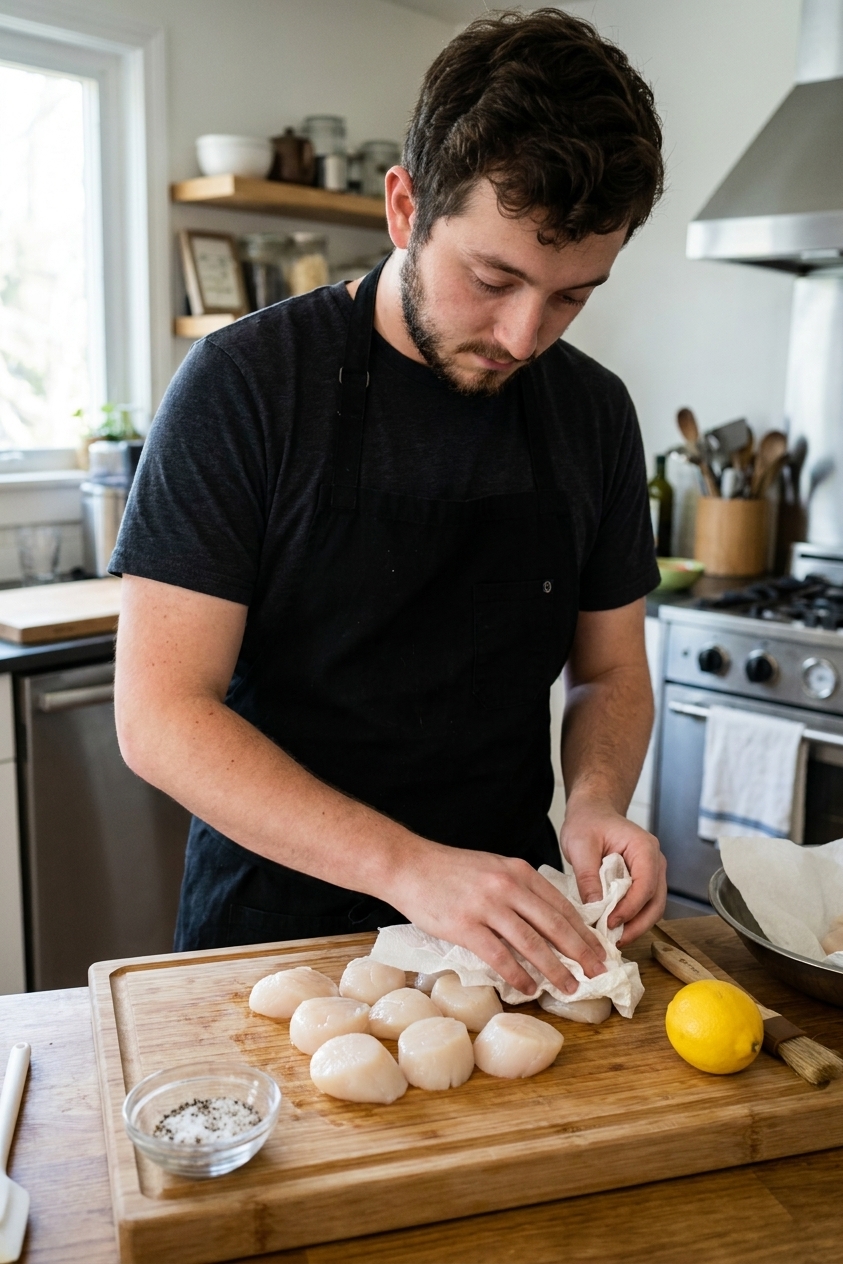
No. If you need to remove grit, do a quick swish in cold water, then dry very well. Dry scallops bake up more tender and less watery.
What are “wet” vs “dry” scallops?
Dry scallops are untreated (often labeled “dry-packed”) and brown better. Wet scallops have been treated with a solution that can make them release more liquid. This baked method works for both, but with wet scallops, pat them extra dry and give them more space in the dish.
Can I prep this ahead?
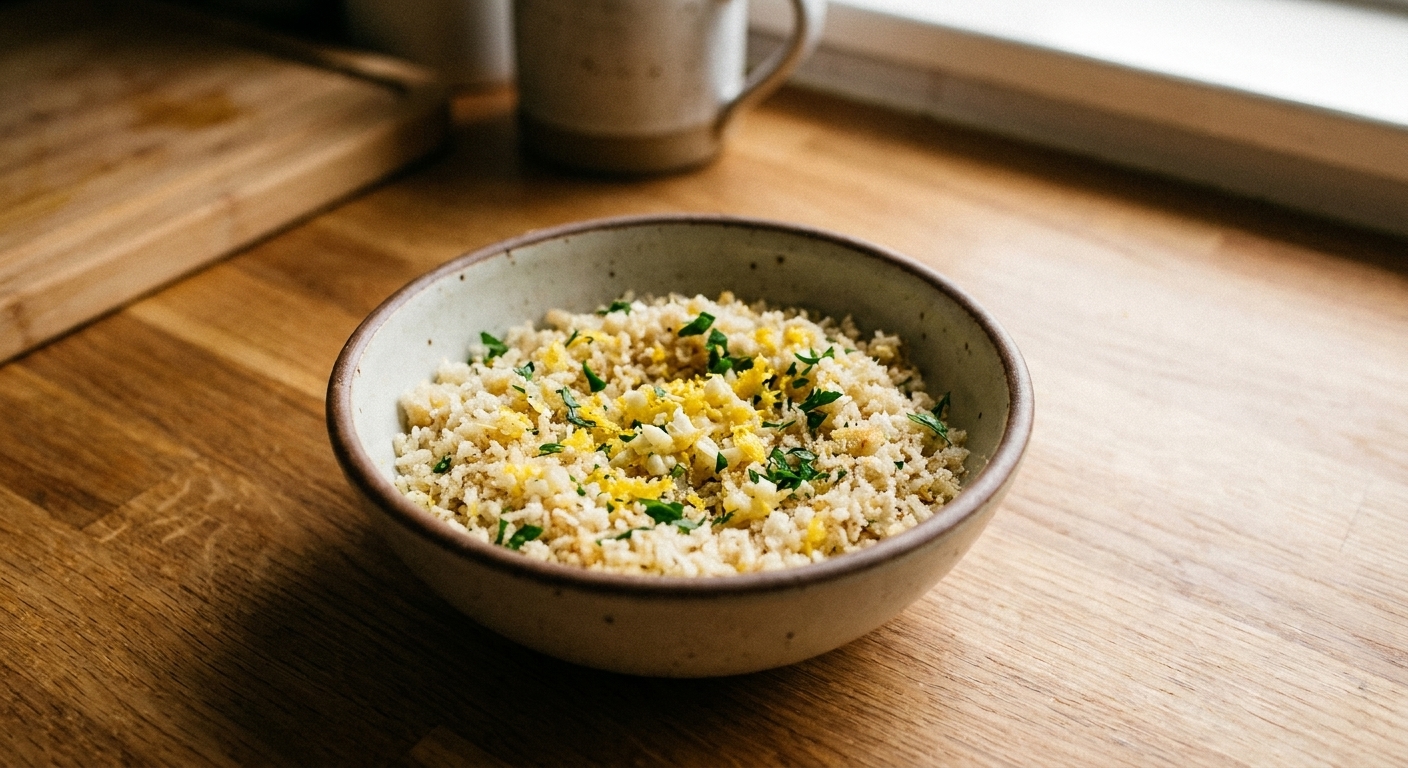
You can mix the breadcrumb topping up to 2 days ahead and keep it refrigerated. For best texture, assemble and bake right before serving.
Why are my baked scallops watery?
Common causes are scallops not dried enough, overcrowding the baking dish, or using a lower oven temperature. Stick to a hot oven, use a shallow dish, and give them space.