Mom's Best Recipes
Recipe

Beer Batter Fish

Golden, crisp beer-battered fish with a light coating and flaky inside, made with simple ingredients and beginner-friendly frying tips.

Author By Matt Campbell
4.8
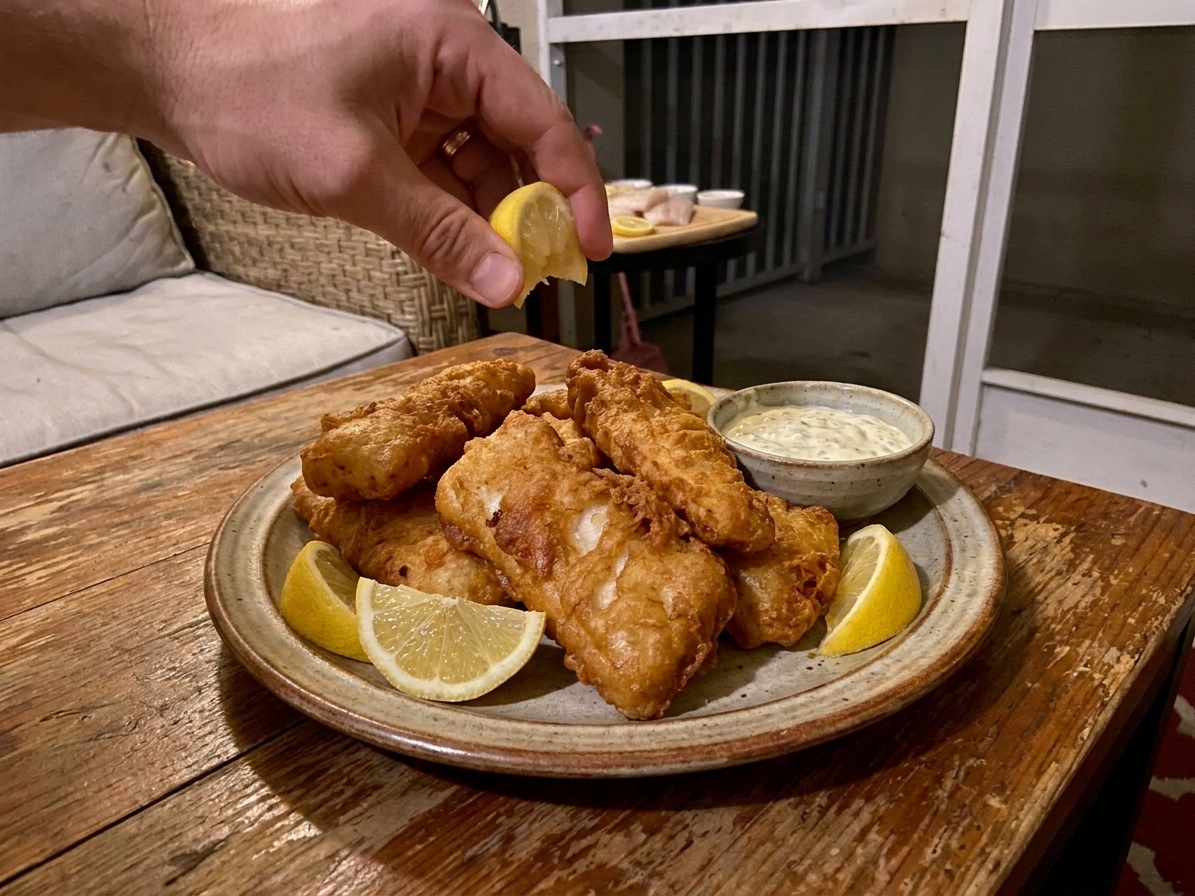
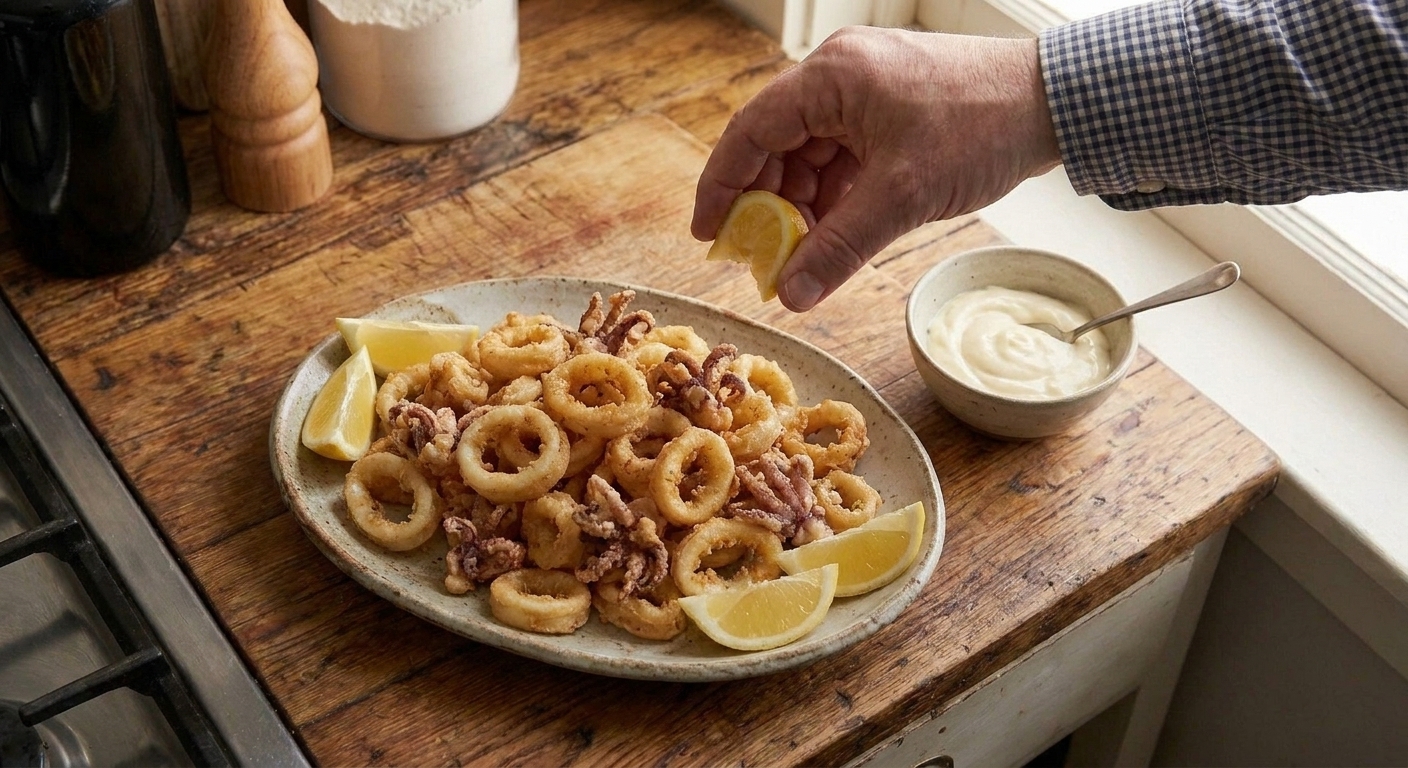
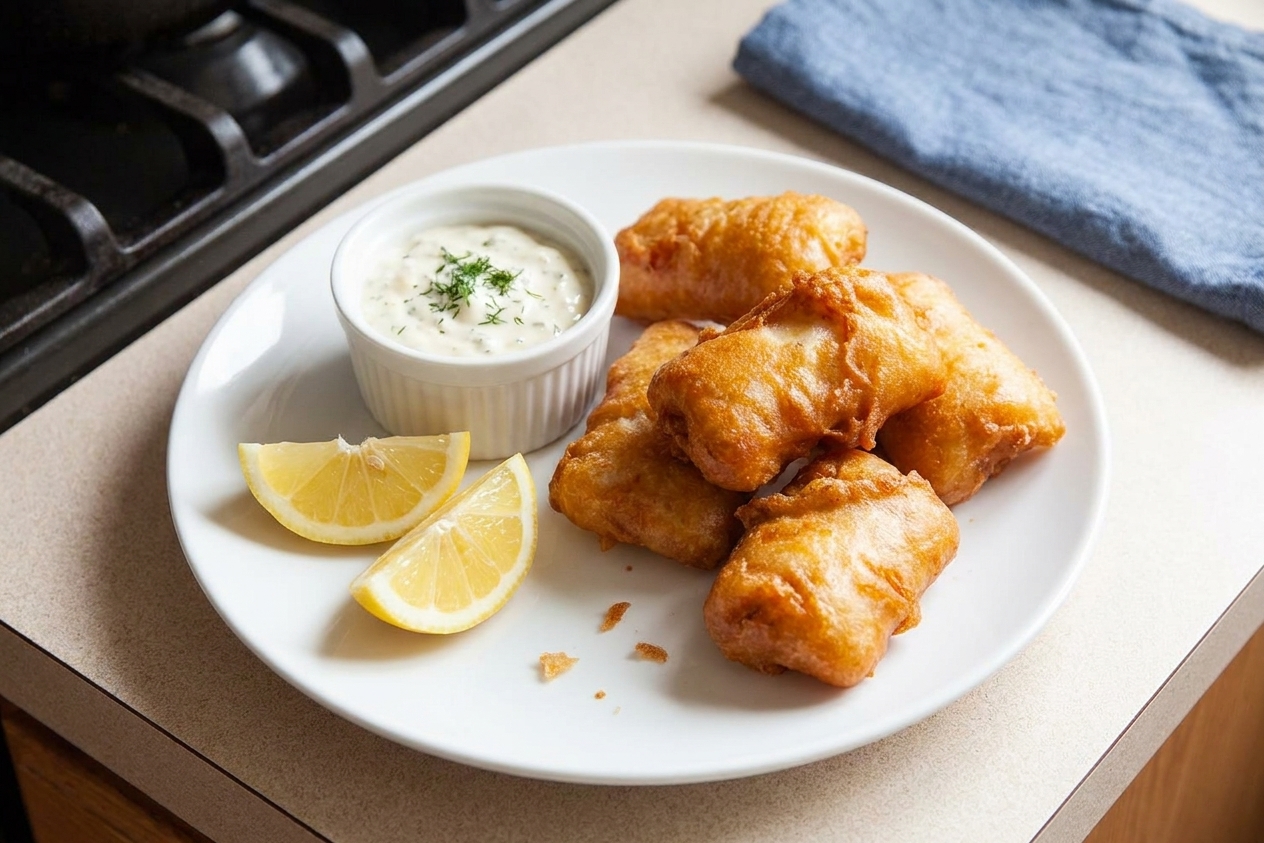
A platter of beer-battered fish with lemon wedges and a small bowl of tartar sauce on a kitchen table

Beer batter fish is one of those recipes that feels like a treat, but it is secretly just a few smart moves repeated in the right order. Cold batter, hot oil, dry fish. That is the whole spell.

This version goes for a light, shattery crust that actually tastes seasoned, not just fried. It works with cod, haddock, pollock, even tilapia if that is what your store has. And yes, you can absolutely do it on a random weeknight as long as you promise me you will not walk away from the stove.

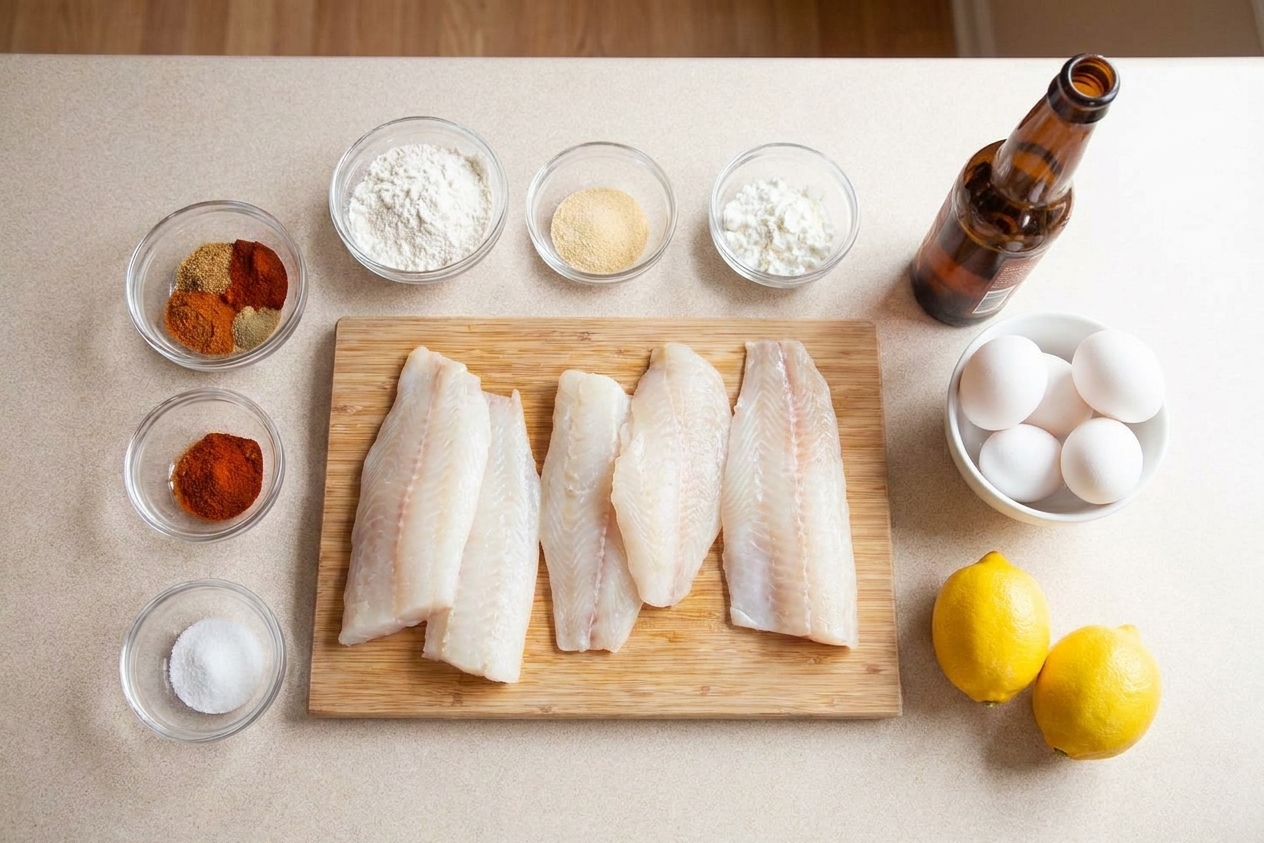
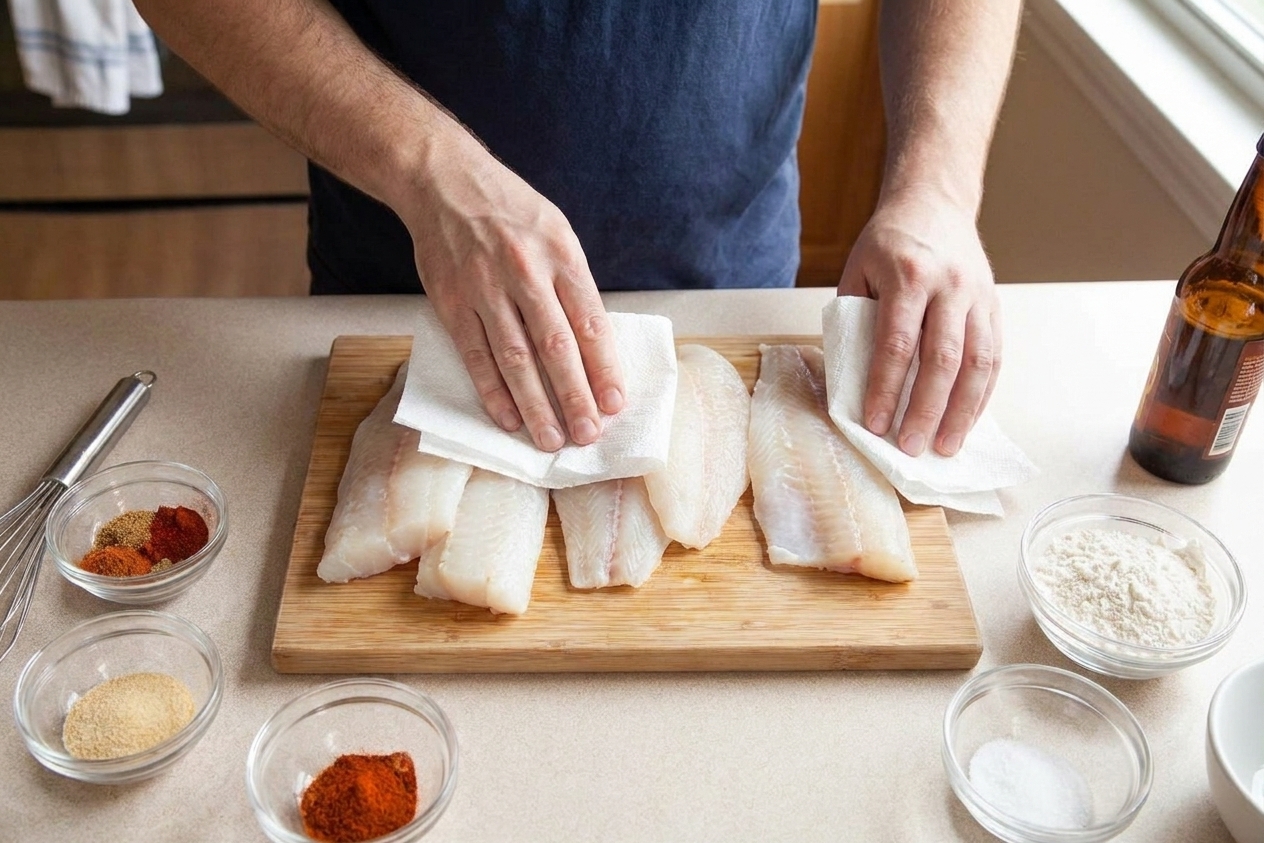
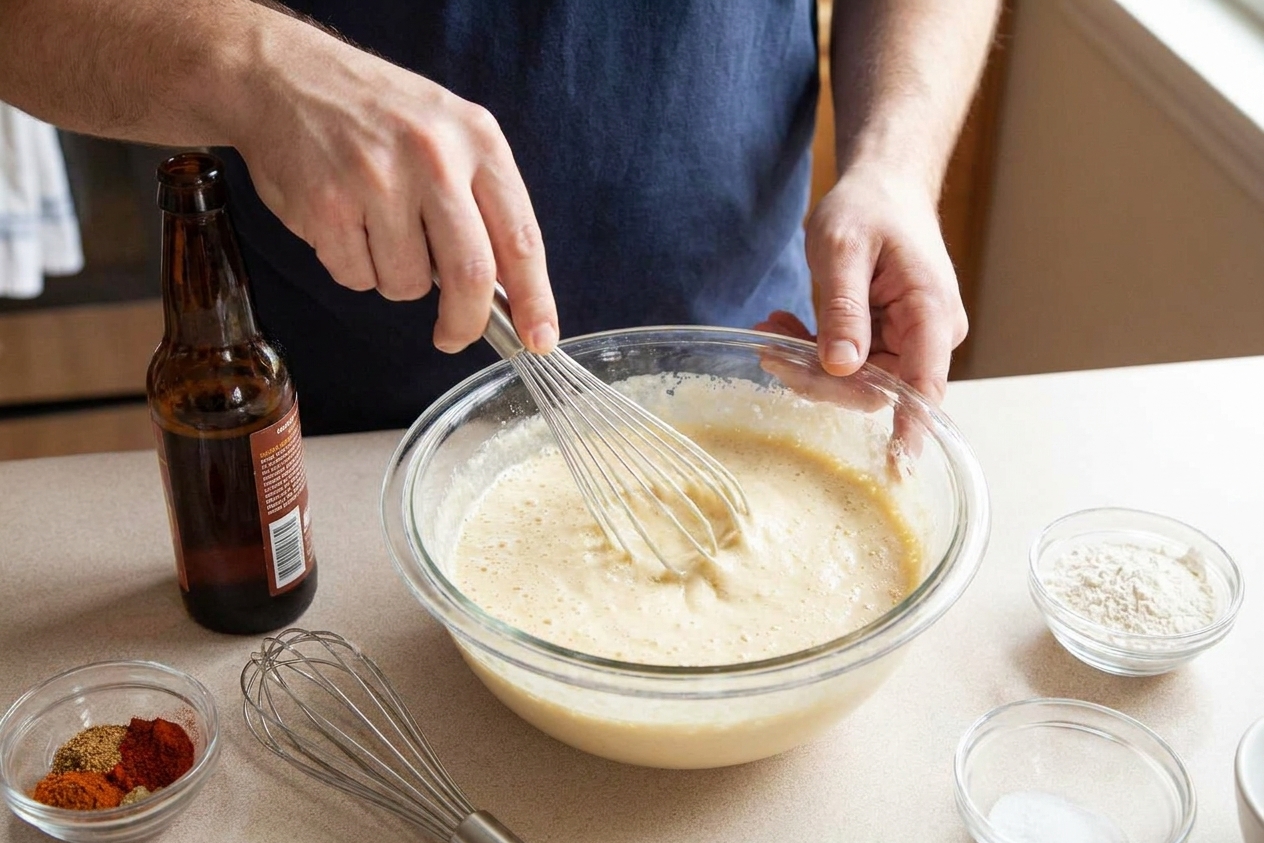
Ingredients for beer-battered fish on a kitchen counter, including flour, cornstarch, spices, eggs, beer, lemons, and fish fillets

Why It Works

  • Crispy coating that stays light: A mix of all-purpose flour and cornstarch gives you that airy crunch instead of a bready jacket.
  • Flavor baked in: Seasoning goes in the batter and on the fish, so every bite tastes like something.
  • Less greasy results: Proper oil temperature means the batter fries fast and does not soak.
  • Flexible fish options: Use what is affordable and fresh, just keep the pieces similar in thickness.
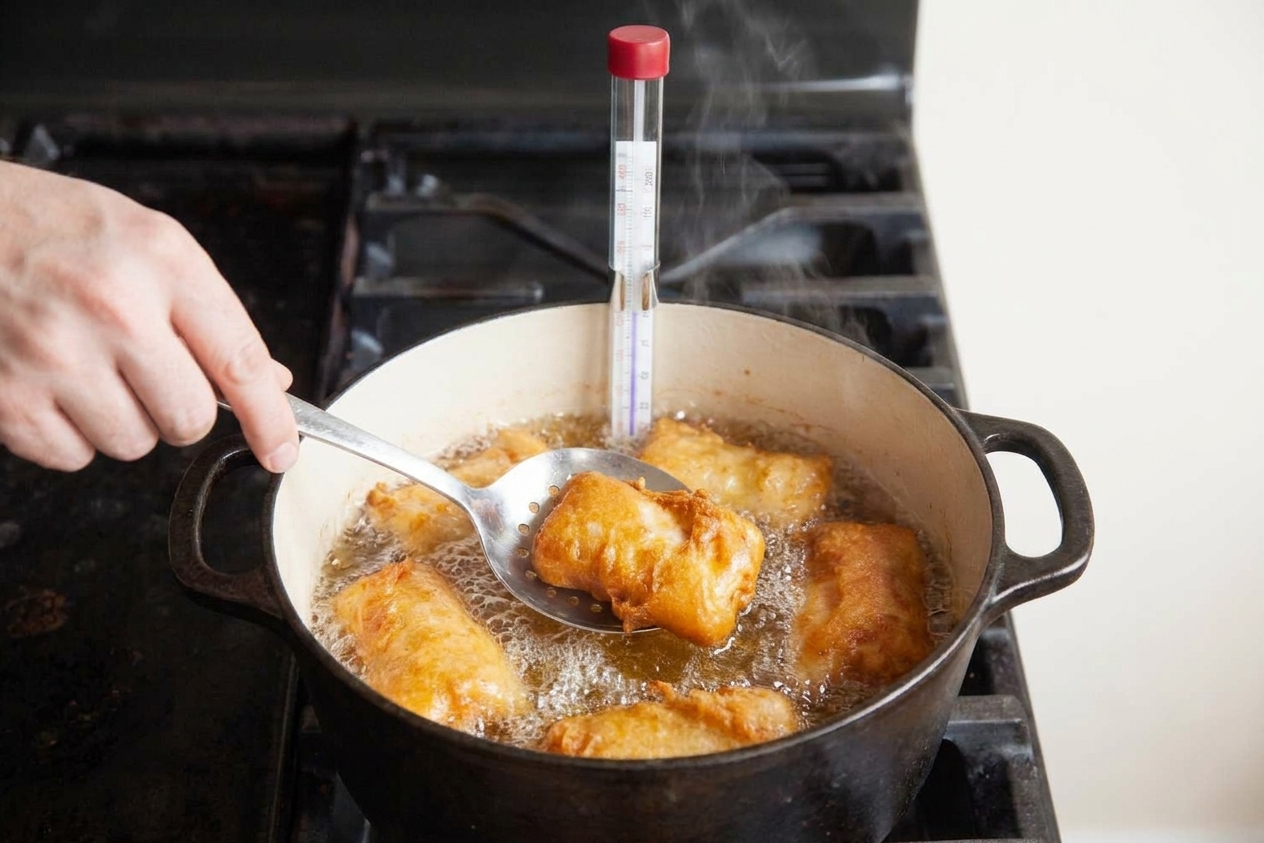
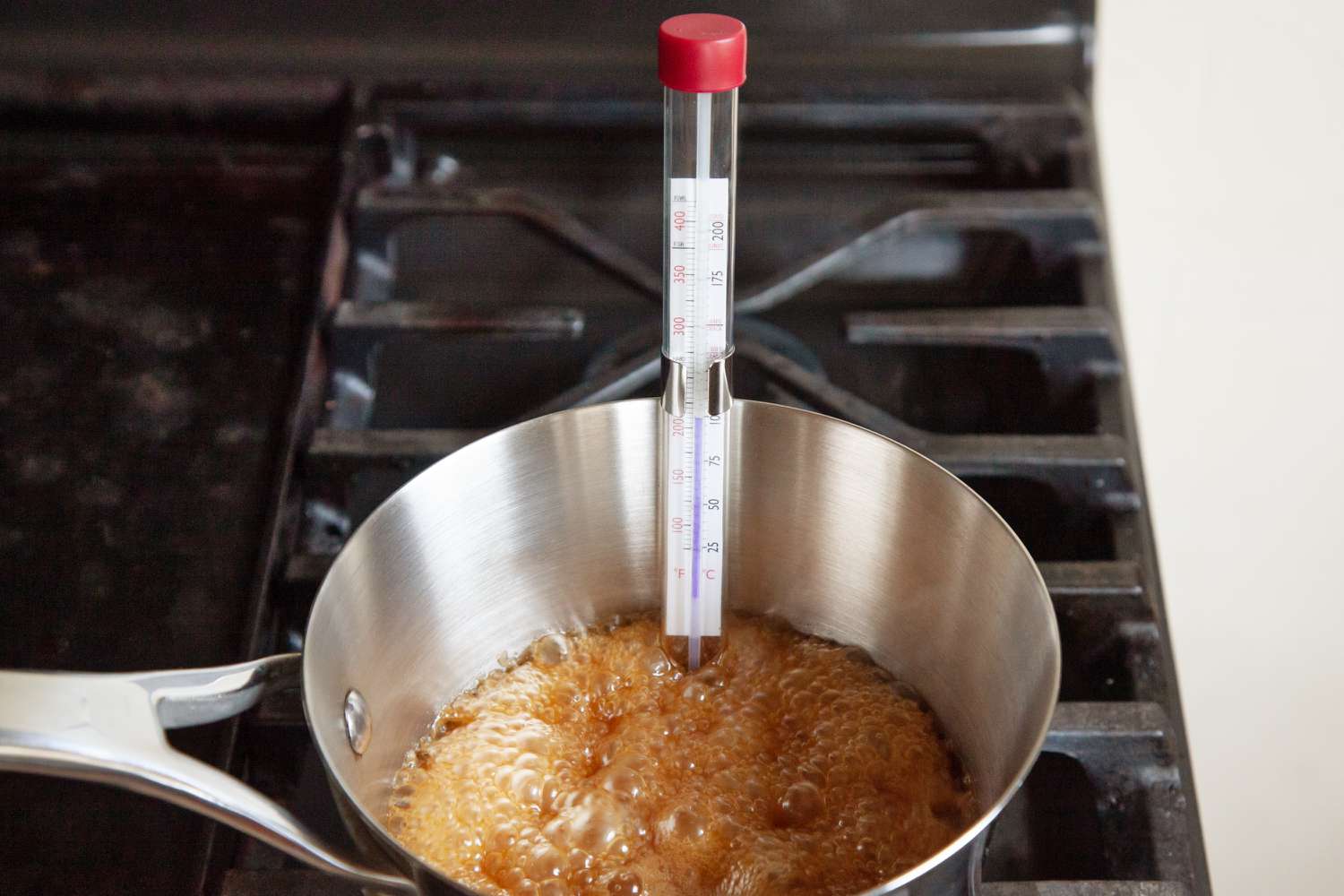
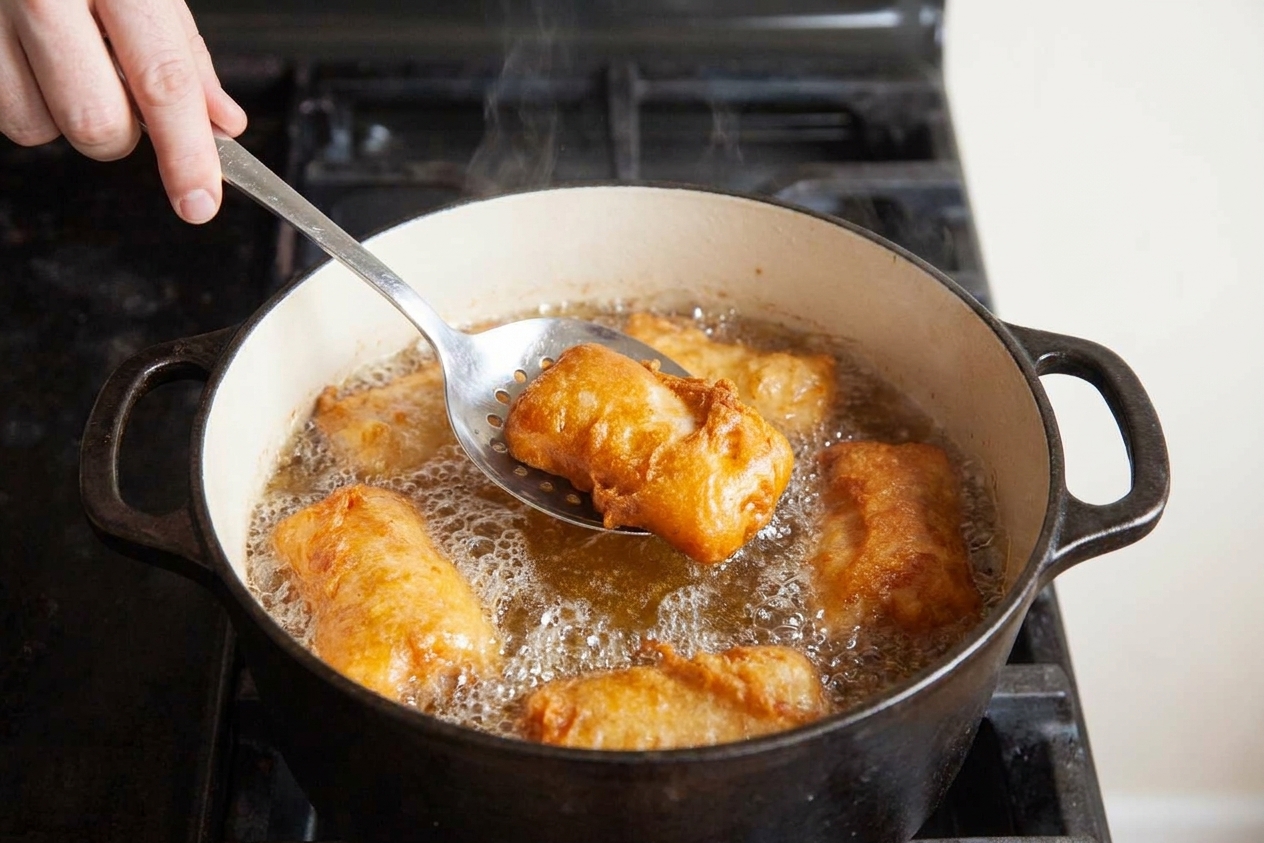
Fish fillets frying in bubbling oil in a deep pot on a stovetop, with a thermometer clipped to the side

Pairs Well With

Storage Tips

Beer-battered fish is at its best right after frying, but leftovers can still be solid if you reheat them the right way.

Fridge

  • Cool completely, then store in an airtight container lined with paper towels.
  • Refrigerate up to 2 days.

Reheat (best method)

  • Oven or air fryer: Reheat at 400°F until hot and crisp, about 8 to 12 minutes depending on thickness.
  • Set on a rack if you have one so the bottom stays crisp.

What to avoid

  • Microwave: It will steam the crust and make it sad.

Freezing

You can freeze it, but the coating loses some magic. If you do: freeze in a single layer until firm, then bag it. Reheat from frozen at 425°F until crisp and hot, about 15 to 18 minutes.

Common Questions

What beer is best for beer batter fish?

A light lager or pilsner is the easiest, most crowd-pleasing choice. IPAs can make the batter taste bitter, and dark beers can make it heavier. That said, a stout or porter can be delicious if you want a deeper flavor and darker color. Use whatever you would actually drink. Flat beer works fine too.

Do I have to use beer?

No. Substitute club soda or seltzer for a similar light texture. You still want it cold.

Why does my batter fall off the fish?

Usually one of these: the fish was wet, the batter was too thin, or the oil was not hot enough. Pat the fish very dry, dust with flour before battering, and keep the oil at 350°F to 365°F.

How do I know when the fish is done?

The coating should be deep golden and the fish should flake easily and look opaque. For the most reliable check, use a thermometer and cook to 145°F in the thickest part.

Can I bake beer-battered fish instead of frying?

Traditional wet batter does not bake well because it needs hot oil to set instantly. For oven cooking, you will get better results with a panko crust. If you really want to avoid frying, consider pan-frying with a thinner coating instead.

What oil should I use?

Use a neutral, high-heat oil like canola, vegetable, peanut, or refined avocado oil. (Unrefined avocado oil can smoke sooner, so check the label if that is what you have.)

I wanted a culinary degree when I started out, but I learned pretty quickly that the real education happens when you are standing at a stove trying to make something come out right with what you have. Beer-battered fish is exactly that kind of lesson. The first time I made it, I treated the batter like pancake mix and wondered why it slid right off the fillet. Turns out the difference between “meh” and “okay wow” is not fancy technique. It is cold batter, hot oil, and the patience to let the crust set before you touch it.