Mom's Best Recipes
Recipe

Best Pork for Stir Fry

The right cut plus a simple marinade equals tender pork with crisp edges and a glossy, weeknight-fast sauce.

Author By Matt Campbell
4.8
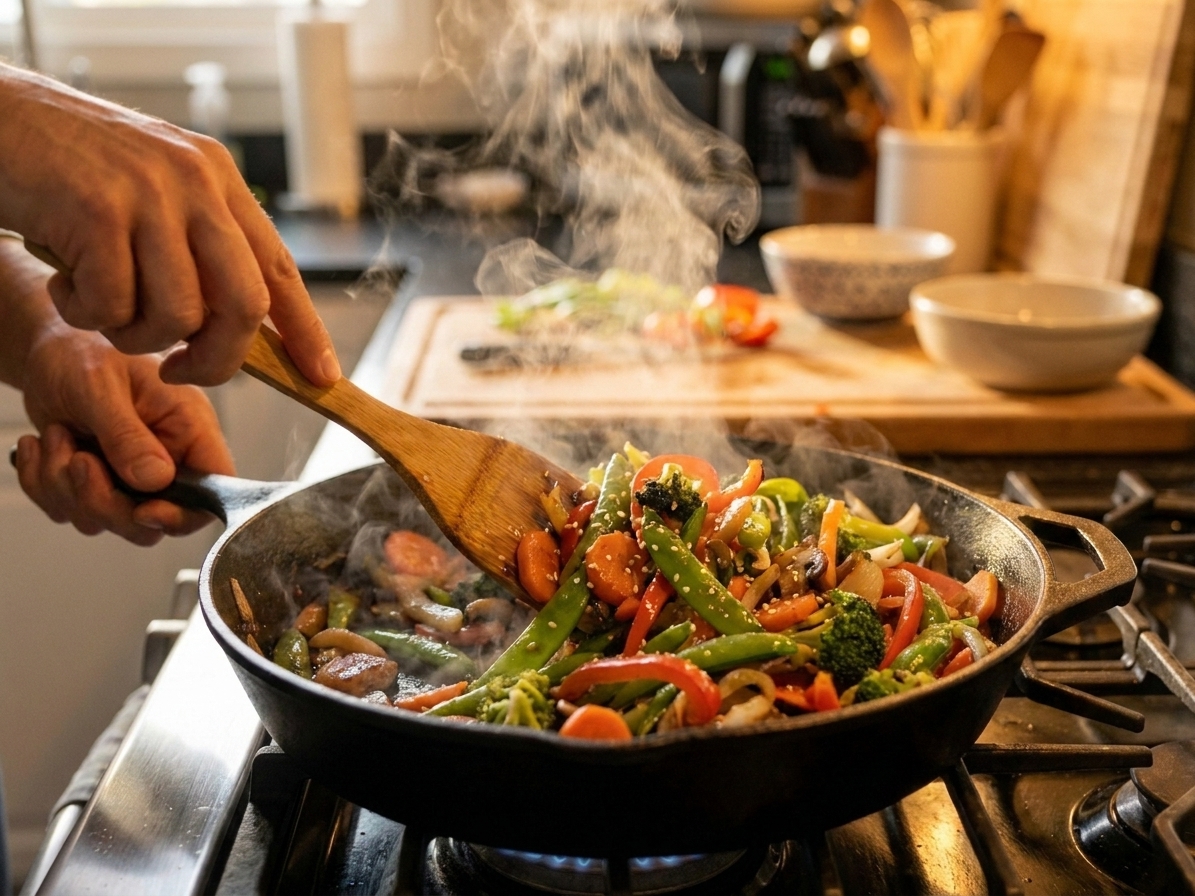
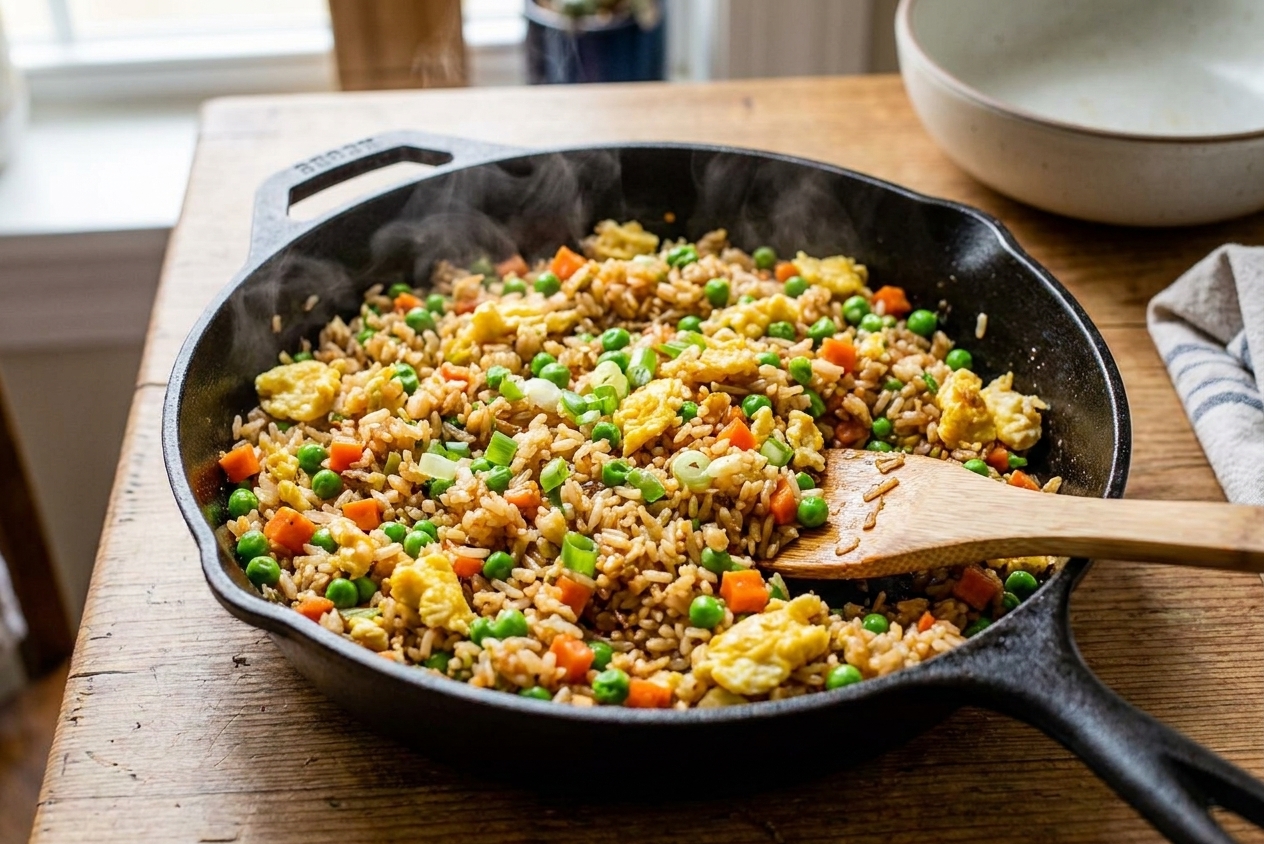
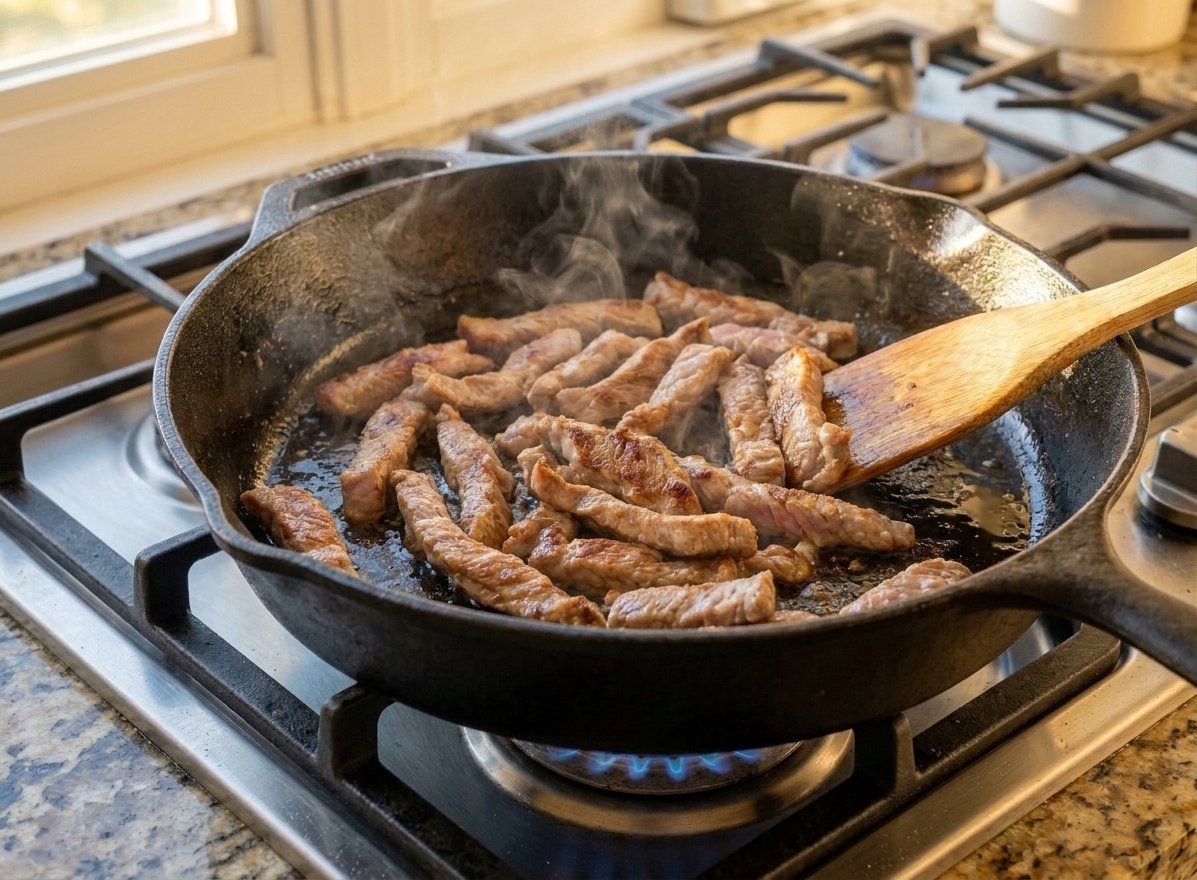
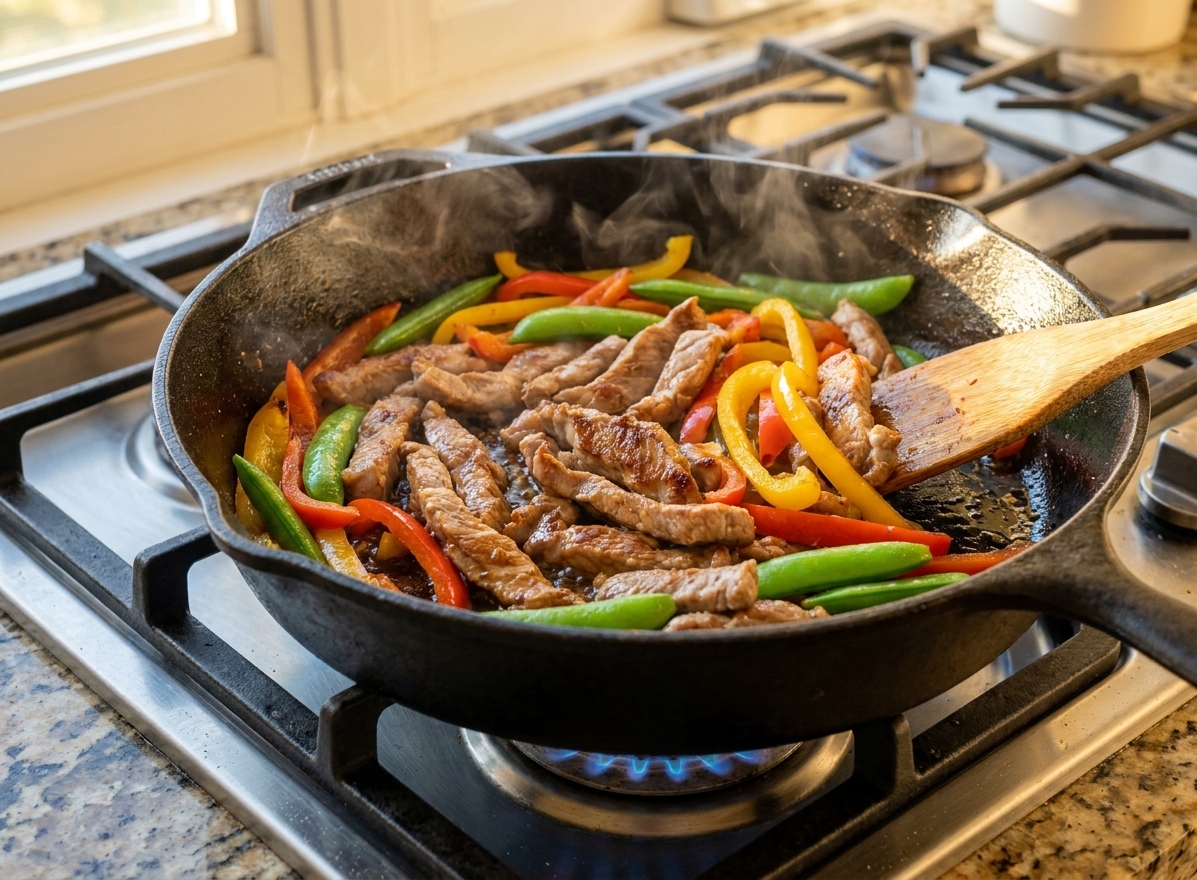
A cast iron skillet on a home stove with thinly sliced pork browning alongside colorful bell peppers and snap peas, steam rising in warm kitchen light

Pork stir fry is one of those weeknight wins that can taste like you actually tried, even if dinner happened in the time it takes your rice cooker to do its thing. The catch is the pork. Use the wrong cut or slice it the wrong way and you get chewy little strips that make everyone suddenly interested in drinking water.

Here is the good news. Stir fry pork does not need to be fancy or expensive. You just need a cut that stays juicy over high heat, a quick marinade that helps protect the meat, and a slicing trick that turns “tough” into “tender.” I will walk you through the best pork for stir fry, then give you a reliable recipe you can use with whatever vegetables are hanging out in your fridge.

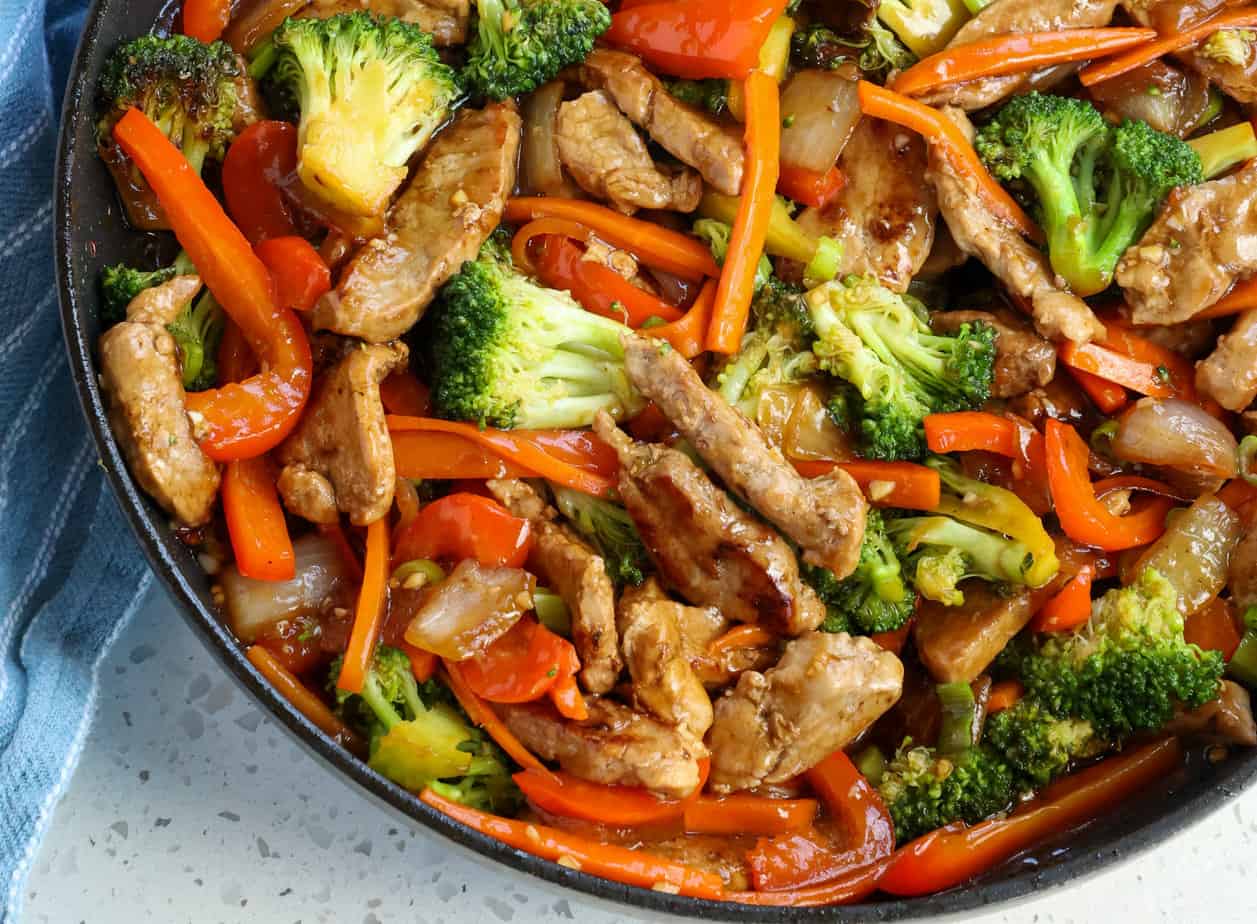
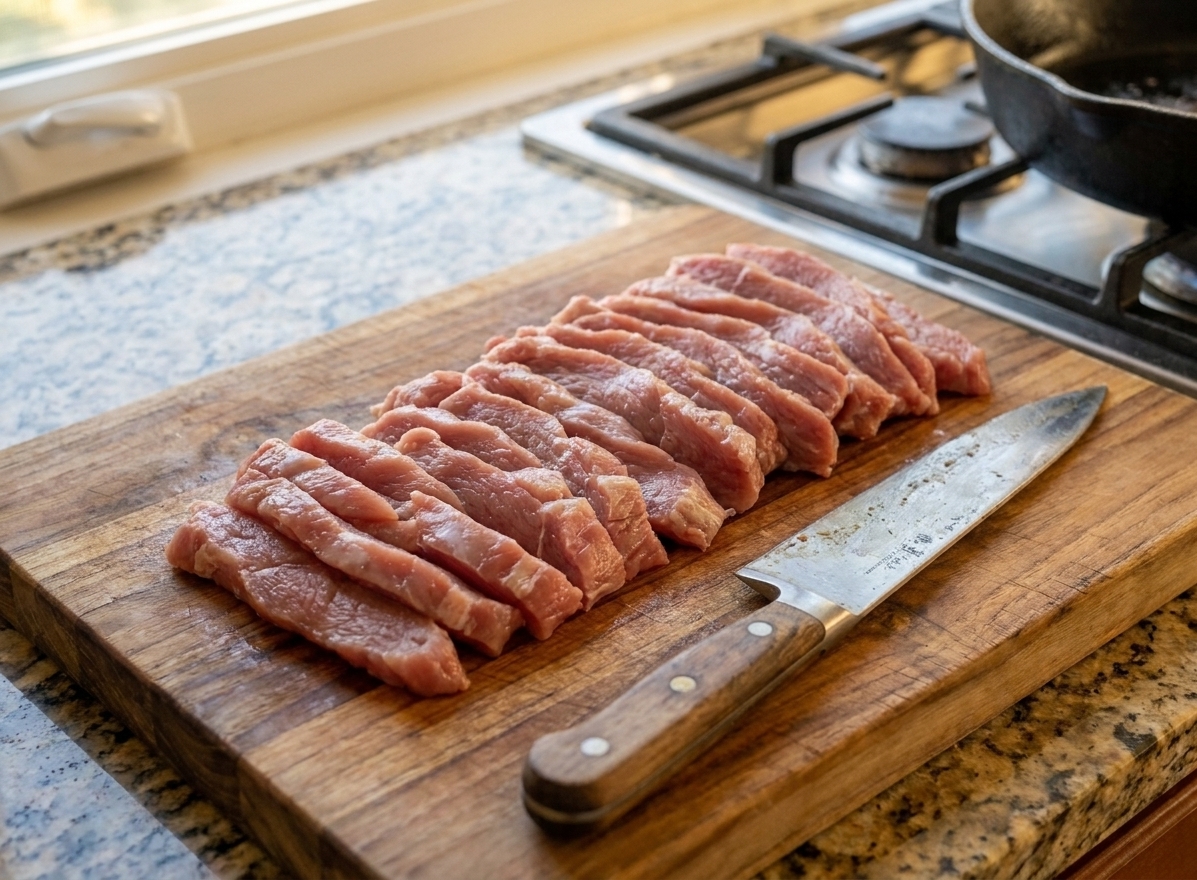
A wooden cutting board on a kitchen counter with sliced pork, soy sauce, cornstarch, garlic, ginger, and bowls of prepped vegetables ready for stir fry

Why It Works

  • Tender pork, not rubber bands: A simple soy, cornstarch, and oil marinade helps the meat stay silky under high heat.
  • Fast cooking with crisp edges: Thin slicing and a quick sear gives you browning before the pork dries out.
  • Flexible flavor: The sauce is balanced and adaptable. Make it sweeter, spicier, or extra garlicky without breaking it.
  • Weeknight friendly: One pan, minimal prep, and it plays nicely with rice, noodles, or a pile of crunchy cabbage.

Pairs Well With

Storage Tips

Refrigerate: Cool leftovers fast, then store in an airtight container for up to 4 days.

Freeze: Freeze in a flat layer in a zip-top bag for up to 2 months for best quality. The texture is best if you freeze the pork and sauce together, then add fresh vegetables when reheating if you want more crunch.

Reheat: Warm in a skillet over medium heat with a small splash of water or broth to loosen the sauce. Microwave works too, but do it in short bursts so the pork does not overcook.

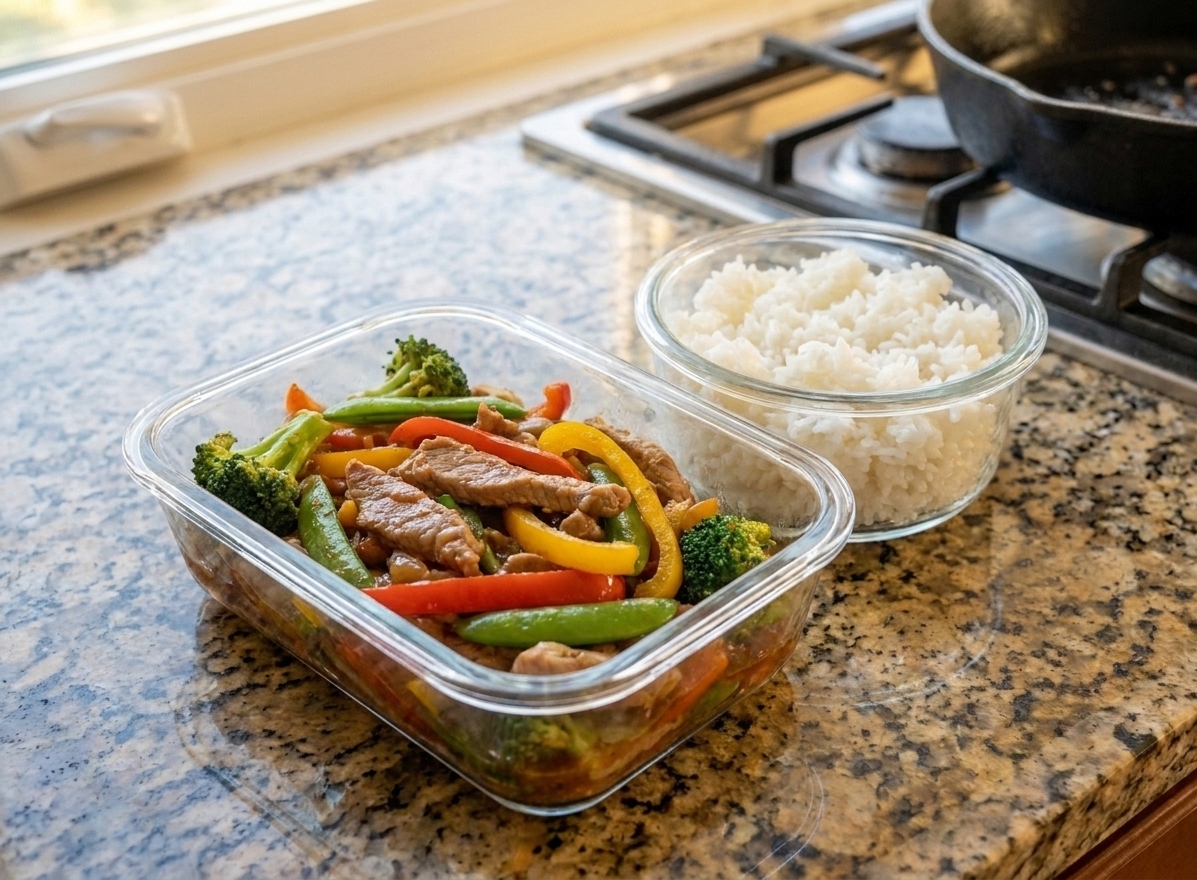
A glass meal prep container filled with pork stir fry and vegetables next to a small container of rice on a clean kitchen counter

Common Questions

What is the best cut of pork for stir fry?

Pork tenderloin is my top pick because it stays tender and cooks quickly. Pork loin also works, but it is leaner and can dry out faster, so slice it extra thin and cook it a touch less. If you want richer flavor, boneless pork shoulder can be great, but it needs thin slicing and a little more attention so it does not turn chewy.

Can I use pork chops for stir fry?

Yes. Choose boneless pork chops and slice them very thin across the grain. If they are super lean, do not skip the cornstarch in the marinade. It helps the pork stay tender, but it cannot rescue you from overcooking.

How do I slice pork thin for stir fry without shredding it?

Put the pork in the freezer for 15 to 25 minutes until it feels firm but not frozen solid. Then slice with a sharp knife. You will get cleaner, thinner strips with way less struggle.

Do I cook pork before the vegetables?

Yes. Sear pork first to get browning, then pull it out. Cook vegetables next, then return pork to the pan at the end so it stays juicy.

How do I keep pork from getting tough in a stir fry?

Three things: slice thin, marinate with cornstarch, and do not overcook. For whole cuts of pork, 145°F is the safe minimum (with a short rest). Thin stir-fry strips can hit that temperature fast, so the bigger goal is to cook just until the pork is no longer translucent and then get it out of the pan.

What vegetables work best with pork stir fry?

Anything that cooks quickly: bell peppers, broccoli, snap peas, green beans, mushrooms, zucchini, carrots (thin sliced), and shredded cabbage. If you are using harder veggies like broccoli or carrots, slice them thin or blanch quickly so they keep up.

What can I use instead of oyster sauce?

If you do not have oyster sauce, use hoisin for a sweeter vibe, or try mushroom oyster sauce for a vegetarian option. In a pinch, mix a little extra soy sauce with a bit of honey or brown sugar to get you in the same neighborhood.

I learned the hard way that “stir fry” does not mean “anything sliced vaguely and tossed in a pan.” In my early kitchen days I would grab whatever pork was on sale, hack it into chunky strips, and wonder why it chewed like a bad decision. The first time I tried the cornstarch marinade trick, it felt like somebody handed me a cheat code. Suddenly the pork stayed tender, the sauce clung like it meant it, and dinner tasted like the kind of takeout you keep thinking about the next day.