
Mom's Best Recipes
Recipe

Best Ramen Broth

A rich, savory, weeknight-friendly ramen broth that tastes like you babysat it all day.

Author By Matt Campbell
4.8
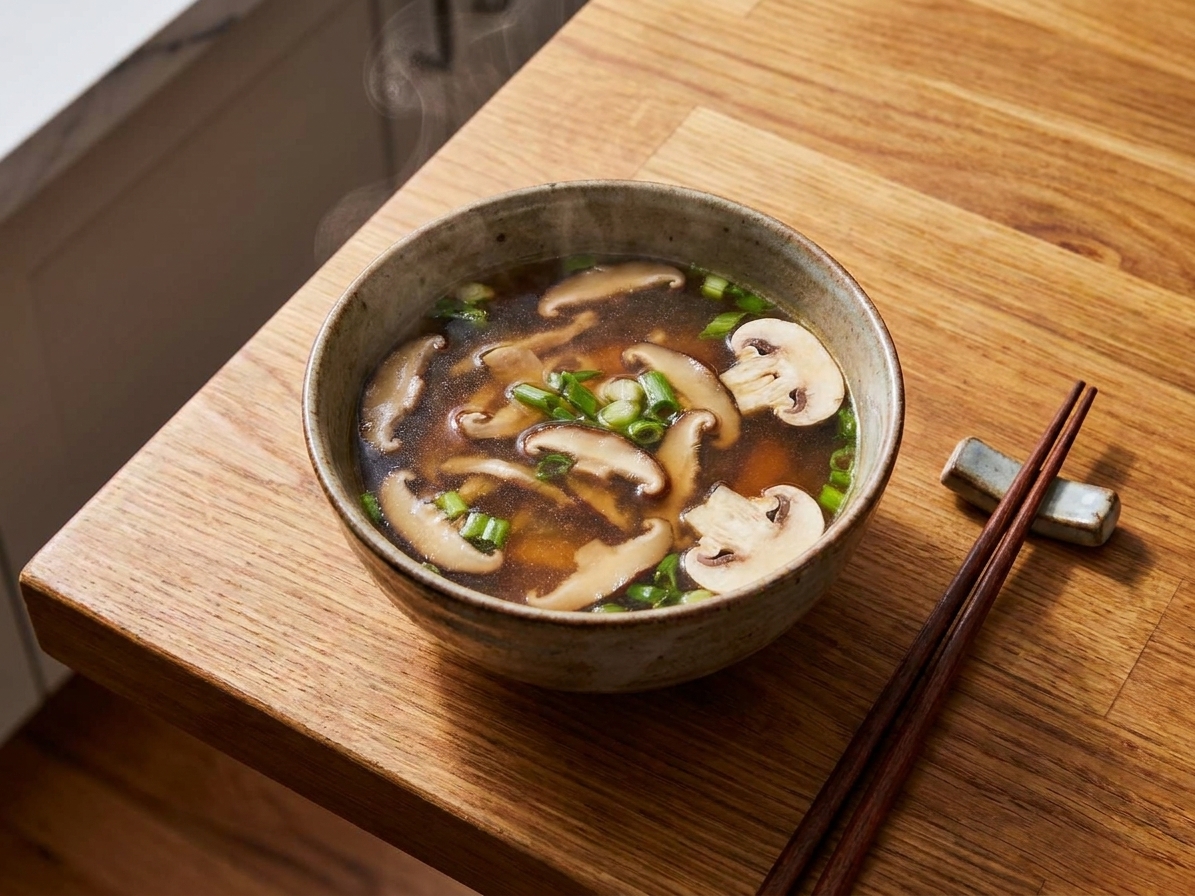
A large pot of steaming homemade ramen broth on a stovetop with a ladle resting on the rim, warm kitchen lighting

If you have ever sipped ramen broth and thought, why can I never get this at home? it usually comes down to two things: layering umami and keeping the broth balanced. This is my favorite “best ramen broth” for real life. It is bold and savory with a hint of sweetness, plenty of garlic and ginger, and that cozy body that makes noodles feel like a blanket.

No specialty bones, no all-day simmer. Just smart shortcuts, a few optional upgrades, and a broth that makes you pause mid-slurp and go, “Okay, wow.”

Why It Works

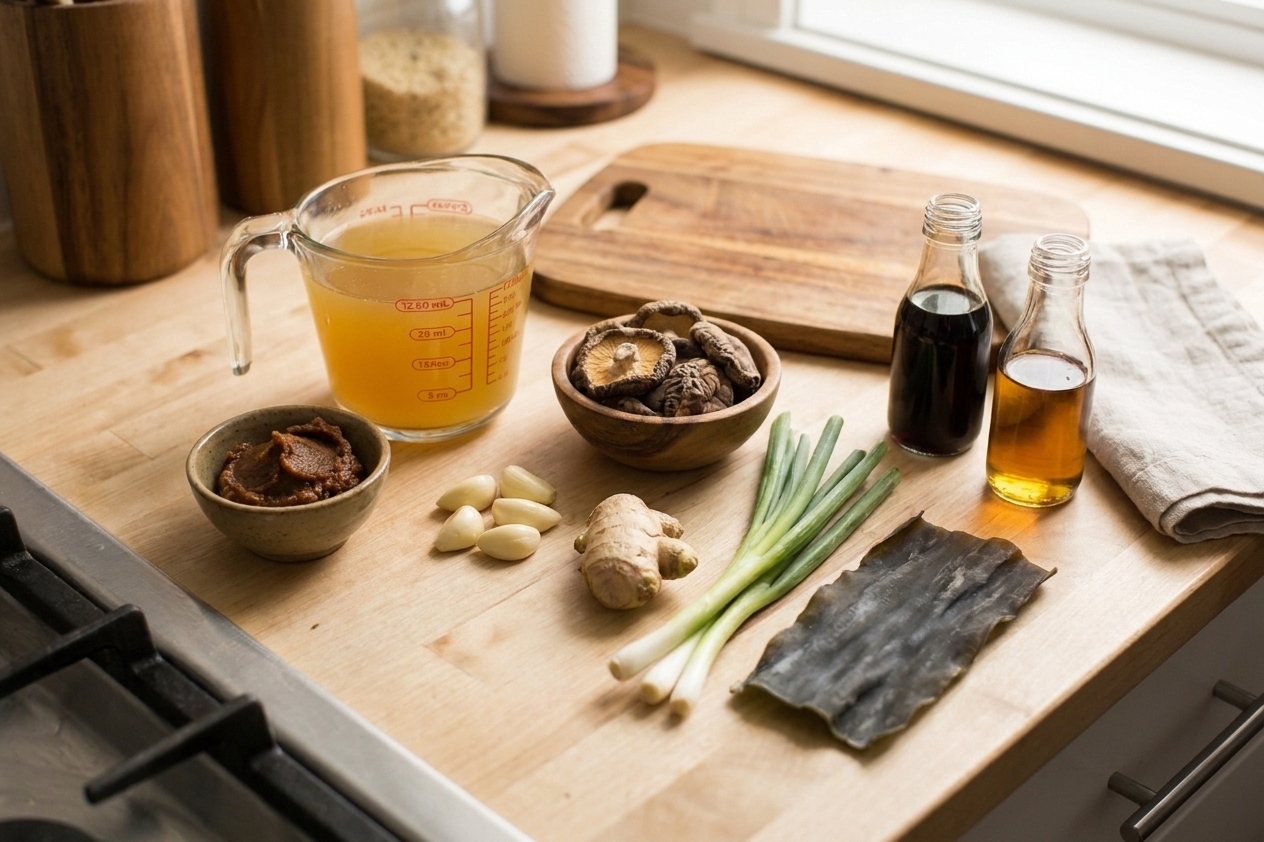
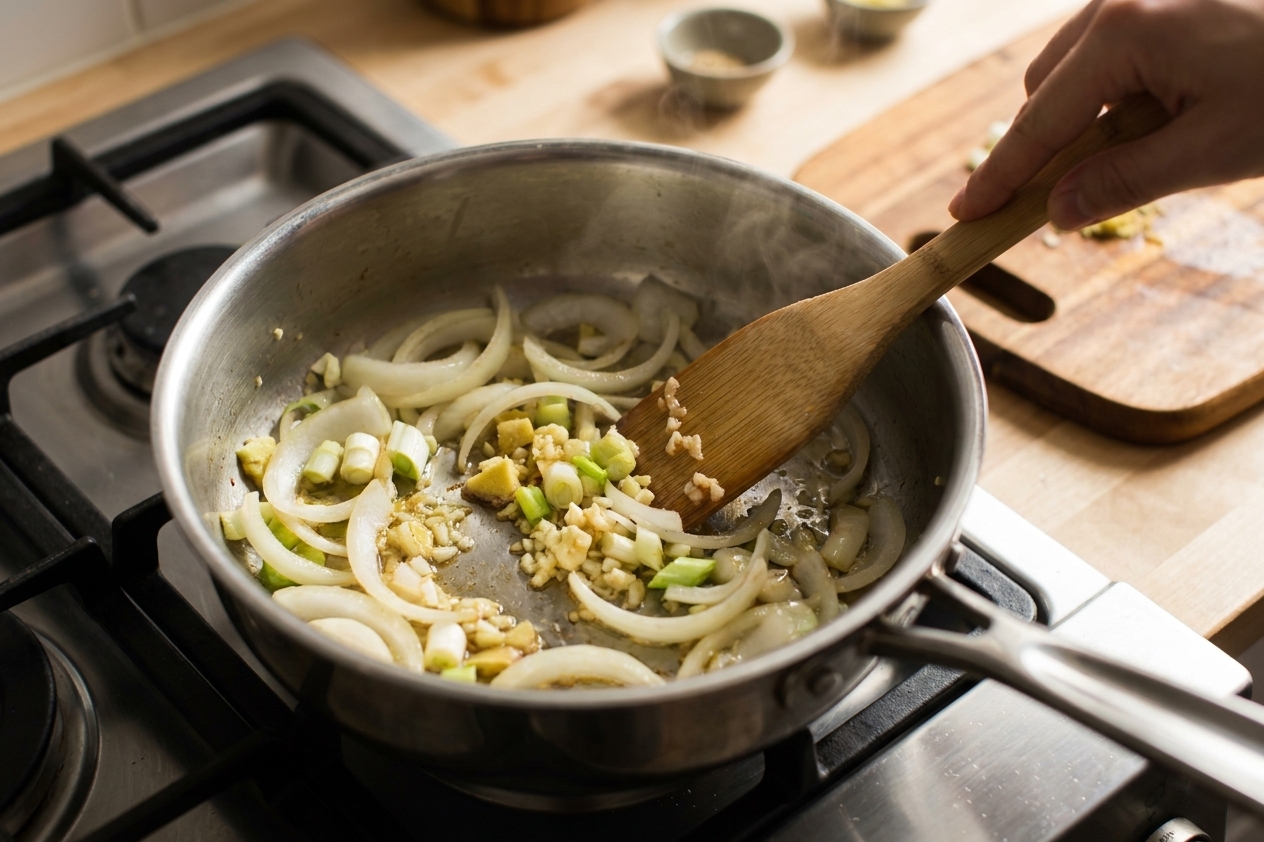
  • Big flavor, low drama: store-bought stock gets upgraded with aromatics, dried mushrooms, and seaweed for instant depth.
  • Balanced salinity: soy sauce plus miso gives savory complexity without tasting one-note salty.
  • Restaurant-style body: a small amount of chicken skin or wings (optional) and a gentle simmer gives the broth a fuller mouthfeel.
  • Flexible finish: you can steer it toward shoyu, miso, spicy, or creamy depending on what is in your fridge.

Pairs Well With

Storage Tips

Refrigerate: Cool broth quickly, then store in airtight containers for up to 4 days. If fat rises to the top, leave it. It protects the broth and tastes great.

Freeze: Freeze in pint containers or silicone soup cubes for up to 3 months. Thaw overnight in the fridge or gently on the stovetop.

For ramen night: Keep broth separate from noodles and toppings. Reheat broth to a simmer, then pour over freshly cooked noodles so everything stays springy.

Common Questions

Is ramen broth just chicken stock?

Stock is the starting line. Great ramen broth adds aroma (garlic, ginger, scallion), umami (miso, soy, mushrooms, kombu), and a little richness (sesame oil, chicken fat, or a splash of mirin).

Do I have to use kombu and dried mushrooms?

No, but they are the easiest way to make the broth taste “serious” without extra work. If you skip them, bump up the miso by 1 teaspoon and add an extra splash of soy sauce to taste.

Why should I remove kombu before boiling?

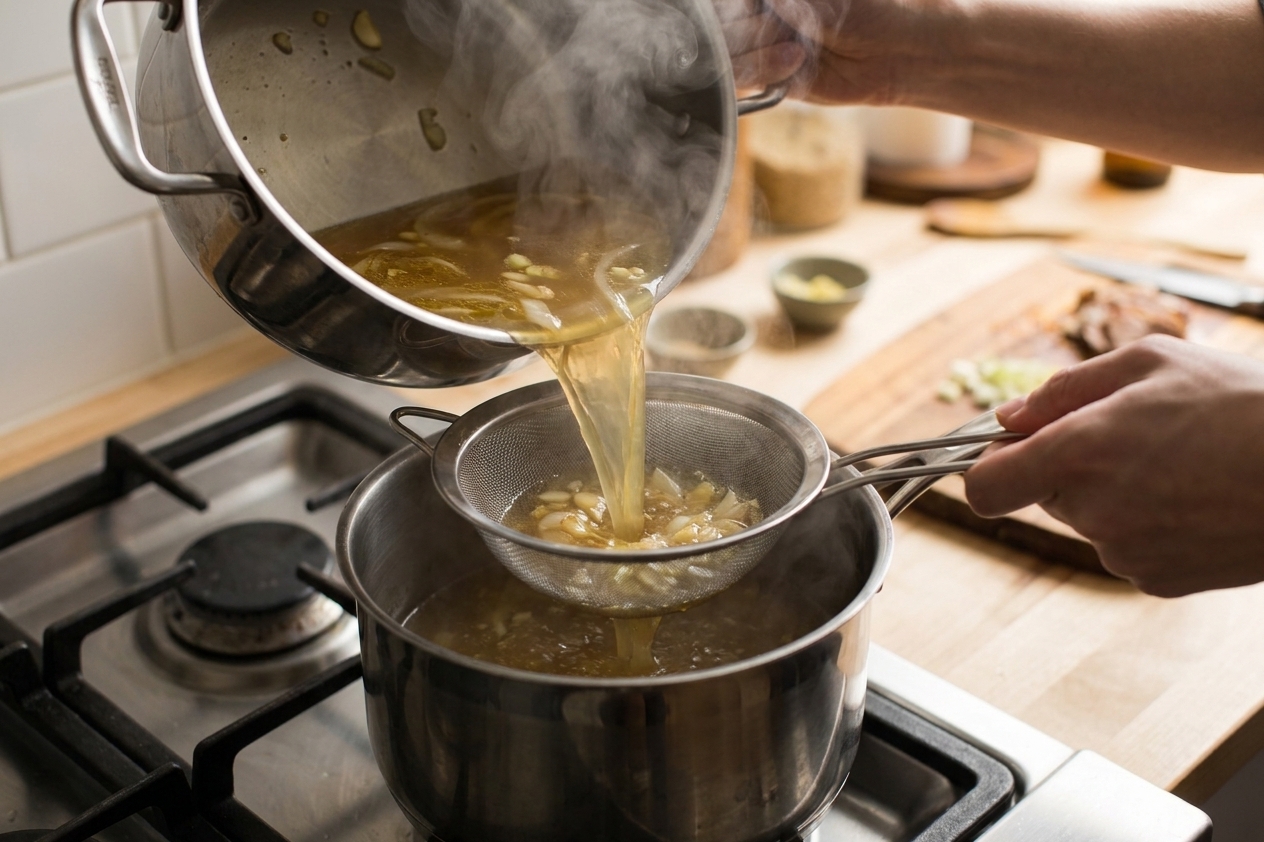
Boiling kombu can make the broth taste stronger and a little funky (some people read it as bitter or sulfur-y) and it can turn a bit slimy. Steep it gently, then pull it out once the broth is steaming hot.

Can I make this vegetarian?

Yes. Use vegetable stock and lean harder on kombu, mushrooms, and miso. Quick note: some miso pastes and bouillon bases contain fish (dashi), so check labels if you are keeping it vegetarian.

How do I fix broth that is too salty?

Add more unsalted stock or water, then re-balance with a bit more miso for body. If it still tastes salty or harsh, a tiny pinch of sugar or a small splash of mirin helps round it out. If it tastes too acidic (this can happen if you used vinegar), add a pinch of sugar and a bit more stock.

When I first started chasing “real” ramen flavor at home, I went straight for the dramatic stuff. Bones everywhere, a simmer that lasted longer than some relationships, and a sink full of dishes I did not want to talk about. This broth is the version I actually make now. It is the one that fits a Tuesday night and still tastes like you tried.