Mom's Best Recipes
Recipe

Japanese Restaurant Miso Soup

A quick, savory bowl with real dashi flavor, silky tofu, and wakame that tastes like your favorite sushi spot.

Author By Matt Campbell
4.8
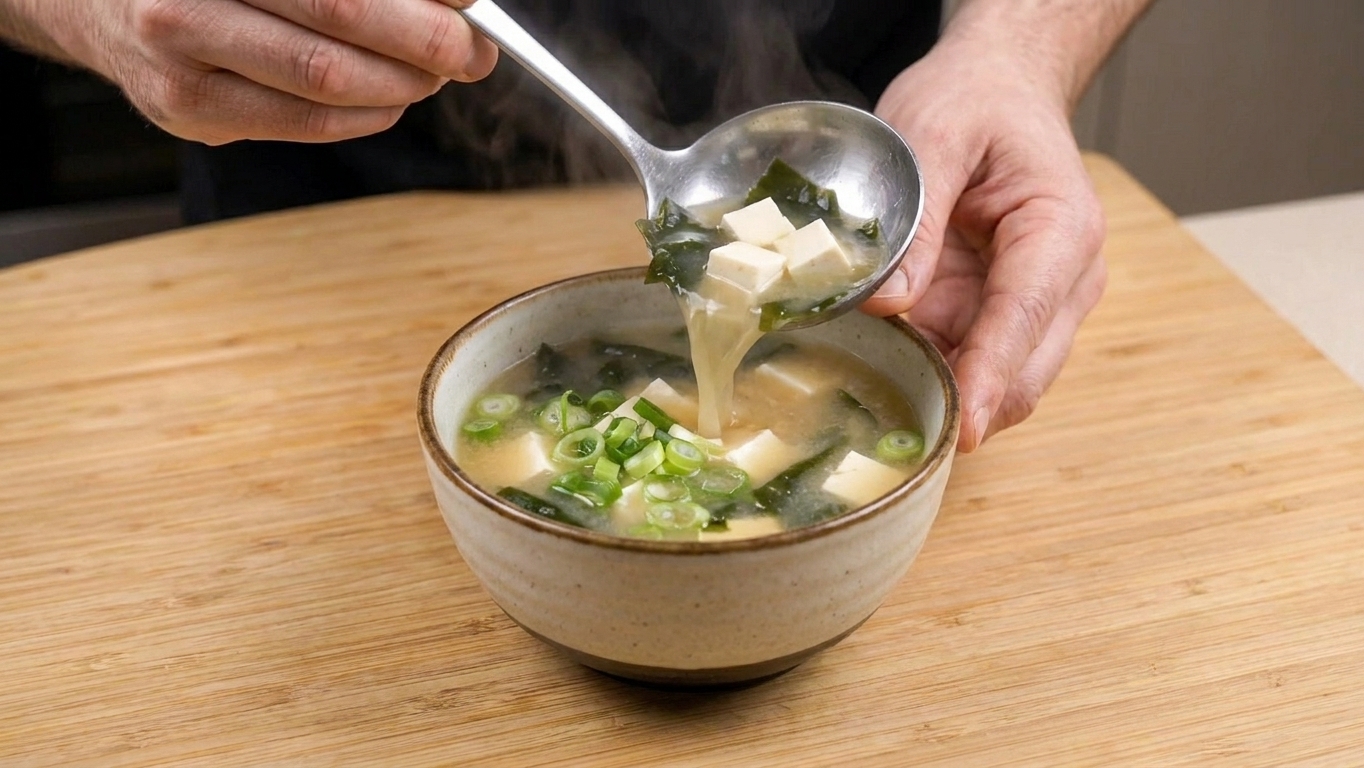
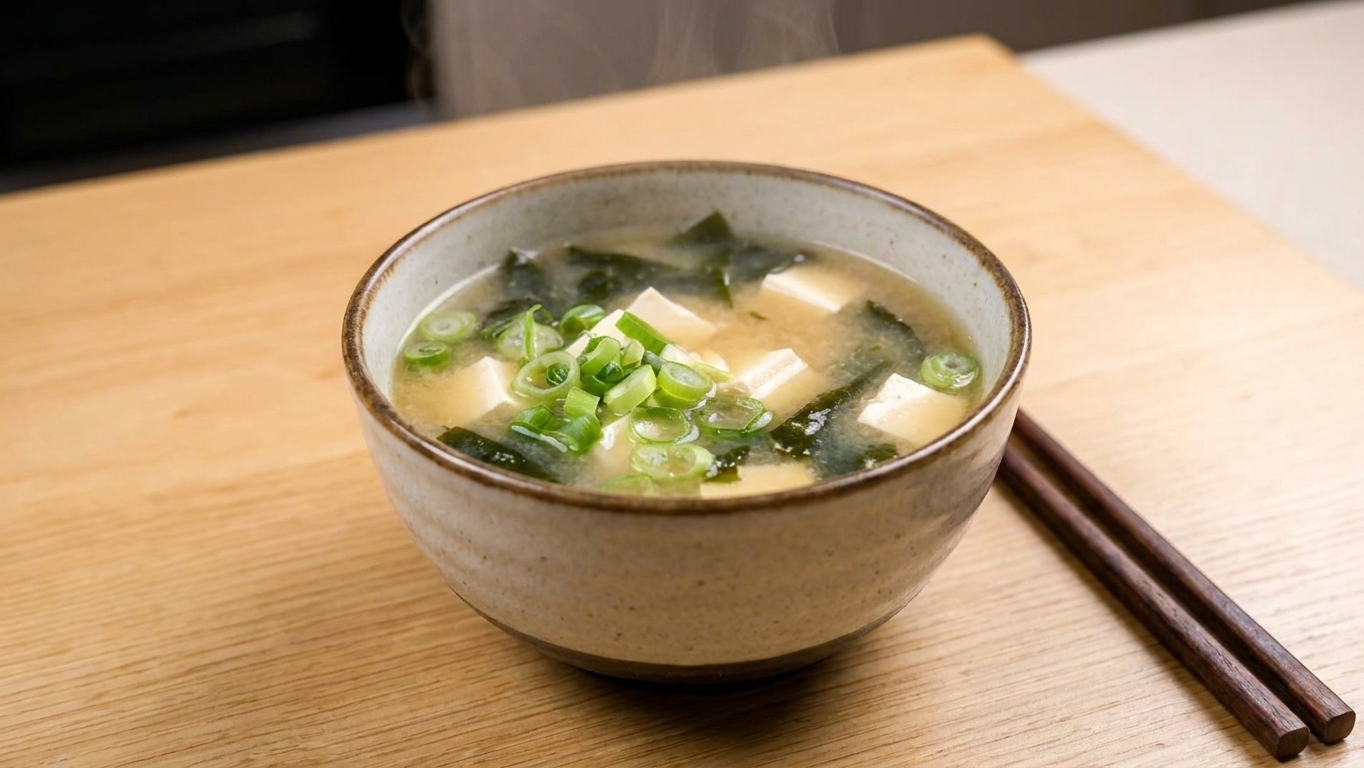
A steaming bowl of Japanese miso soup with tofu cubes, rehydrated wakame, and sliced scallions on a simple wooden table with chopsticks nearby

Restaurant miso soup has a very specific vibe. It is light but deeply savory, a little ocean-y in the best way, and somehow it makes even a random Tuesday dinner feel pulled together. The secret is not fancy technique. It is dashi, plus one simple rule: do not boil the soup after adding miso.

This version is my weeknight copycat for the classic soup you get at Japanese restaurants. You get that clean umami broth, tender tofu, and those little ribbons of wakame that taste like the sea took a shower and came back polite.
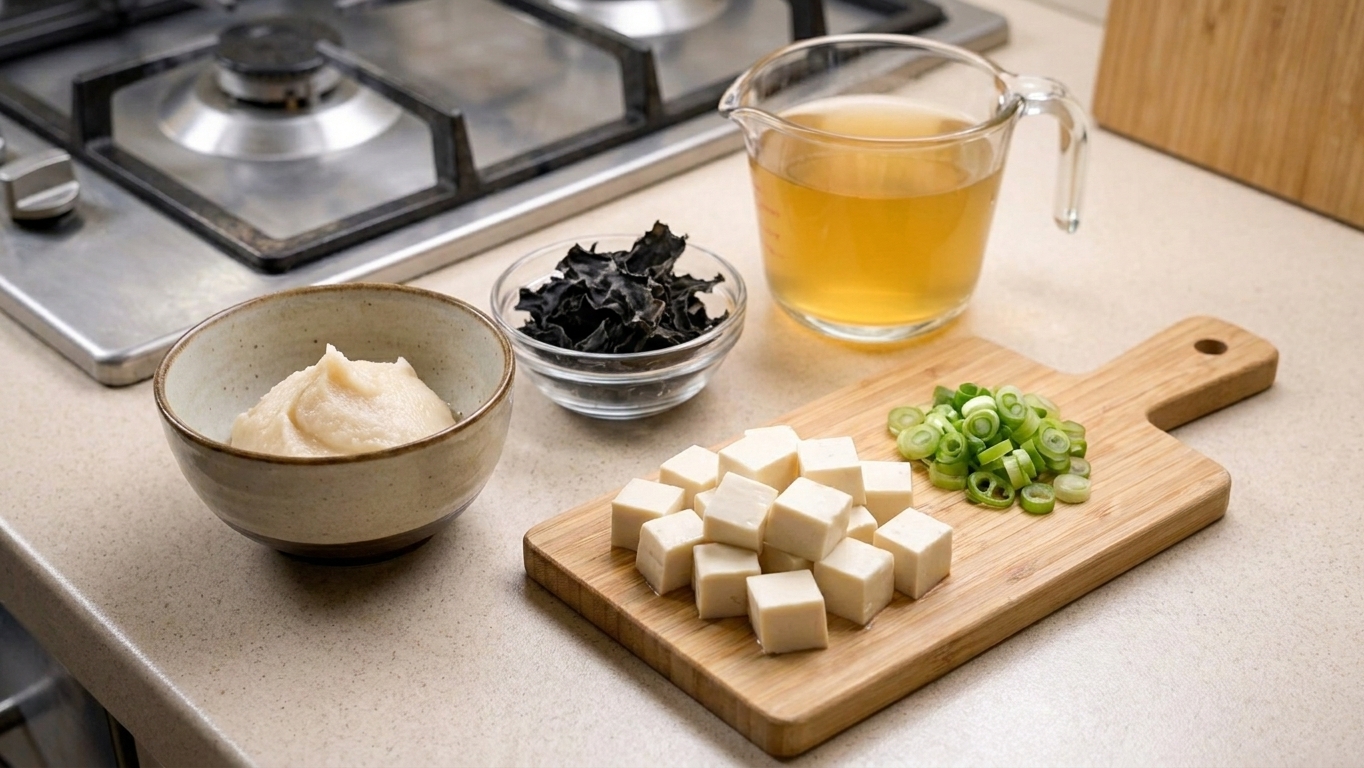
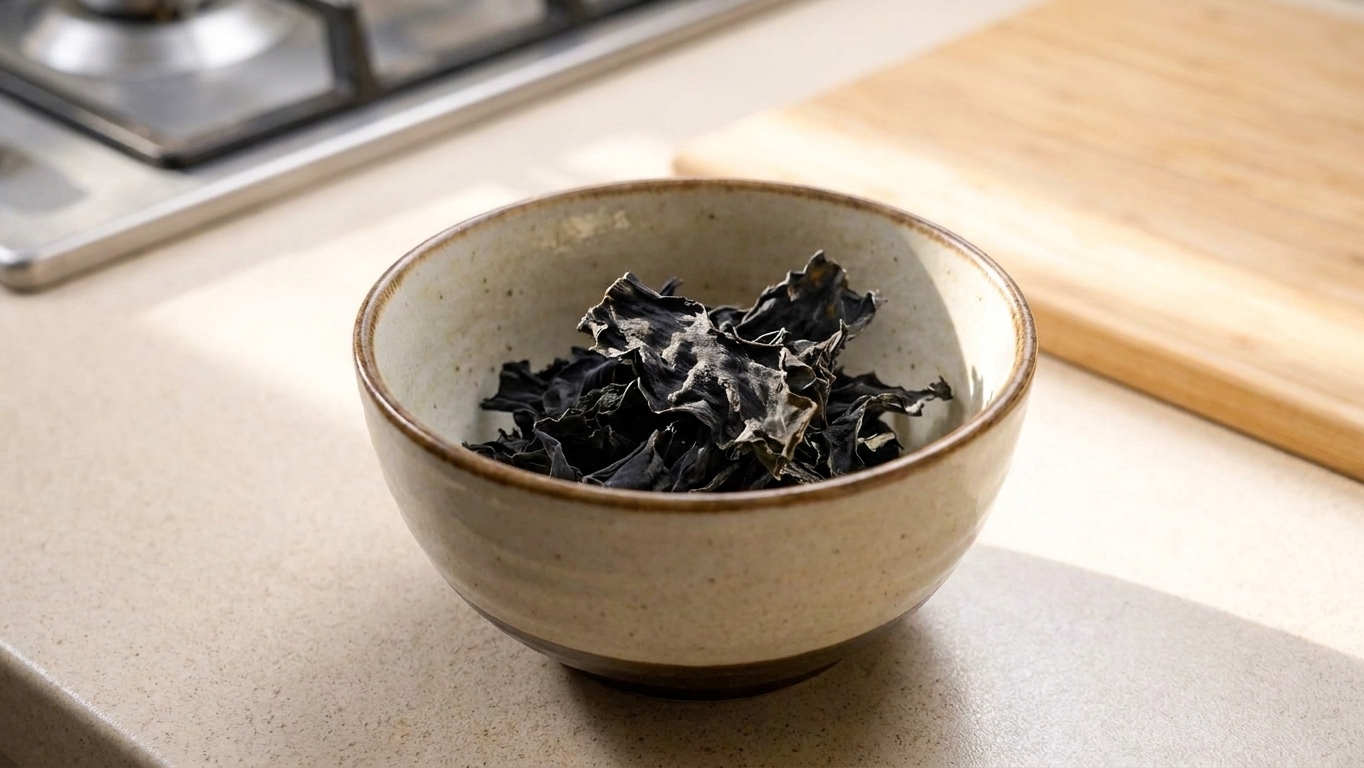
A neat ingredient setup on a kitchen counter with white miso paste in a small bowl, dried wakame in a pinch bowl, cubed silken tofu, sliced scallions, and dashi

Why It Works

  • Real restaurant flavor fast: Using dashi (homemade or instant) gives you that unmistakable savory depth in minutes.
  • Silky texture, not grainy: Dissolving miso off the boil keeps it smooth and aromatic instead of harsh.
  • Balanced add-ins: Wakame brings briny freshness, tofu adds creaminess, and scallions give you a clean bite at the end.
  • Flexible and forgiving: Swap miso types, adjust strength, and add mushrooms or clams without breaking the method.

Pairs Well With

Storage Tips

Fridge: Store cooled soup in an airtight container for up to 3 days. The wakame will keep softening, and tofu can get a little more delicate, but the flavor holds up.

Reheat: Warm gently over low heat until steaming. Do not boil after adding miso, or the aroma can fade and the flavor can turn sharp.

Make-ahead tip: If you are planning leftovers, store the dashi broth separately and stir in miso only when reheating for the cleanest flavor.

Freezing: Not my favorite. Tofu texture changes and wakame gets weirdly limp. If you must, freeze plain dashi broth only.

Common Questions

What makes Japanese restaurant miso soup taste so good?

Two things: dashi and restraint. Dashi gives the soup its savory backbone, and restaurants keep the broth light, then stir in miso gently so the aroma stays fresh.

Can I use instant dashi?

Yes. Hon-dashi granules are common in many home kitchens in Japan, and they make excellent miso soup. For 4 cups of water, start with about 1 to 2 teaspoons granules (or follow your package directions), then taste and adjust.

What kind of miso do Japanese restaurants use?

It depends, but many use white miso (shiro) for a mild, slightly sweet soup, or a blend of white and red miso for more depth. If you want the classic “sushi place” flavor, start with white miso.

Why shouldn’t I boil miso soup?

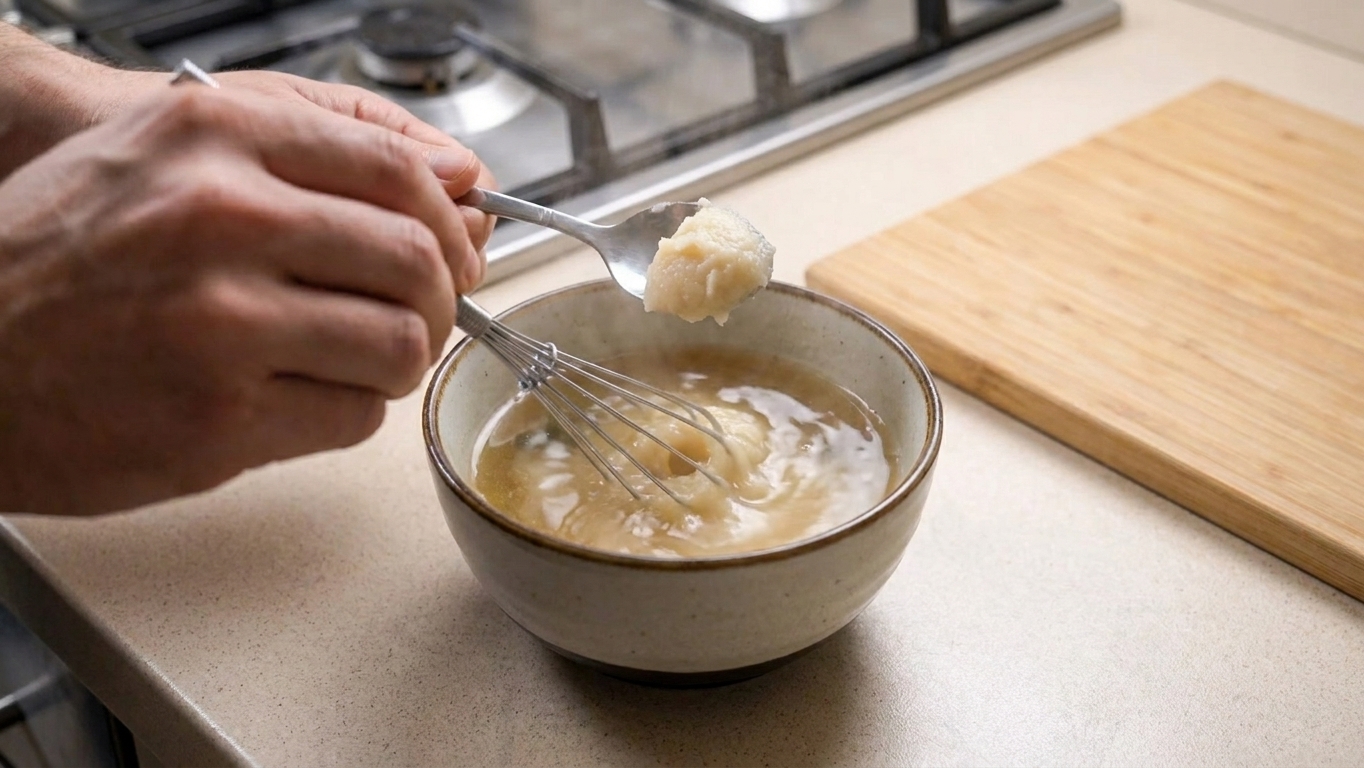
Boiling after adding miso can dull miso’s aroma and make the flavor taste harsher. Heat the broth first, then stir in miso off the boil, keeping it at a gentle steam.

Can I add mushrooms or other add-ins?

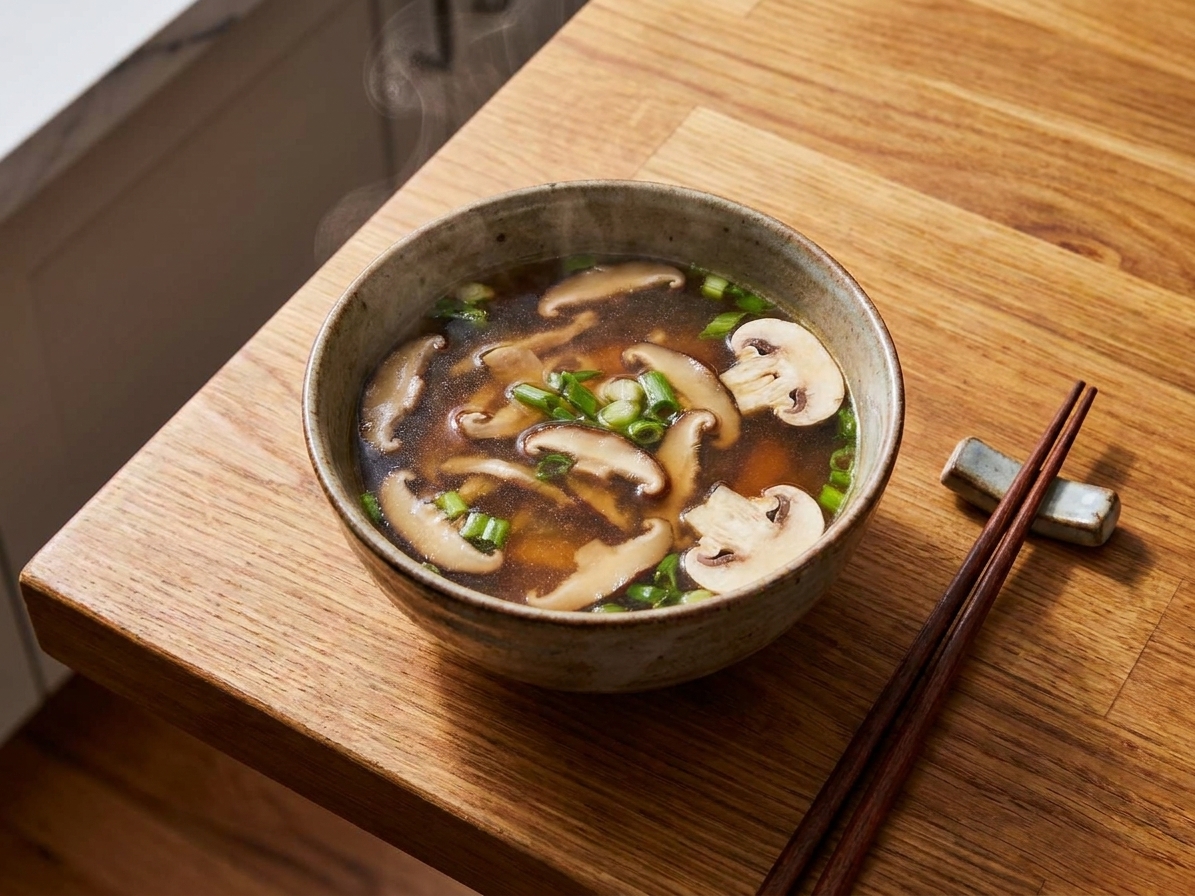
Absolutely. Thinly sliced shiitake, enoki, or a few manila clams are great. Simmer the add-ins in the dashi first, then add tofu and miso at the end.

Is miso soup vegetarian?

Often no, because dashi is commonly made with bonito (and sometimes anchovy). For vegetarian miso soup, use kombu dashi, or for more depth, kombu plus dried shiitake (a classic plant-based combo).

The first time I tried to make miso soup like the restaurant, I treated it like any other soup. I boiled it hard, tasted it, and wondered why it felt loud and salty instead of smooth and comforting. Once I learned the off-the-boil miso move, everything clicked. Now it is my tiny kitchen reset button: one pot, ten minutes, and suddenly dinner feels like I tried, even if I absolutely did not.