Mom's Best Recipes
Recipe

Biscoff Cheesecake

Creamy baked cheesecake with a crunchy Biscoff cookie crust and a glossy cookie butter swirl.

Author By Matt Campbell
4.8
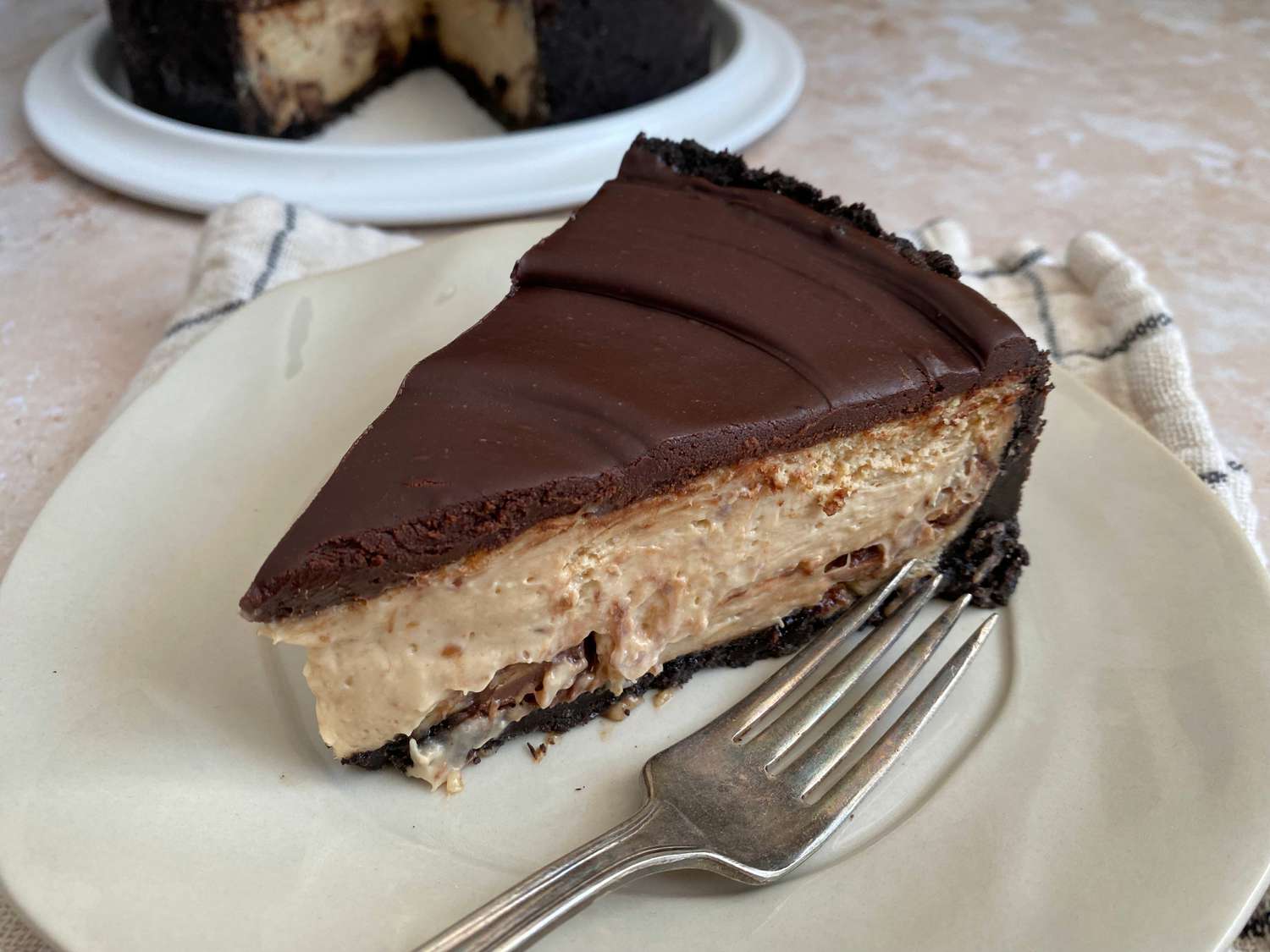
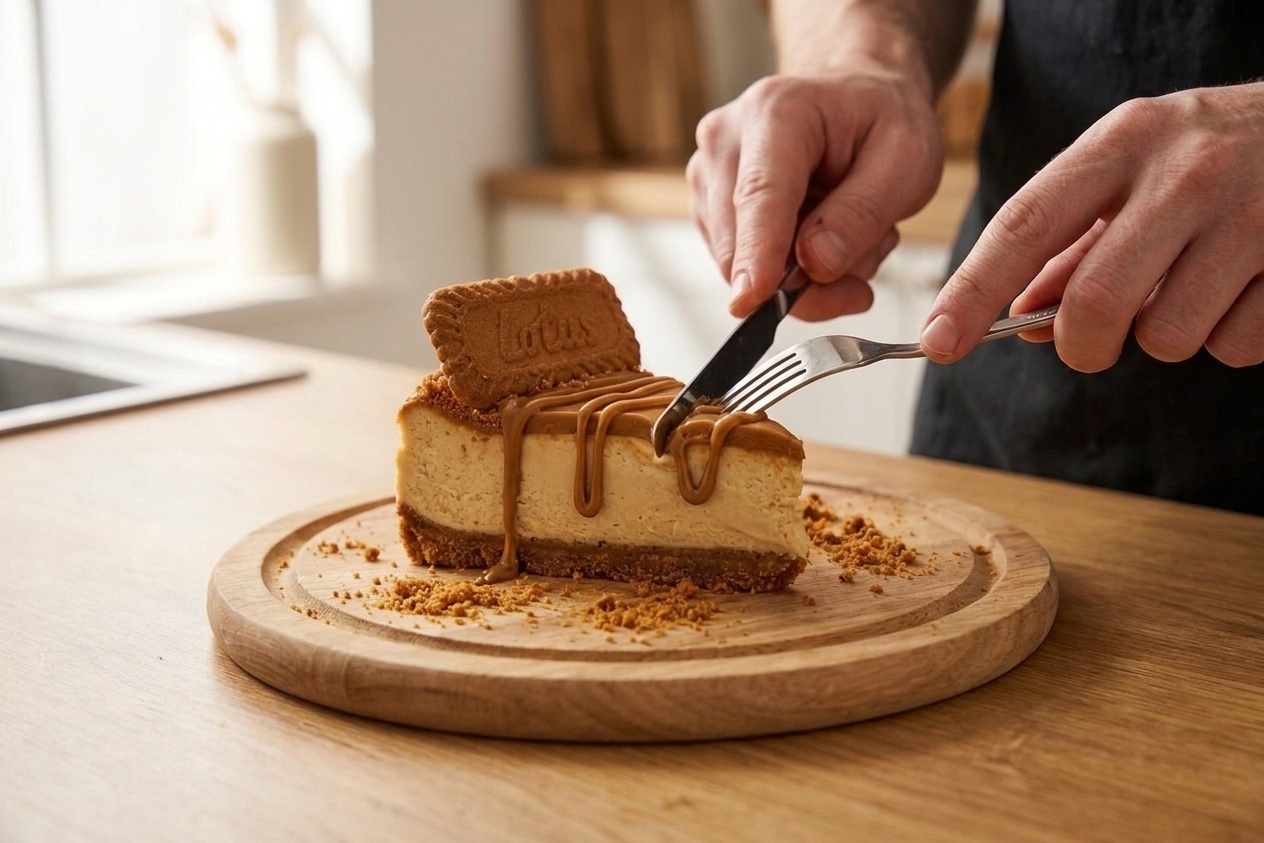
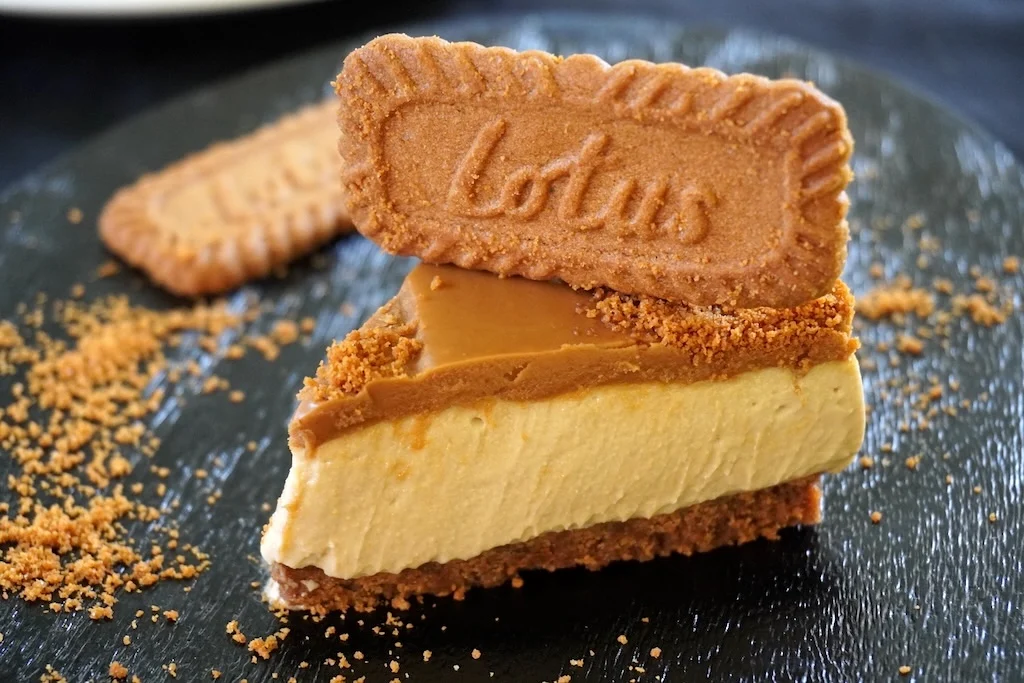
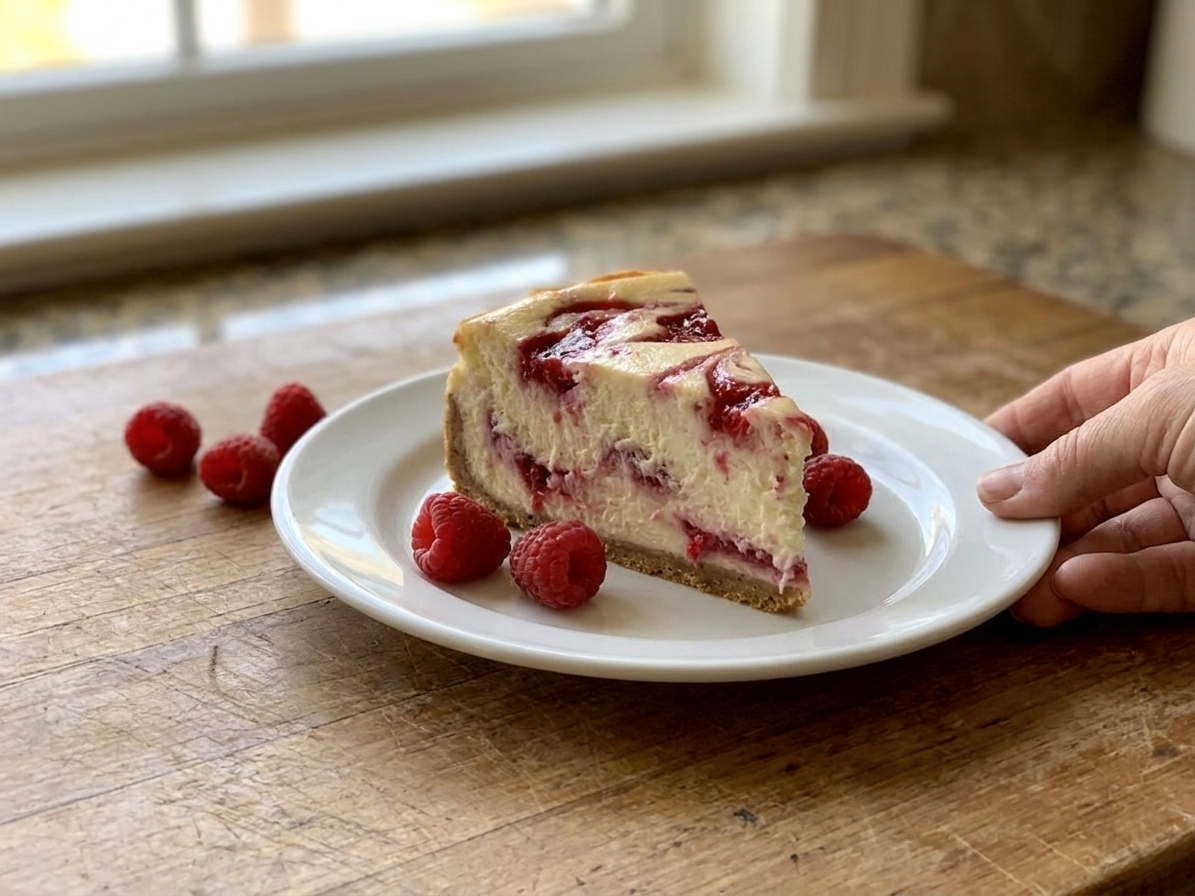
A single slice of Biscoff cheesecake on a small dessert plate, showing a thick cookie crust and a cookie butter swirl on top, set on a warm-toned kitchen table with soft natural light

This is the cheesecake I make when I want a dessert that feels like you tried really hard, even if you were mostly just stirring things calmly while listening to a podcast. It is creamy, gently tangy, and rich in that toasted, spiced Biscoff flavor that somehow tastes like cookies and caramel had a very good idea together.

We are doing a baked cheesecake for the best texture, plus a Biscoff cookie crust that stays crisp, and a cookie butter swirl that makes every slice look like it belongs in a bakery case. You do not need fancy ingredients. You just need a little patience for chilling, and the self-control to not cut it while it is still warm. I believe in you.
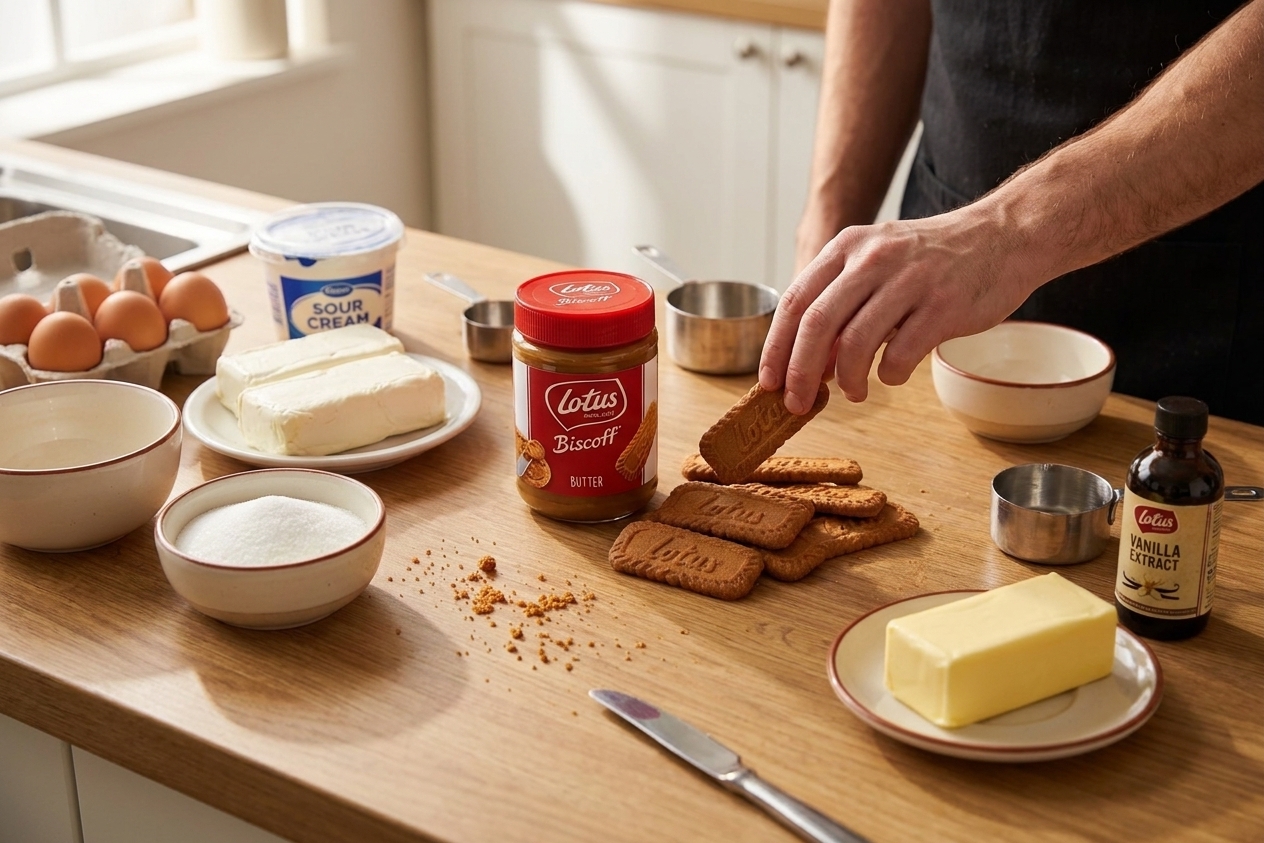
Biscoff cookies, a jar of cookie butter, cream cheese blocks, sour cream, eggs, sugar, butter, and vanilla arranged on a clean kitchen counter in warm natural light

Why It Works

  • Bold Biscoff flavor in every layer: cookie crust, creamy filling, and a cookie butter swirl on top.
  • Silky texture without drama: room temp ingredients, gentle mixing, and slow cooling keep it smooth.
  • Clean slices: a full chill sets the cheesecake so you get that tidy, bakery style cut.
  • Make-ahead friendly: it is actually better the next day, which is the best kind of dessert.

Pairs Well With

Storage Tips

Refrigerator: Store covered in the fridge for up to 5 days. I like to chill the cheesecake uncovered for 30 minutes first so the top sets, then wrap it.

Freezer: Freeze slices for up to 2 months. Wrap each slice in plastic wrap, then foil, then place in a freezer bag. Thaw overnight in the fridge.

Best texture tip: Cheesecake tastes extra creamy when it sits at room temperature for 10 to 15 minutes before serving.

Common Questions

Common Questions

Do I need a water bath?

Not strictly, but it helps with gentle, even baking and a smoother top. If you do not want to risk leaks, I use a steam bath instead: place a roasting pan on the lower rack and pour in boiling water, then bake the cheesecake on the middle rack. It adds humidity (which helps), but a traditional water bath is still the most foolproof option for temperature buffering.

How do I stop my cheesecake from cracking?

Three things: room temperature ingredients, do not overmix once the eggs go in, and cool it slowly. Turn the oven off, crack the door, and let it hang out for an hour before moving it to the counter.

Can I make this no-bake?

You can, but it will be a different vibe. Baked cheesecake is richer and more velvety. If you want no-bake, you will need whipped cream and usually a bit more cookie butter to help it set. This recipe is designed for baking.

What is the best pan size?

A 9-inch springform pan is ideal. An 8-inch works, but it will be taller and need more bake time.

Can I use low-fat cream cheese?

I do not recommend it. Full-fat cream cheese gives you that classic dense, creamy texture and it sets more reliably.

My cookie butter turned thick or separated. What happened?

It probably got too hot (or sat too long without stirring). Warm it in short bursts and stir often. If it looks thick, add a splash of cream or milk and stir until it is pourable, not hot.

The first time I made a Biscoff cheesecake, I told myself it was “just a test batch.” You know, for science. Then I stood at the fridge at midnight eating a very unscientific slice directly off the springform base because I could not wait for a plate. What I love about this one is it feels a little fancy, but it is built from pantry stuff and good habits: room temp ingredients, a slow cool down, and tasting your way through the process. Also, the swirl covers a multitude of sins, which is a beautiful thing.