Mom's Best Recipes
Recipe

Black Eyed Peas

A cozy, smoky pot of tender black eyed peas with a bright finish and plenty of savory broth for sopping.

Author By Matt Campbell
4.8
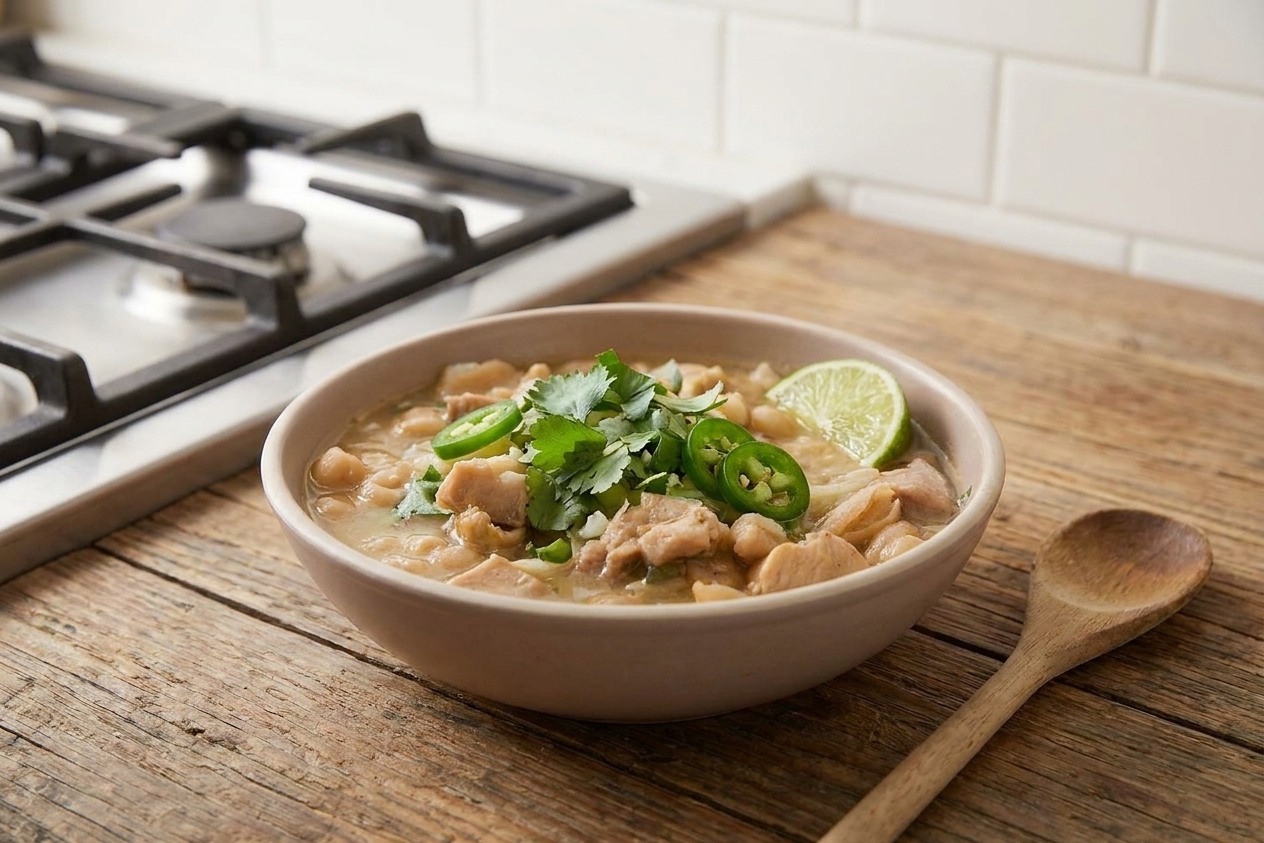
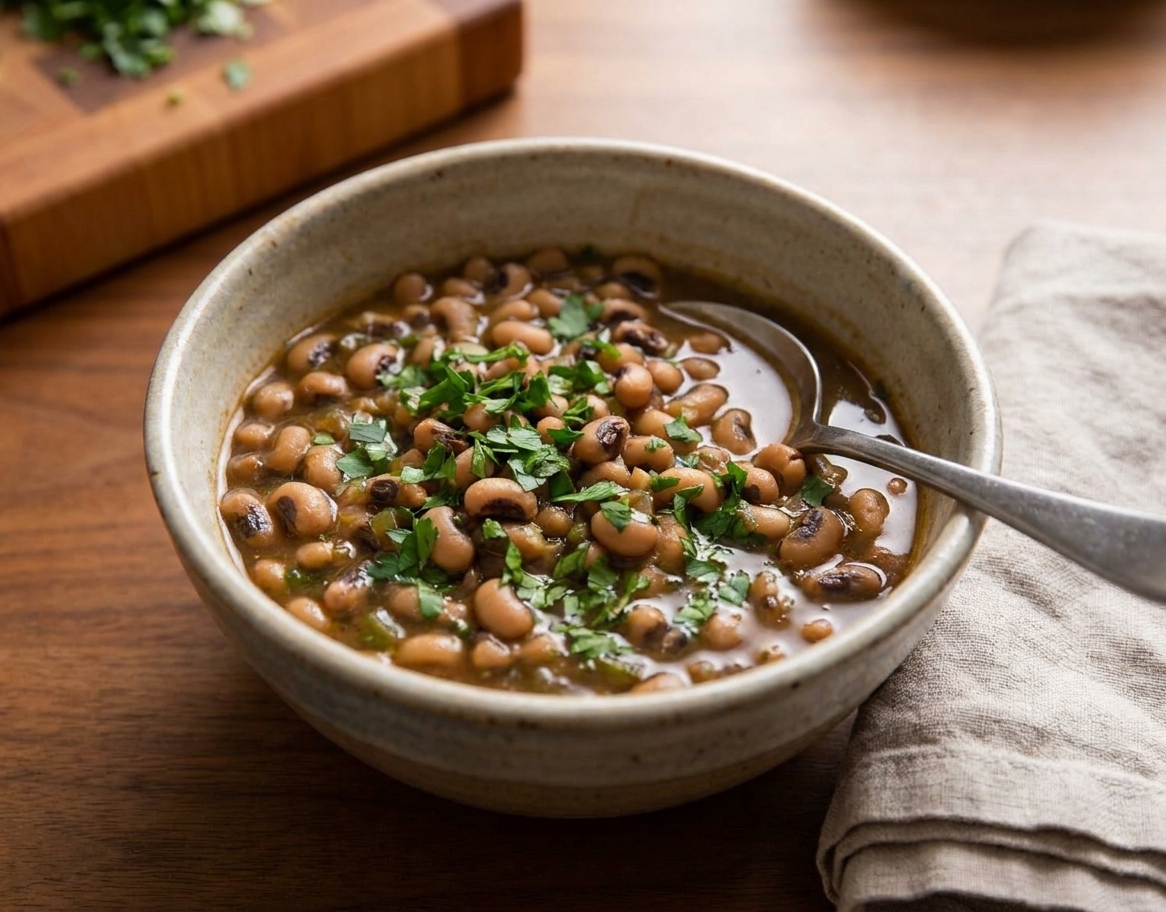
A close-up of a warm bowl of black eyed peas with bits of smoky turkey, diced onion, and chopped parsley in a rich broth on a rustic wooden table

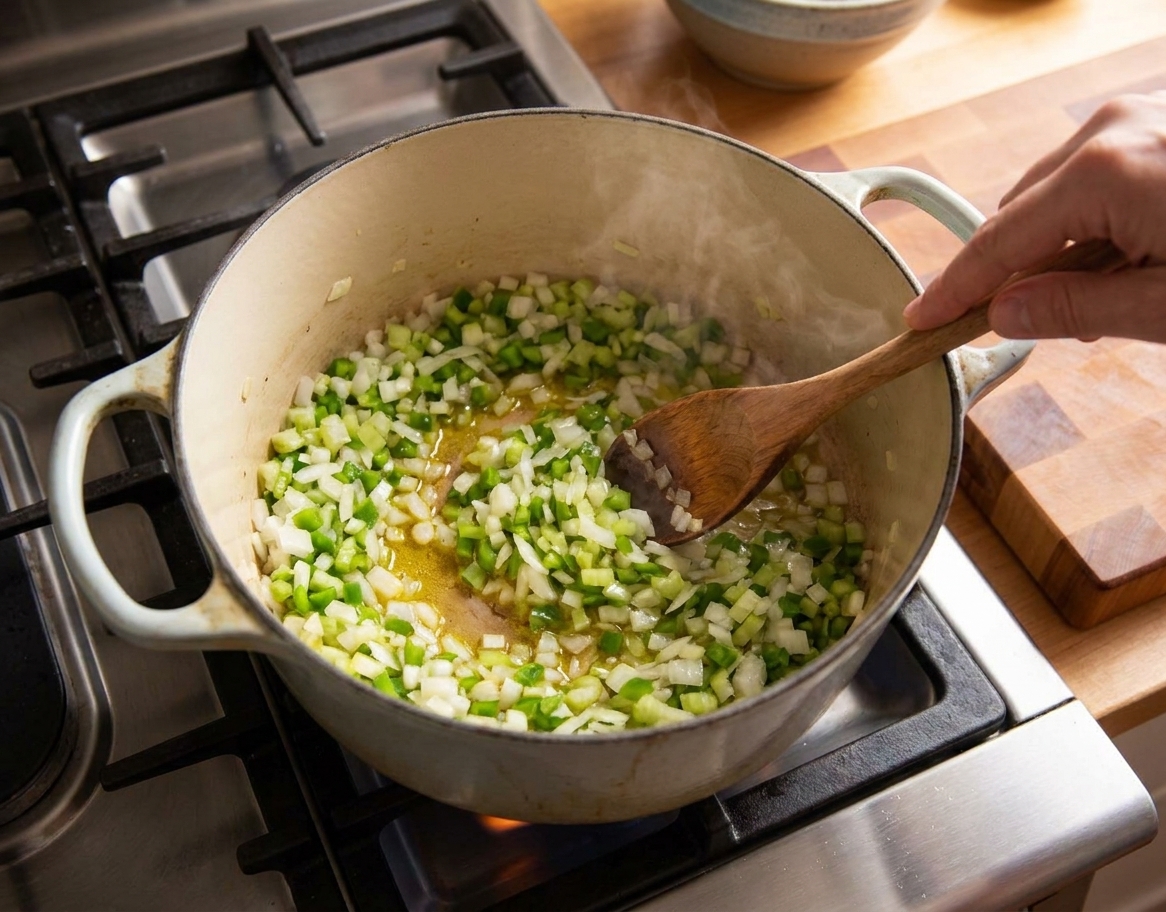
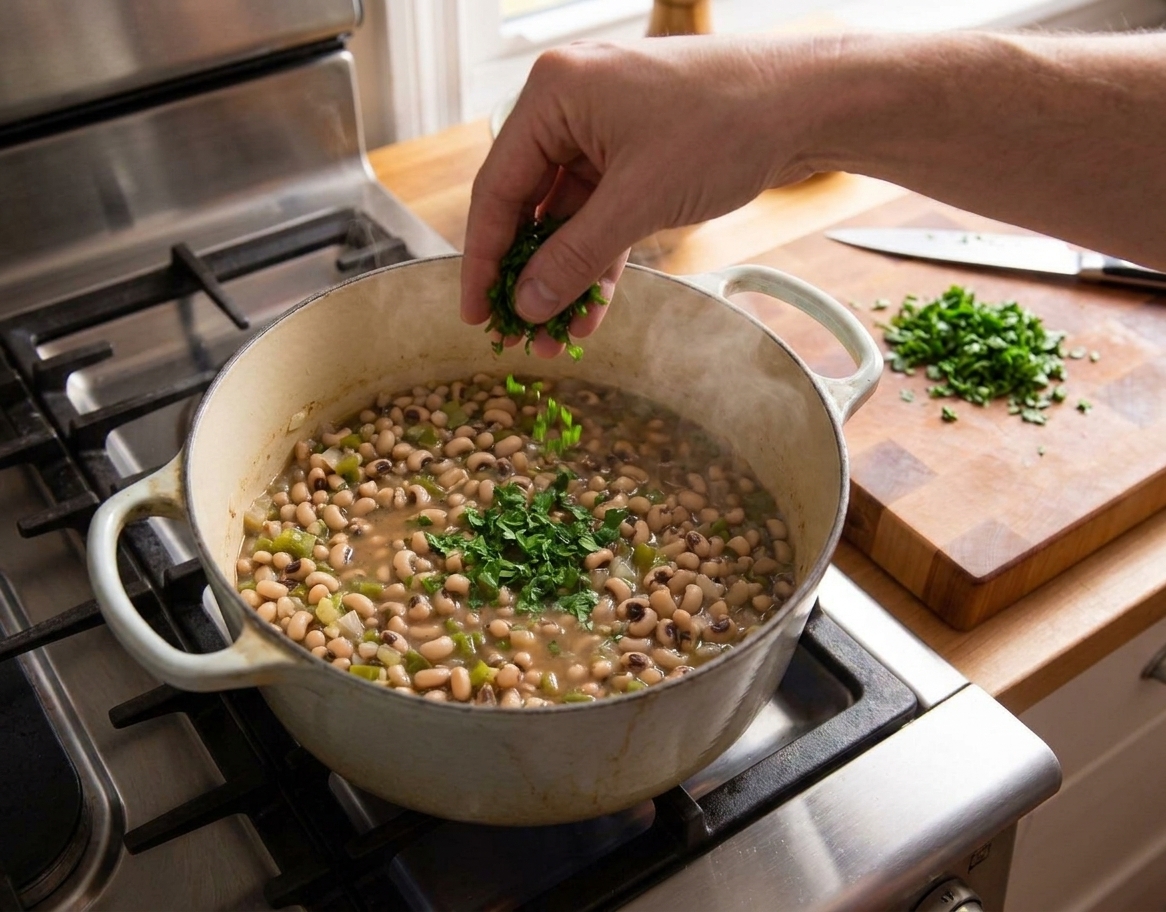
Black eyed peas are one of those humble pantry staples that somehow taste like you cooked all day, even when you absolutely did not. This version is my go-to: smoky, savory, and brothy enough to beg for cornbread, rice, or a hunk of toast. We build flavor fast with onion and garlic, let the peas do their slow simmer thing, then wake the whole pot up at the end with a little vinegar and something green.

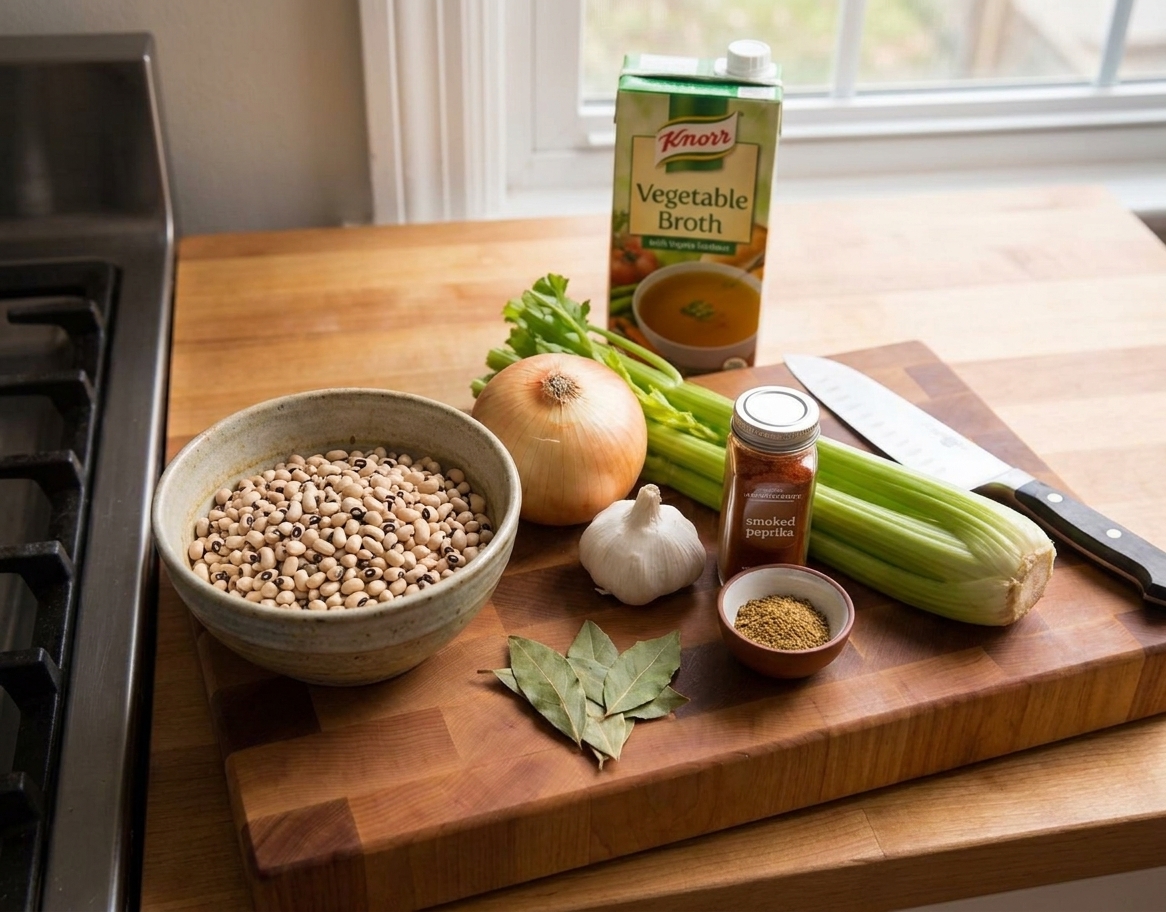
A kitchen counter with dried black eyed peas in a bowl alongside onion, garlic, celery, spices, and a carton of broth

Why It Works

  • Big flavor from simple moves: sautéed aromatics plus smoked meat gives you a broth that tastes deep and cozy.
  • Tender peas, not mush: a gentle simmer and a quick check near the end keeps them creamy with shape.
  • Bright finish: a splash of apple cider vinegar and a little fresh herb makes the whole pot taste alive.
  • Leftovers are the secret: the peas thicken slightly overnight and get even better for lunch the next day.

Pairs Well With

Storage Tips

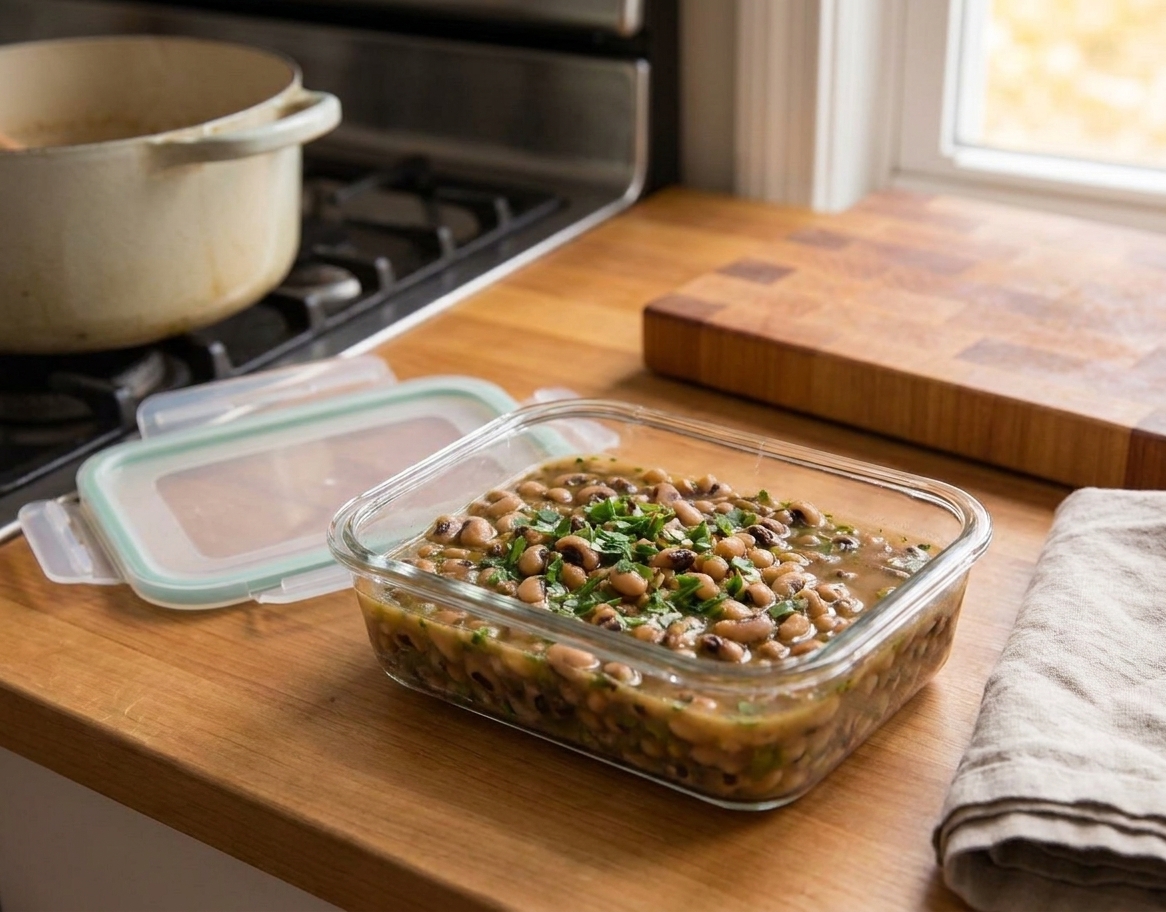
Refrigerate: Cool completely, then store in an airtight container for up to 4 days. The broth will thicken as it sits.

Reheat: Warm gently on the stove over medium-low, adding a splash of broth or water to loosen. Taste and re-season, then add a tiny splash of vinegar again if it needs a lift.

Freeze: Freeze in portions for up to 3 months. Thaw overnight in the fridge before reheating.

A glass meal prep container filled with black eyed peas and smoky broth cooling on a kitchen counter

Common Questions

Do I need to soak black eyed peas?

Not always. Black eyed peas are smaller and cook faster than many beans. If you have time, a 4 to 8 hour soak helps them cook more evenly, but you can absolutely cook them unsoaked. Just plan on a longer simmer and add a bit more liquid if needed.

Can I use canned black eyed peas?

Yes. You will lose some of that slow-simmered depth, but it still works for a quick pot. For best flavor, use a fast, already-cooked smoky option like chopped smoked turkey (meat only), diced ham, or browned bacon.

Quick method: Sauté the aromatics, add spices, then simmer broth with your smoky meat for 15 to 20 minutes. Add drained and rinsed canned peas and warm 10 minutes more. Finish with vinegar and herbs.

Why are my peas still hard?

Usually it is one of four things: older dried peas, hard water (lots of minerals), not enough time, or acidic ingredients added too early. Keep them at a gentle simmer, add a bit more broth if the pot is drying out, and give them another 10 to 20 minutes. Save vinegar (and tomatoes, if you use them) for the end.

When should I salt beans?

You can salt at the beginning. It seasons the peas more evenly and helps them taste like something, not just “bean shaped.” The bigger thing to avoid early is acid. If your smoked turkey or ham is very salty, start with less salt and adjust at the end.

What should I serve with black eyed peas?

My favorites: cornbread, rice, collard greens, or a simple green salad. If you want to make it a full meal in one bowl, top with hot sauce and sliced scallions.

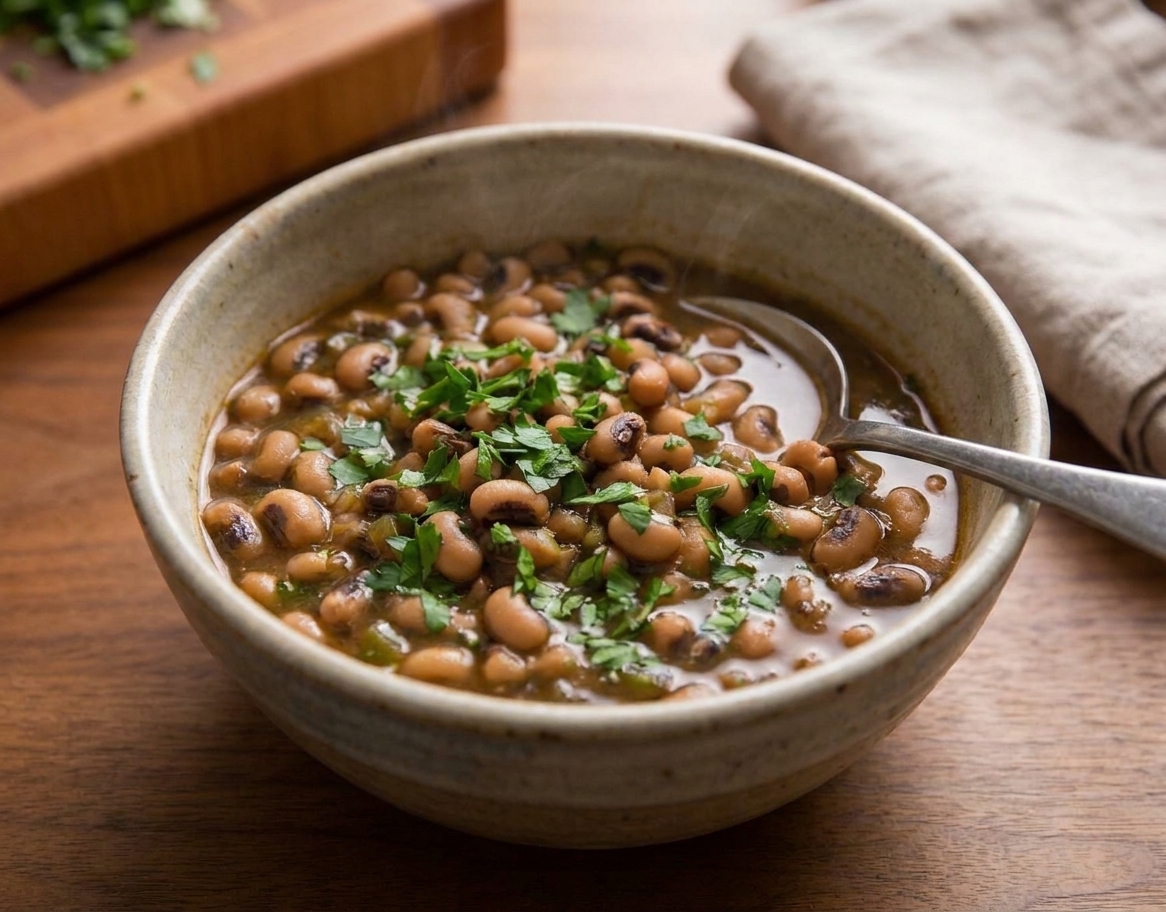
I love recipes like this because they reward the kind of cooking I actually do on a weeknight: a little chopping, a little stirring, then you let the pot handle the rest while you clean up and pretend you are extremely organized. Black eyed peas were one of the first things that made me feel like I could feed a whole table without fancy technique, just patience and good seasoning. And yes, I always do the vinegar-at-the-end trick. It is the difference between “pretty good beans” and “wait, what did you put in this?”