Mom's Best Recipes
Recipe

Cozy Ribollita

A thick Tuscan bean and bread soup with kale, cannellini beans, and torn bread for a cozy, spoonable stew.

Author By Matt Campbell
4.8
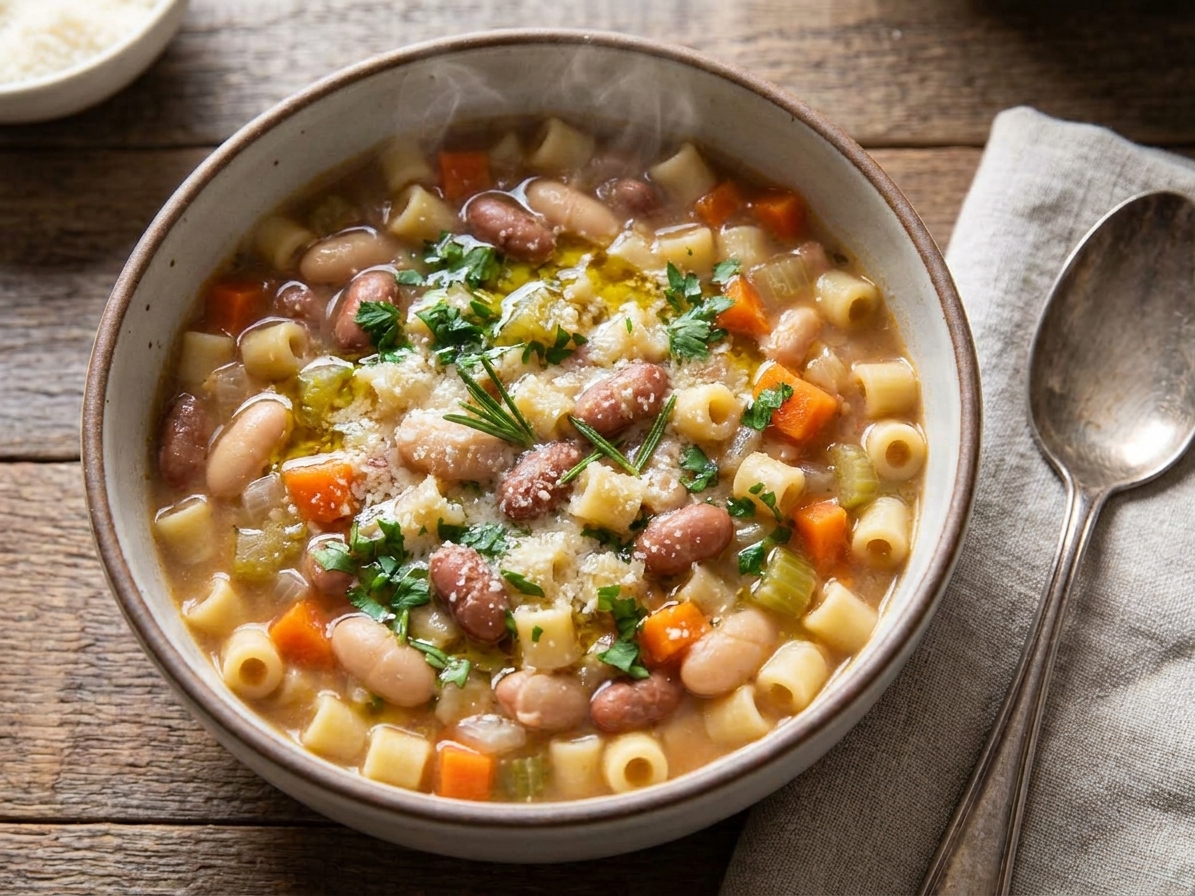
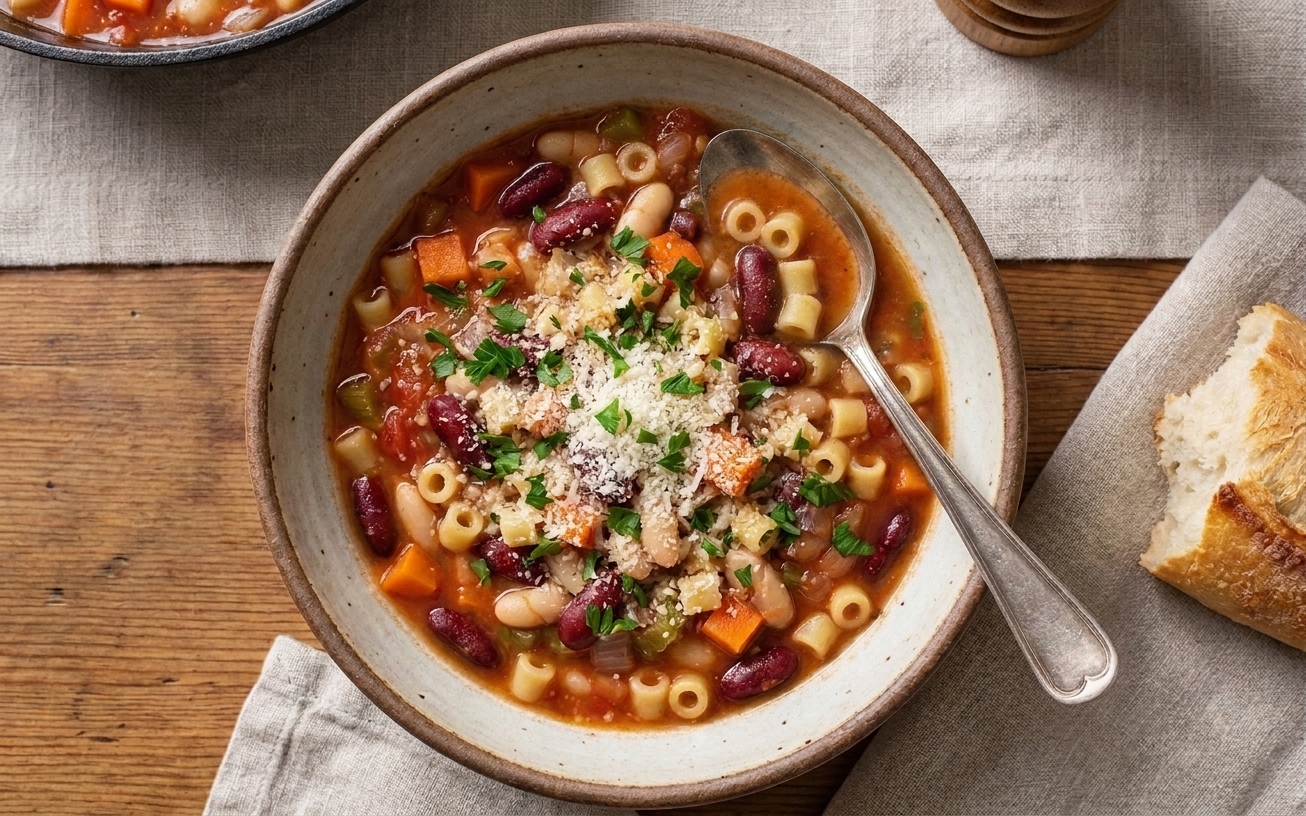
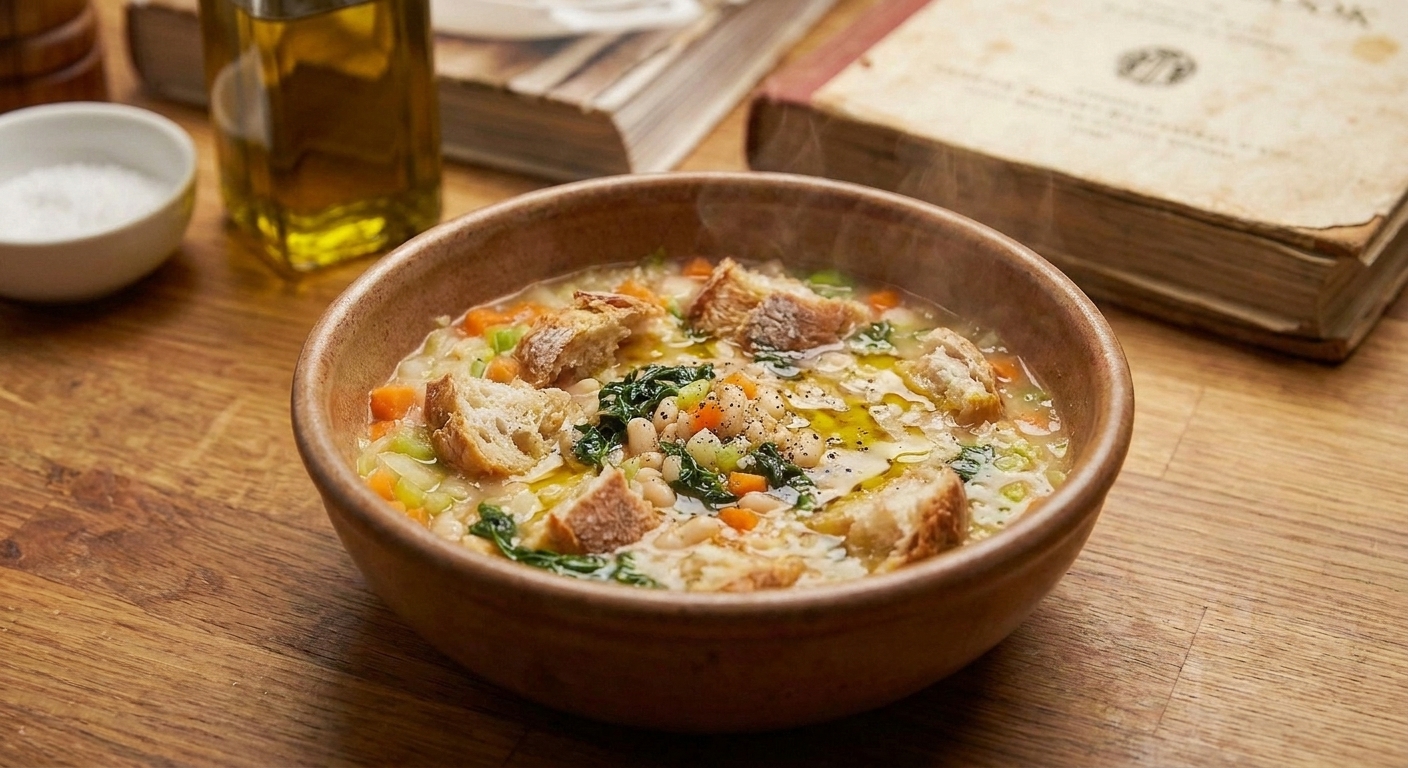
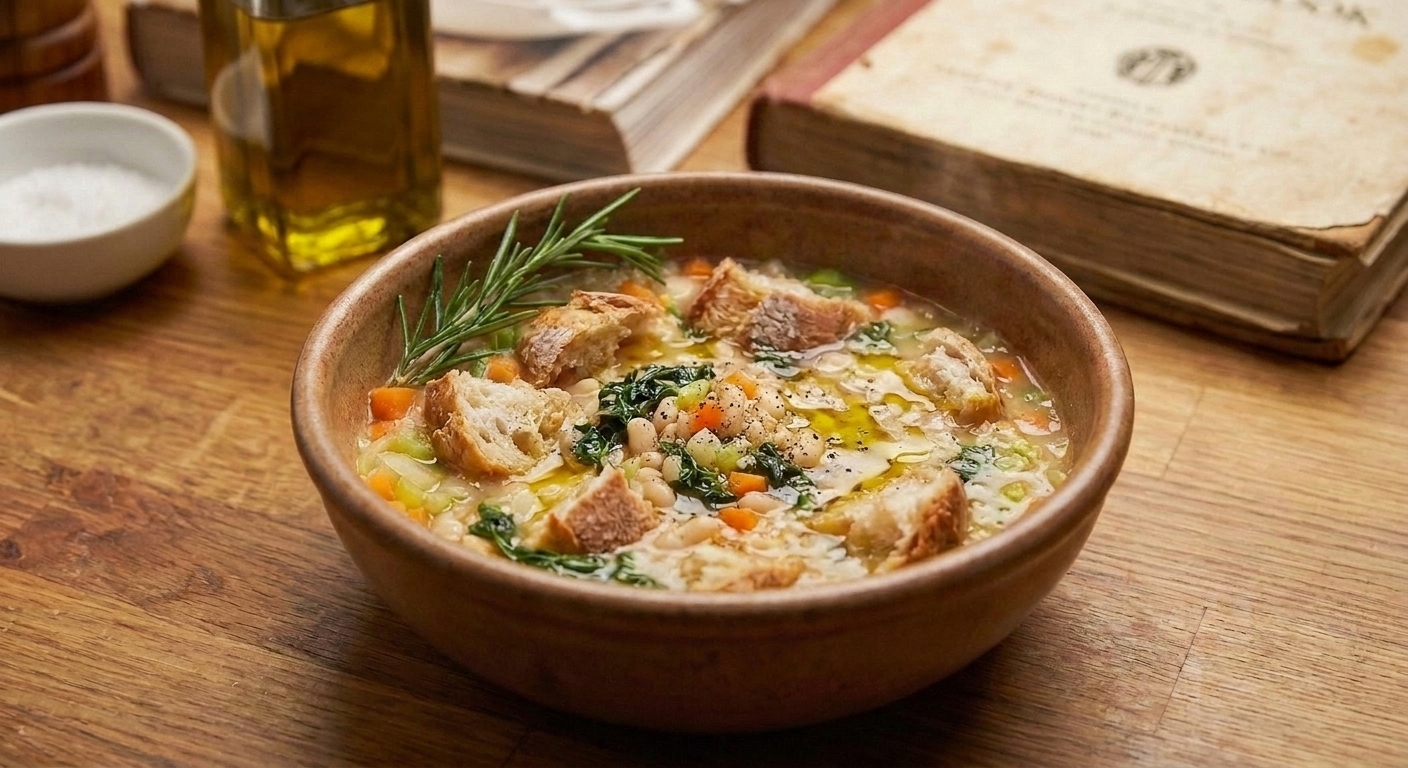
A rustic bowl of ribollita with cannellini beans, kale, and torn bread thickening the soup, topped with olive oil and black pepper on a wooden table

Ribollita is what happens when soup stops being polite and turns into dinner. It is a Tuscan bean and bread soup that gets thick, hearty, and surprisingly luxurious from the most humble stuff: onions, carrots, celery, tomatoes, greens, beans, and yesterday’s bread.

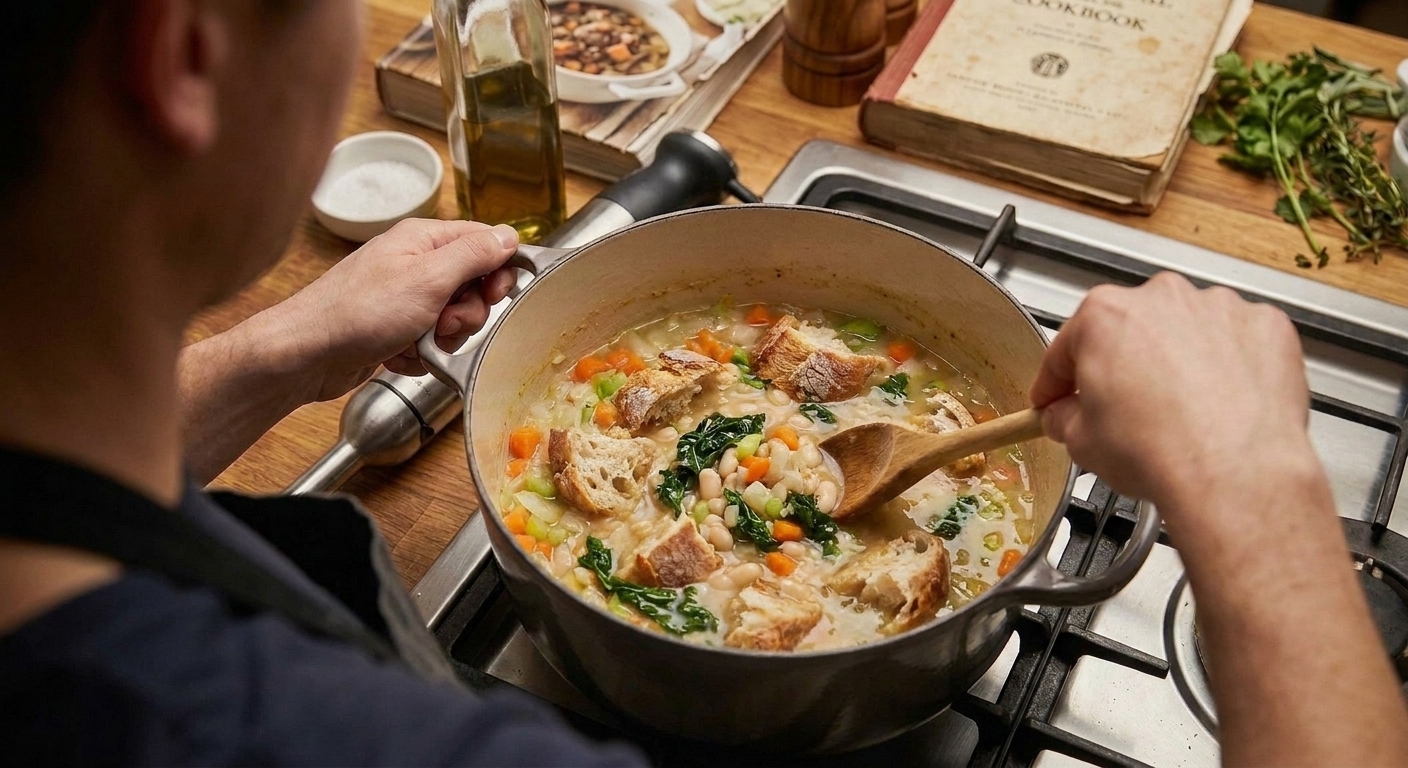
The name roughly means “reboiled,” and traditionally that is the whole point. You cook it once, you let it chill, and then you warm it up again and it becomes this cozy, spoon standing up situation. This version is a modern, weeknight-friendly take that leans on kale, because it holds up like a champ and tastes even better the next day.

If you love soups that are thick by design and get better while you do literally anything else, this one is for you. And if you want a little crunch, you can always throw a toasted slice on top at the end.
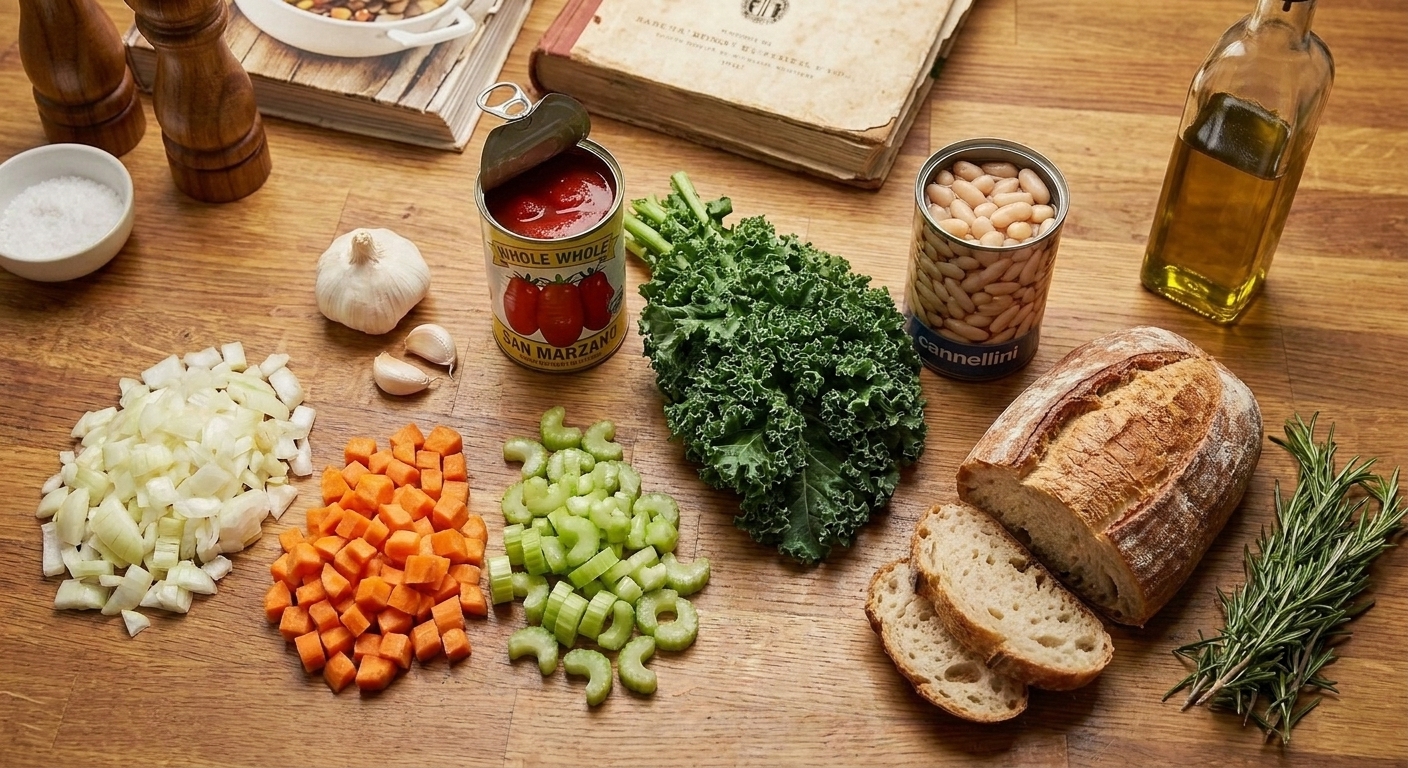
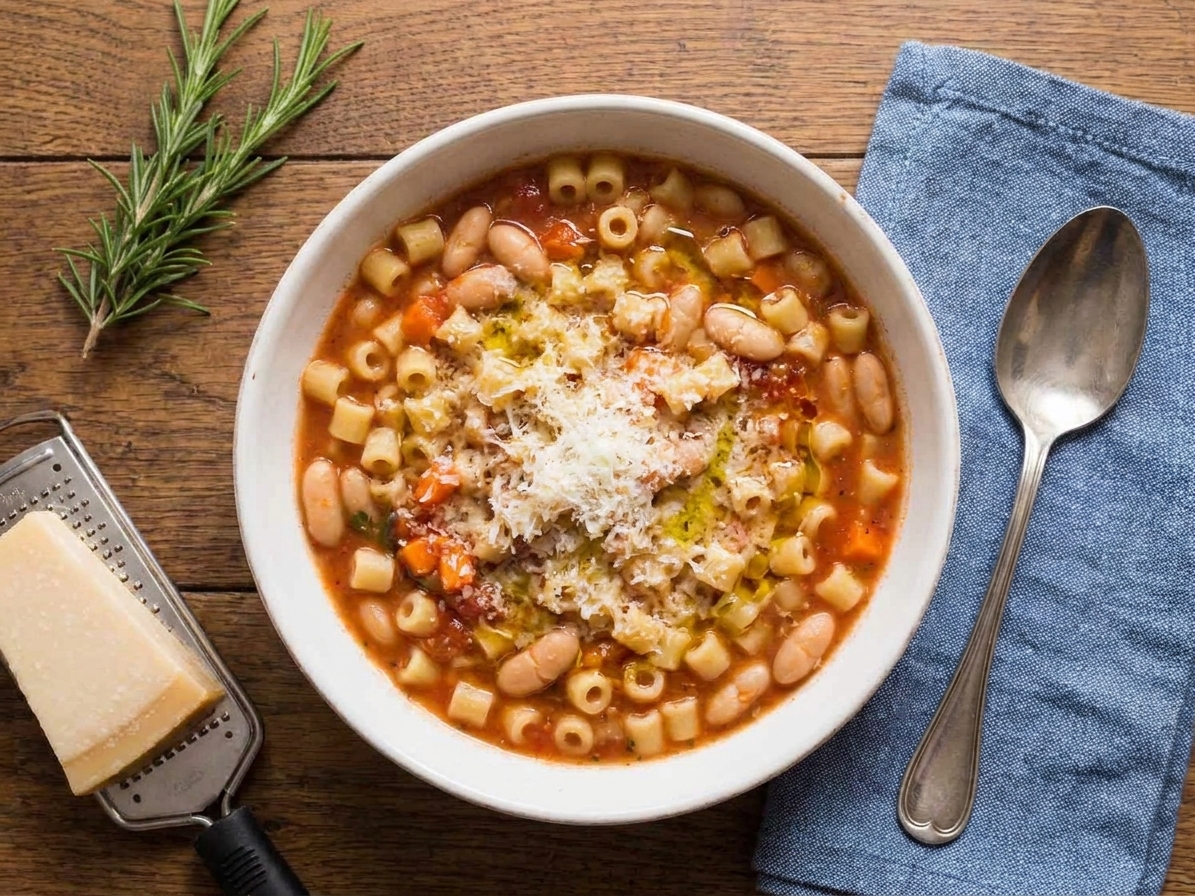
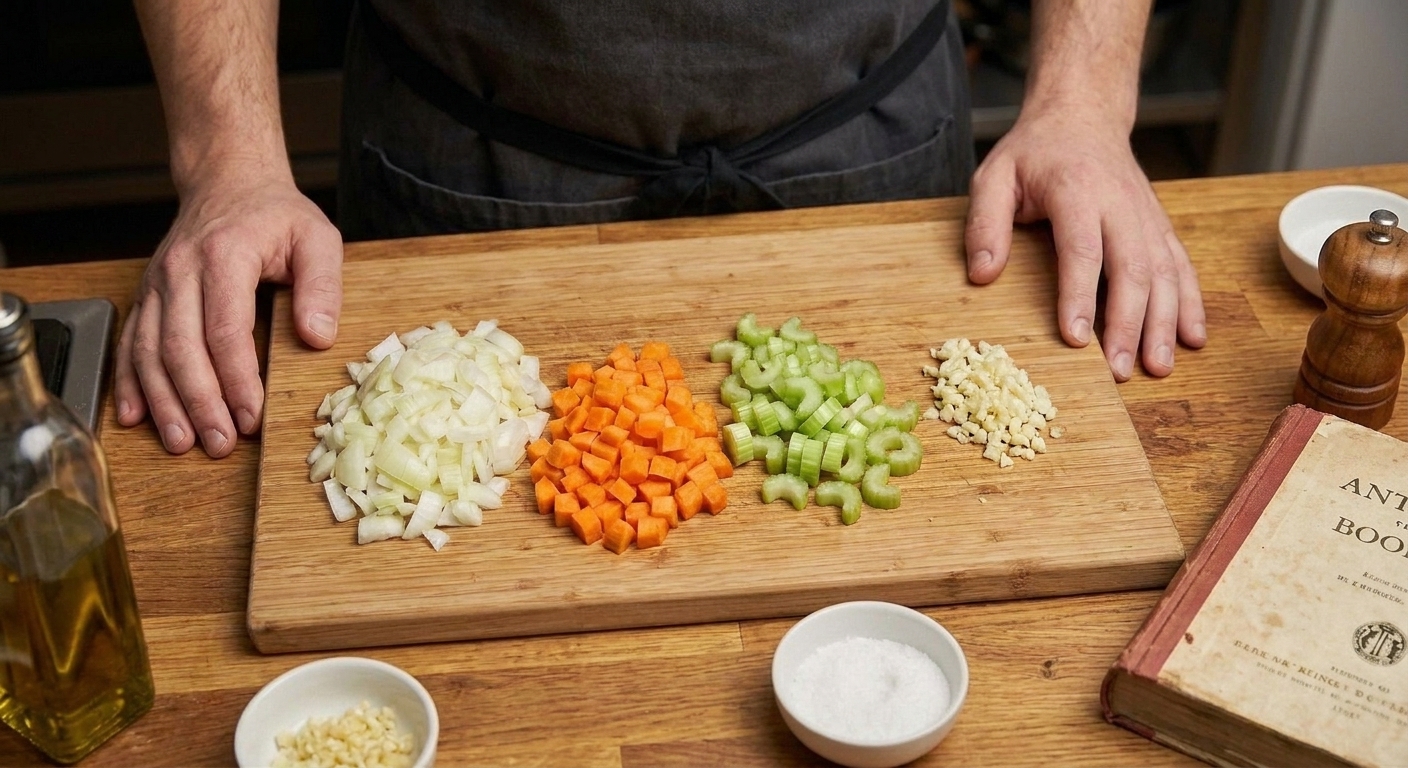
All ribollita ingredients arranged on a kitchen counter including onions, carrots, celery, garlic, canned tomatoes, kale, cannellini beans, bread, olive oil, and rosemary

Why It Works

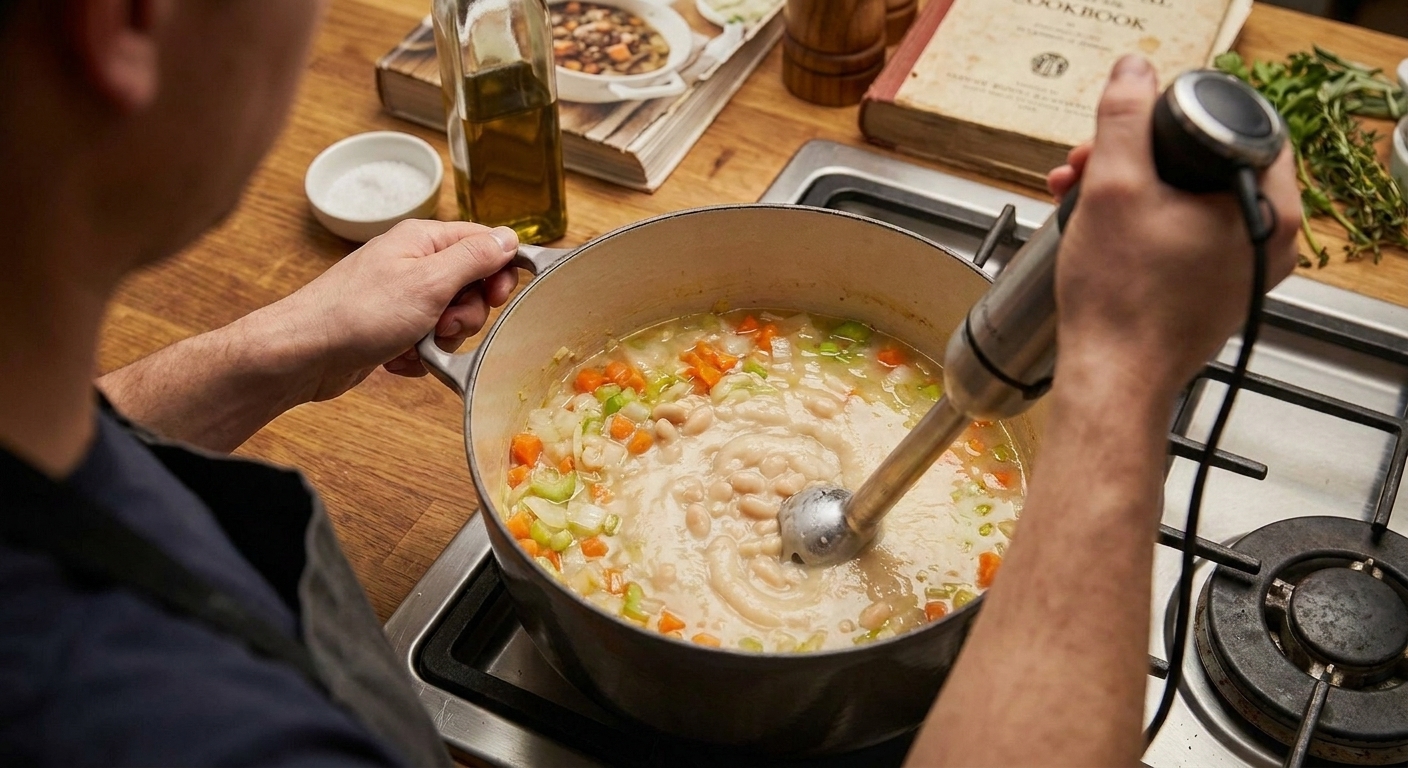
  • Thick, hearty texture without cream: Blending a portion of the beans plus the torn bread gives you a rich, velvety base.
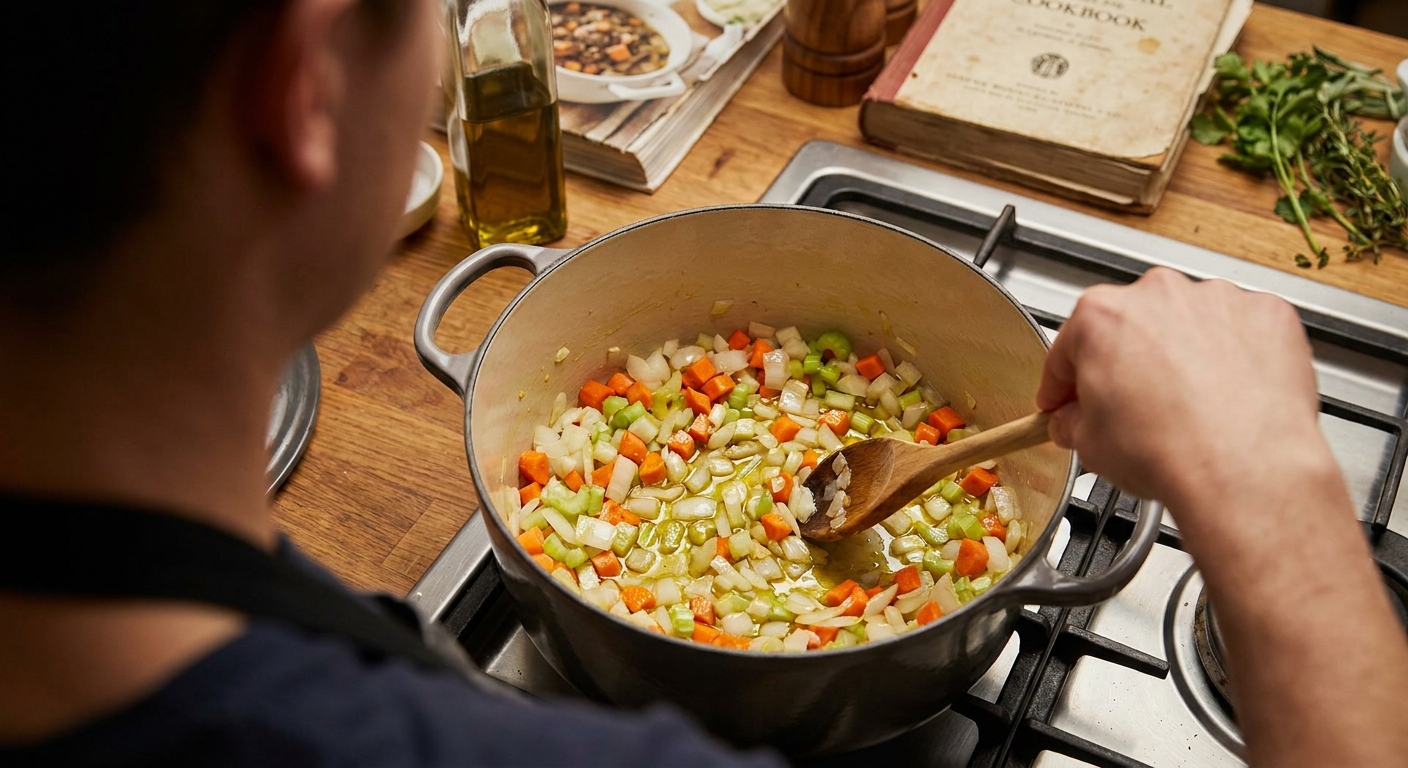
  • Big flavor from simple moves: A slow sauté on the soffritto (onion, carrot, celery) builds sweetness and depth before anything gets watery.
  • Greens that stay satisfying: Kale holds up and tastes even better after a night in the fridge.
  • Leftovers are the secret feature: Ribollita is famous for tasting better the next day, when everything melds and the bread fully does its thickening magic.

Pairs Well With

Storage Tips

How to Store Ribollita

Fridge: Store in an airtight container for up to 4 days. Expect it to thicken a lot as it sits. That is correct behavior.

Reheat: Warm gently on the stove over medium-low, stirring often. Add a splash of water or broth until it loosens to your liking.

Freeze: Freeze up to 3 months. For best texture, freeze before adding the bread, then add bread during reheating. If you already added bread, it will still freeze fine, just a bit more soft and thick when reheated.

Bonus move: Reheat in a skillet until it gets a little fried and jammy at the edges, then top with olive oil. It is not traditional. It is delicious.

Common Questions

Common Questions

Is ribollita supposed to be thick?

Yes. Ribollita is more stew than soup. If yours is brothy, simmer it longer uncovered and make sure you add enough torn bread. Blending some beans also helps a lot.

What kind of bread should I use?

Sturdy, day-old bread is ideal. Think country loaf, sourdough, or Italian-style bread. Avoid very soft sandwich bread because it can turn gluey instead of hearty.

Can I make ribollita without a blender?

Totally. Mash some beans with a fork or potato masher, or just skip the blending. It will be slightly less creamy but still thick once the bread goes in.

What greens are best?

Kale is a great workhorse. Tuscan kale (lacinato) is perfect. Swiss chard also works. If using spinach, add it at the very end since it cooks fast.

Do I need parmesan?

No, but a parmesan rind simmered in the pot is a sneaky little flavor cheat. For vegetarian ribollita, skip the rind and lean on rosemary, garlic, and good olive oil.

Can I make it vegan?

Yes. Use vegetable broth, skip the parmesan rind, and finish with plenty of olive oil and black pepper. Still cozy, still bold.

How do I make it gluten-free?

Use a sturdy gluten-free bread, or skip the bread entirely and thicken by blending more of the beans (or add a small diced potato and simmer until soft, then mash).

The first time I made ribollita, I expected soup. What I got was this thick, rustic, bread-powered bowl of comfort that felt like it had been practicing patience longer than I have. It is the kind of food that rewards you for using up what you already have and for letting it sit overnight. Now I make it on purpose when I want future-me to feel appreciated. The next day, you reheat it, drizzle olive oil, crack pepper, and suddenly you are eating something that tastes way more expensive than it had any right to be.