Mom's Best Recipes
Recipe

Boiled Cabbage

Tender wedges of cabbage simmered in well-seasoned water, finished with butter and black pepper for a cozy, classic side.

Author By Matt Campbell
4.8
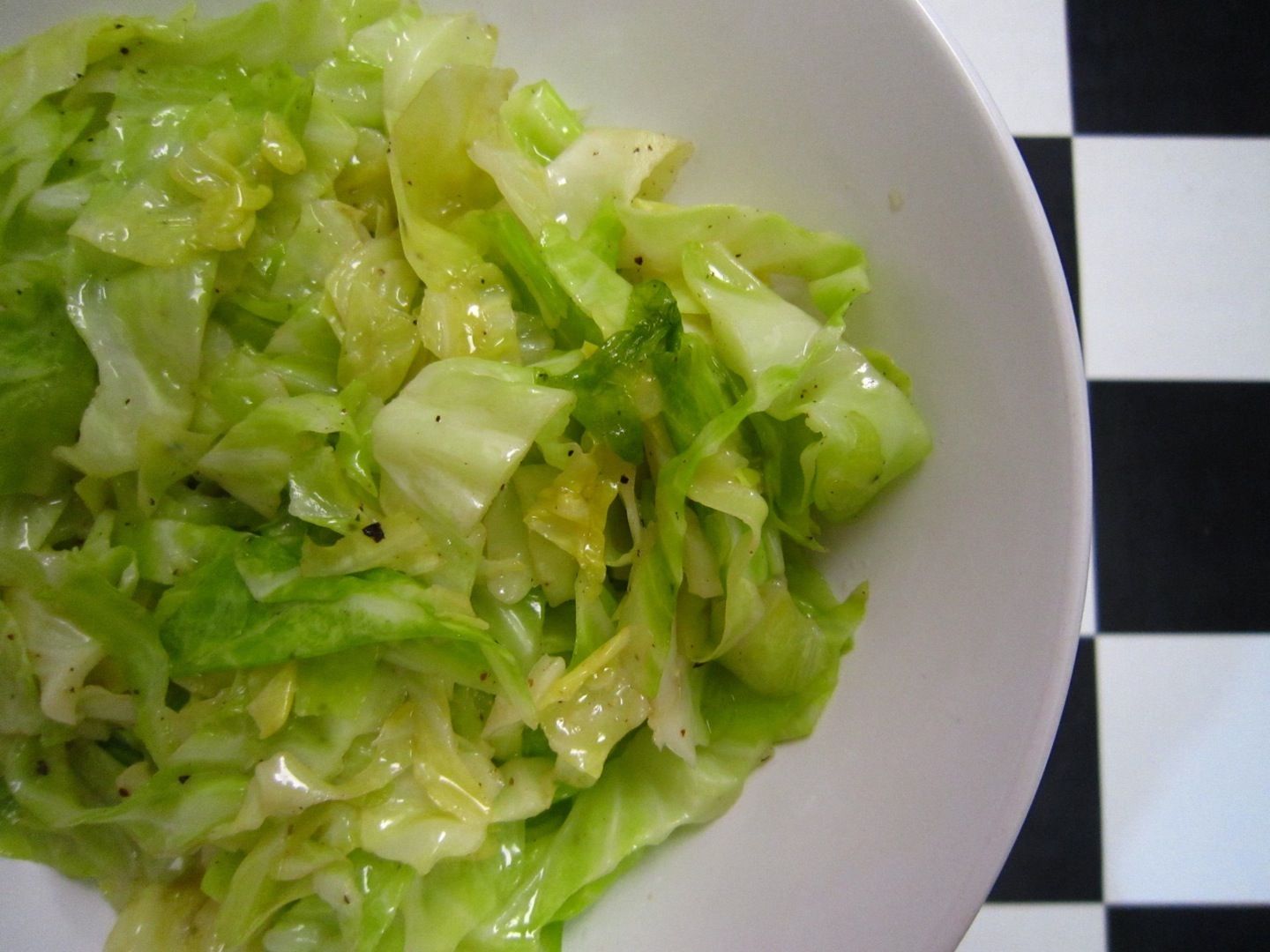
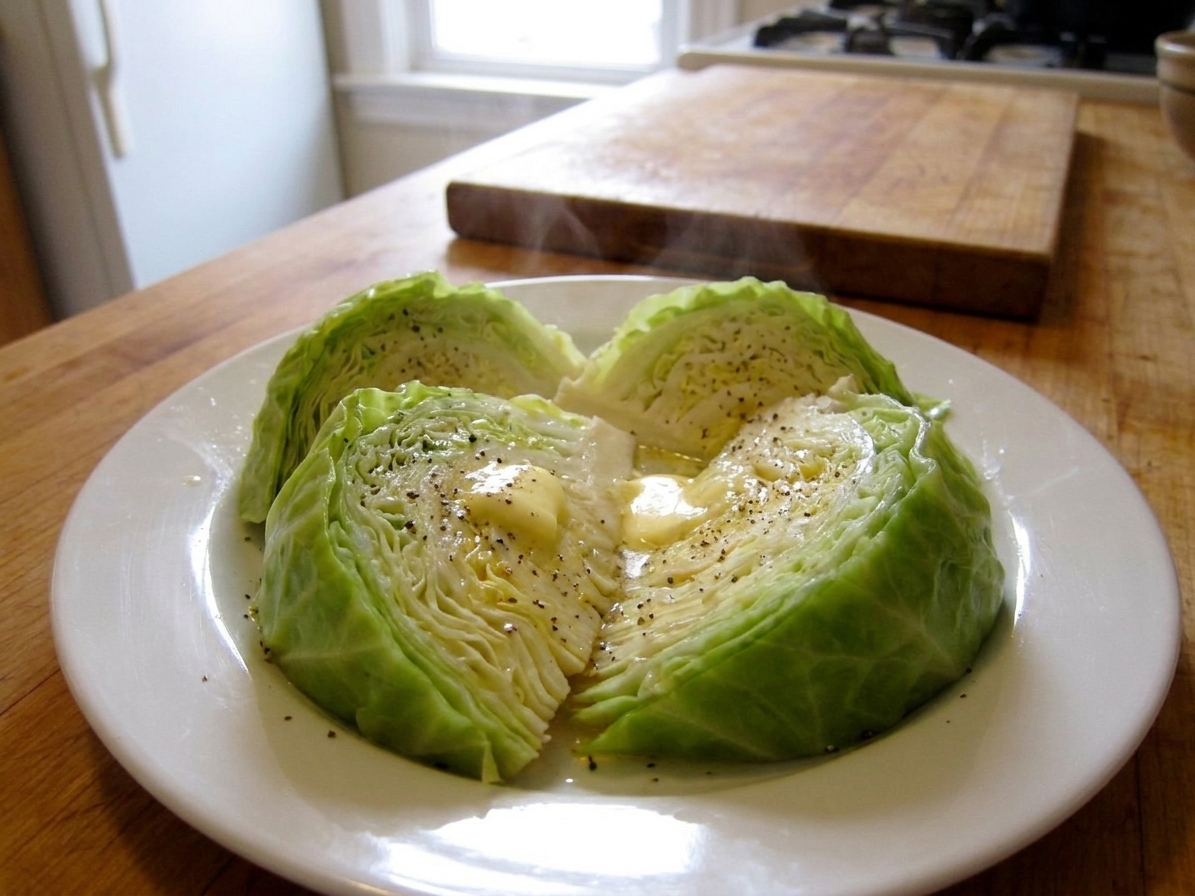
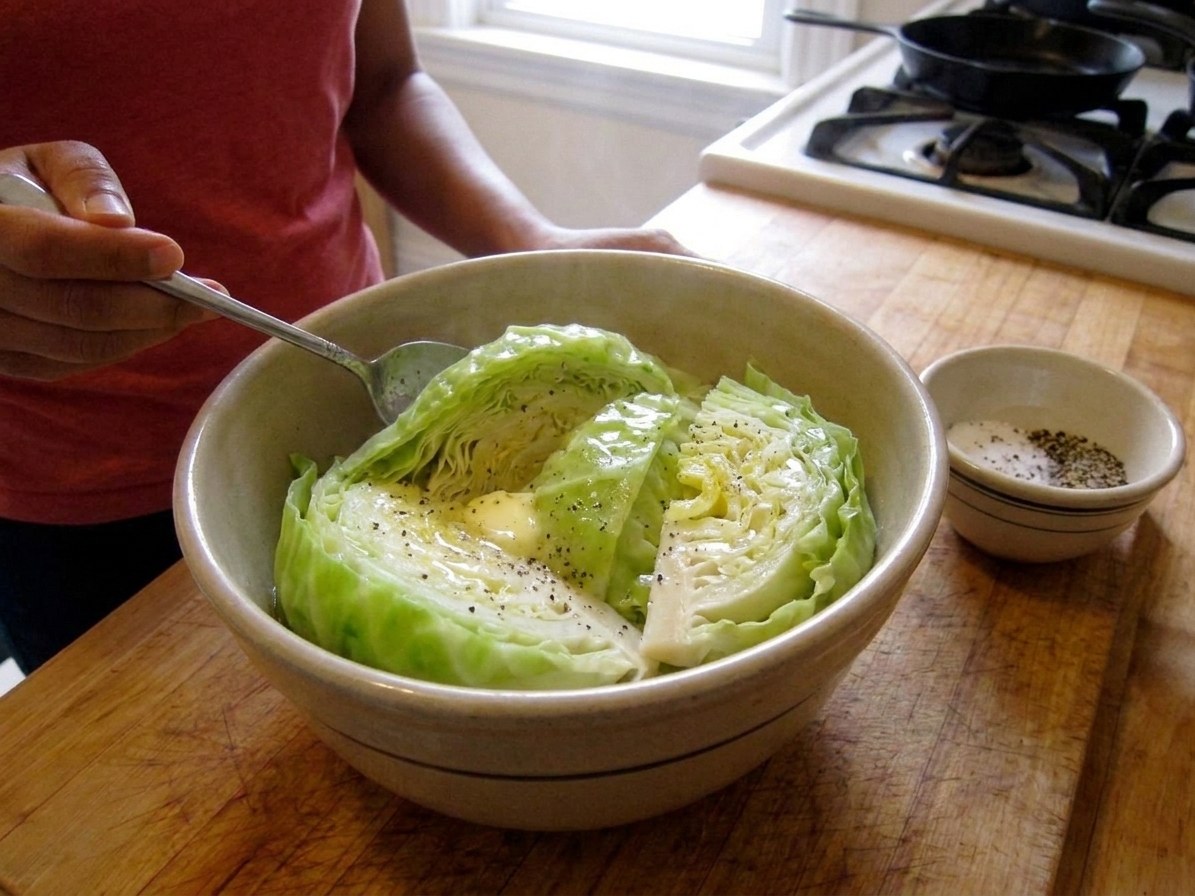
A serving bowl filled with tender boiled cabbage wedges glistening with melted butter and cracked black pepper on a warm kitchen table

Boiled cabbage gets a bad rap, and honestly, I get it. If you have ever had it cooked into sad, sulfur-y submission, you have seen the worst of it. This version is the one I actually want on my plate: tender but not mushy, lightly sweet, and finished with enough butter and pepper to make it feel like real comfort food.

It is the kind of side dish that plays nice with just about anything, from weeknight chicken to big Sunday roasts. And if you are a “use what you have” cook, cabbage is basically your best friend: cheap, forgiving, and ready to soak up flavor.

Why It Works

  • Quick and low drama: one pot, simple timing, done in about 25 minutes.
  • No bland cabbage: salting the water properly and finishing with butter, pepper, and a splash of acid makes it taste alive.
  • Texture you can control: simmer gently for tender-crisp, or go a few minutes longer for extra soft.
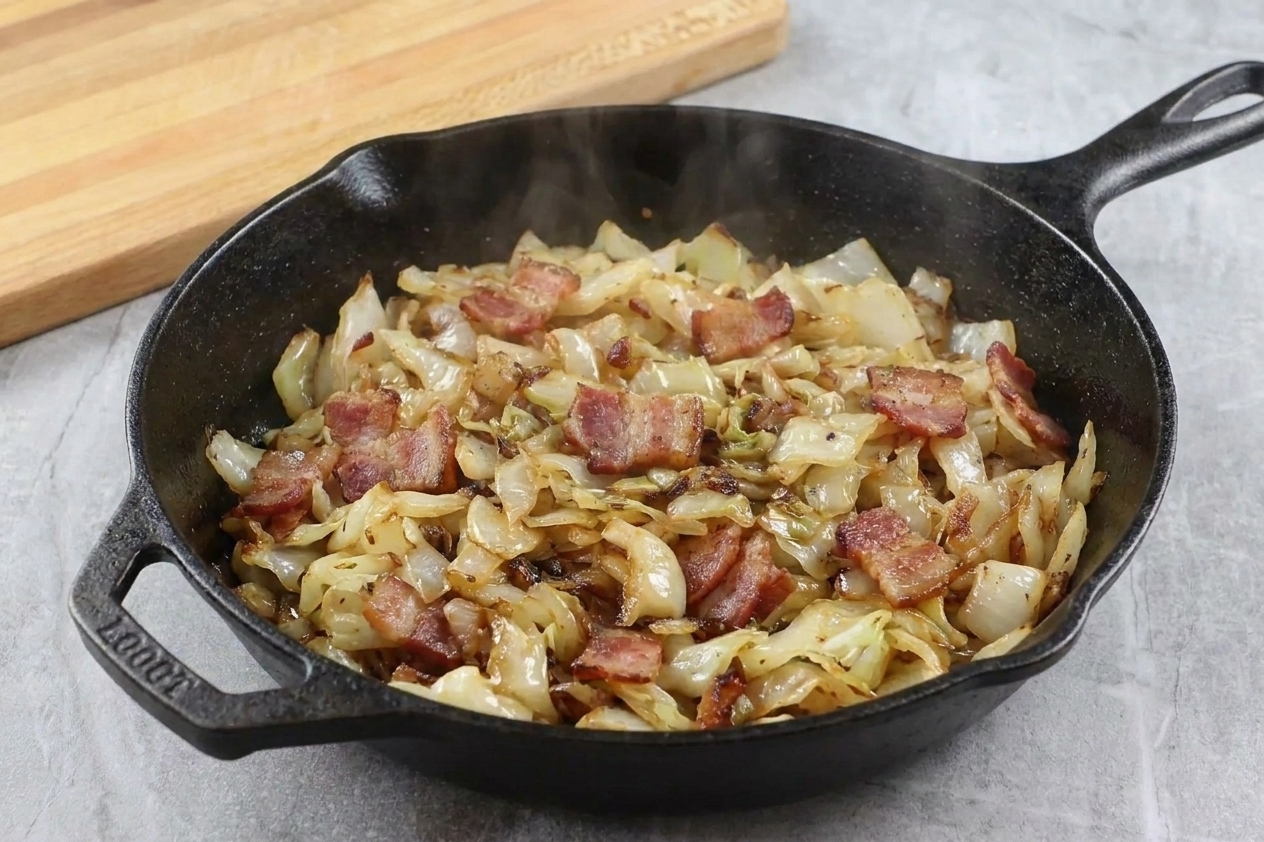
  • Easy to remix: turn it into a heartier side with potatoes, bacon, or garlic.

Pairs Well With

Storage Tips

Refrigerate: Store cooled boiled cabbage in an airtight container for up to 4 days.

Reheat: Warm gently in a skillet with a knob of butter and a splash of water or broth. You can also microwave it covered in 30-second bursts, stirring in between.

Freezing: You can freeze it, but the texture will get softer after thawing. If you do freeze, pack it in a freezer bag with as much air pressed out as possible and use within 2 months. Best for soups, casseroles, or sautéing after thawing.

Common Questions

How do I keep boiled cabbage from smelling strong?

The biggest fix is simple: do not overcook it. Keep the pot at a gentle simmer (not a rolling boil), and start checking early. Good ventilation helps too, so crack a window or run the hood fan if you can. A little lemon juice or apple cider vinegar at the end does not stop the cooking smell, but it does brighten the flavor and can make the cabbage taste cleaner.

How long should I boil cabbage?

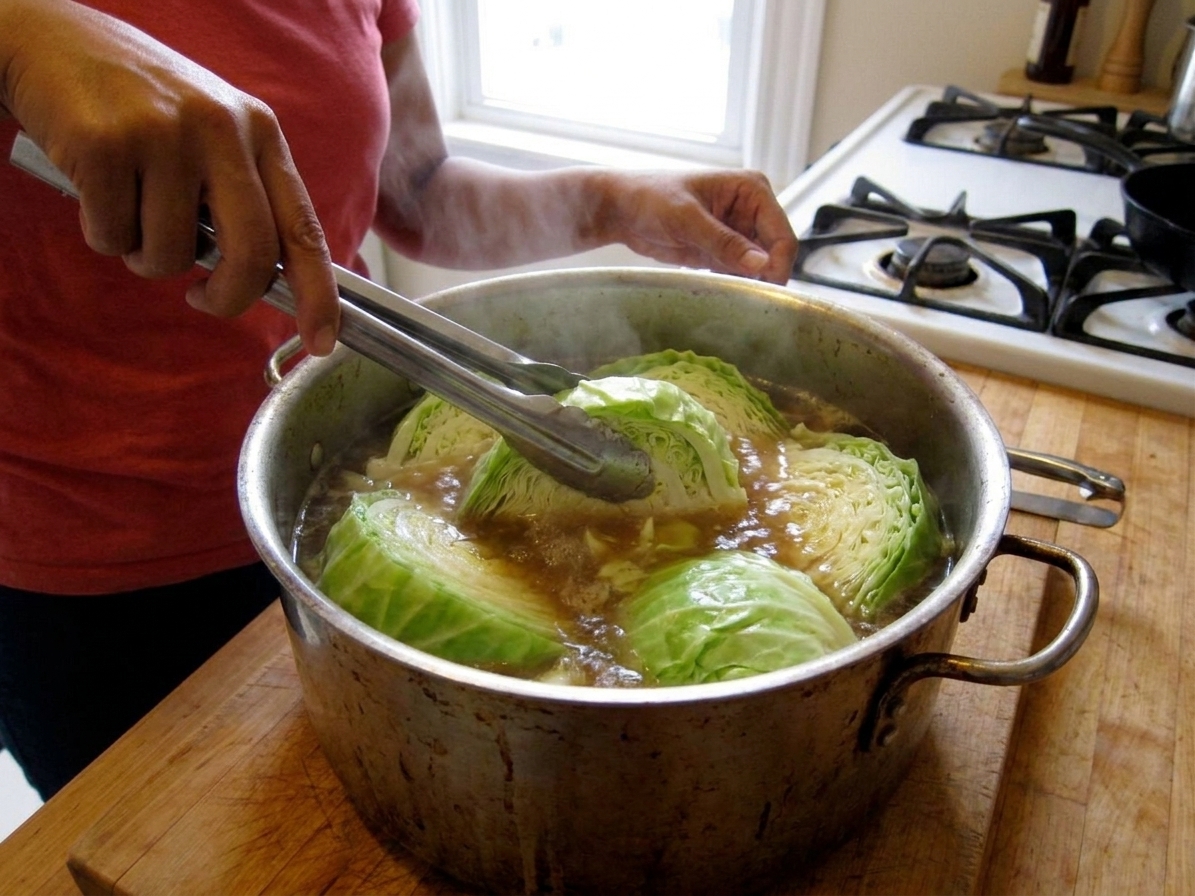
For wedges in simmering water, plan on 8 to 12 minutes for tender-crisp and 12 to 15 minutes for softer cabbage. Thickness and cabbage age vary, so use the clock as a guide and a fork or knife as the final judge. You want a knife to slide in with slight resistance for tender-crisp.

Should I cut out the core?

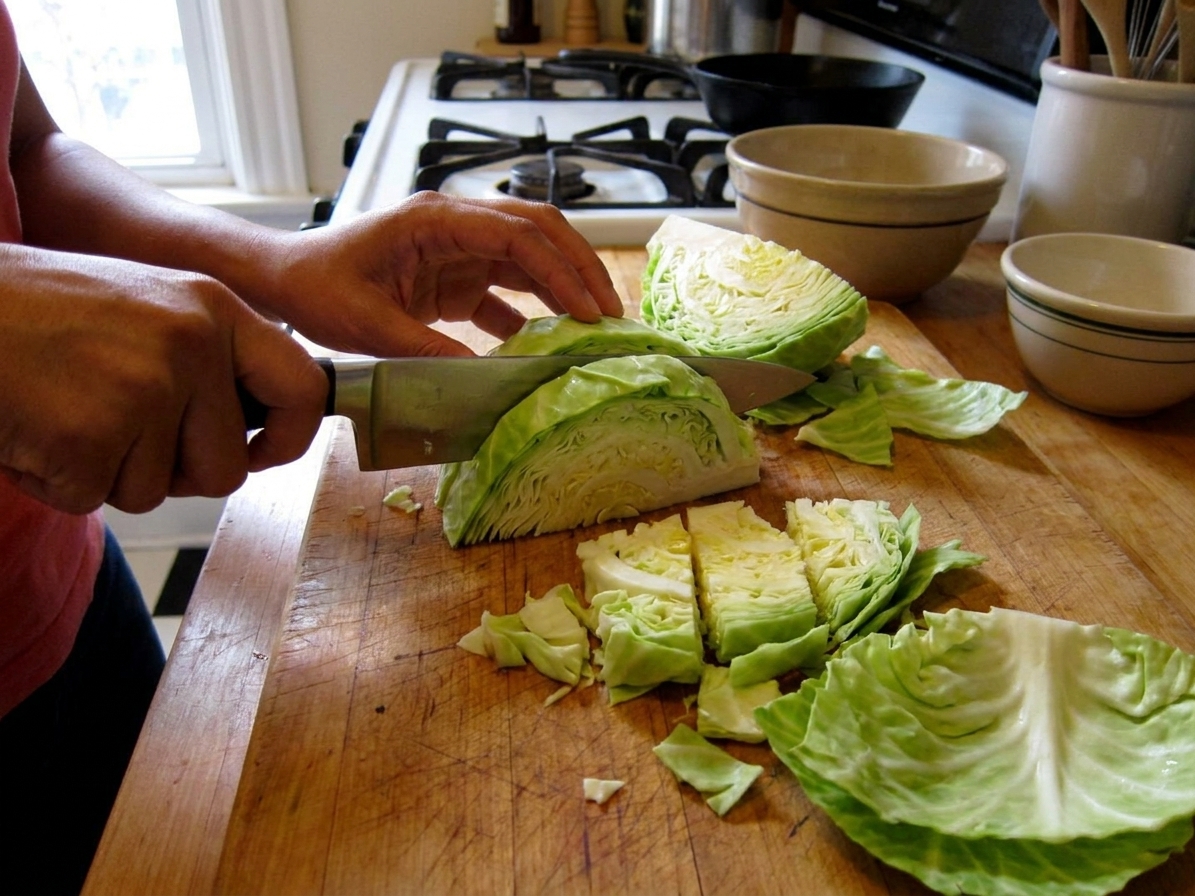
Trim the very end if it is gnarly, but leave most of the core in. It holds the wedges together so you are not chasing ribbons of cabbage around the pot.

Can I boil cabbage in broth instead of water?

Yes, and it is a great upgrade. Use chicken or vegetable broth, then taste before adding extra salt since broths vary.

Why is my cabbage mushy?

It is almost always overcooked. Pull it earlier next time and drain right away so it stops cooking from residual heat.

I used to think cabbage was only for slaws and “I guess this is healthy” moments. Then I started cooking more practical, old-school sides, the kind that show up next to meatloaf, pork chops, or anything you can mop a sauce with. Boiled cabbage surprised me. Done right, it is sweet and cozy, and it basically begs for butter and black pepper. It is also one of those dishes that makes you feel like you have your life together, even if your kitchen is a little chaotic.