Mom's Best Recipes
Recipe

Braised Beef Tail

Slow-braised beef tail in a red wine gravy with carrots, herbs, and plenty of cozy vibes.

Author By Matt Campbell
4.8
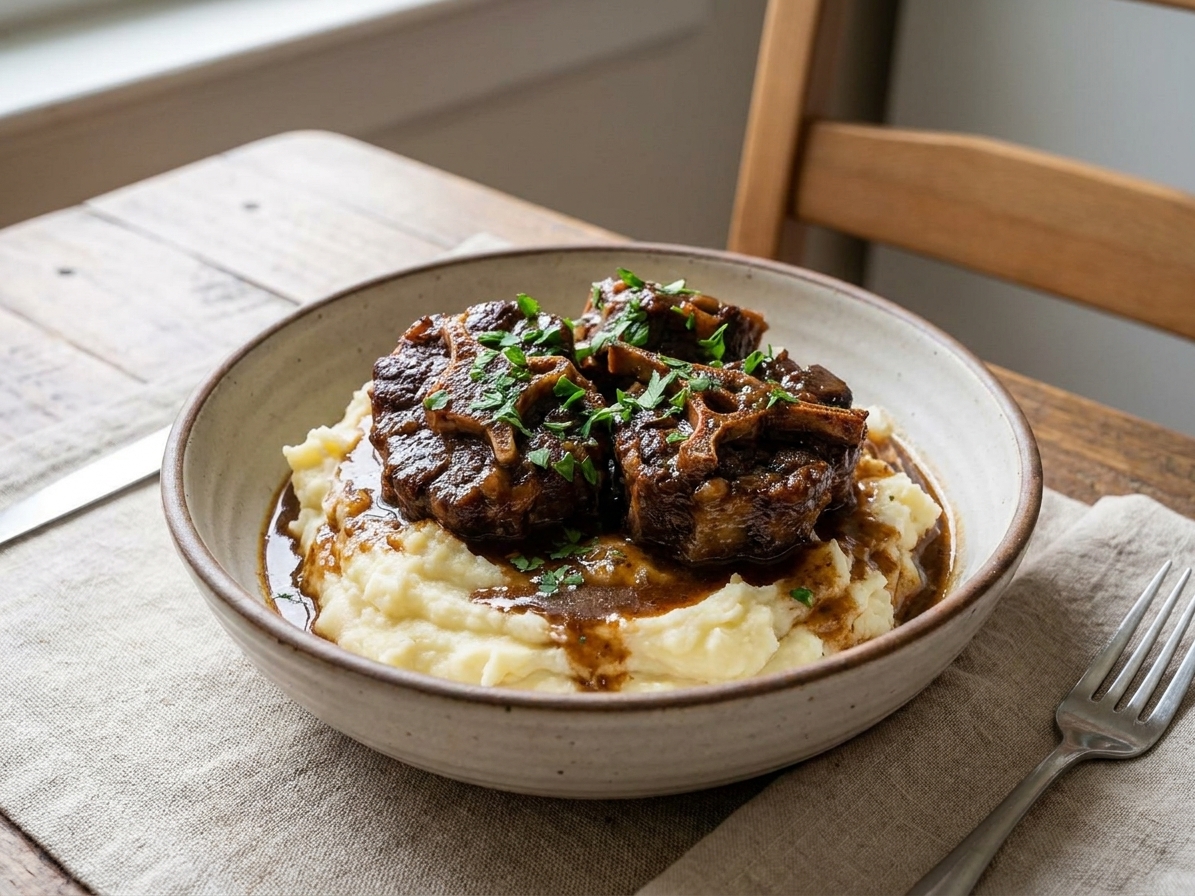
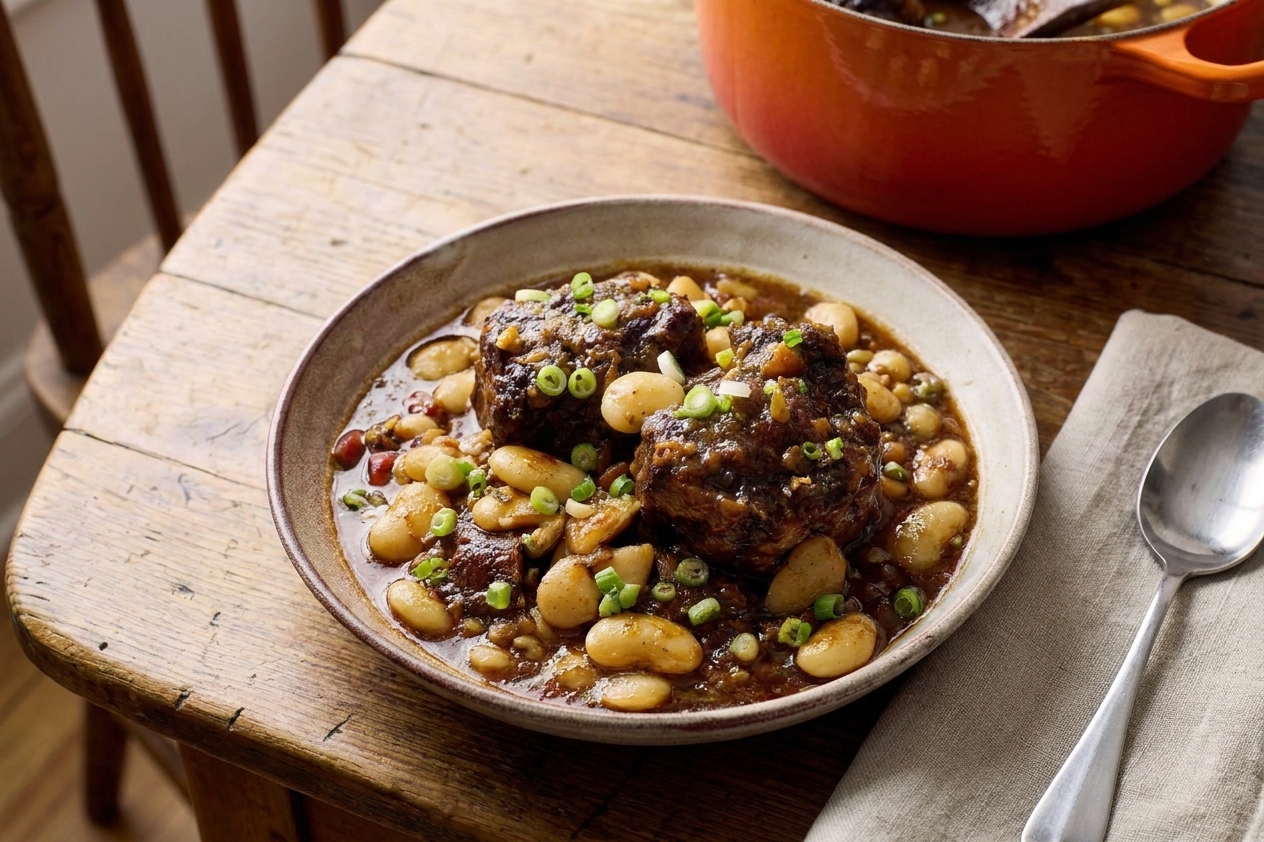
A plated serving of braised beef tail with glossy red wine gravy, mashed potatoes, and carrots on a simple white plate at a wooden table

Beef tail is one of those cuts that looks intimidating until you realize it only wants one thing from you: time. Give it a good sear, tuck it into a pot with aromatics and a flavorful braising liquid, then let low heat do the heavy lifting. A few hours later you get fork-tender meat, a sauce that tastes like it has a backstory, and that unmistakable collagen-rich silkiness that makes you pause mid-bite and go, okay, wow.

This recipe is my weeknight-to-weekend bridge. It is hands-off enough to make on a lazy Sunday, but it also feels special enough to serve when you want to impress without pulling out twelve tiny bowls of ingredients. We keep it accessible with pantry staples, then use a couple smart moves like a strong sear and a quick sauce reduction to make it taste restaurant-level.
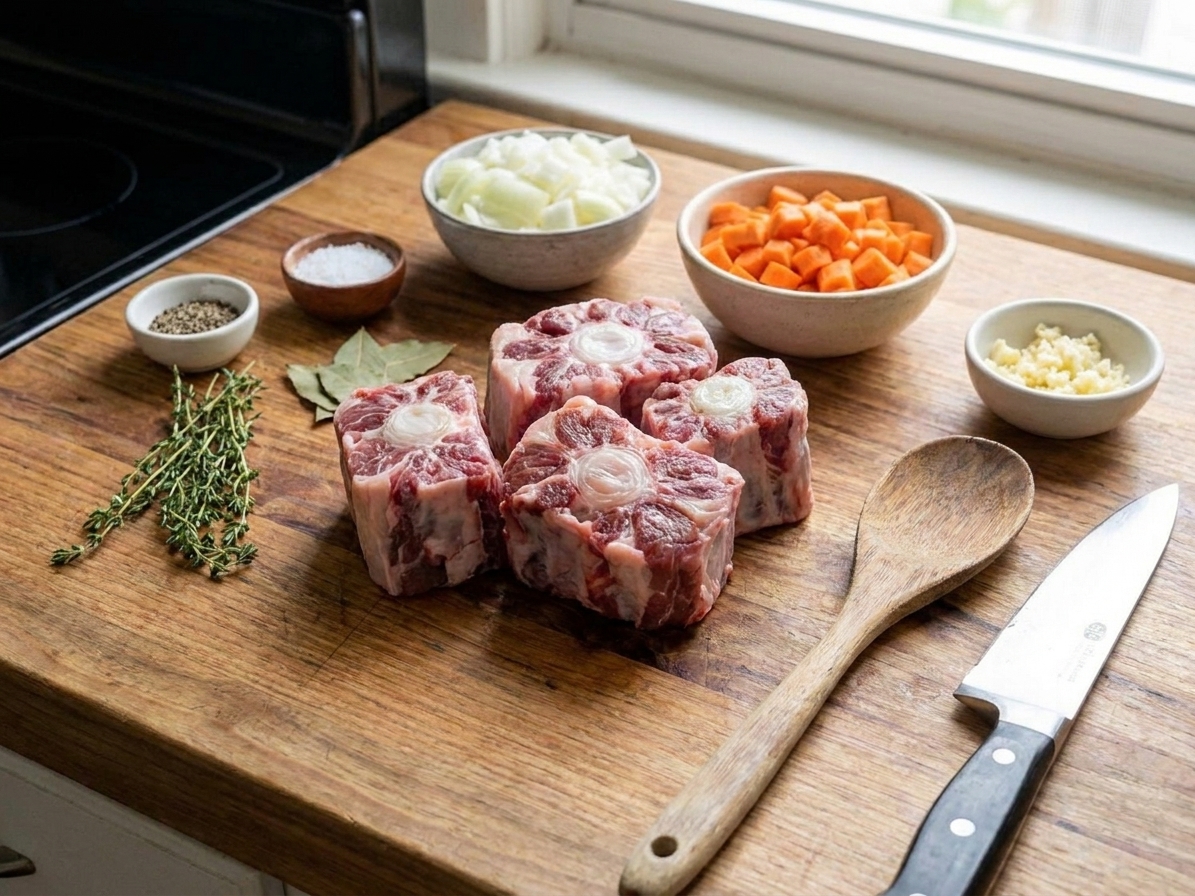
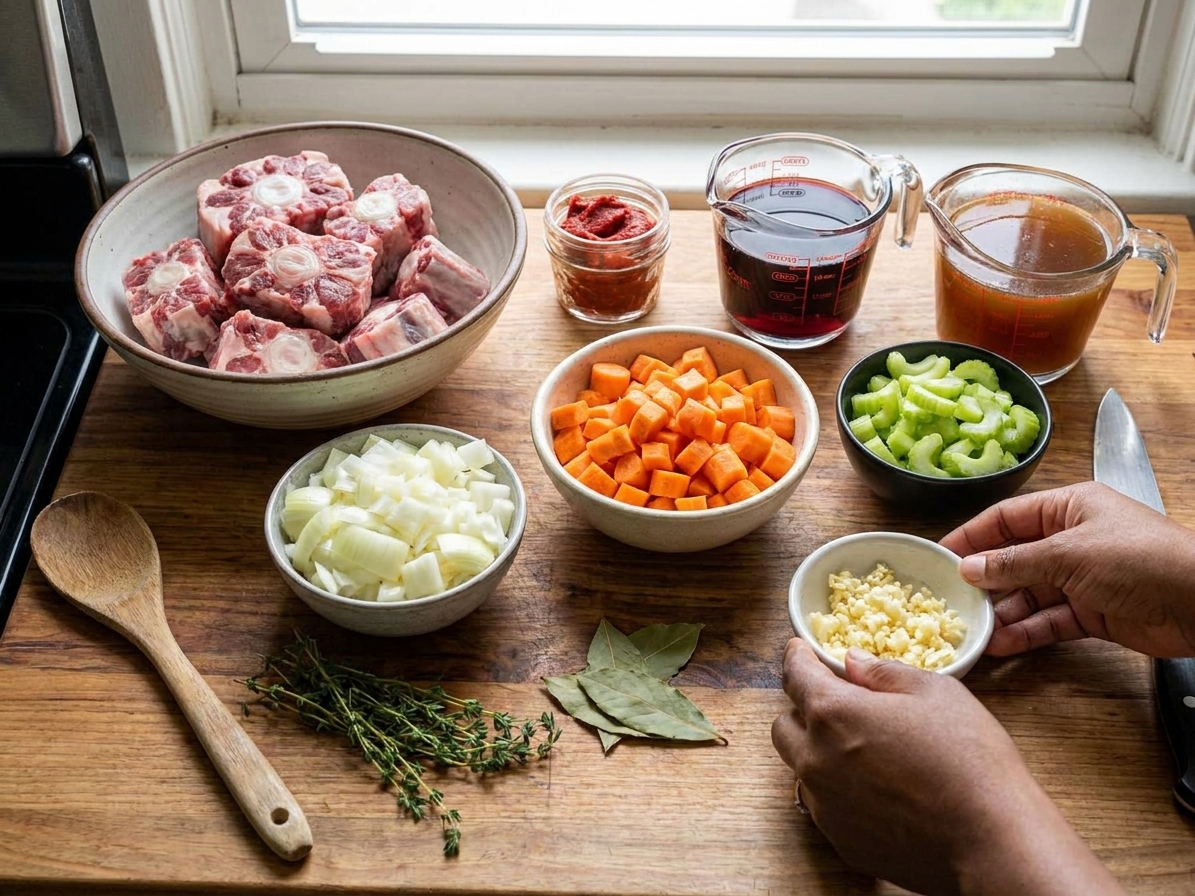
Raw beef tail pieces arranged on a wooden cutting board with salt, pepper, onions, carrots, and garlic nearby on a bright kitchen counter

Why It Works

  • Fall-apart tenderness: Beef tail is loaded with connective tissue that melts into gelatin as it braises, so the meat turns succulent instead of dry.
  • A sauce that clings: Tomato paste, wine, and a final reduction create a glossy gravy that actually sticks to noodles, potatoes, or rice.
  • Big flavor, low drama: The only high-heat moment is the sear. After that, it is mostly gentle simmering and patience.
  • Flexible finish: Keep it rustic and brothy, or strain and reduce for a smoother, fancier sauce.
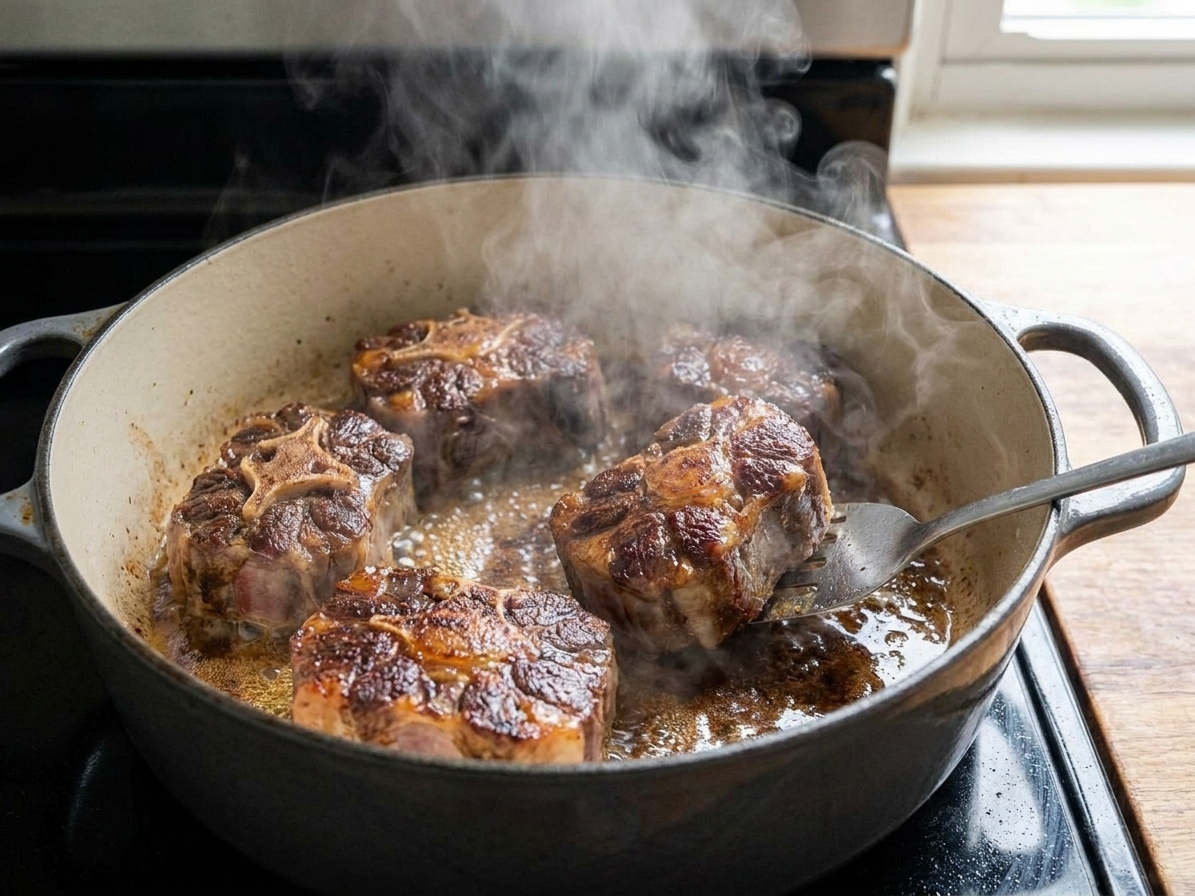
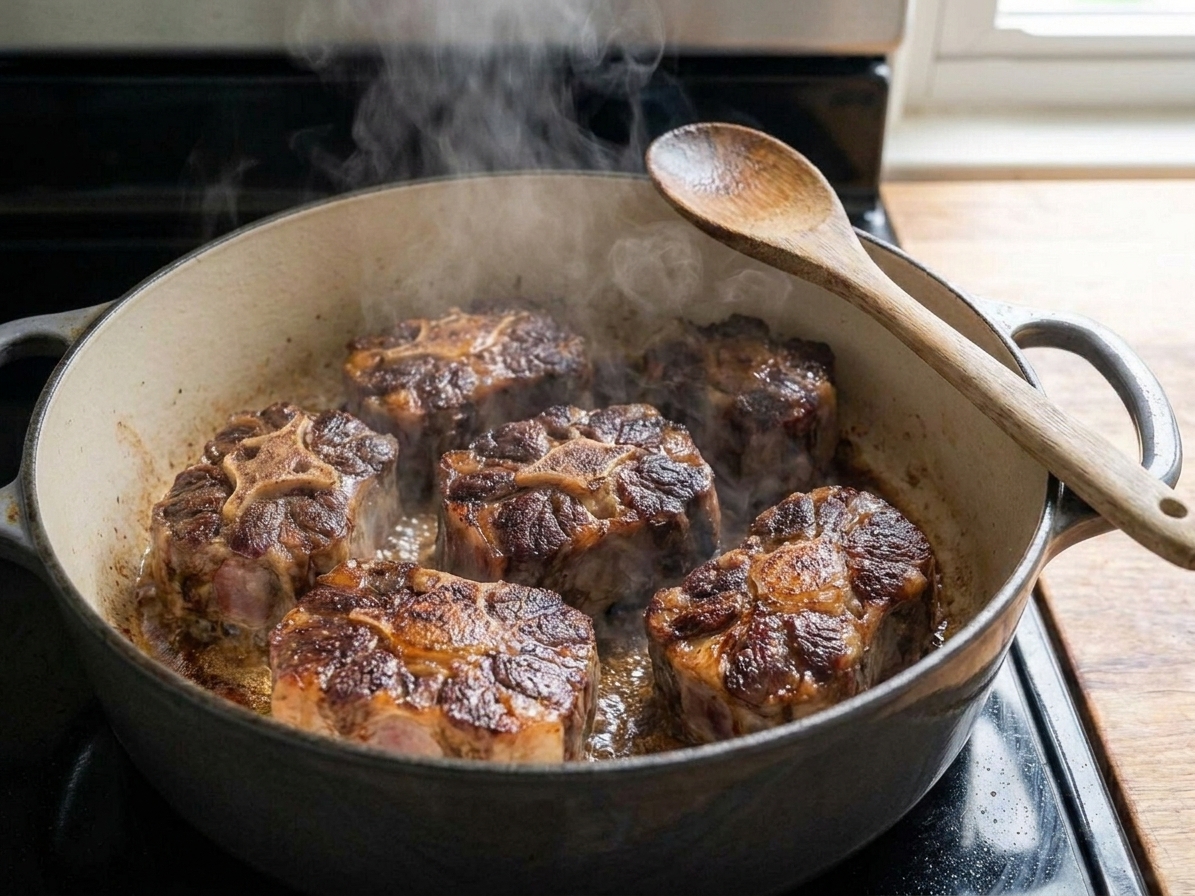
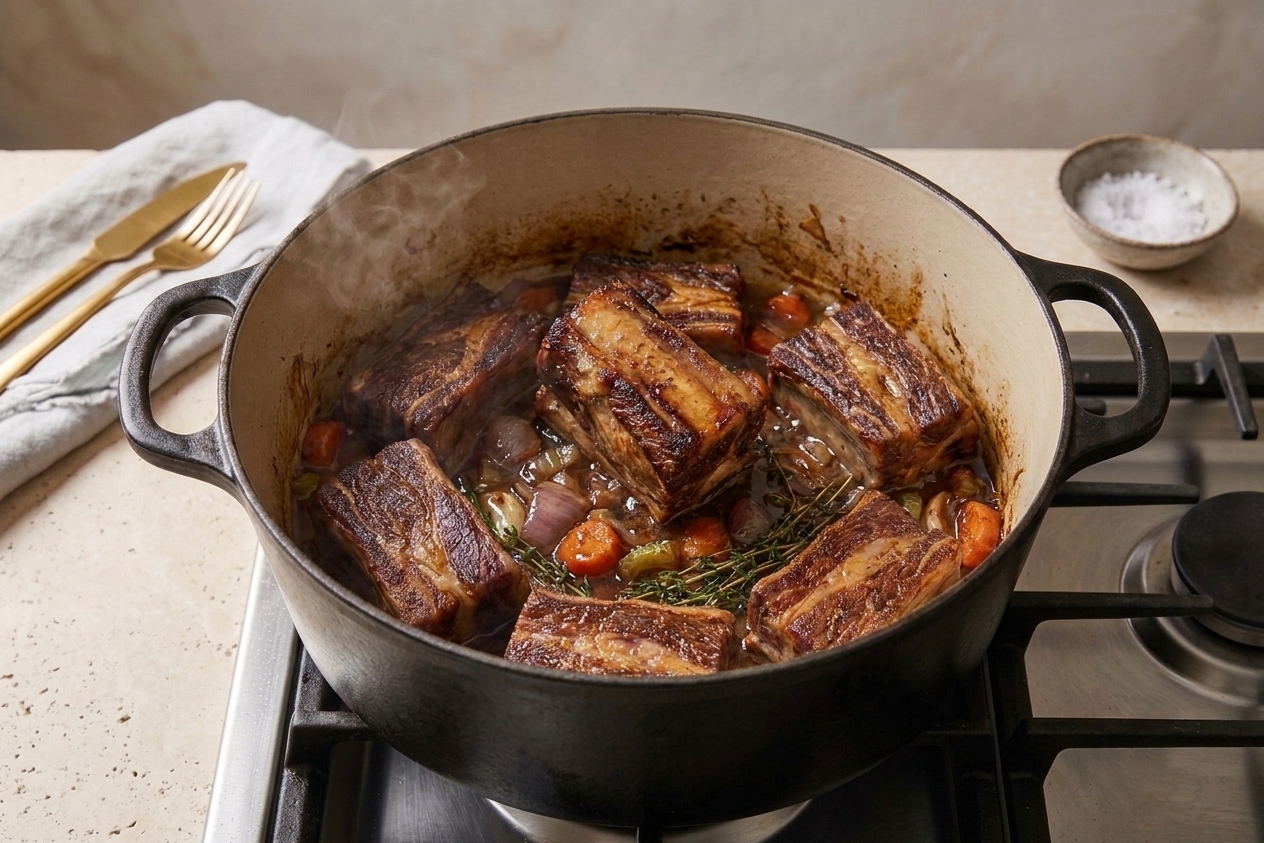
Beef tail pieces browning in a Dutch oven on a stovetop with visible caramelized edges and a wooden spoon nearby

Pairs Well With

Storage Tips

Refrigerate: Cool leftovers, then store beef tail with sauce in an airtight container for up to 4 days. The sauce will thicken in the fridge because gelatin is doing its job.

Freeze: Freeze in containers or freezer bags for up to 3 months. I like portioning so you can thaw exactly what you need.

Reheat: Warm gently on the stove over low heat with a splash of broth or water, covered, until the meat is hot and the sauce loosens. Microwave works too, but do it in short bursts and stir so the sauce reheats evenly.

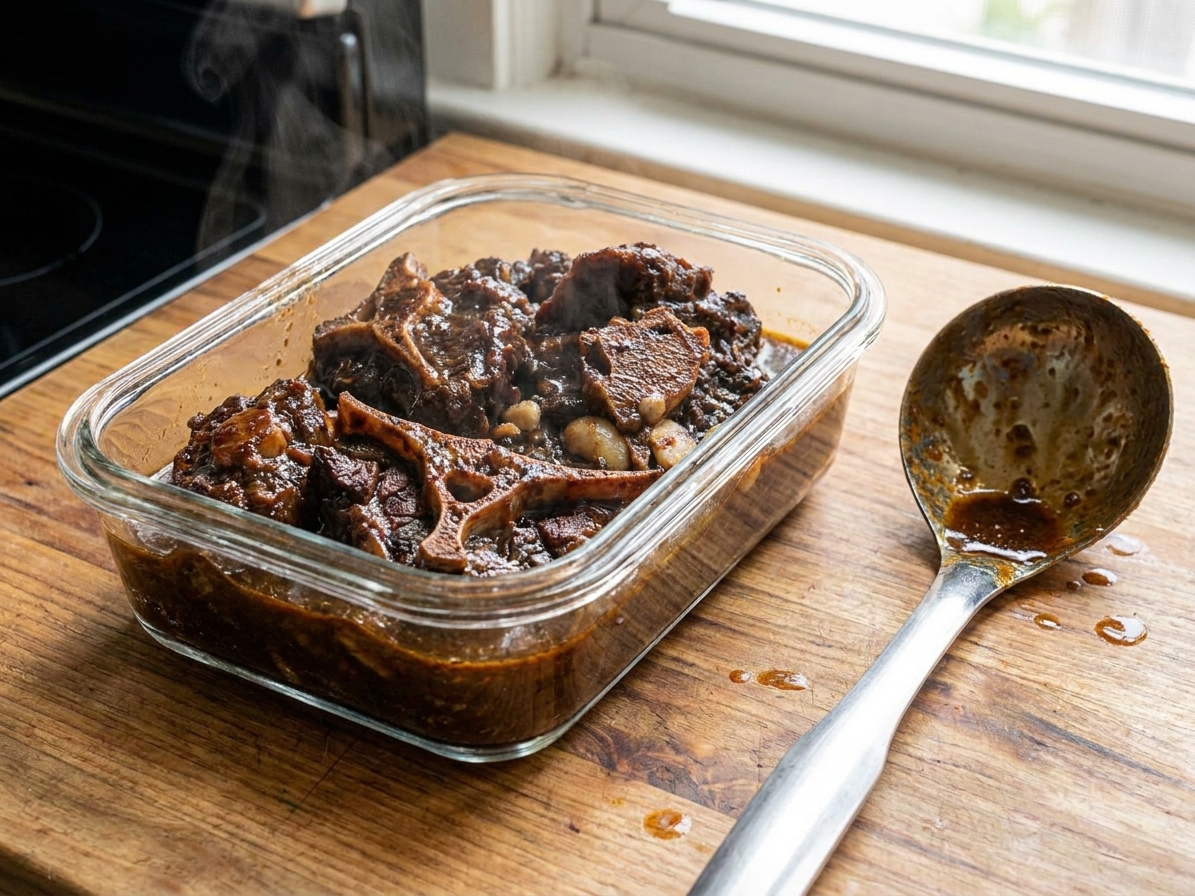
A glass meal prep container filled with braised beef tail and sauce cooling on a kitchen counter next to a ladle

Common Questions

Is beef tail the same as oxtail?

In most stores, yes. Oxtail is the common retail and culinary name for cattle tail, and it is not necessarily from an ox or steer. Labeling varies by region, but it cooks the same either way: low and slow until tender.

How do I know when beef tail is done?

It is ready when the meat pulls away from the bone easily and a fork slides in with little resistance. If it still feels tight or chewy, it needs more time.

Can I make this without red wine?

Absolutely. Swap the wine for more beef broth plus 1 tablespoon balsamic vinegar (or 2 teaspoons red wine vinegar) for acidity. You still get a deep, balanced sauce.

Do I have to brown the beef tail?

You do not have to, but you really should. Searing builds the foundation for the sauce. If you skip it, the braise will taste flatter.

Why is my sauce greasy?

Beef tail has a good amount of fat. Skim the surface with a spoon, or chill overnight and lift off the hardened fat cap the next day. Both work great.

Can I do this in a slow cooker?

Yes. Still sear the beef tail and sauté the aromatics first, then cook on low 8 to 10 hours until tender. Reduce the sauce on the stove at the end for the best texture.

The first time I cooked beef tail, I treated it like a dare. It was a cold night, I had a new Dutch oven, and I wanted something that felt like a restaurant bowl without restaurant prices. The smell after the sear and that first hit of tomato paste in the pot had me pacing the kitchen like an impatient movie character. Hours later, I learned the real lesson: this cut rewards you for doing less, not more. Sear it well, keep the simmer gentle, and let the sauce turn into the kind of glossy comfort you would gladly drag bread through in public.