How do I know when lobster tail is done?
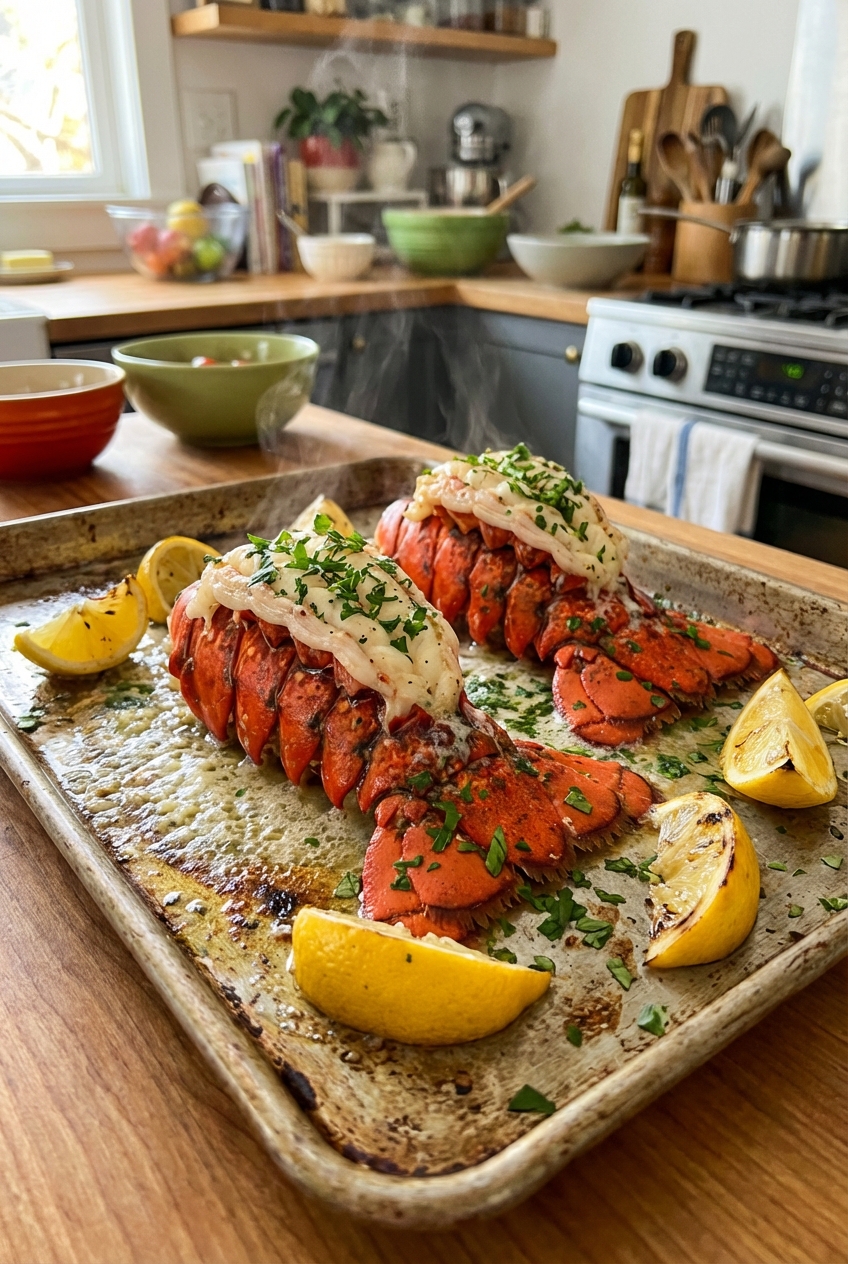
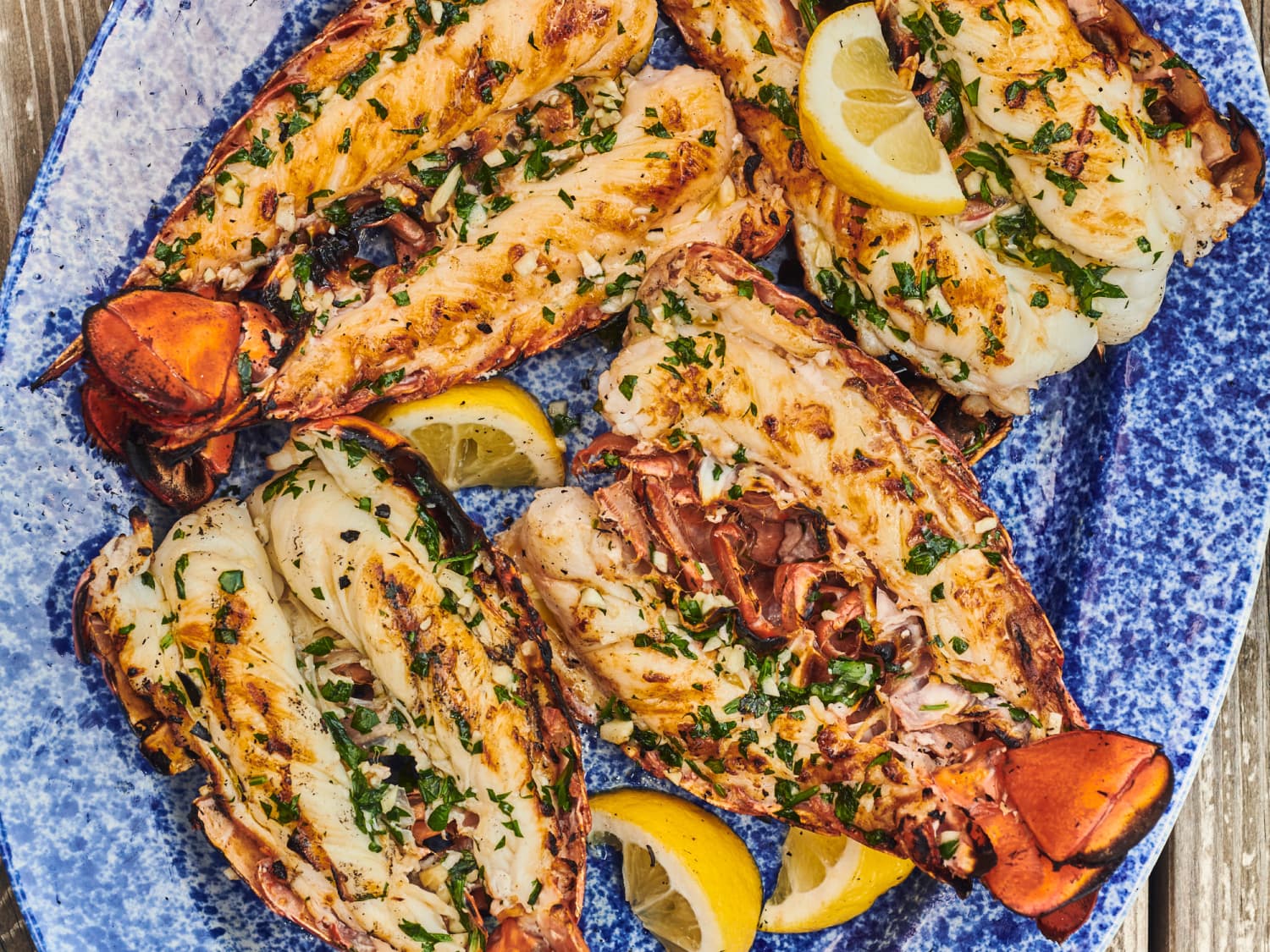
Look for meat that is opaque and pearly white with a slight firmness. If you have an instant-read thermometer, aim for about 140°F in the thickest part (up to 145°F is a common target). If you pull it closer to 135°F to 140°F, it will usually coast up a few degrees as it rests. Try not to chase 150°F unless you like your lobster on the extra chewy side.
Do I have to cut the shell and lift the meat?
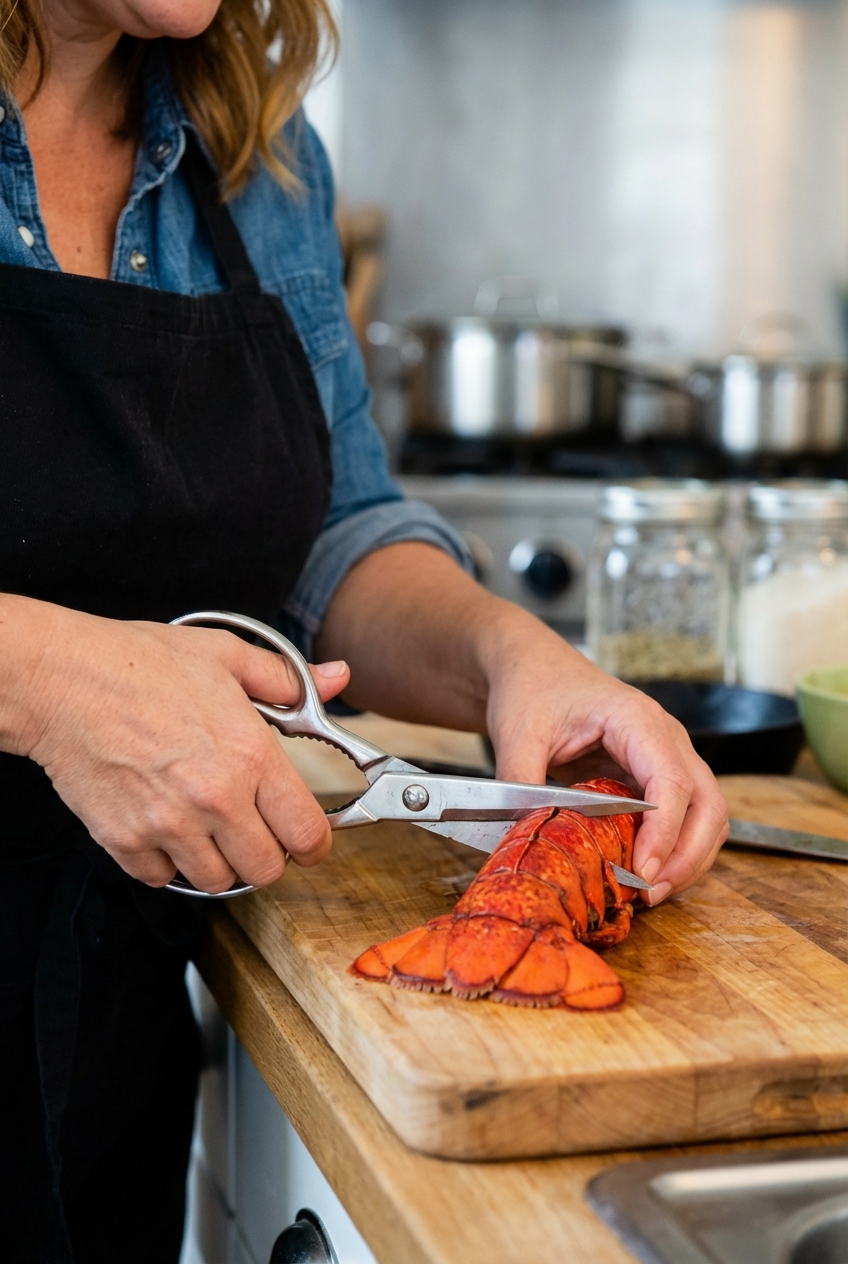
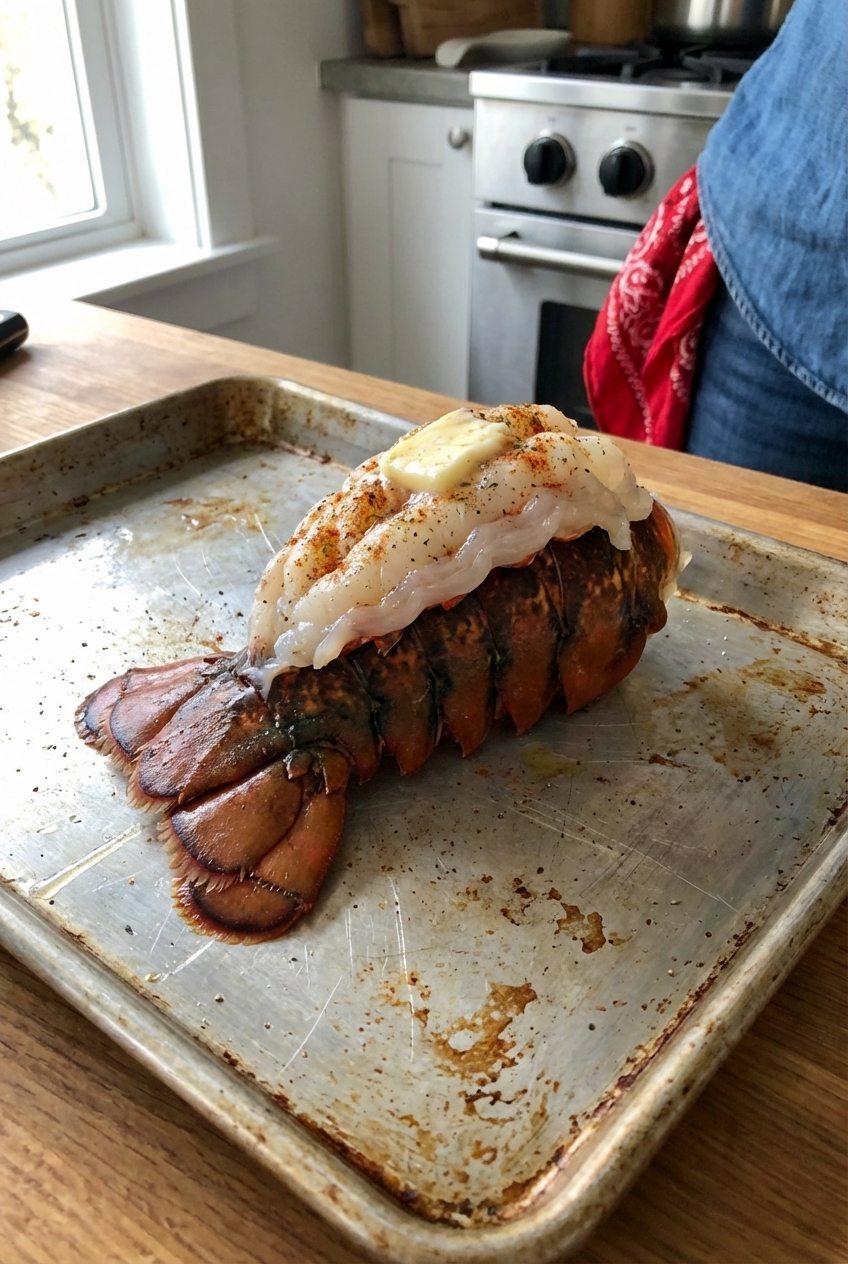
No, but it helps. Splitting and “piggybacking” the meat makes the tail cook more evenly and gives you more surface area for that buttery browning.
What size lobster tails work best for broiling?
4 to 8 ounces each is the sweet spot for home broilers. If the tails are very thick (roughly 1 to 1.5 inches at the widest point) or extra large, you may need to move the rack down one level so the top does not brown too fast before the center cooks.
Can I use salted butter?
Yes. Just go lighter on added salt and taste your butter sauce before brushing it on. Lobster is naturally a little sweet, and oversalting is the easiest way to mute that.
What should I serve with broiled lobster tails?
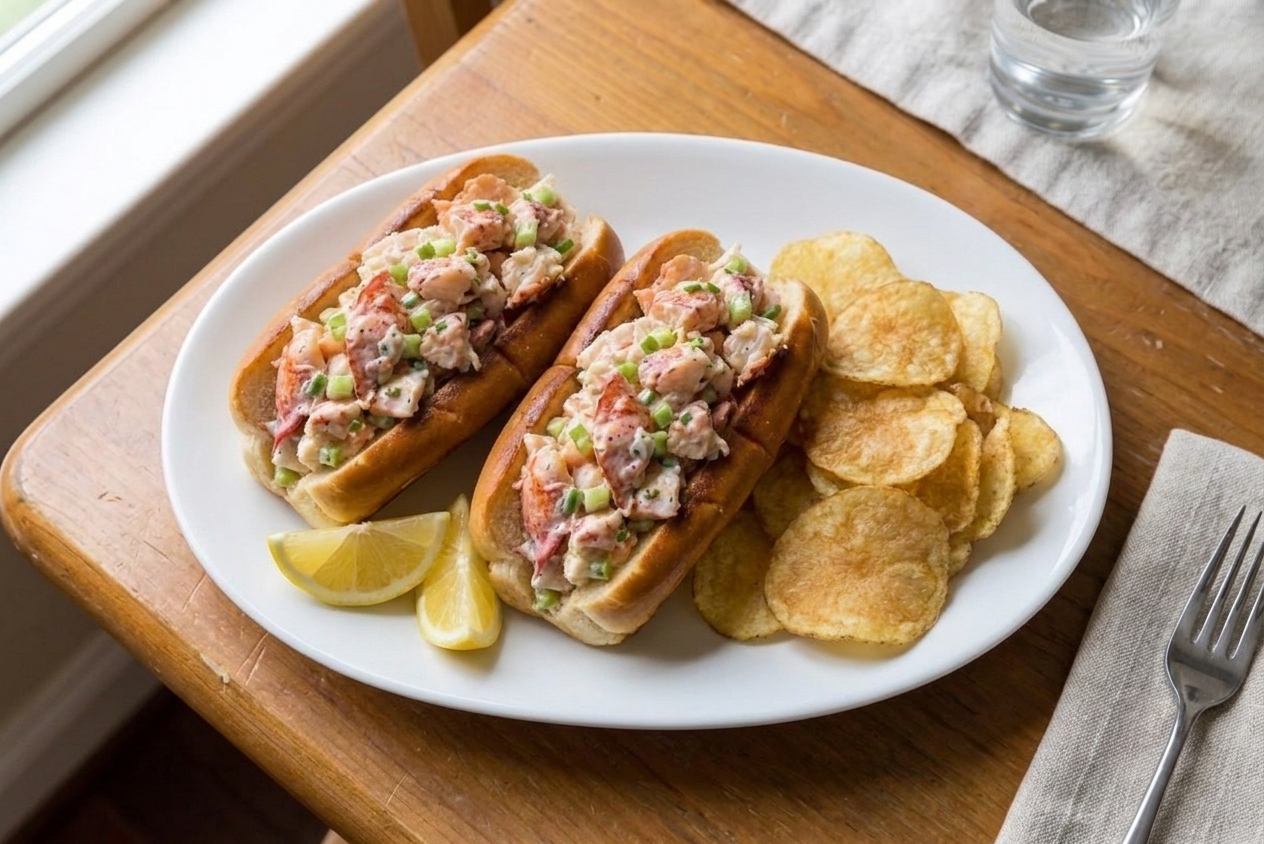
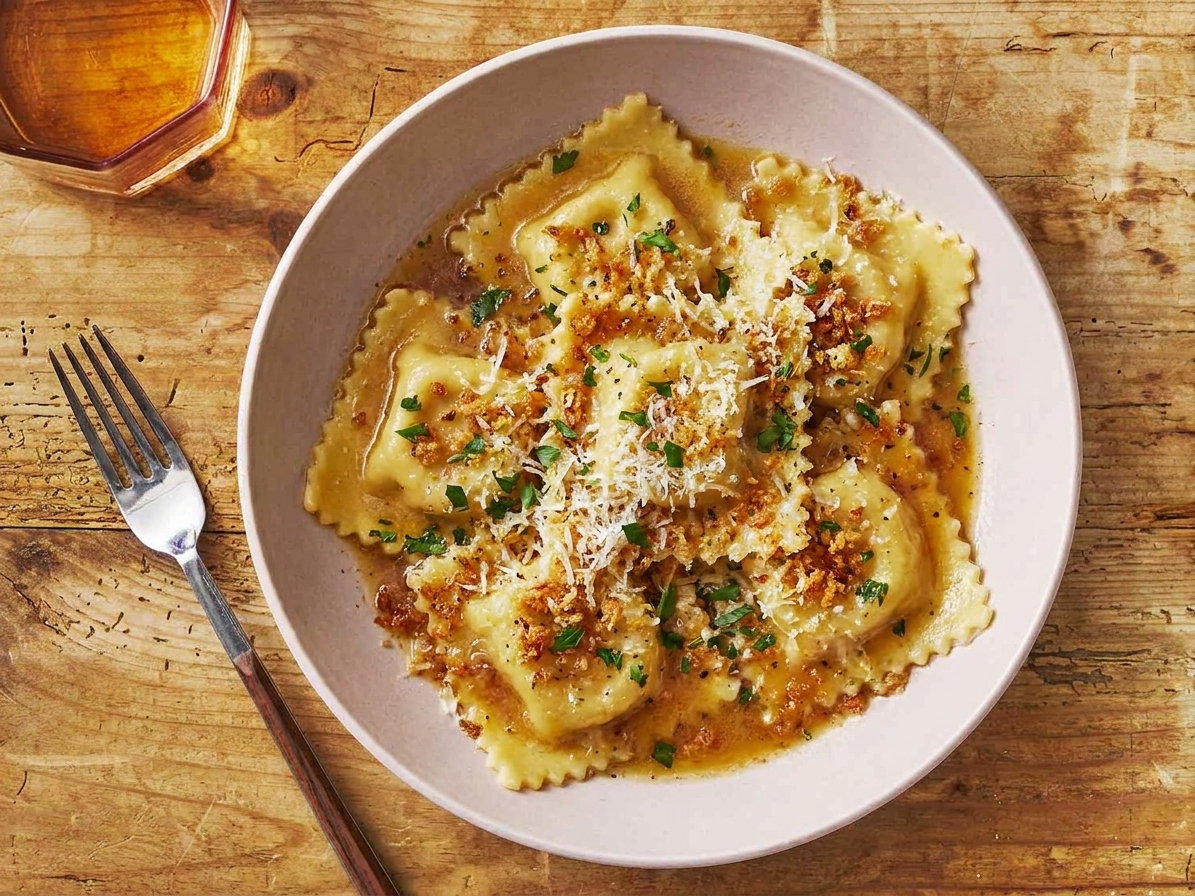
Anything that loves garlic butter: toasted bread, mashed potatoes, rice, or a cozy pasta. For balance, add something crisp like a simple arugula salad or roasted asparagus.
How do I thaw frozen lobster tails?
Best: thaw overnight in the fridge. Fast: seal tails in a bag and submerge in cold water for 30 to 60 minutes, changing the water once if it warms up. Pat dry before broiling for better browning.