Mom's Best Recipes
Recipe

Brown Sugar Ham Glaze

A sticky-sweet, tangy brown sugar glaze that caramelizes into glossy edges and makes any ham taste holiday-level good.

Author By Matt Campbell
4.8
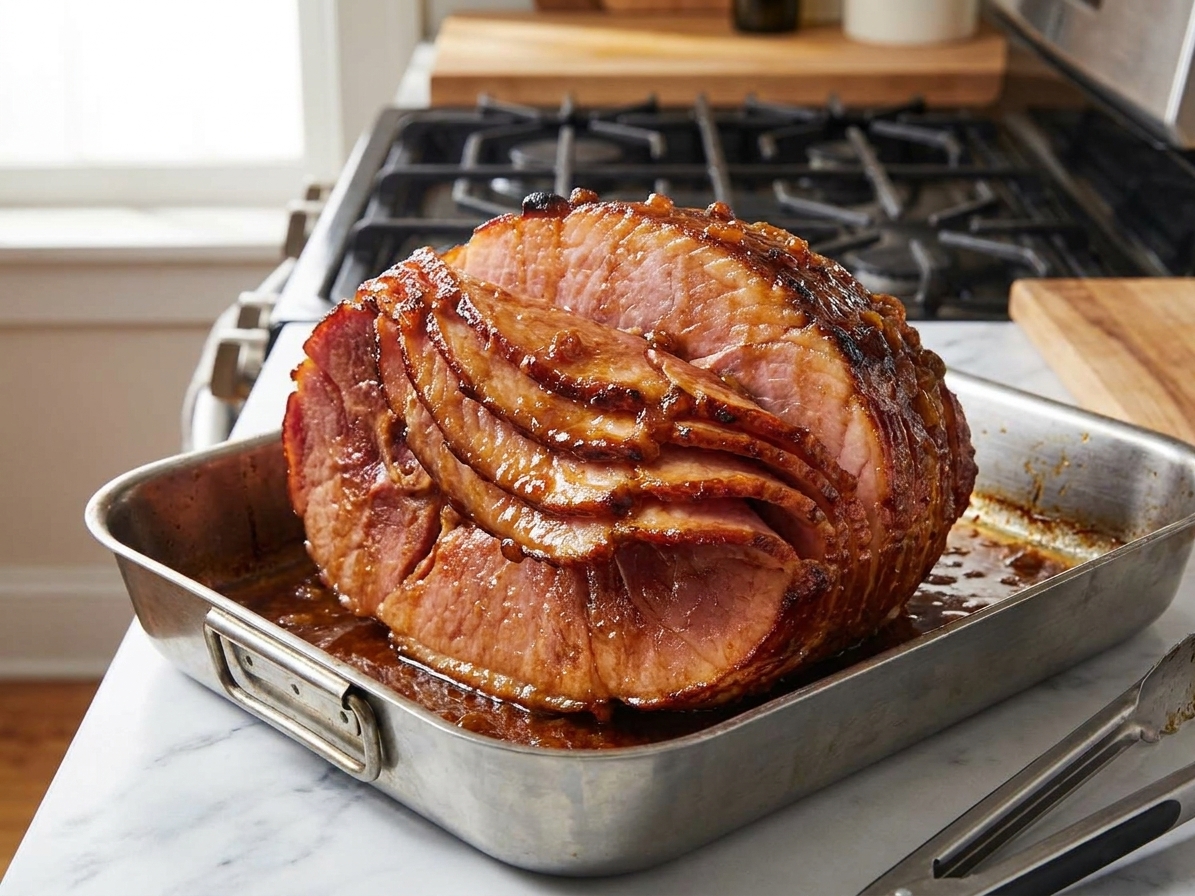
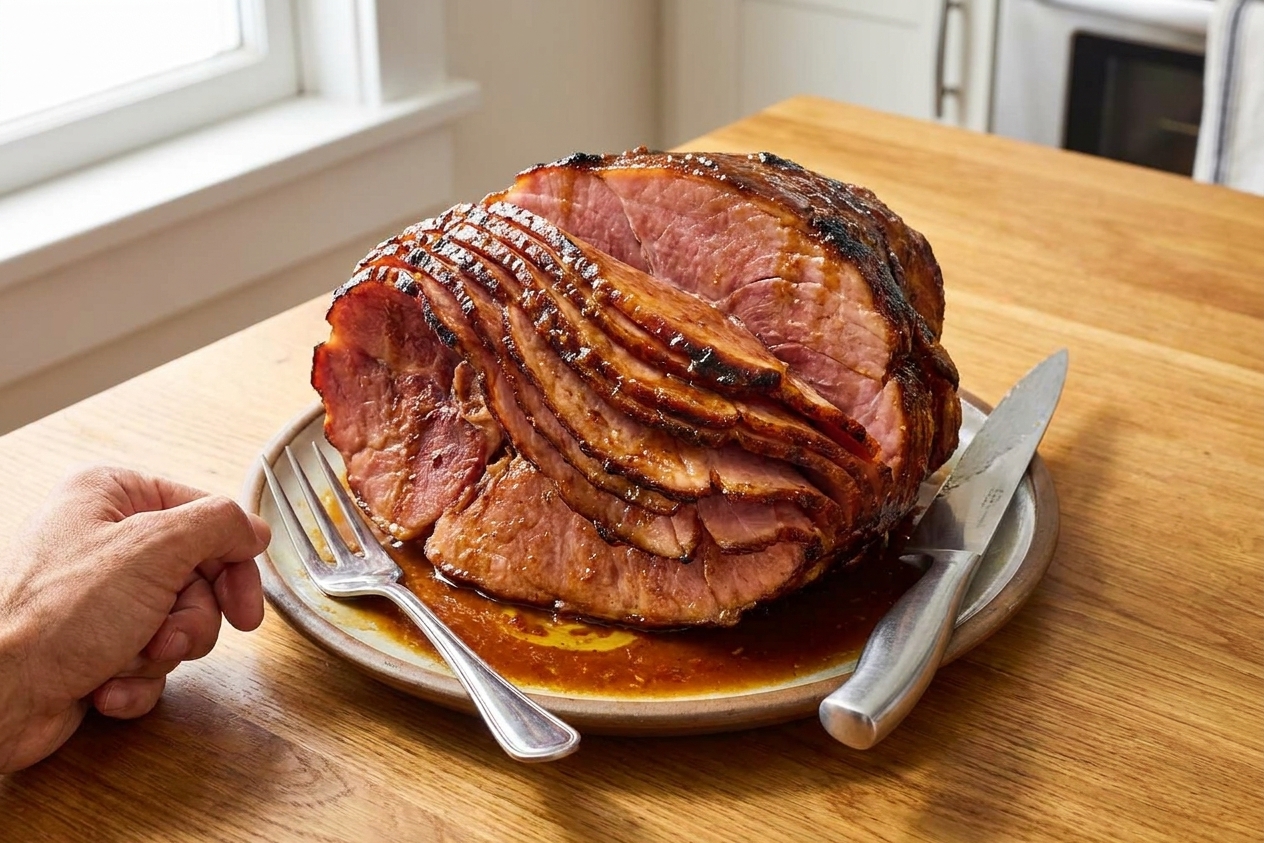
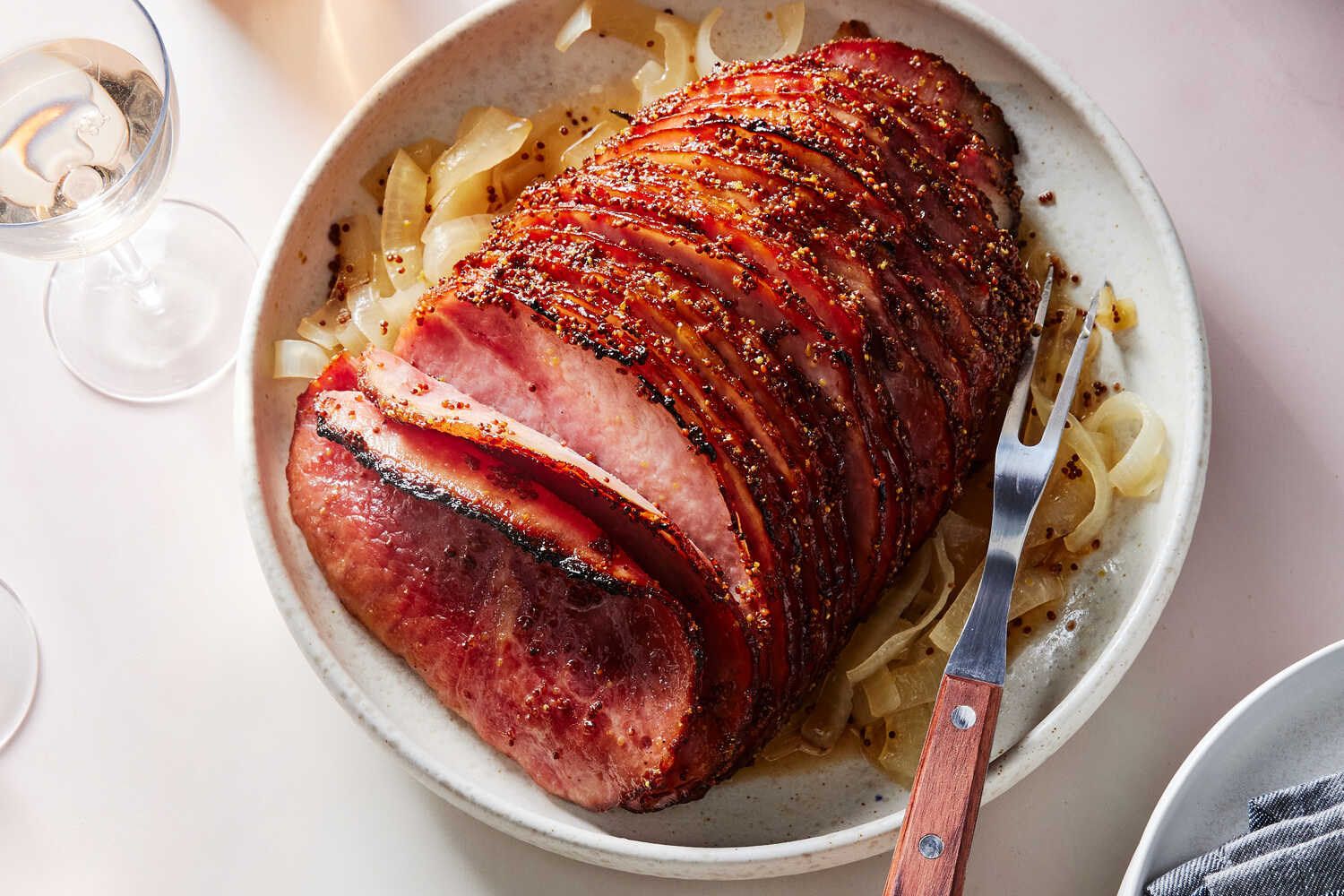
A sliced spiral ham on a platter with a glossy brown sugar glaze, caramelized edges, and juices pooling slightly at the bottom, set on a warm kitchen table with simple serving utensils

There are two kinds of ham situations: the one that tastes like it came straight from the deli case, and the one that makes everyone drift into the kitchen like a cartoon character following a scent trail. This glaze is for the second scenario.

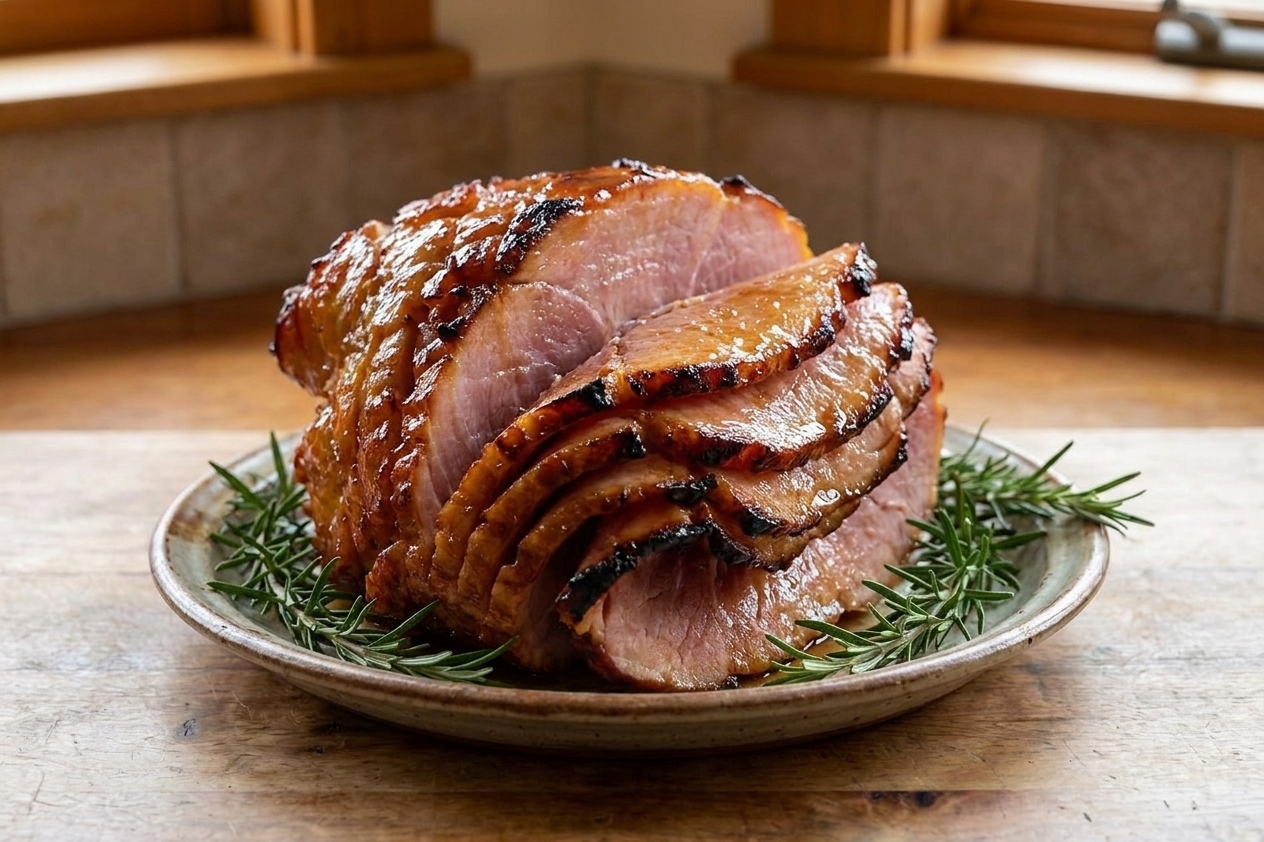
It is brown sugar forward but not cloying, thanks to Dijon and a little cider vinegar. Pineapple juice brings that classic ham vibe and helps the glaze melt into a lacquer you can actually see. You brush it on in layers, it bubbles, it tightens, and suddenly your ham has crisp edges and a sticky, glossy coat that makes people go back for “just one more” slice.
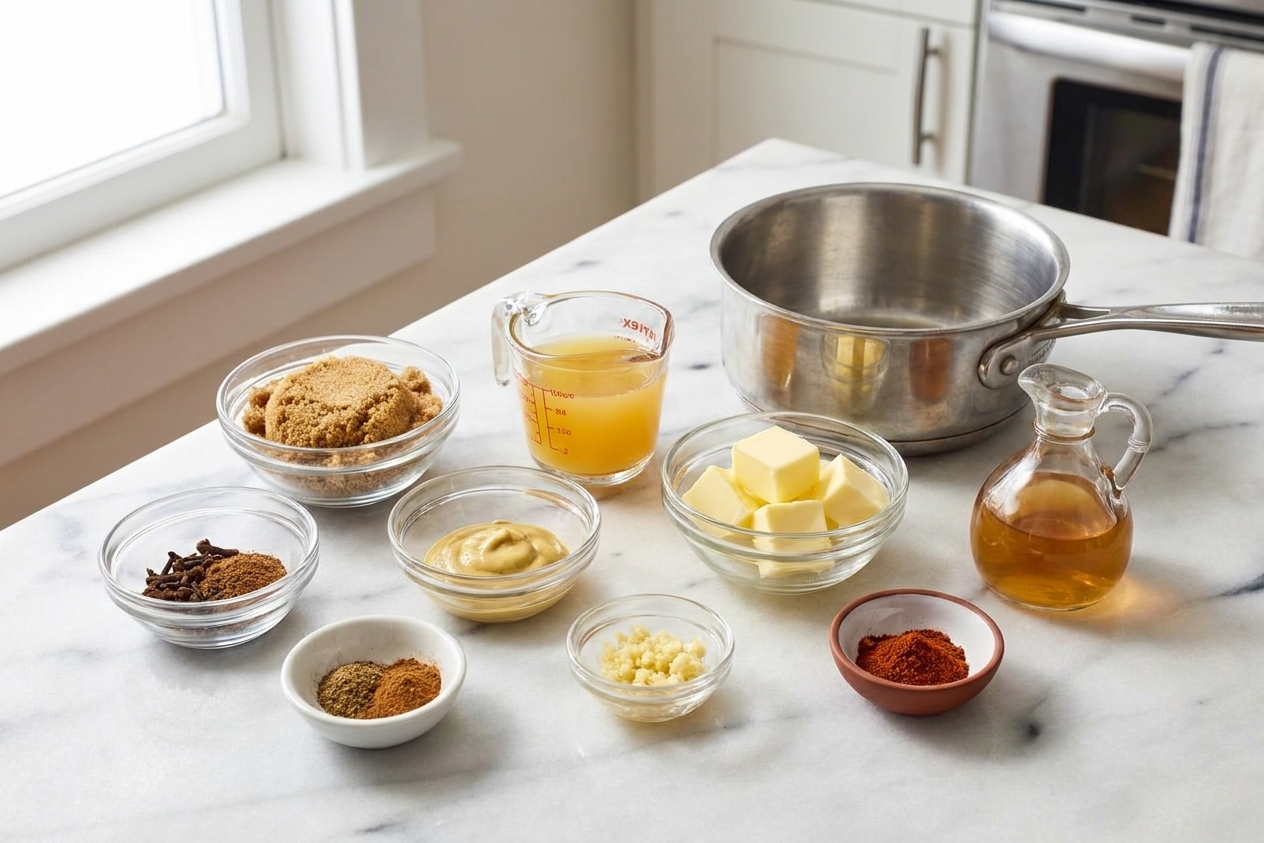
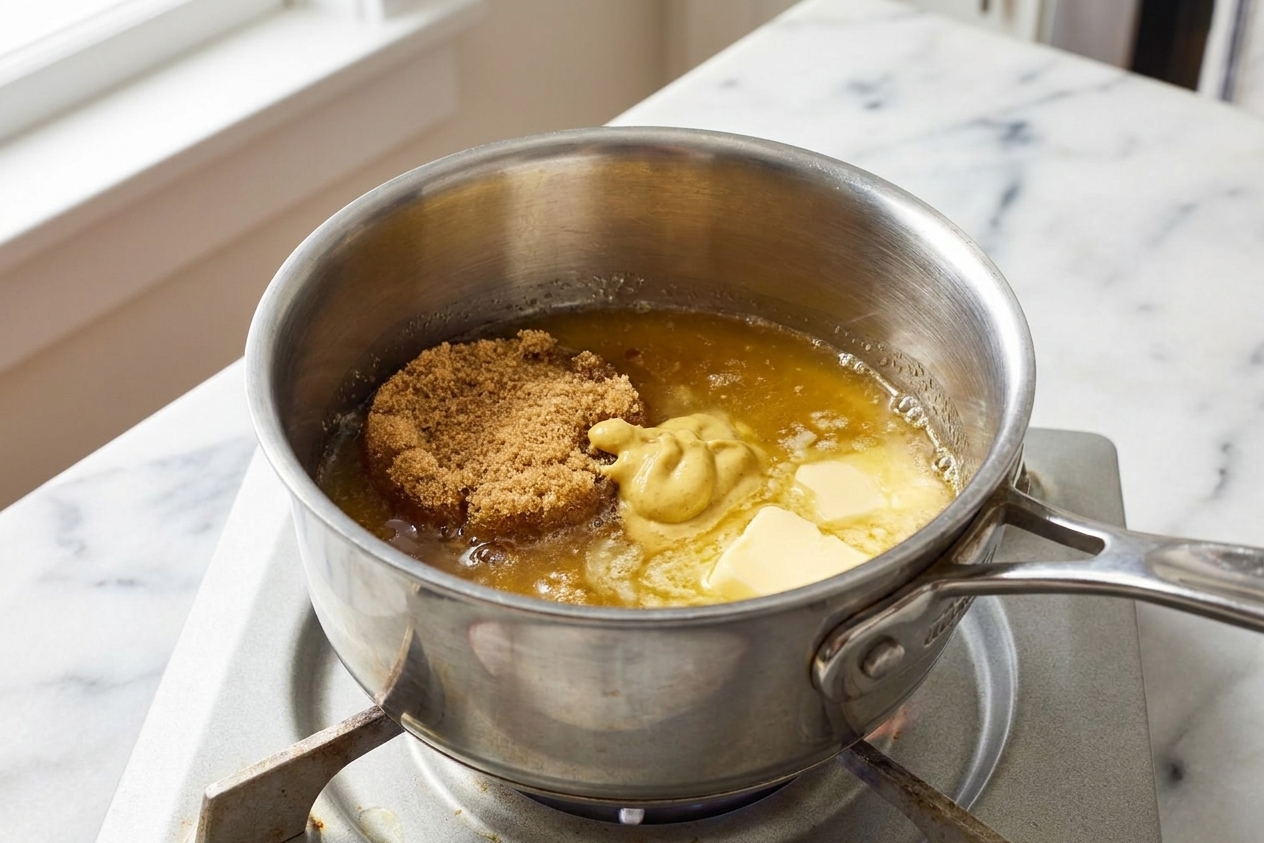
A kitchen counter setup with brown sugar, Dijon mustard, pineapple juice, butter, garlic, cider vinegar, and spices measured in small bowls next to a small saucepan

Why It Works

  • Big flavor with small effort: Brown sugar for caramel notes, Dijon for bite, and vinegar to keep it balanced.
  • Glossy, clingy texture: A quick simmer dissolves the sugar and thickens the glaze so it sticks instead of sliding off.
  • Built for layering: Brushing in 2 to 3 rounds gives you that shiny, caramelized finish without burning.
  • Flexible: Works for spiral-sliced ham, whole ham, ham steaks, or even a sheet pan of roasted carrots if you want to get a little weird in a good way.

Pairs Well With

Storage Tips

Leftover glazed ham: Cool, then refrigerate in an airtight container for up to 4 days. For best texture, store slices with a little of the pan juices if you have them.

Freezing: Freeze sliced ham (with a bit of juice) up to 2 months. Thaw overnight in the fridge.

Leftover glaze: If you set some glaze aside and it never touched the ham (or your brush), refrigerate it in a jar up to 1 week. If you brushed glaze on the ham and want to save what is left, bring it to a boil for 1 to 2 minutes, then cool and refrigerate up to 4 days. If you are not sure, toss it.

Reheating tip: Warm ham gently, covered, at 300°F with a splash of water or juices. High heat dries it out fast.

Timing note: The prep, cook, and total time listed above are for making the glaze itself. Ham baking time depends on size and what the package says.

Common Questions

Can I use this on a spiral ham?

Yes, and it is basically made for it. Brush some glaze between the slices where you can, then do 2 to 3 rounds of glazing near the end so the top gets sticky and shiny without turning bitter.

When should I put glaze on ham?

Add glaze toward the end. Ham is already cooked most of the time, so you are mainly heating it through. If you glaze too early, the sugar can burn before the center is hot. Start glazing in the last 30 minutes, then reapply every 10 to 15 minutes.

What internal temperature should ham reach?

Fully cooked, ready-to-eat ham: heat to about 140°F (or follow the package). Cook-before-eating ham: follow the package directions, and plan on at least 145°F. When in doubt, the label wins.

How do I keep the glaze from burning?

Keep the oven around 325°F, glaze late, and tent loosely with foil if the top is getting too dark. Also, do not reduce the glaze into a candy in the saucepan. You want syrupy, not thick like taffy.

What can I substitute for pineapple juice?

Orange juice works well. Apple juice is also great and a little more mellow. If you use orange juice, consider adding an extra teaspoon of vinegar to keep the balance.

Can I make the glaze ahead?

Yes. Make it up to 4 to 5 days ahead and refrigerate promptly. Warm it gently (microwave or stovetop) so it loosens up before brushing.

Is this glaze very sweet?

It is sweet, but it has guardrails. Dijon, garlic, and vinegar keep it from tasting like straight brown sugar syrup.

I learned pretty early that ham is mostly about two things: heat management and confidence. The ham itself is usually already cooked, so you are not “saving” it with technique. You are giving it a vibe.

This glaze is my go-to when I want that classic holiday smell without turning the kitchen into a science fair of ingredients. Brown sugar, Dijon, pineapple, butter, and a little vinegar. It simmers for a few minutes, then you brush it on like you mean it. Somewhere around the second glaze layer, the edges start to crisp and the whole thing looks like it belongs in a fancy grocery store display. That is my favorite part.

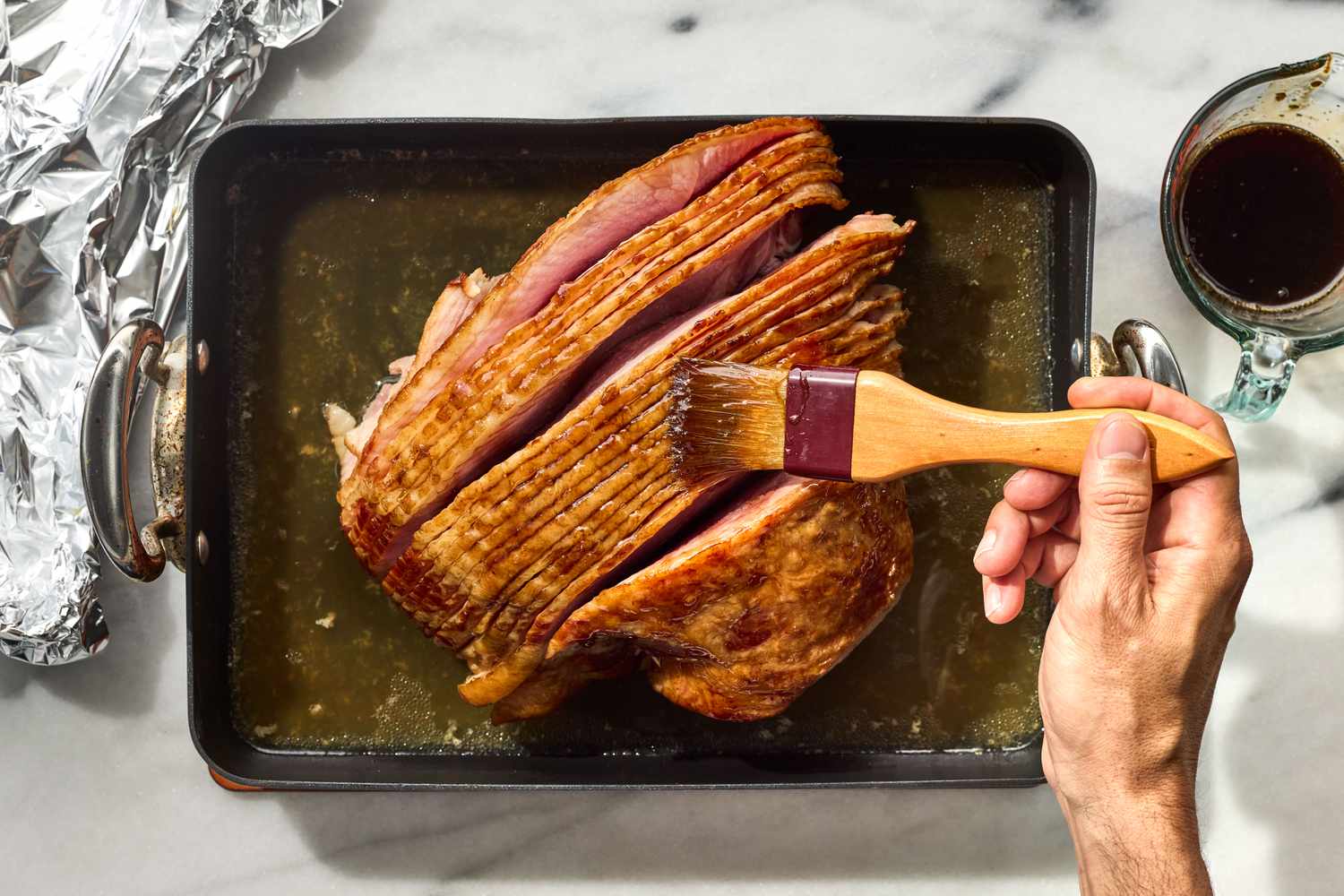
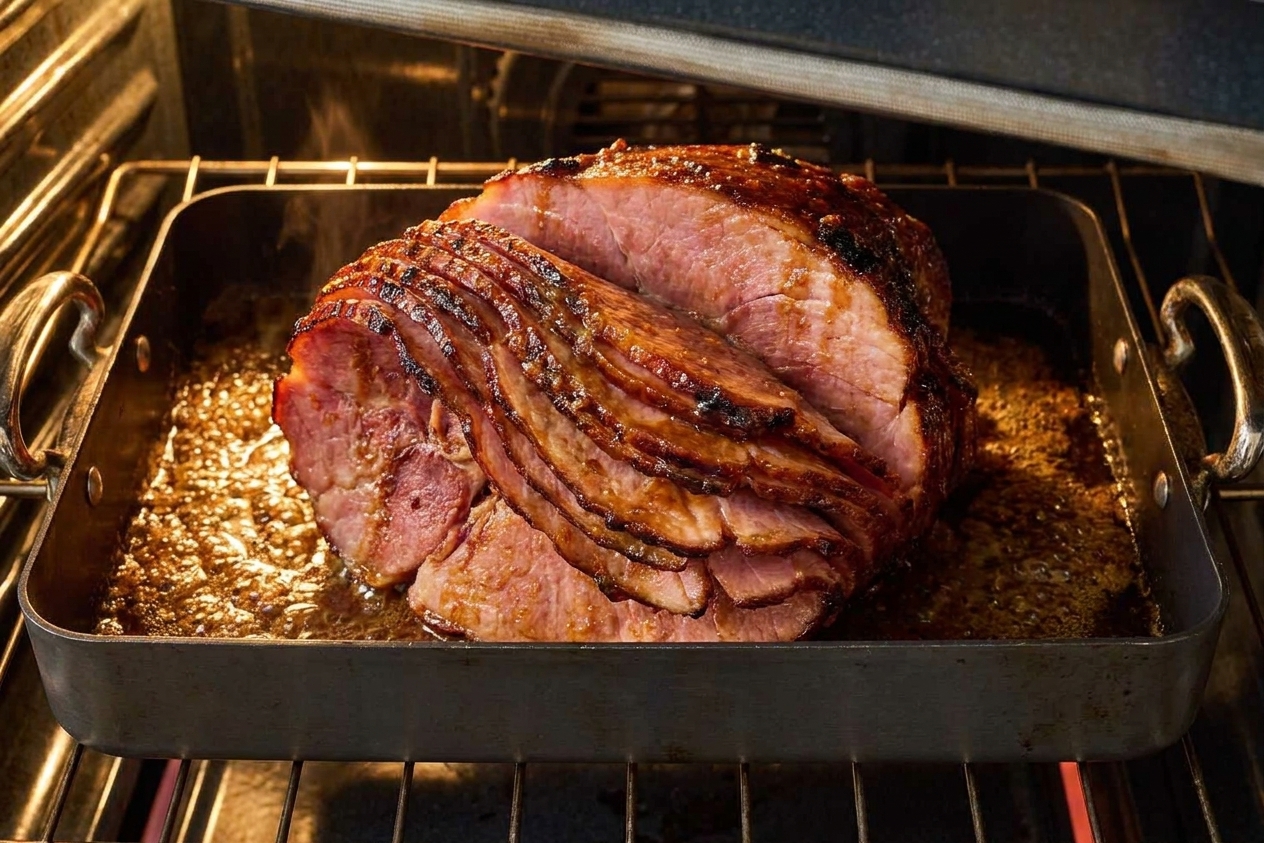
Hands brushing shiny brown sugar glaze over a warm spiral ham in a roasting pan on a kitchen counter, with foil loosely pulled back